REVIEW · NEW ORLEANS
New Orleans: Cajun and Creole Cooking Class
Book on GetYourGuide →Operated by New Orleans School of Cooking · Bookable on GetYourGuide
Cajun comfort food, minus the apron. In this New Orleans School of Cooking class, I love how the chef-led Cajun and Creole history stories turn recipes into something you actually remember, and the meal that follows is big enough to count as lunch. One heads-up: it’s best understood as a cooking demonstration, not a hands-on class where you do the cooking yourself.
The setting also adds a lot. You check in at the General Store in a renovated molasses warehouse dating to the early 1800s, then settle in for the demo right in the heart of the French Quarter. I also like that you get take-home recipe copies plus a store coupon, which makes it easier to recreate flavors later instead of just tasting and forgetting.
Before you go, plan to come hungry and be ready for questions. The crowd can ask plenty, and the chef’s answers are part of the fun. And if you want to cook, not just watch, you may feel slightly misled by the name.
In This Review
- Key highlights to know before you book
- A French Quarter molasses warehouse for real Louisiana cooking
- Chef-led cooking demo: what you actually do during class
- The menu math: morning versus afternoon choices
- 10:00 AM class menus (typically 3–4 courses)
- 2:00 PM class menus (usually shorter, still filling)
- Gumbo, jambalaya, etouffee: why these dishes matter
- What’s for lunch: drinks included and portions to plan for
- Learning the Cajun vs Creole story (without turning it into a debate)
- The General Store stop: Joe’s Stuff Creole Seasoning and take-home value
- Accessibility, language, and how to get the most out of the room
- Is it worth $40? The value equation for your New Orleans trip
- Who should book this Cajun and Creole cooking experience
- Should you book this class or not?
- FAQ
- Is this a hands-on cooking class?
- How long is the class?
- Where do I check in?
- What dishes are included?
- What drinks are included?
- Are outside drinks allowed?
- Do I get recipes to take home?
- Is there a store coupon included?
- Does the price include hotel pickup?
- What if I need to cancel?
- Is the class accessible for wheelchairs?
Key highlights to know before you book
- French Quarter molasses warehouse setting for a demo that feels like part of local life
- Chef-led format with gumbo, jambalaya, etouffee, bisque, and pralines on the menu
- History and folklore woven into the food, with instructors like Austin, Lynn, Eric, Dianne Honoré (aka Gumbo Marie), and Harriet
- Lunch-style meal with drinks (Dixie beer, iced tea, lemonade; coffee for 10 AM classes)
- Take-home recipes and a store coupon so you can shop Joe’s Stuff Creole Seasoning or other local staples afterward
A French Quarter molasses warehouse for real Louisiana cooking
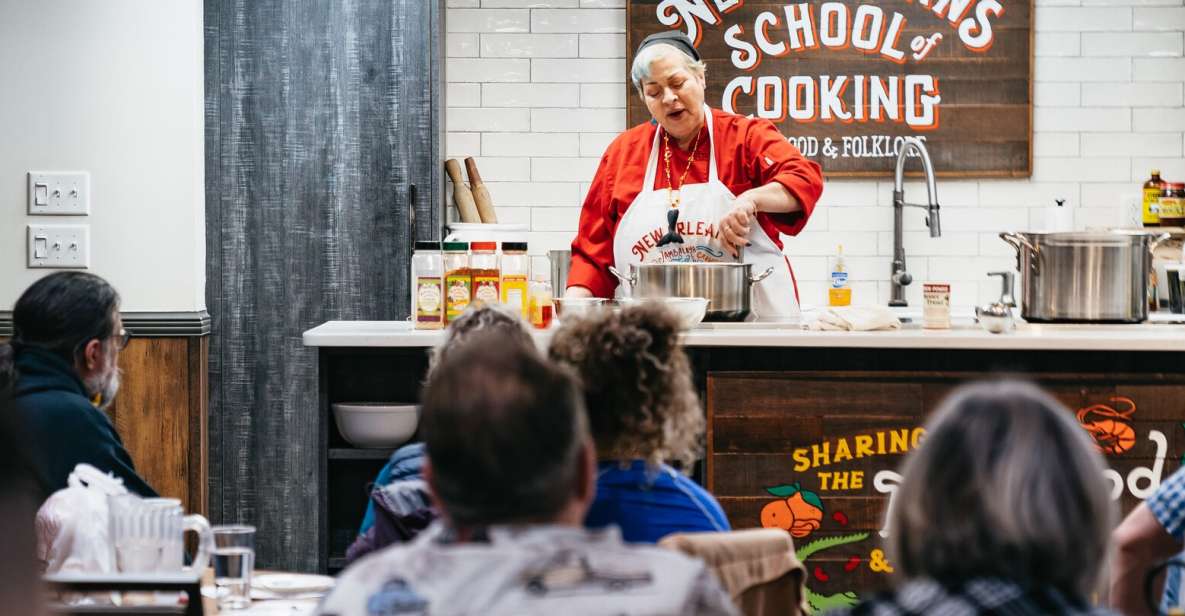
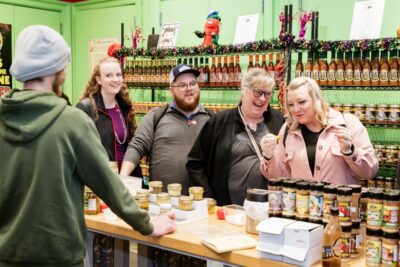
New Orleans has a way of making food feel like family history. This experience taps into that. You meet inside the New Orleans School of Cooking General Store, housed in a renovated molasses warehouse from the early 1800s, and you’re in the French Quarter from the moment you arrive.
What matters for your trip is how the place shapes the mood. It’s not just a classroom with folding chairs. It’s a working-style setup: you can wander the store, get familiar with local ingredients, and then settle down to watch the chef work. You’ll also notice one big ingredient connection right away: the store is home to Joe’s Stuff Creole Seasoning, a spice blend that many chefs and shoppers treat as a go-to.
Two good reasons this kind of setting helps you as a visitor:
1) You connect the food to the place it came from, not just to a dish name on a menu.
2) You can spot ingredients and flavors in real life, which makes recipe copying at home easier.
You can also read our reviews of more cooking classes in New Orleans

Chef-led cooking demo: what you actually do during class
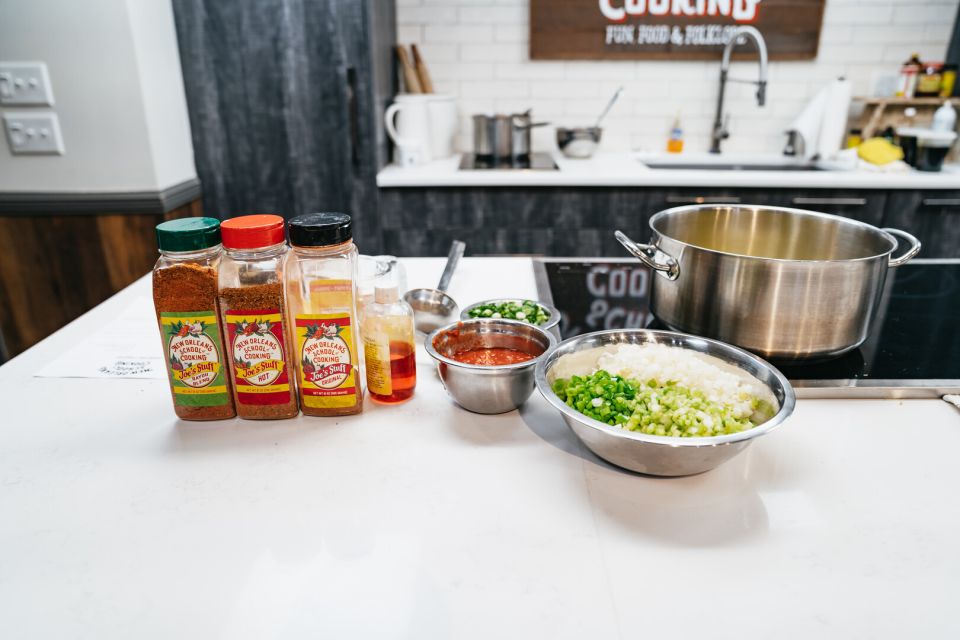
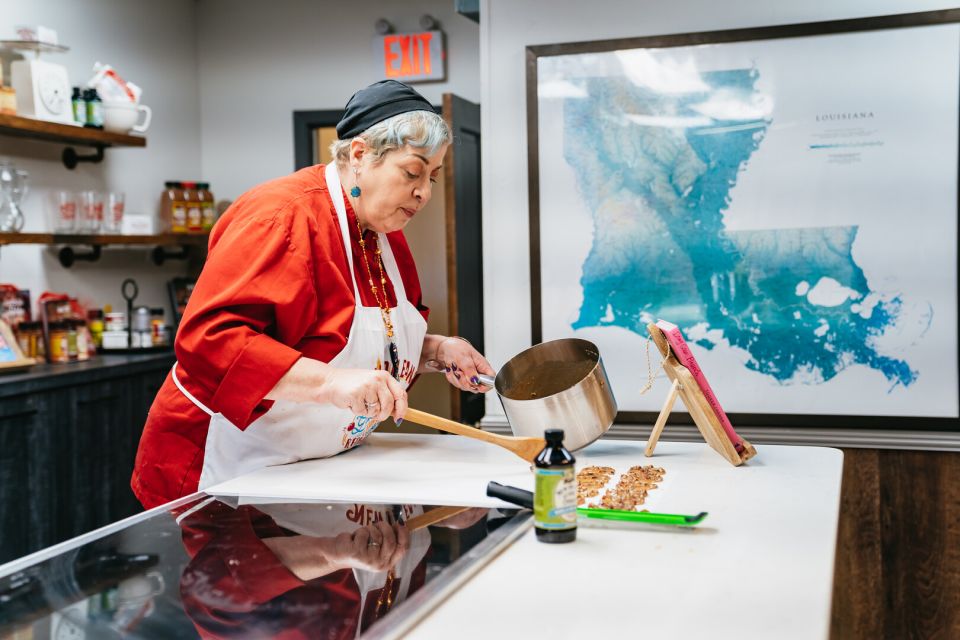
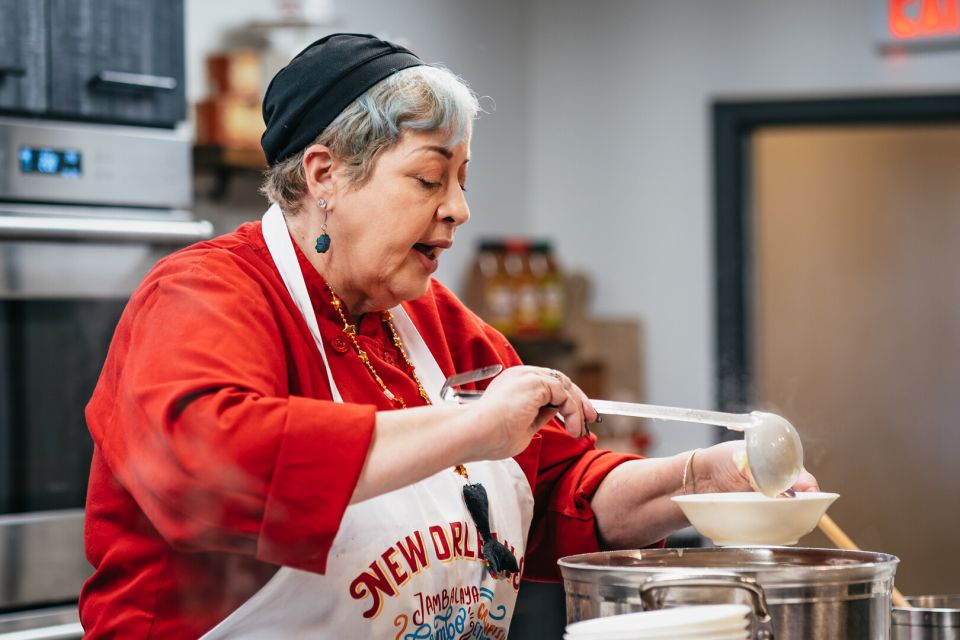
This is a chef-led presentation. You’ll sit back and watch the chef prepare Cajun and Creole dishes, while explaining steps, flavors, and the why behind the technique. The class is timed for about 150 minutes, so you’re not stuck in a long lecture that forgets the point.
If you’re used to hands-on cooking classes, adjust your expectations early. Several people love this exact format because it’s more relaxed and still very educational. You get to focus on the logic of Cajun and Creole cooking while tasting what’s being made.
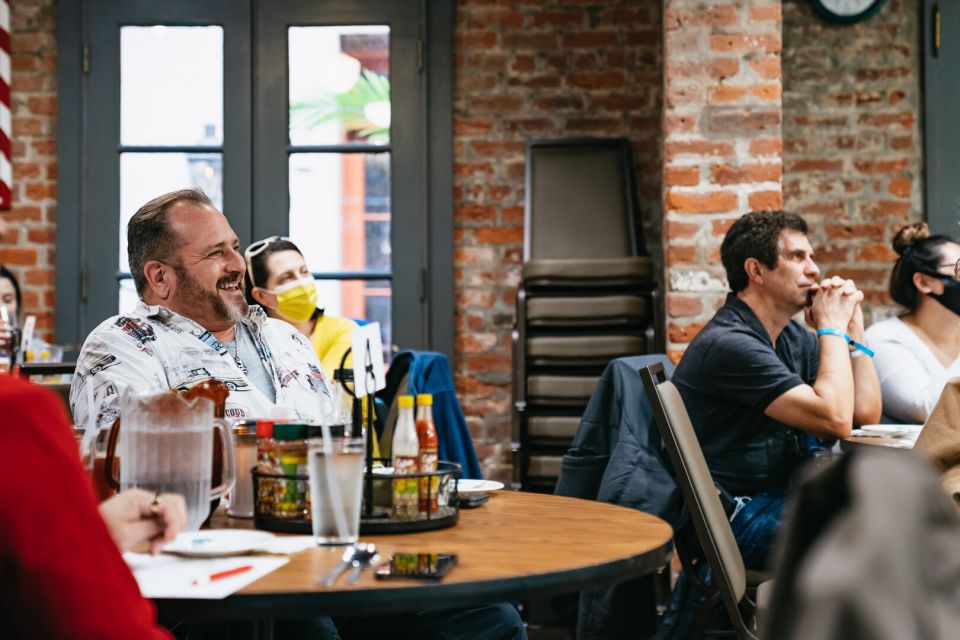
Also, the chef role is not quiet and robotic. Based on multiple instructor styles shared through the program, hosts can be funny, high-energy, and story-focused. Names you might encounter include Austin, Lynn, Eric, Dianne Honoré (often mentioned as Gumbo Marie), and Harriet. Regardless of who’s teaching, the best way to get value is simple: ask questions. If you’re curious about spice levels, substitutions, or why one dish differs from another, this is the kind of demo where the chef answers you in the moment.
The menu math: morning versus afternoon choices
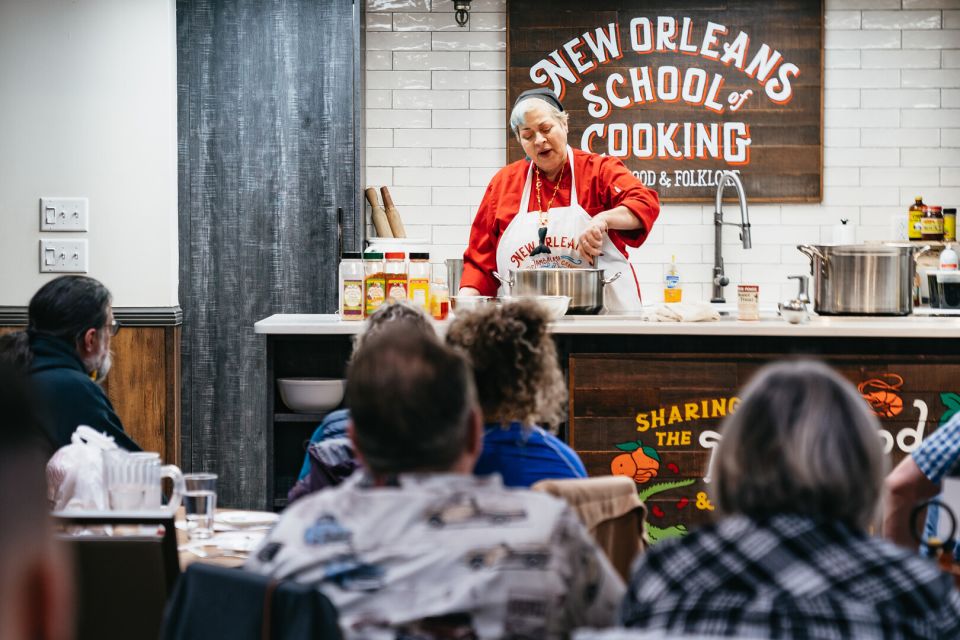
The schedule changes what you eat. The program runs two daily options: a 10:00 AM class and a 2:00 PM class. Each class includes a meal afterward, and the menu items are planned by day.
10:00 AM class menus (typically 3–4 courses)
- Saturday, Sunday, Wednesday: Gumbo, Jambalaya, Bread Pudding, Pralines
- Monday: Gumbo, Red Beans and Rice, Pecan Pie, Pralines
- Tuesday: Gumbo, Jambalaya, Bananas Foster, Pralines
- Thursday: Corn & Crab Bisque, Shrimp Creole, Bananas Foster, Pralines
- Friday: Crawfish Etouffee, Shrimp and Artichoke Soup, Bread Pudding, Pralines
This is the better pick if you want the fullest arc: savory dishes plus dessert, with pralines always showing up.
2:00 PM class menus (usually shorter, still filling)
- Saturday: Crawfish Etouffee, Shrimp and Artichoke Soup, Pralines
- Sunday, Tuesday: Corn & Crab Bisque, Chicken Etouffee, Pralines
- Monday, Thursday, Friday: Gumbo, Jambalaya, Pralines
- Wednesday: Gumbo, Chicken Creole, Pralines
Afternoon is a good choice if you want a lighter meal that still feels like a New Orleans experience. Either way, you’ll leave with that I just ate real New Orleans food feeling, not the cafeteria version.
You can also read our reviews of more tours and experiences in New Orleans




Gumbo, jambalaya, etouffee: why these dishes matter
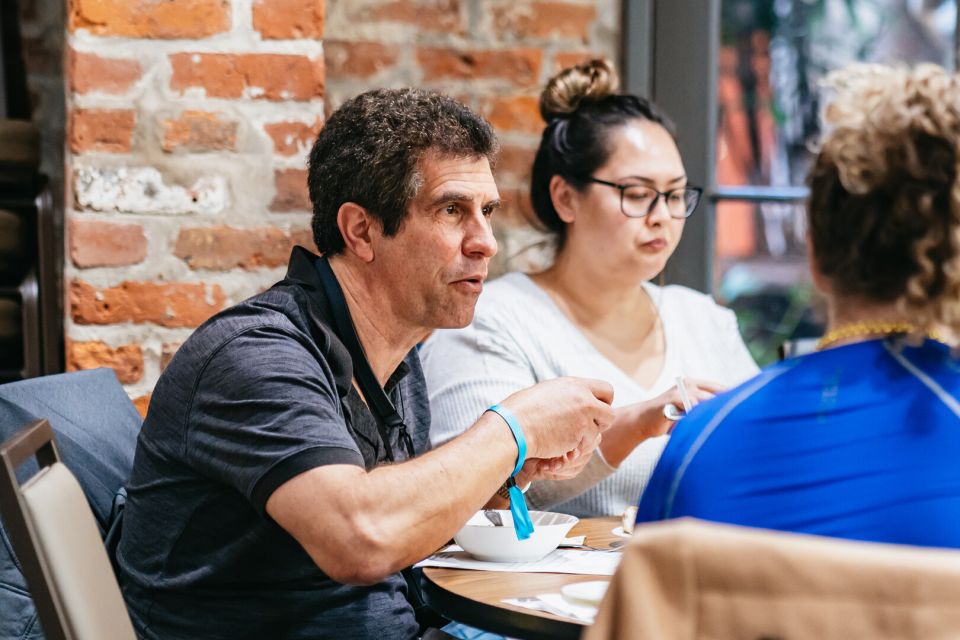
It’s easy to think of Cajun and Creole food as just comfort. In this class, you’ll see how much technique is hiding under the hood.
Gumbo isn’t just a soup. It’s a family of outcomes based on how the base is built, how seafood or meat is layered, and what you do to balance heat and depth. Jambalaya is where you get a lesson in timing and flavor distribution—how ingredients release character without turning the dish into mush. Etouffee leans into that thick, clingy sauce style that makes every bite taste intentional.
You also get to taste the “sides” that Louisiana treats like part of the meal, not an afterthought. Pralines show up on every menu, and it’s a nice finish because they’re sweet but not cloying when made with the right balance. Bread pudding, pecan pie, and bananas foster also show up on the morning schedules, giving you a sense of how desserts in the region often match the same bold, cooked-down flavors you get in savory dishes.
The best value here is that you’re not just eating. You’re watching someone explain the logic while the food is in motion. That makes it easier for you to recreate flavors later, even if you can’t recreate the exact kitchen conditions.
What’s for lunch: drinks included and portions to plan for
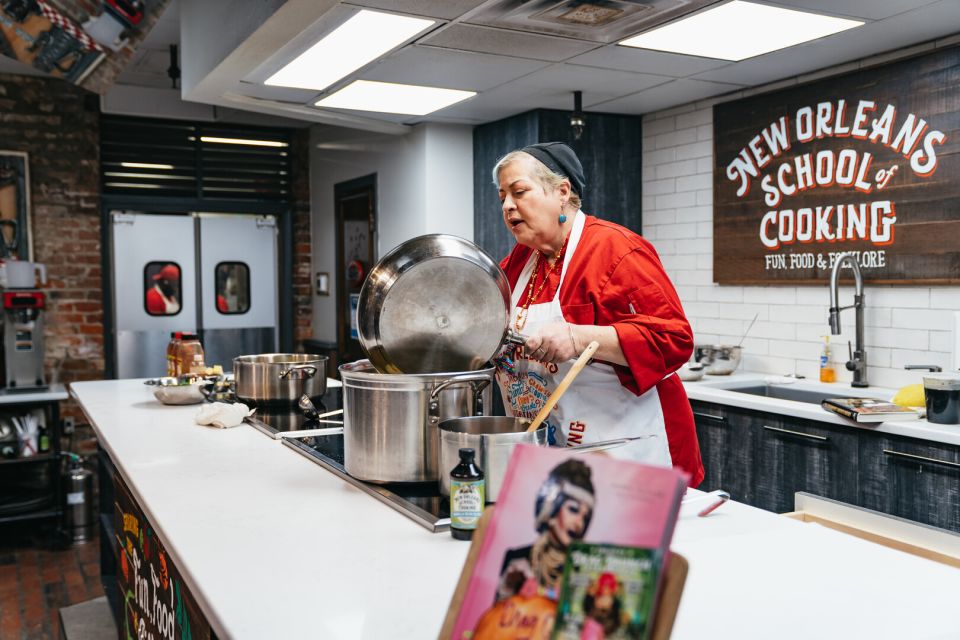
After the demo, you eat. The included meal is described as a 3 or 4-course Cajun and Creole meal, which lines up with the menu structure you’ll see for your class day. Drinks are part of the deal too: Dixie beer, iced tea, and lemonade are included. If you choose the 10 AM class, hot coffee is included as well.
One practical tip: don’t schedule a big dinner right after. The portions are meant to satisfy, and most people leave comfortably full rather than nibbling. If you’re doing this as your first big food stop in town, you’re saving yourself from food fatigue later.
Also note the rule that outside drinks aren’t allowed. That’s normal for this kind of venue. The important part for your planning is that the class provides the drinks you need, so you’re not missing out if you travel light.
Learning the Cajun vs Creole story (without turning it into a debate)
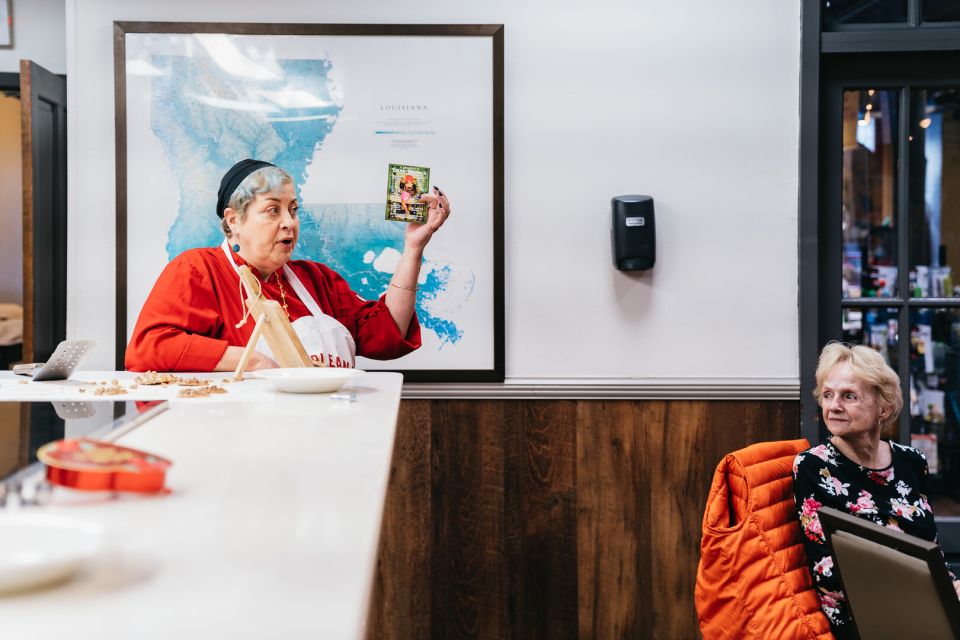
Food lore can get messy fast, but this program stays focused on how culture and cuisine are intertwined. You’ll get context about Louisiana cooking traditions and folklore while the chef prepares dishes.
Here’s why that matters: Cajun and Creole aren’t just labels. They reflect different influences, cooking styles, and community stories. When you hear the explanations while you’re watching a chef build a dish, it sticks. You start recognizing flavor patterns—what’s likely to show up in a gumbo, what you can expect from a shrimp creole sauce, and how desserts fit the overall style of cooking.
If you’re someone who likes history, this is a rare “history class” where the facts land because you can taste the result. If you don’t care about history, you’ll still enjoy the chef talk, because it’s tied to ingredients, technique, and why certain dishes are treated like signature New Orleans comfort.
The General Store stop: Joe’s Stuff Creole Seasoning and take-home value
One of the smarter parts of this experience is what happens before and after you eat.
Before the demo, you can browse the General Store. It’s where you’ll see locally sourced products and seasoning blends tied to New Orleans cooking. The big name to look for is Joe’s Stuff Creole Seasoning. Even if you don’t buy it on the first visit, it’s worth tasting the idea of it while your palate is still fresh from the demo.
After the class, you’ll receive:
- Recipe copies to take home
- A coupon to use in the general store
This is a strong value move. A lot of cooking demos end with a full stomach and a memory that fades. Here, you leave with a practical path to recreate the flavors and build your own small Cajun/Creole pantry.
Accessibility, language, and how to get the most out of the room
This class is wheelchair accessible, and the instructor language is English, so you can follow along without translation hurdles. Duration is about 150 minutes, which is long enough to get multiple courses plus explanations, but short enough to keep your day moving.
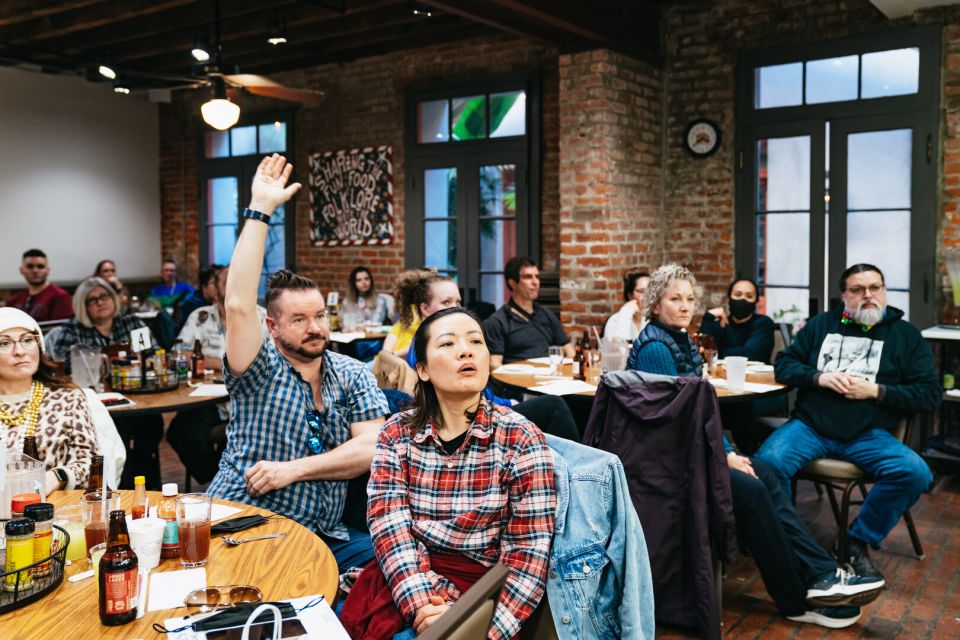
To get the most out of your seat, come ready to participate through questions. The chef frequently answers points far beyond the exact dish being prepared, including how to adjust flavors. If you have dietary needs, ask ahead of time. Some instructors have been able to handle allergy requests within the program, so it’s worth discussing your needs with the staff before you sit down.
One small caution from past experiences: audio can be an issue in some rooms if you’re seated far back. If you’re sensitive to not hearing clearly, pick a seat where you can see and hear the chef without craning.
Is it worth $40? The value equation for your New Orleans trip
At about $40 per person, this isn’t a budget street snack, but it also isn’t a fancy, high-friction cooking boot camp. The cost makes sense because you get:
- A structured chef demonstration
- A multi-course meal
- Included drinks (and coffee for 10 AM)
- Recipe copies
- A store coupon
If you’re comparing it to paying for multiple meals plus specialty ingredients, this can be a tidy deal. Even better, it helps you learn what to order later in the city. After you’ve seen how gumbo, jambalaya, and etouffee are built, you’re more likely to recognize quality in restaurant versions instead of ordering on impulse.
For families, it’s also a good bet because the format is relaxed and the food is easy to enjoy. For couples, it’s a fun way to do something “not just walking and eating” in a short window.
Who should book this Cajun and Creole cooking experience
I’d book this if you want:
- A memorable food-and-story intro to New Orleans
- To eat a real lunch that feels like a local tradition
- A relaxed class where the chef drives and you learn through tasting
I would skip it (or go in with the right mindset) if you specifically want hands-on cooking practice. The program is designed around watching and learning, not taking over the stove.
Also, if you’re on a tight schedule and still want a big signature experience, pick the time slot based on your cravings:
- Morning for the longest meal arc and dessert options
- Afternoon for a shorter set that still includes pralines and a satisfying main
Should you book this class or not?
If you want Cajun and Creole flavors with context, this is an easy yes. You’ll eat well, hear how the dishes connect to Louisiana culture, and take home recipes plus a coupon that turns the experience into something you can try again.
Book it when:
- You want a fun, story-forward activity early in your trip
- You like your food experiences guided by an entertaining chef
- You’re open to watching instead of cooking
Don’t book it if you want a hands-on cooking workshop where you personally cook the dishes from start to finish.
FAQ
Is this a hands-on cooking class?
No. This experience is a chef-led cooking demonstration where you watch the chef prepare Cajun and Creole dishes, then you eat the finished meal.
How long is the class?
It runs about 2 hours, listed as 150 minutes.
Where do I check in?
Enter the New Orleans School of Cooking General Store and check in at the register.
What dishes are included?
Menus vary by day and whether you book the 10:00 AM or 2:00 PM class. You can expect staples like gumbo, jambalaya, etouffee (such as crawfish etouffee), corn and crab bisque, shrimp creole, chicken creole, and pralines, depending on the schedule.
What drinks are included?
Included drinks are Dixie beer, iced tea, and lemonade. Hot coffee is included for the 10:00 AM class.
Are outside drinks allowed?
Outside drinks aren’t allowed, but drinks are provided as part of the experience.
Do I get recipes to take home?
Yes. You receive copies of the recipes at the end.
Is there a store coupon included?
Yes. At the end of the class, you’ll receive a coupon for use in the general store.
Does the price include hotel pickup?
No. Hotel pickup and drop-off are not included.
What if I need to cancel?
Free cancellation is available up to 24 hours in advance for a full refund.
Is the class accessible for wheelchairs?
Yes. The activity is wheelchair accessible.