REVIEW · NEW ORLEANS
New Orleans Hands-On Cooking Class with Meal
Book on Viator →Operated by New Orleans School of Cooking · Bookable on Viator
Hands-on cooking turns New Orleans into your plate. This small-group class takes you from chopping to tasting, led by chefs like Chef Ricardo and Chef Cindy, and it ends with a full meal you helped make. You’ll learn classic Louisiana techniques and eat what you cook, with local drinks included. The only real drawback is that you’ll be on your feet for a solid chunk of the session.
I love that it’s truly interactive. You cut, season, and cook dinner on multiple stations, not watch from the sidelines. I also like the “back home” payoff: you get a recipe copy and a souvenir apron, plus a fun way to earn a diploma by sharing photos after you cook at home. One consideration: it can be a bit long and active for anyone expecting a relaxed, sit-down demo.
In This Review
- Key Highlights You’ll Care About
- A Small-Group Kitchen That Fits Real Travel Plans
- What I like most in the classroom rhythm
- What You’ll Cook: Gumbo, Grits, Jambalaya, and the Sweet Finish
- You’re eating a real meal, not snacks
- Stop 1: The New Orleans School of Cooking Experience
- The energy: fun, structured, and a little character
- Stop 2: A French Quarter Touchpoint (And Why It Matters)
- Meal and Drinks: Eating Together Like You Earned It
- What to do if you drink but want to stay sharp
- Price and Value: Is $162 Worth It?
- Who feels the price most
- Dietary Requests, Allergies, and Real-World Limits
- What You Take Home: Recipes, Apron, and the At-Home Diploma
- Pro tip: take photos during the lesson
- Who Should Book This Class (And Who Might Skip It)
- Should You Book This New Orleans Cooking Class?
- FAQ
- How long is the New Orleans hands-on cooking class?
- What’s included in the full meal?
- What menu items might I cook and eat?
- What are the drink options?
- How big are the groups?
- Is there an age requirement?
- What should I do if I have dietary restrictions?
- What do I take home after the class?
- What’s the meeting point?
- Is the experience refundable if plans change?
Key Highlights You’ll Care About
- Small group, max 10: you cook as part of a crew, not a crowd.
- Hands-on cooking at 5 cooktops: you get real tasks, from prep to finishing.
- Full Louisiana menu with swaps: options like gumbo or yam-crab bisque, plus shrimp-and-grits or jambalaya.
- Wine and Abita Amber Beer included: you drink local while you eat local.
- Take-home apron and recipes: you leave with the tools to recreate the meal.
- Chef personalities matter: many sessions are led by standout instructors such as Chef Eric, Chef Ricardo, and Chef Vivian.
A Small-Group Kitchen That Fits Real Travel Plans
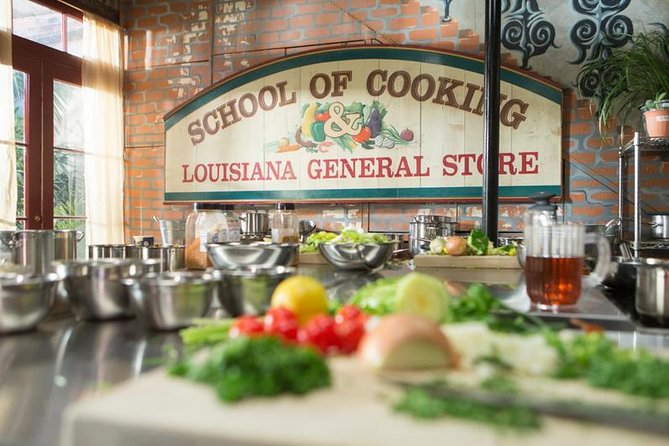
This is the kind of activity that makes sense when you want an experience, not just a ticket. You start at the New Orleans School of Cooking at 524 St Louis St, then you spend about 3 hours doing something you can’t fake at home: cooking Louisiana classics in a real teaching setup. The group size caps at 10 people, with 5 cooktops, so you’re not waiting around for your turn.
The format is built around participation. You’ll be cutting, seasoning, and preparing components for a complete dinner, then sitting down afterward to eat it. That matters because New Orleans food is technique-driven: roux choices, spice timing, and getting texture right are easier when you’re doing it with guidance.
In practical terms, it’s a great alternative to another long day of walking. You’ll still get a quick French Quarter stop, but the core of your time is hands-on in the kitchen. If you’re traveling with food cravings and limited time, this hits fast.
You can also read our reviews of more cooking classes in New Orleans

What I like most in the classroom rhythm
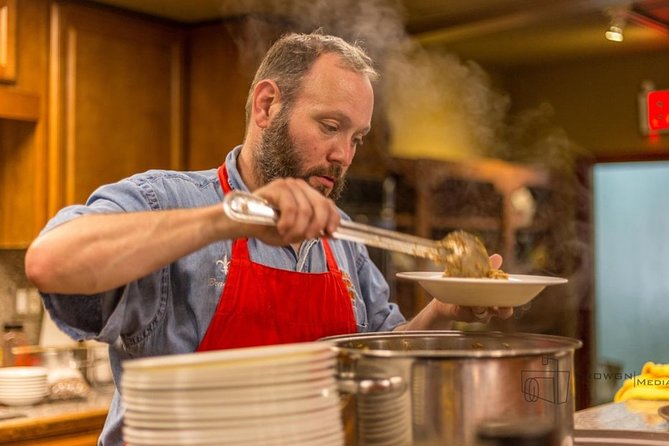
Even when the chefs vary by date, the teaching style stays consistent: clear instruction, teamwork, and lots of small moments where you learn why something works. Multiple instructors get called out by name across recent classes, including Chef Ricardo, Chef Eric, Chef Cindy, Chef Austin, and Chef Vivian. That’s a good sign for continuity.
And yes, you’ll be active. One review note hits the vibe: expect to be on your feet for a long time while cooking. If you hate kitchen standing, plan for that.
What You’ll Cook: Gumbo, Grits, Jambalaya, and the Sweet Finish
The menu changes by class, but the structure stays the same: starter, main, and dessert. You’ll see classic options such as:
- Starter: Yam-crab bisque or gumbo
- Main: BBQ shrimp and grits or jambalaya
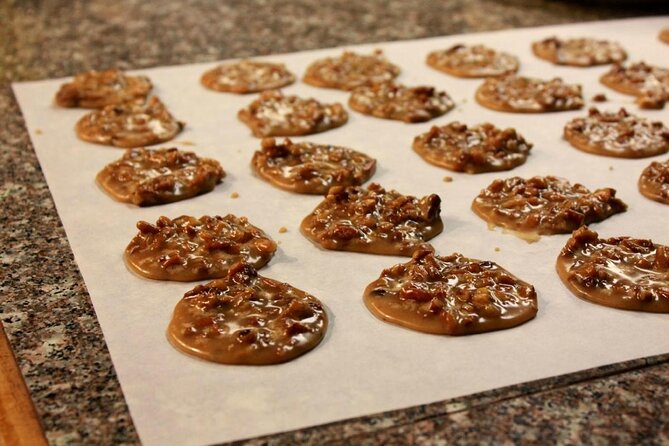
- Dessert: Bananas Foster or pralines
The big value isn’t just the dish names. It’s that you’re learning how these dishes come together. For example, gumbo is partly about patience and technique, not just ingredients. And dessert like Bananas Foster is about timing and heat control, the kind of thing that feels obvious only after you’ve tried it.
A standout theme from chef-led classes is making foundational elements. People specifically mention learning how to build things like the rue in gumbo and getting hands-on with parts of the process you’d normally skip if you were cooking at home cold.
You’re eating a real meal, not snacks
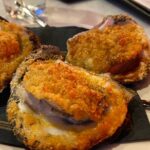
You cook, then you eat. The tour includes a full meal after the lesson, with complimentary red or white wine and Abita Amber Beer (plus non-alcoholic options like iced tea, lemonade, and coffee). That combination is a travel win: you get local flavors twice—first in the pan, then on the table.
And because the meal is included, you’ll likely want to treat this as your main food moment for the day. One review basically says skip lunch that day, and that tracks with the included dinner.
Stop 1: The New Orleans School of Cooking Experience
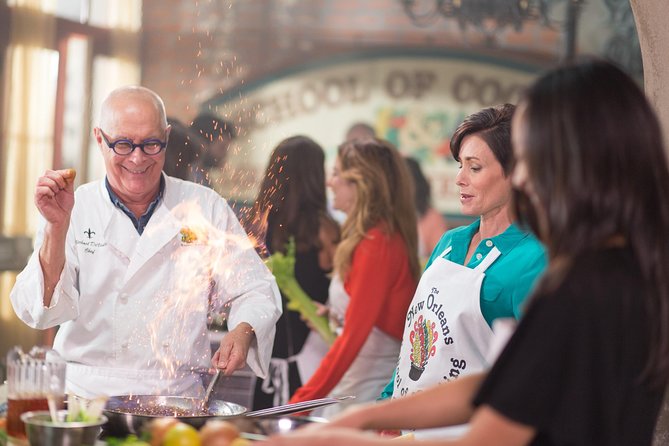
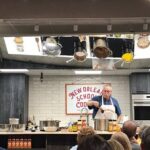
Your lesson begins at the school itself. This is where the “small group” advantage shows up in a very real way. With up to 10 people and 5 cooktops, you’re usually doing something at the station instead of waiting for a guide to finish one move at a time.
You’ll get professional instruction from the chef and support staff. The class is designed for mixed experience levels. Some people come in knowing almost nothing about Louisiana cooking; the teaching approach still works, because the chef walks you through steps and supports the hands-on process.
You can also read our reviews of more tours and experiences in New Orleans




The energy: fun, structured, and a little character
The chefs are often described as patient and entertaining, with instruction that’s easy to follow. Names that come up often include Chef Ricardo (attentive and knowledgeable in technique), Chef Eric (clear, organized, and fun), and Chef Cindy (helpful with historical context). One review mentions humor and music vibes, which tells me this isn’t a stiff classroom.
You’ll also get a diploma concept connected to your home cooking. You bring back more than flavors; you bring back motivation.
Stop 2: A French Quarter Touchpoint (And Why It Matters)
After the cooking lesson, the activity includes a stop in the French Quarter. Since the overall duration is around 3 hours, this is likely not a full tour of the neighborhood. Instead, it’s a way to connect what you just learned to the place you’re standing in.
That matters more than it seems. Louisiana cooking isn’t one culture or one cooking style. It’s a mash-up built over time—French, Spanish, African, and other influences. Even if you’re not hearing a long lecture, the pairing of “cook now, see later” helps the dishes stick in your mind.
If you’re pairing this with other French Quarter plans, schedule it so you’re not rushing immediately afterward. You’ll want a little decompression time after cooking and eating.
Meal and Drinks: Eating Together Like You Earned It
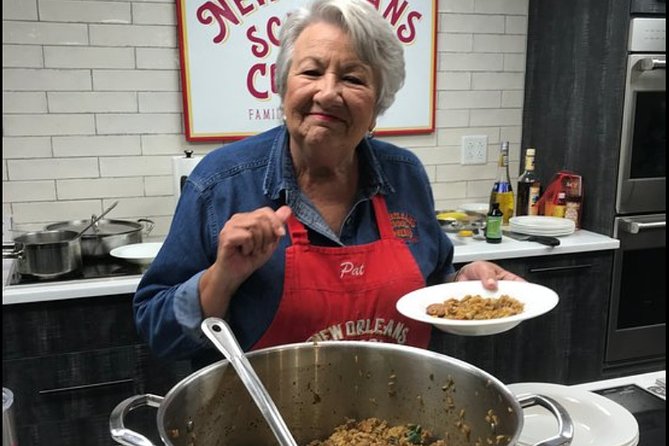
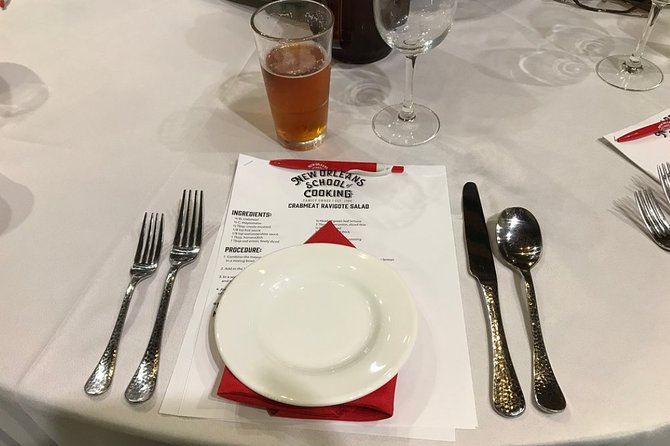
The class ends with you sitting down to enjoy what you made. The included beverages are part of that experience: you’ll get red and white wine, Abita Amber Beer, and non-alcoholic drinks like iced tea, lemonade, and coffee.
This is a big value point. Cooking classes often charge for the lesson alone, then tack on food and drink. Here, the meal and drinks are already in the price, so you’re paying for a complete experience, not just instruction.
Also, the meal is a social part of the event. You share the table with your cooking group, and you get to talk through what you made and what surprised you. It’s a good reset if you’ve been doing mostly walking, planning, and bar hopping.
What to do if you drink but want to stay sharp
Wine and beer are included, but you still have a short schedule. If you want to keep your evening easy, pace yourself. Start with one drink, sip slowly, and drink water too. It helps you enjoy the food and keeps you from feeling wiped out after.
Price and Value: Is $162 Worth It?
At $162 per person for about 3 hours, this isn’t a cheap add-on. But the value is stronger than it looks at first glance.
Here’s what you’re actually getting:
- A hands-on class in a small group (max 10)
- A full meal you cook yourself
- Wine, Abita Amber Beer, and non-alcoholic drinks
- A recipe collection to take home
- A white apron souvenir (listed as $18.99 value)
- A chef-led learning experience that covers technique, not just plating
When you break it down, you’re paying for more than cooking. You’re paying for a guided meal with local drink included, delivered in an intimate setting with real participation. If you normally spend $40 to $80 on a good dinner plus drinks, and you still want something memorable besides walking, this is a strong option.
Also, the recommended rating is excellent: 4.9 stars with 99% recommended. That doesn’t guarantee your experience, but it does suggest consistent quality in the teaching and food.
Who feels the price most
- You’ll feel it as good value if you like food, cooking, and structured fun.
- You’ll feel it as expensive if you only want to eat and don’t care about technique or hands-on learning.
Dietary Requests, Allergies, and Real-World Limits
You should plan around dietary needs early. The class asks you to advise dietary requirements at booking. That’s your best chance to get accommodations.
There’s also a $10 fee payable on site for special requests due to dietary restrictions. The tour doesn’t describe every condition it can handle, so the practical move is to be specific when you book. If your needs are complex, write them clearly and assume the chef may need a bit of time to confirm substitutions.
And remember: the class includes alcohol. If you need to avoid alcohol completely, ask ahead about how they handle your drink portion.
What You Take Home: Recipes, Apron, and the At-Home Diploma
This is one of the more interesting parts because it keeps the experience alive after you leave. You get a copy of the class recipes and a New Orleans School of Cooking white apron. That’s a tangible reminder, but the real benefit is practical: you leave with a method you can repeat.
Then there’s the fun part. You can earn a diploma by submitting photos from cooking the recipes at home. You don’t need to do it, but it’s a nice nudge if you want your New Orleans trip to keep paying off.
Pro tip: take photos during the lesson
If photos are part of your at-home motivation, snap a few during cooking if your schedule allows. Keep it simple: one photo of each step or finished dish helps you remember textures and timing later.
Who Should Book This Class (And Who Might Skip It)
This class is perfect if you:
- Want a hands-on way to understand Louisiana food
- Like the idea of cooking in a small group and then sharing a meal
- Want included wine/beer with dinner
- Enjoy cooking even a little, or want to learn from someone who has done it professionally
- Are traveling with friends or a date and want a shared activity
You might skip it if you:
- Want a fully passive experience (this is active cooking)
- Have restrictions that you haven’t discussed in advance
- Hate standing and quick movement in a working kitchen environment
Should You Book This New Orleans Cooking Class?
Yes, I’d book it if you’re the kind of traveler who likes to trade a little time on your feet for a meal you made yourself. The combo of small group size, full meal, and wine/Abita beer included makes it a strong value for a food-forward trip. Add the take-home recipes and apron, and you get a souvenir that actually feeds you later.
If you’re on the fence, your deciding question is simple: do you want to cook, not just eat? If the answer is yes, this is one of the best ways to turn New Orleans into something you can recreate at home.
FAQ
How long is the New Orleans hands-on cooking class?
It runs about 3 hours.
What’s included in the full meal?
The class includes a full meal and complimentary beverages, including beer and wine, plus non-alcoholic options like iced tea, lemonade, and coffee.
What menu items might I cook and eat?
The sample menu includes choices like yam-crab bisque or gumbo, BBQ shrimp and grits or jambalaya, and bananas Foster or pralines. The exact menu can vary by class.
What are the drink options?
You can receive Abita Amber Beer and red or white wine as part of the experience, along with iced tea, lemonade, and coffee.
How big are the groups?
The class is limited to a maximum of 10 travelers.
Is there an age requirement?
Yes. The minimum age is 18.
What should I do if I have dietary restrictions?
Advise your dietary requirements at booking. Special requests due to dietary restrictions have a $10 fee payable on site.
What do I take home after the class?
You receive a recipe copy and a New Orleans School of Cooking white apron. There’s also a diploma option based on submitting photos after cooking at home.
What’s the meeting point?
The class starts at 524 St Louis St, New Orleans, LA 70130, USA.
Is the experience refundable if plans change?
You can cancel up to 24 hours in advance for a full refund. Within 24 hours, the amount paid is not refunded.