REVIEW · NEW ORLEANS
New Orleans: Voodoo, Storyville, and Treme Walking Tour
Book on GetYourGuide →Operated by NOLA Historic Tours, LLC · Bookable on GetYourGuide
Storyville secrets, Voodoo myths, real street corners. This New Orleans Voodoo, Storyville, and Treme walking tour connects the places you’ve heard of with the stories that actually shaped the city. I love the way it begins at Backatown Coffee on the old Storyville red-light district site, and I love the on-the-ground focus around Congo Square. The trade-off: it’s a full 2 hours of walking, and some topics and sacred spaces ask for a respectful approach.
You’ll move from 19th-century street life into the city’s spiritual history, then into Treme neighborhood landmarks tied to music, community, and conflict. I also like that the tour doesn’t treat Voodoo as just a spooky theme; it frames West African religious roots and the real-world Catholic connections that developed in slave-holding colonies. One consideration: if you need an easy, low-detail stroll, the subject matter can get heavy, fast.
There’s a bonus layer of meaning, too. You can learn the definition of lagniappe by asking your guide for a brief description of the aboveground St. Louis Cemetery, and the stops include sites tied to HBO’s Treme. Just make sure you bring comfortable shoes and dress appropriately for church stops.
In This Review
- Key things I’d watch for on this tour
- Storyville, Voodoo, and Treme in 2 hours: the real value
- Starting at Backatown Coffee: the Storyville ground truth
- Bienville Basin Apartments (former Iberville Housing Project) and what survives
- Voodoo in the streets: Marie Laveau and the Catholic connection
- Basin Street Station to Congo Square: where community becomes culture
- St. Augustine’s Catholic Church, the Tomb of the Unknown Slave, and the War of the Pews
- Treme neighborhood stops, Our Lady of Guadalupe, and optional culture at Backstreet
- Price and pacing: is $30 a good deal for this tour?
- Who should book this tour (and who might skip it)
- Should you book the Voodoo, Storyville, and Treme walking tour?
- FAQ
- How long is the New Orleans Voodoo, Storyville, and Treme walking tour?
- What does the tour include?
- Is food or drinks included?
- Do I need to pay for the optional Backstreet Cultural Museum?
- Is transportation to and from the activity included?
- What should I wear or bring?
- Can I cancel if my plans change?
Key things I’d watch for on this tour
- Storyville on the street: You start where the old red-light district once ran, not in a classroom.
- Voodoo facts vs myths: You’ll get the Marie Laveau story plus context for where beliefs came from.
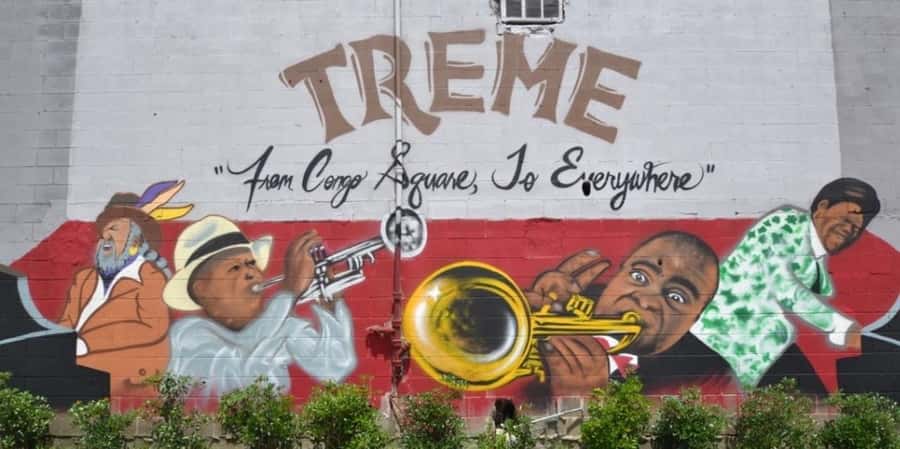
- Congo Square and Louis Armstrong Park: Community and music are treated as the point, not background.
- Treme landmarks beyond postcards: You’ll see sites associated with Treme and local culture.
- The War of the Pews: You’ll visit the area tied to the church conflict story.
- A small optional add-on: The Backstreet Cultural Museum is optional and can fit your interests.
Storyville, Voodoo, and Treme in 2 hours: the real value
This tour is designed for people who want more than a quick “haunted New Orleans” spin. In two hours, you get a tight braid of three big threads: Storyville’s role in early jazz, Voodoo’s African roots and Catholic crossovers, and Treme as a living neighborhood with its own social history.
At $30 per person, the price makes sense if you want interpretation at the street level. The stops aren’t just pretty corners. They’re specific addresses and named landmarks tied to events—so you’re paying for a guide to connect the dots you’d otherwise miss.
If you prefer freedom over structure, you may find the pace a bit brisk. But if you like getting oriented fast and learning what to notice, this format works.
You can also read our reviews of more walking tours in New Orleans


Starting at Backatown Coffee: the Storyville ground truth
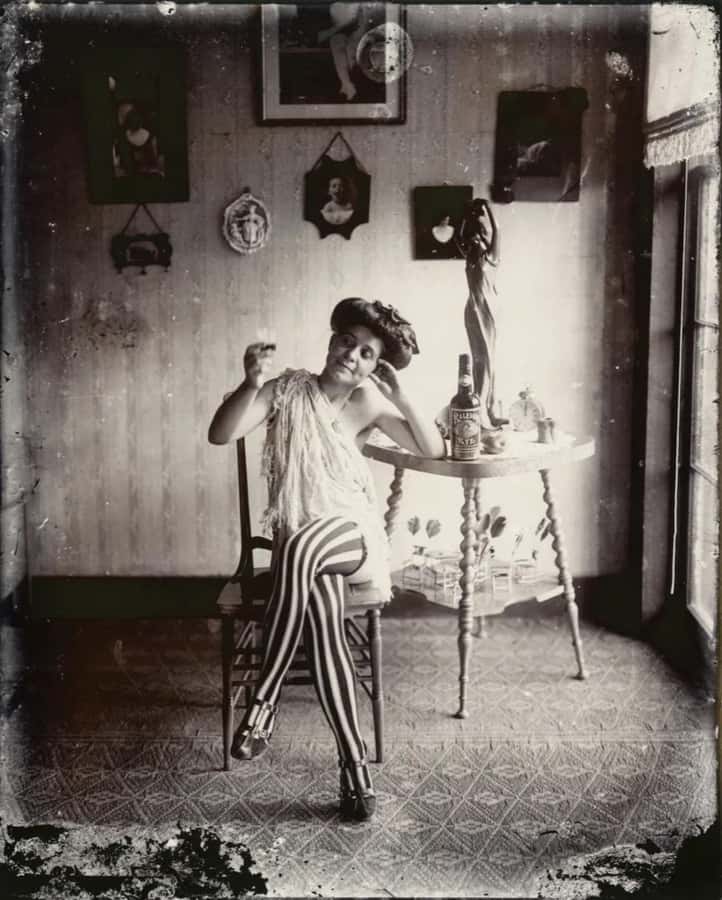
The tour begins at Backatown Coffee, at the site of the infamous Storyville red-light district. That choice matters. Instead of starting with a theory, you start with place—where the district was located and how it shaped the city.
Storyville lasted for about 20 years as a decriminalized prostitution district. Your guide explains how it became a cultural engine, including connections to early jazz performers such as Jelly Roll Morton, King Oliver, and Sidney Bechet. That’s a key shift in how you’ll view the neighborhood: sex work is part of the story, but so is music, livelihood, and the way New Orleans culture formed around real people in real streets.
What you’ll enjoy here: the tour makes you look at the street like a timeline. You can almost feel how entertainment, migration, and music overlap.
Possible snag: the topic is adult history. It’s not graphic on the route, but the subject itself can make some people uncomfortable.
Bienville Basin Apartments (former Iberville Housing Project) and what survives
Next, you head to the former Iberville Housing Project, now the Bienville Basin Apartments. This stop does two jobs at once: it grounds the tour in change over time, and it shows what parts of Storyville-era development still exist.
You’ll learn about the history of the housing project and how it connects back to Storyville, including the presence of surviving buildings from the district. Then your guide points out the idea of today’s New Urbanism architecture—how modern planning tries to shape streets and neighborhoods differently than older eras did.
Why this is worth your time: many New Orleans tours skip the “what changed” part and jump from past to present. Here, you learn how the city redeveloped and what pieces lingered through the layers.
What to watch for: this isn’t a museum stop where you can linger. You’ll get explanations, then move on.
Voodoo in the streets: Marie Laveau and the Catholic connection
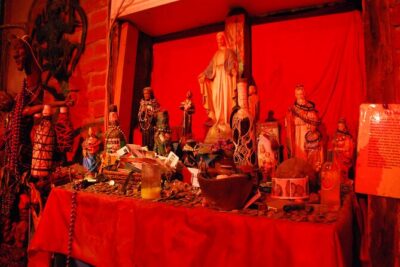
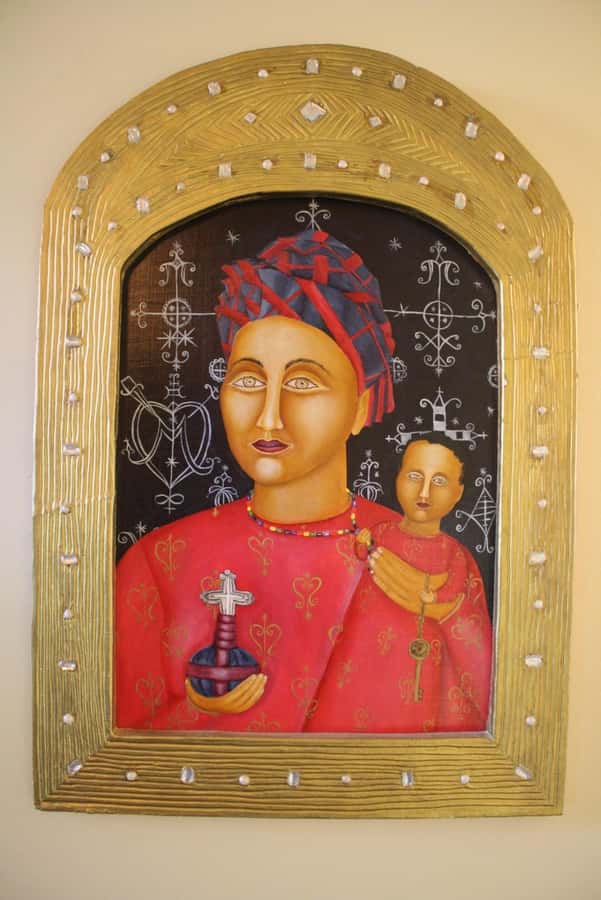
From the Storyville thread, the tour shifts into Voodoo—and the guide’s goal is to help you separate what’s fact from what’s myth. You’ll learn about the West African religious basis of Voodoo and how it crossed paths with Roman Catholicism in slave-holding colonies. That crossover is one of the most important parts of understanding New Orleans Voodoo, because it explains why symbols and practices can look like a blend on the surface.
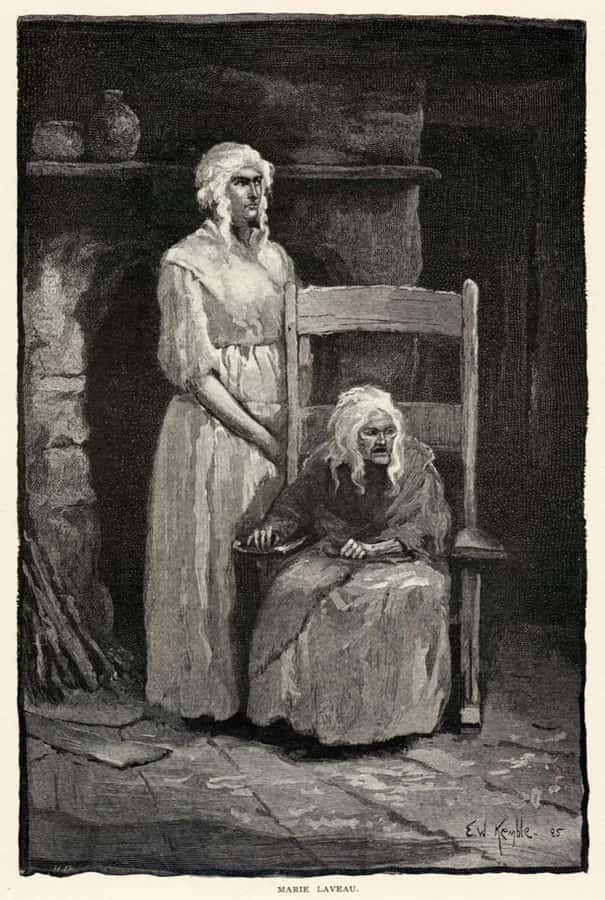
Then you’ll absorb the biography of Marie Laveau, often described as the most well-known Voodoo practitioner in the United States. The guide focuses on who she was in the real historical story and how her reputation grew over time.
What makes this stop land: it’s not framed as a performance. You’re taught to think historically and culturally, so you can understand why the city holds on to these beliefs.
Respect note: some of what you hear touches sacred traditions. If you’re curious but unsure how to act, this is a good reminder to keep your questions thoughtful and your behavior grounded.
Basin Street Station to Congo Square: where community becomes culture
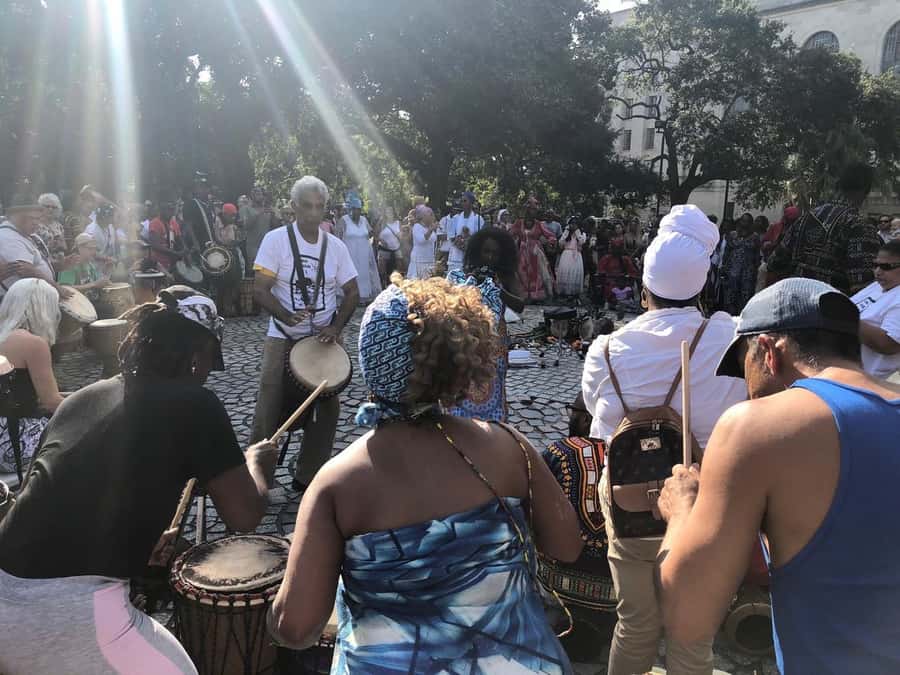
After the Voodoo portion, you shift toward the music-and-community landmarks. You’ll visit Basin Street Station and then head to Louis Armstrong Park and Congo Square. These stops tie directly into the idea that Treme and surrounding areas helped shape New Orleans culture from the ground up.
Congo Square is especially important because it connects to gatherings and community life. Your guide also brings in Perseverance Hall and the Rabassa-de Pouilly House. You’ll hear how these places fit into the story of Creole and African-American cultural development—not as museum exhibits, but as parts of a neighborhood system.
A practical tip for this section: as you walk, keep asking yourself what each place suggests about daily life. Is it a meeting point? A performance space? A social anchor? The guide’s job here is to make those questions click.
Who’ll enjoy it most: music lovers, history buffs, and anyone who wants New Orleans that goes beyond food and street bands.



St. Augustine’s Catholic Church, the Tomb of the Unknown Slave, and the War of the Pews
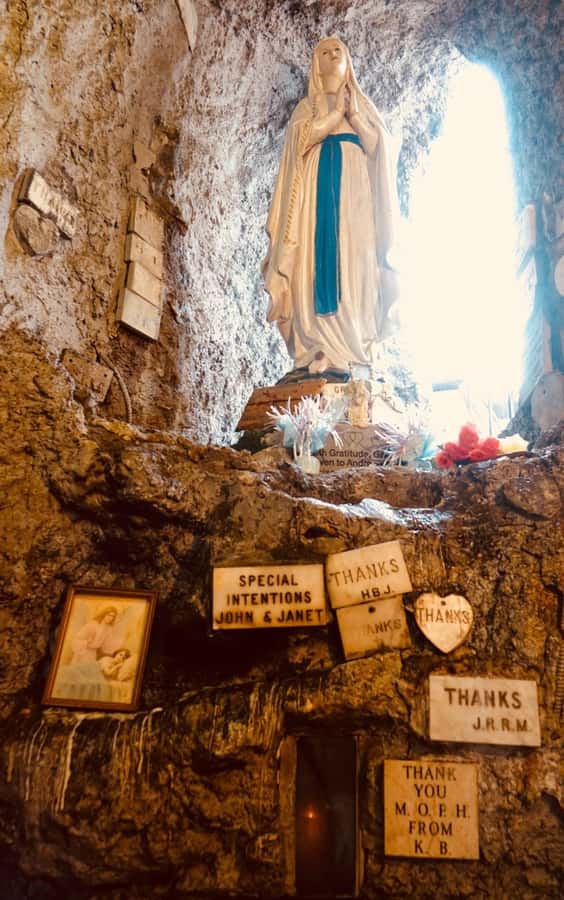
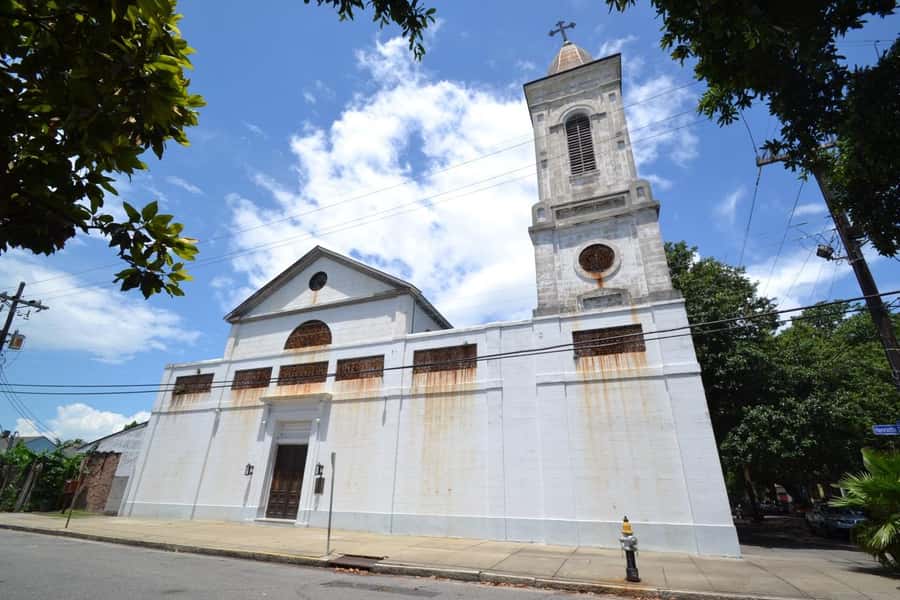
One of the most dramatic parts of the tour focuses on the church conflict story known as the War of the Pews. You’ll visit St. Augustine’s Catholic Church and the Tomb of the Unknown Slave as part of this segment.
Your guide connects these stops to a larger theme: power, community conflict, and how religion could become tangled with politics and identity in daily life. It’s not just about architecture. It’s about the human stakes behind the building.
You’ll also hear about the 1891 Parish Prison vendetta, including the assassination of Sicilian convicts who were accused of murdering Police Chief Hennessy. That’s a heavy sequence, but it helps explain why stories in New Orleans often feel more intense than you expect for a city that also loves music and celebration.
If you’re short on time or sensitive to dark history: this is the segment most likely to slow you down emotionally. Still, it’s part of why the tour feels honest instead of purely spooky.
Treme neighborhood stops, Our Lady of Guadalupe, and optional culture at Backstreet
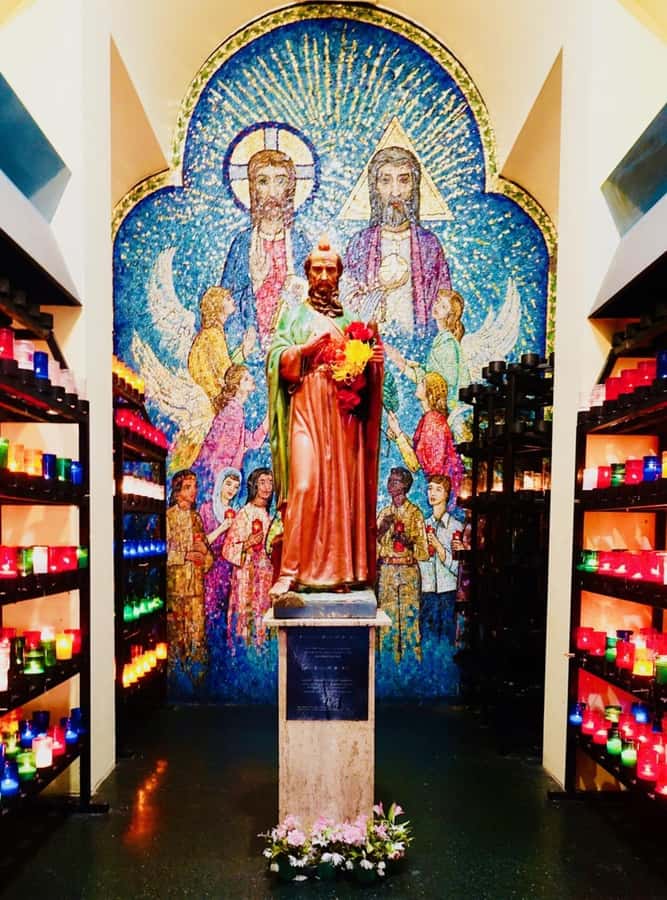
As you continue through Treme, you’ll learn how the neighborhood shaped Creole and African-American life and why it became a center for community identity. The tour includes sites linked to the HBO series Treme, which can help you place what you’ve seen on screen into real street geography.
The route also includes Our Lady of Guadalupe Church. That stop reinforces how faith, neighborhood identity, and cultural memory stay tied together here.
There’s an optional add-on: the Backstreet Cultural Museum, dedicated to preserving Mardi Gras Indian and Second Line culture. Admission isn’t included, so this part depends on your interests and your energy level. If you’re the type who wants more hands-on context after the walking portion, this museum can be a strong follow-up.
My take on the optional museum: it’s a good match for people who want culture that’s explained in artifacts, photos, and guided displays. If you prefer to keep moving and avoid extra cost, you can skip it and still leave with plenty of story from the walk.
Price and pacing: is $30 a good deal for this tour?
This is a $30, 2-hour walking tour. For that price, you’re buying an organized interpretation across three major themes: Storyville, Voodoo, and Treme. The cost feels fair because you’re not just walking between landmarks—you’re getting explanations at each specific stop, including links to named figures and events (Marie Laveau, Jelly Roll Morton, the War of the Pews, and the Police Chief Hennessy assassination story).
The biggest value driver is time. A two-hour walk is often the sweet spot for travelers who want a meaningful overview without burning an entire day.
The biggest drawback driver is effort. It’s still walking. If your knees or feet aren’t great, you may feel the pace more than you expect.
And one real-world caution: there’s at least one reported case of a guide not showing up and not cancelling in advance. That’s not something you can predict, but it’s a good reason to keep your expectations flexible and bring backup plans for the day.
Who should book this tour (and who might skip it)
I’d recommend this tour if you want New Orleans history with real storytelling and specific place-based context. It’s especially well-suited for:
- People who care about how early jazz connects to Storyville
- Anyone curious about Voodoo beyond Halloween vibes
- Travelers who enjoy neighborhoods like Treme because they feel human, not staged
- Museum lovers who might add Backstreet Cultural Museum afterward
You might choose differently if:
- You want a light, purely entertainment-focused tour
- You dislike heavy conflict stories (the War of the Pews and the 1891 vendetta)
- You need a minimal-walking experience
Should you book the Voodoo, Storyville, and Treme walking tour?
I’d book it if your goal is a focused, meaningful walk that connects major New Orleans themes to the actual streets where they happened. The stops are concrete—Backatown Coffee for Storyville’s site, Congo Square and Louis Armstrong Park for community culture, and church and cemetery-linked locations for deeper conflict and memory. The $30 price is reasonable for the interpretation you get in a short window.
I’d pause only if walking time is a problem for you or if you’d rather avoid dark historical episodes. And because scheduling issues do occasionally happen in the real world, you’ll feel better if you take screenshots of your booking details and keep a calm backup plan for that day.
FAQ
How long is the New Orleans Voodoo, Storyville, and Treme walking tour?
The tour lasts 2 hours.
What does the tour include?
It includes a live English-speaking guide, a walking tour, visits to the former Iberville Housing Project, Congo Square / Louis Armstrong Park, the site of Marie Laveau’s home, and a brief description of St. Louis Cemetery upon request. It also includes other named stops tied to the themes of the tour.
Is food or drinks included?
No. Food and drinks are not included.
Do I need to pay for the optional Backstreet Cultural Museum?
Yes. Admission to the Backstreet Cultural Museum is optional and not included.
Is transportation to and from the activity included?
No. Transportation to/from the activity is not included.
What should I wear or bring?
Wear comfortable walking shoes. Check the weather and dress appropriately, since the tour involves a significant amount of walking. For church-related stops, be prepared to act respectfully and dress appropriately.
Can I cancel if my plans change?
Yes. Free cancellation is available up to 24 hours in advance for a full refund.