REVIEW · NEW ORLEANS
New Orleans’ Garden District 2 Hour Walking Tour (Small Group)
Book on Viator →Operated by Tours by Foot New Orleans · Bookable on Viator
New Orleans changes fast once you hit the Garden District. In just two hours, you get Italianate architecture street by street, plus stories tied to film and authors that most self-guided walks miss. I like how the tour keeps things moving and practical, and I especially appreciate the energy people talk about—guides like Sarah are funny, personable, and not stuck in a scripted lecture.
One thing to plan for: Lafayette Cemetery No. 1 is currently closed, so you’ll hear the major context from the gates rather than tour inside. Also, this is a walking tour that depends on good weather, so if conditions are rough, you’ll want a backup plan.
In This Review
- Key points before you go
- Garden District in two hours: what you’re really buying
- How the architecture talk stays practical (not just pretty)
- Lafayette Cemetery No. 1: you learn the meaning from the gates
- The Rink at 1884: roller skating history in full view
- Women’s Guild of the New Orleans Opera: where design meets filming
- Louise S. McGehee School: Second Empire and a real institutional footprint
- The Garden District stop: spotting the clues across 10+ homes
- Brevard–Clapp House and Anne Rice: literature turns streets into story
- Commander’s Palace wrap-up: Creole and Cajun cuisine through famous chefs
- Price and value: $39 for two hours that actually earns its keep
- Who this walk is for (and who should pick something else)
- Should you book this 2-hour Garden District walk?
Key points before you go

Small group size (max 20) keeps the pace conversational and helps you hear every detail.
Free stop access with a guide-led route means you’re not juggling tickets for each location.
Cemetery story from Lafayette No. 1 gates still gives you the why behind this most-filmed stop.
Film, food, and literature stops connect the dots from Anne Rice to Louisiana cuisine.
End point at Commander’s Palace makes it easy to continue the day with a major dining landmark.
Guides bring light local gossip along with the history, which is part of why it feels alive.
Garden District in two hours: what you’re really buying
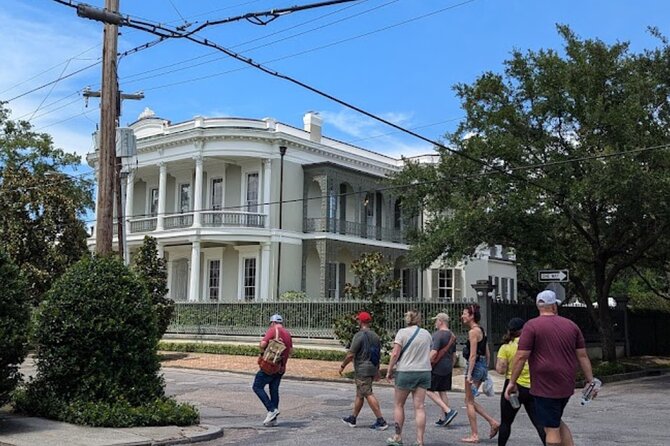
For $39, you’re not paying for a long sightseeing day—you’re paying for time management plus context. This walk is about 2 hours on foot, and the group stays under 20 people, which matters in a neighborhood where the streets can feel like a set of quiet corridors. You’ll start at Prytania Street & Washington Avenue (Prytania St & Washington Ave) and finish at Commander’s Palace at 1403 Washington Ave.
That ending spot is more than a flourish. It gives the tour a clean “wrap” at a famous New Orleans dining address, where the guide can pivot from architecture and authors to the way food history shaped modern Creole and Cajun identity. If you’re trying to see a lot without spending the whole afternoon, this format fits.
The tour also uses a mobile ticket, so you’re not looking for paperwork once you arrive. And because the route is all about walking between landmarks, you’ll get the best value by showing up ready to move.
You can also read our reviews of more walking tours in New Orleans



How the architecture talk stays practical (not just pretty)
The Garden District is famous for big houses and pretty details, but this tour is smart about what you’re meant to notice. You’ll focus on Italianate architecture and the visual clues that signal time period and style. Expect talk about things like ornate brackets, grand porches, and ironwork—those aren’t random decorations. They’re design language: a way to read wealth, craftsmanship, and neighborhood evolution just by looking at the fronts of homes.
What I like about this approach is that it turns “I’m seeing houses” into “I’m learning how to see houses.” Once you understand what the guide is pointing out, you can continue afterward on your own and still recognize the features you were taught. That’s the real payoff of a short guided walk: it gives you a working lens.
There’s also a social and historical layer. The route isn’t just about how the buildings look; it covers how this part of New Orleans developed and what makes it still distinct. That combination—form plus story—is what keeps the tour from feeling like an architecture slideshow.
Lafayette Cemetery No. 1: you learn the meaning from the gates
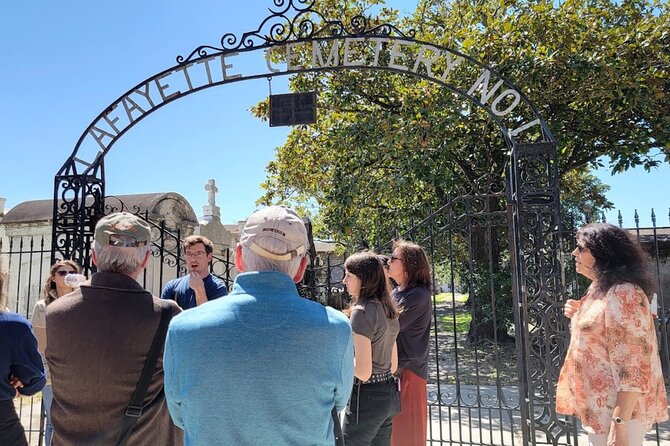
Your first stop is Lafayette Cemetery No. 1. The key detail: it’s currently closed for maintenance, so you’ll cover it from the gates rather than walking inside. Even then, it’s an important introduction because this cemetery is described as the most filmed cemetery in New Orleans.
So you’re not only learning about who is buried there. You’re learning why it shows up again and again in movies and photos—because the visual language of these cemeteries is instantly recognizable. The guide’s job here is to give you the cultural significance, so the cemetery doesn’t feel like a tourist backdrop.
Practical note: because this is a “gates discussion” stop, don’t expect a full on-site tour experience. If you’re the type who needs to see everything from inside, you’ll want to know ahead of time that this stop is restricted right now.
The Rink at 1884: roller skating history in full view
A short move after the cemetery brings you to The Rink, built in 1884 and once described as the largest roller skating rink in the world. This is one of those stops that makes the Garden District feel human and surprising.
You might walk past the idea of “Old New Orleans” as only mansions and mourning. But this kind of landmark reminds you that neighborhoods also held everyday entertainment. The tour uses small time blocks here—just a few minutes—so the goal is to spark your curiosity and give you enough context to recognize what you’re looking at.
If you like your history practical—what people actually did, where they gathered—this is a good moment to get that flavor.
Women’s Guild of the New Orleans Opera: where design meets filming
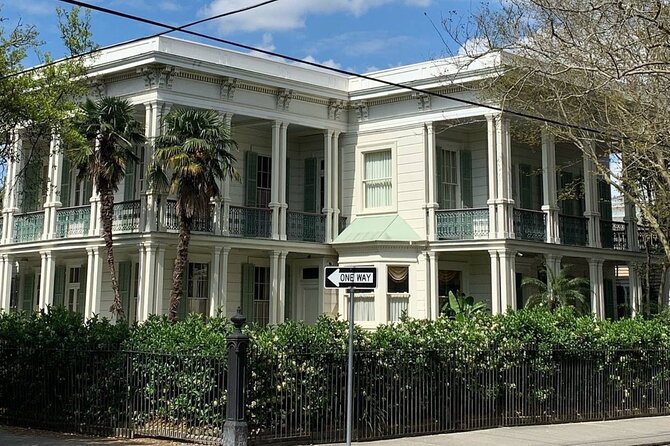
Next up is the Women’s Guild of the New Orleans Opera. The guide focuses on architectural ideas, and also on the filming that occurred here. This is another “quick stop, big context” moment.
You’ll get two threads at once:
- how the building sits in the Garden District style conversation
- why this location matters beyond its original purpose, because it appears in screen stories
This works well for people who enjoy New Orleans as a place you’ve already seen on TV or in movies. Even if you don’t recognize the building immediately, you leave with a map in your head: architecture isn’t separate from popular culture.
You can also read our reviews of more tours and experiences in New Orleans





Louise S. McGehee School: Second Empire and a real institutional footprint
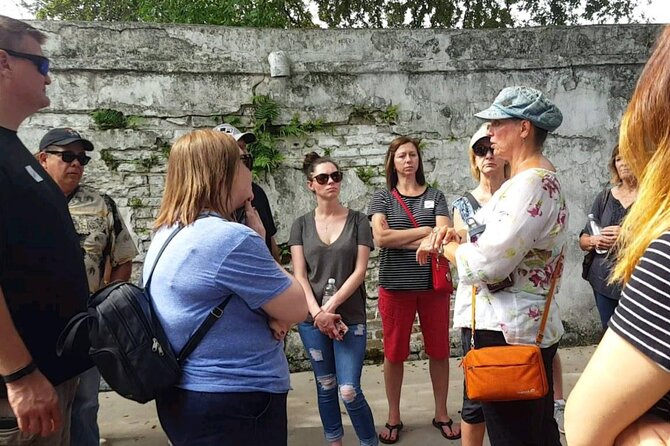
The tour then points out Louise S. McGehee School, highlighting it as a Second Empire home and noting that it’s part of a historic school property. Again, the time at each stop is short, but the details connect.
Why this matters: Second Empire style is identifiable in the way it looks, and if the guide gives you the right cues, you’ll start seeing style patterns without needing a “tour cheat sheet.” You’ll also learn how institutions fit into the neighborhood’s story, not just private residences.
It’s a good stop for travelers who want the Garden District to feel like a lived-in place, not a museum district.
The Garden District stop: spotting the clues across 10+ homes
This is the “core” part of the walk. You’ll stop at over 10 homes and spend about 30 minutes talking architecture and historical elements. This is where your brain gets trained.
The tour emphasizes features that make the neighborhood recognizable: ornamental details, the way porches and brackets contribute to the home’s presence, and the ironwork style you’ll see again and again. You’ll also hear how the neighborhood developed and why it remains unique today.
If you’re tempted to think “I’ll just look at the houses,” this is the section that prevents you from missing the point. You’re not there to admire from a distance. You’re learning what to look for, so the architecture becomes readable.
A small caution: since you’ll be pausing often to look and listen, this section is better if you’re comfortable standing on sidewalks and staying aware of street traffic. The tour duration is short, but the neighborhood is built for walking, not for racing.
Brevard–Clapp House and Anne Rice: literature turns streets into story
Another highlight for many people is the Brevard–Clapp House, tied to Anne Rice’s Witching Hour novels. Here the guide connects the building to her writing career and how she added to the mystique of New Orleans.
This stop is great if you’re a fan of the books or just like New Orleans as a city of atmospheres. A house associated with a famous author can make the neighborhood feel more layered: you’re not only seeing where people lived—you’re standing near the kind of setting that helps stories feel believable.
Even if you’re not deep into Rice’s bibliography, you’ll still get value because the guide explains how her popularity and storytelling helped shape how people imagine New Orleans.
Commander’s Palace wrap-up: Creole and Cajun cuisine through famous chefs
The walk ends at Commander’s Palace, a famous Brennan’s restaurant address. But this stop isn’t about ordering lunch on the spot. It’s about how food history developed—specifically the growth of Creole and Cajun cuisine—through famous chefs like Paul Prudhomme and Emeril Lagasse.
The guide also shares info to help you decide the best time to visit and how to make reservations, which is practical if you’re trying to turn this walk into a full afternoon.
Why I like this finale: it prevents the tour from feeling like a one-topic experience. The Garden District is architecture-heavy, but the identity of New Orleans isn’t only buildings. Food is part of the story, and the tour uses this ending point to connect culture to everyday life.
Price and value: $39 for two hours that actually earns its keep
At $39 per person for a 2-hour small-group walk, the value depends on what you want most:
- If you want a quick overview with context, this price is fair because it buys you professional commentary and a guided route across major neighborhood stops.
- If you love architecture, you’re paying for interpretation—help understanding style and details—rather than just observing from the curb.
- If you’re a fan of Anne Rice, the added literary connection gives the walk extra meaning beyond “pretty streets.”
The best part is that the tour is designed for concentration. You’re not paying to wander aimlessly and hope you’ll get interesting facts. You’re paying for a guide-led sequence with story payoffs at multiple points—cemetery, entertainment history, filming connections, and food history.
Who this walk is for (and who should pick something else)
This tour fits best if you’re:
- into history and architecture
- interested in culture links like film locations and Anne Rice
- the type who likes your sightseeing with a guide’s explanations and a bit of local character
It may feel less perfect if:
- you’re hoping for an inside look at Lafayette Cemetery No. 1 right now (it’s closed for maintenance and discussed at the gates)
- you dislike walking when weather isn’t great, since good conditions are required
Also, if you want a deeper, slow-paced neighborhood exploration that gives you time to sit, read, and linger, you might consider pairing this with additional independent time after the tour ends near Commander’s Palace.
Should you book this 2-hour Garden District walk?
Yes—if you want a tight, small-group way to understand the Garden District’s look and stories. For $39, you’re getting a professional guide’s commentary plus multiple “story stops” that link architecture to film, literature, and Louisiana food culture. The standout benefit, based on what people highlight, is the guide style: lively, not scripted, and packed with facts and harmless local gossip—exactly the mix that keeps a short tour from feeling flat.
Book it if you’re visiting for the first time and you want your bearings fast. Skip it if your top priority is a full cemetery interior visit or if you’d rather do a fully independent walk with no guided structure.