REVIEW · NEW ORLEANS
Sip History in the Crescent City Cocktail Making Class
Book on Viator →Operated by Tommy Alchemy · Bookable on Viator
Want cocktails with a backstory?
This interactive class in a New Orleans speakeasy pairs cocktail history with real hands-on mixing, hosted by Tommy Alchemy. You’ll watch cocktail-making demos, then get your turn to shake, stir, and sip while the liquor-loving lore of the Crescent City comes to life.
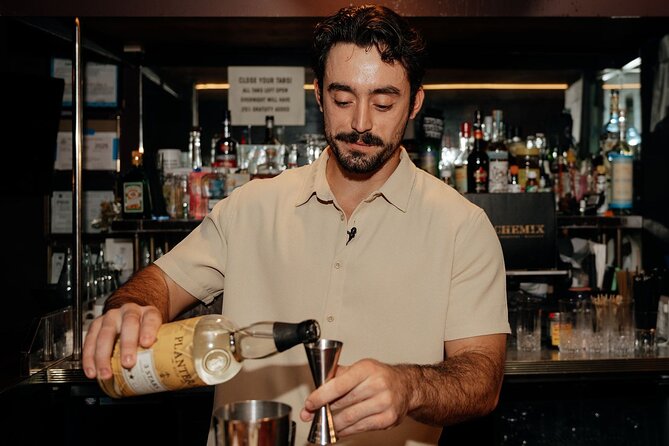
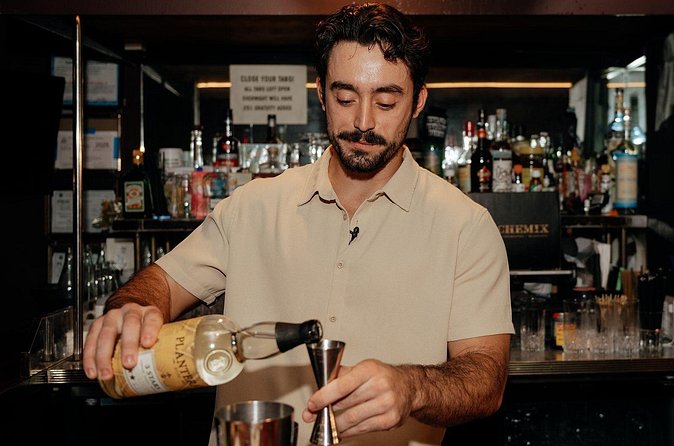
What I love is the mix of hands-on learning and actual drinking: you’ll enjoy three craft cocktails plus bar snacks during the session. I also like that the class doesn’t stop at watching—you step behind the bar, use professional tools, and build a drink using the techniques you just learned.
One thing to consider: the speakeasy vibe can make the meeting point feel a little tricky in the moment. If you hate hunting for doors at night, give yourself a small buffer when you head to 2401 St Claude Ave.
In This Review
- Quick Hits
- Why New Orleans Cocktails Come With Better Stories
- Inside the Speakeasy: Small Group Energy and 2-Hour Flow
- Your Sip Menu: Three Craft Cocktails and Bar Snacks
- Tommy Alchemy’s Cocktail History Lessons That Actually Stick
- Behind the Bar: Professional Tools and Making Your Own Cocktail
- Price and Value: Is $67 Worth It?
- Meeting Point Reality: How to Plan Around St Claude Ave
- Who Should Book This Cocktail Class (and Who Might Skip It)
- Should You Book Sip History in the Crescent City?
- FAQ
- How long is the cocktail making class?
- What’s included with the ticket?
- Where does the class start?
- Is there a group size limit?
- Do I get a mobile ticket?
- When do I get confirmation?
- Is there free cancellation?
- Are service animals allowed?
Quick Hits
- Max 18 people keeps the experience interactive, not like a lecture in the corner
- Three craft cocktails plus bar snacks means you’re not just learning, you’re tasting
- Speakeasy setting gives you that cozy, after-hours New Orleans feel
- Tommy Alchemy teaches step-by-step and ties technique to cocktail origins
- Behind-the-bar time lets you mix your own drink using professional tools
- Mobile ticket makes check-in easier on a busy night out
Why New Orleans Cocktails Come With Better Stories
New Orleans has a special relationship with drinks. It’s not just about alcohol; it’s about craft, routine, and culture—how people gather, celebrate, and mark the evening with something mixed with care.
This class leans into that idea. You’re not studying cocktails from a distance. Instead, you’re learning why certain drinks became iconic in the city, and how the methods behind them shaped what shows up in bars today. That makes the history useful, not academic.
The format matters. You’ll hear stories while you’re eating and sipping, so the facts stick because your mouth and hands are busy. I find that’s the best way to learn: technique first, context second, and a drink in the middle to keep you engaged.
And because it’s hosted by Tommy Alchemy, the emphasis stays practical. The goal isn’t to sound fancy. It’s to make you comfortable with the tools and the process so you can confidently recreate what you like later.
You can also read our reviews of more city tours in New Orleans


Inside the Speakeasy: Small Group Energy and 2-Hour Flow
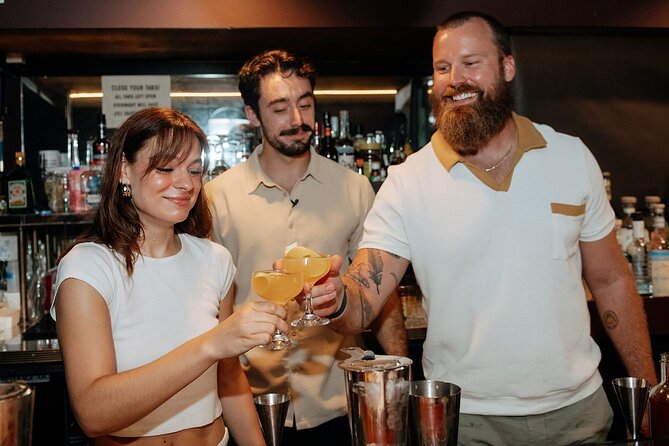
The class runs about 2 hours, which is a sweet spot for a night on Bourbon-era time without eating your whole evening. You’ll start and finish back at the meeting point, so you can plan dinner and any follow-up bar visits nearby.
Group size is capped at 18, and that’s a big deal. When a class is small, you get more real interaction—questions answered without a long wait, and time to actually practice rather than just get photos and passively watch.
The setting is described as an intimate speakeasy, and the mood is part of the point. You’re there to focus on the craft. That sort of quiet attention helps you pick up details like the timing of mixing, the reason for certain steps, and what changes when you use the right tool.
Also: you’ll have a mobile ticket and confirmation at booking. That’s one less thing to juggle when you’re figuring out transportation and dinner logistics in a city with lively streets and late-night detours.
Your Sip Menu: Three Craft Cocktails and Bar Snacks
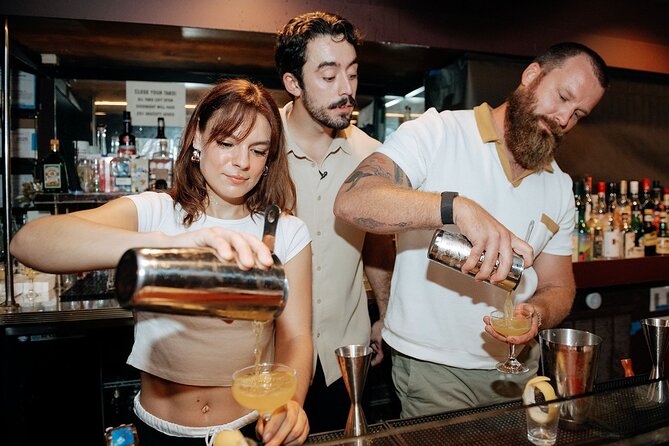
You’re not leaving this class hungry. You’ll enjoy three craft cocktails along with bar snacks, which means the “learning” part comes with a payoff you can taste.
That matters for two reasons:
First, it turns technique into something you can recognize. When you’re sipping while the bartender explains what’s going on, you start noticing balance—sweet vs. tart, spirit strength vs. dilution, and how different ingredients play together.
Second, it makes the experience feel like value. At $67 per person, you’re paying for instruction and the drinks bundled into one session. If you were to recreate this on your own, you’d spend time, money, and effort just sourcing ingredients and tools—plus you wouldn’t get the structured guidance on how to combine them.
The drinks are framed as classic cocktails, with iconic options your host explains as you go. That gives you a solid foundation. You’ll learn what makes them what they are, not just how to copy a recipe blindly.
And if you enjoy the small-batch side of New Orleans cocktail culture, pay attention to what you like during the tasting. You’ll get your chance later to make a drink using the tips you pick up in the earlier portion of the class.
Tommy Alchemy’s Cocktail History Lessons That Actually Stick
History in a cocktail class can go one of two ways: either it’s a dry timeline, or it connects to the glass in front of you. This class leans hard toward the second.
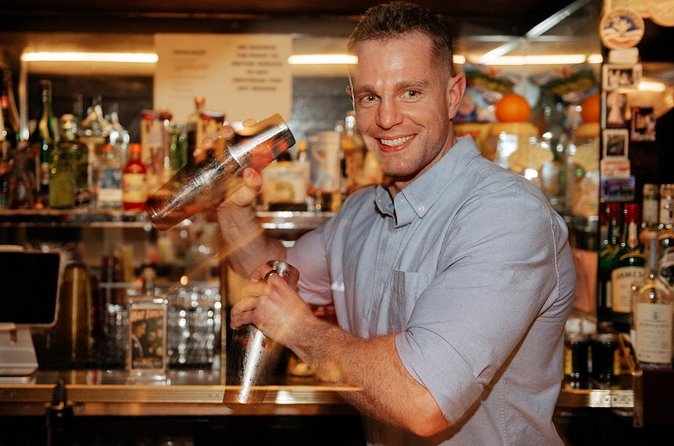
Tommy Alchemy is your mixologist host, and the teaching style that shows up again and again is simple: explain the origins and the reasons behind classic drinks, then pair the story with the method. That keeps you from forgetting the lesson as soon as the tasting ends.
What you gain is context for why New Orleans cocktails developed the way they did. The city’s reputation for drinking culture isn’t random, and the class helps you understand that. You’ll learn the background behind the favorites you’ll see around town, including what bartenders prioritized over time: flavor balance, presentation, and repeatable technique.
The best part is the pacing. You’ll watch cocktail-making demonstrations before you go hands-on. That gives you a model to copy. Then your own mixing becomes less guesswork and more guided practice.
From the vibe people describe, Tommy also brings humor and personality without turning it into a gimmick. The goal is that you walk out feeling informed and comfortable—whether you’re a cocktail enthusiast or someone who usually orders one safe drink and calls it a night.
Behind the Bar: Professional Tools and Making Your Own Cocktail
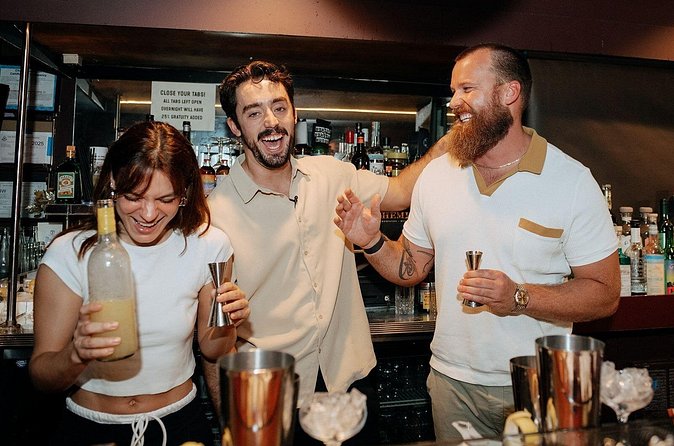
This is where the class turns from a good night out into a skill-building experience.
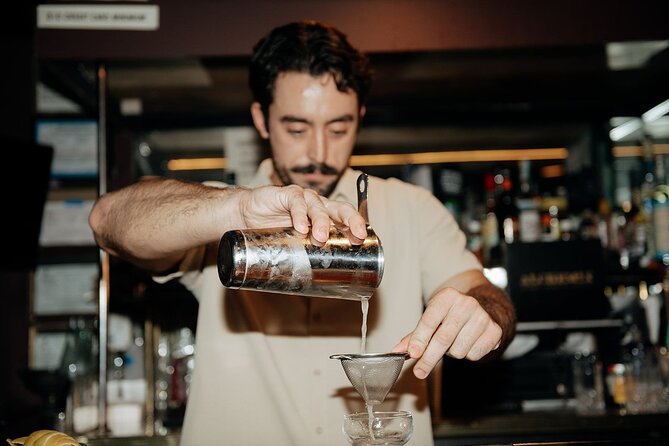
After watching the demos, you step behind the bar. You use professional tools, and you apply the tricks of the trade you just learned. That’s a big deal because cocktail making is mostly about process: getting proportions right, using the right technique, and understanding how ingredients change with mixing.
You’ll also learn by doing, not just by reading a recipe on your phone. When you actually shake or stir, you start to feel the difference between approaches. You get instant feedback in the taste.
A detail that comes up often: people love the impact of the simple syrups used in the drinks. That’s not surprising. Syrups are where sweetness gets refined, and good syrup work can make a drink feel “finished” instead of one-note. If you find yourself craving the flavor you tasted, you may have an option to purchase the syrups your host uses.
Even if you only plan to make cocktails occasionally, behind-the-bar practice helps you remember what matters. You’ll leave with better instincts: how to judge balance, what to adjust next time, and how to recreate classics without feeling lost.
You can also read our reviews of more historical tours in New Orleans

Price and Value: Is $67 Worth It?
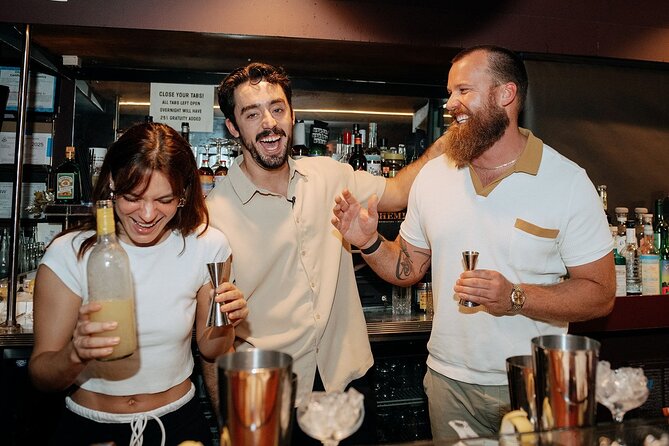
At $67 per person for about 2 hours, the value comes from what’s bundled together: instruction, snacks, and three craft cocktails, plus time actually making a drink with professional tools.
Here’s the practical way to think about it:
- If you’re someone who enjoys ordering multiple cocktails anyway, this class gives you that tasting experience while adding technique you can use later.
- If you’re brand-new to cocktail culture, the structure keeps you from feeling awkward. You’re learning in a guided setup with demonstrations first.
- If you’re already into mixology, the behind-the-bar portion gives you something more than a basic tasting. You’ll be mixing, not just sampling.
The class is also capped at 18 people, which tends to improve the attention you get. In many bar settings, the difference between a fun night and a frustrating one is whether you can get questions answered and whether the host has time for interaction. Smaller group size helps.
So for me, the question isn’t just what it costs. It’s what you get: three drinks plus a lesson plus making a cocktail yourself. That’s a lot for a single, contained evening.
Meeting Point Reality: How to Plan Around St Claude Ave
You meet at 2401 St Claude Ave, New Orleans, LA 70117, and the class ends back at the same meeting point. That round-trip structure is helpful when you’re planning dinner first, then switching to an activity.
Two practical notes:
First, if you’re arriving late or lost, it throws off the class rhythm. The speakeasy setting can make the entrance feel less obvious than a typical bar. Build in a little buffer so you’re not sprinting around trying to find the right door.
Second, this activity is described as near public transportation. That’s good news if you want to avoid parking stress. If you’re using a rideshare, plan to get to the area a bit before the start time so you can take a breath and locate the right spot.
Also, this is limited to a maximum of 18, so you’re not fighting crowds for space. You can focus on the experience rather than the logistics stampede.
Who Should Book This Cocktail Class (and Who Might Skip It)
This class fits best if you want a fun New Orleans night that also teaches you something you can use.
Book it if:
- You like drinking cocktails but want to understand what you’re tasting
- You enjoy interactive experiences more than passive tours
- You want an intimate setting with an expert host leading the evening
- You’re traveling with a mix of cocktail novices and fans
It might be less ideal if:
- You only want a casual drink with no interest in learning technique
- You dislike speakeasy-style entrances or anything that involves a bit of searching
- You’re short on time and need a very quick stop (this one is about 2 hours)
One more perk: this sort of class works well for special occasions too, since the experience feels curated and hands-on without being overly formal. If you’re celebrating, it’s a way to do something memorable that isn’t just dinner and a photo.
Should You Book Sip History in the Crescent City?
Yes, if you want an evening that mixes New Orleans cocktail culture, hands-on mixing, and three craft drinks in a small-group speakeasy setting. This is the kind of activity that can upgrade your whole trip because you’ll walk away knowing how classics are built, not just what they taste like.
If you’re on the fence, here’s my simple decision rule: if you’re planning to order more than one cocktail anyway, the class is often a smarter way to spend that night. You get the drinks, and you gain the method—so it’s more than consumption, it’s practice.
FAQ
How long is the cocktail making class?
The class lasts about 2 hours.
What’s included with the ticket?
You get three craft cocktails, bar snacks, cocktail history explanations, and time behind the bar to create your own cocktail using professional tools.
Where does the class start?
It starts at 2401 St Claude Ave, New Orleans, LA 70117, USA.
Is there a group size limit?
Yes. The maximum group size is 18 travelers.
Do I get a mobile ticket?
Yes, the tour includes a mobile ticket.
When do I get confirmation?
Confirmation is received at the time of booking.
Is there free cancellation?
Yes. You can cancel up to 24 hours in advance for a full refund.
Are service animals allowed?
Yes, service animals are allowed.