REVIEW · NEW ORLEANS
New Orleans: Voodoo History Guided Walking Tour
Book on GetYourGuide →Operated by Hottest Hell Tours · Bookable on GetYourGuide
Voodoo in New Orleans is rarely told right. This 2-hour walking tour takes you past the clichés and into the real people, places, and beliefs behind what we now call New Orleans voodoo, starting near Marie Laveau lore on Basin Street.
You get a guided story that’s part sacred geography, part history lesson, and part myth-busting, without turning it into jump-scare entertainment.
I especially like how the tour lays out the differences between Haitian Voodoo, New Orleans Voodoo, Santeria, and Hoodoo before you even hit the streets. And you’ll also walk through standout stops like Congo Square, the former home tied to Laveau, and key storytelling streets where the guide connects love stories, healings, and even zombie lore to what people were actually dealing with.
A useful detail from real guide experiences: Doug is often singled out for being fun while staying grounded in researched, history-first storytelling and keeping things away from a spooky ghost-tale vibe.
One thing to consider: the subject matter isn’t just mystical fun. Expect talk that can include serious topics like racial violence and propaganda, so this is best for open-minded people who are okay with darker context in exchange for clarity—and comfortable shoes for a solid city walk over 2 hours.
In This Review
- Key highlights worth planning for
- Starting on Basin Street: Marie Laveau lore and the myth reset
- Congo Square: where sacred practice met public space
- The former home of Marie Laveau: legend tied to everyday life
- Dauphine Street truth work: dolls, zombies, healing, and propaganda
- Sanite Dede: the name that explains how it took hold
- Two hours, $37, and what you’re actually buying
- Who this tour fits best (and who might prefer something else)
- Should you book this New Orleans voodoo history walking tour?
- FAQ
- How long is the New Orleans Voodoo History guided walking tour?
- What does the tour cost?
- Where do I meet the guide?
- Is the tour wheelchair accessible?
- What language is the tour guide?
- What are the main places you visit?
- Does the tour explain what voodoo means across different traditions?
- Are voodoo dolls, zombies, and medicine covered?
- What should I bring?
- Is free cancellation available?
- Is there an option to pay later?
Key highlights worth planning for
- Basin Street warm-up that separates Haitian Voodoo, New Orleans Voodoo, Santeria, and Hoodoo before myths take over your brain
- Congo Square as the anchor stop for sacred, public ritual in the story of Laveau and the wider Afro-Caribbean mix
- Marie Laveau’s former home stop that turns legend into a sense of daily life and practice
- Dauphine Street myth-truth training on voodoo dolls, zombie lore, and Afro-Caribbean medicine
- Sanite Dede credited as an early force behind voodoo’s popularity and the political pushback it triggered
Starting on Basin Street: Marie Laveau lore and the myth reset
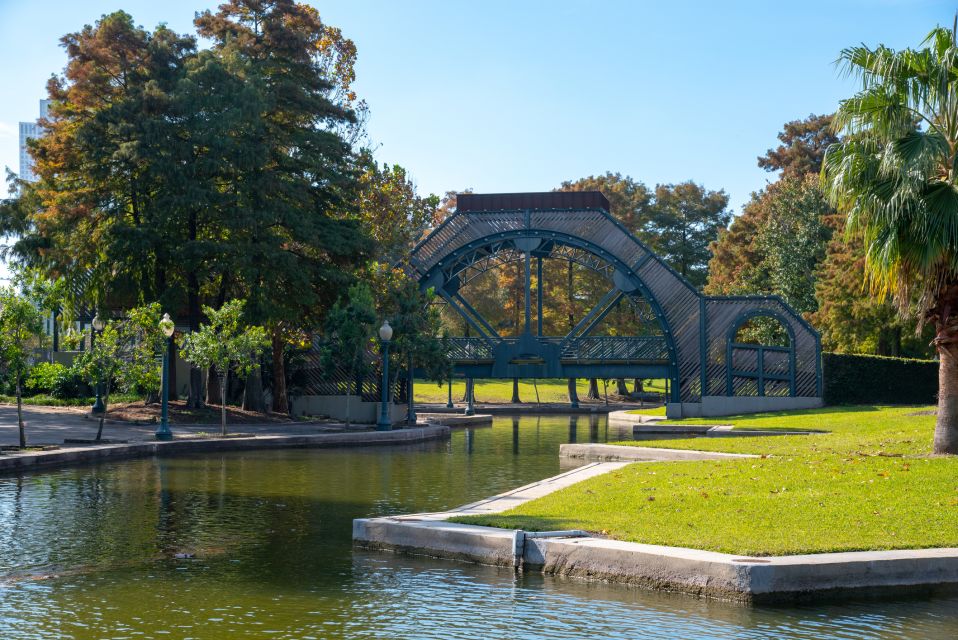
Your tour meets on the St. Louis side of the Basin Street Station Visitors’ Center area, and you meet outside the building, not inside. From the start, you’re positioned in the exact zone where Marie Laveau’s legend is loudest and easiest to misunderstand.
Before you walk anywhere major, you get a short but important framework. You’re taught the difference between Haitian Voodoo, New Orleans Voodoo, Santeria, and Hoodoo, which matters because “voodoo” in pop culture usually smashes several traditions into one spooky bucket.
This tour also takes on the big historical problem: religion gets labeled, distorted, and weaponized. You’ll hear how Christians and colonizers in Louisiana pushed a demonizing narrative, and why that background explains so much of the misinformation you’ll encounter elsewhere.
If you’ve only got a day (or just a couple hours) in New Orleans, this opener helps you sort fact from sensationalism fast. It also sets the tone that the goal is understanding, not theatrics.
You can also read our reviews of more walking tours in New Orleans

Congo Square: where sacred practice met public space
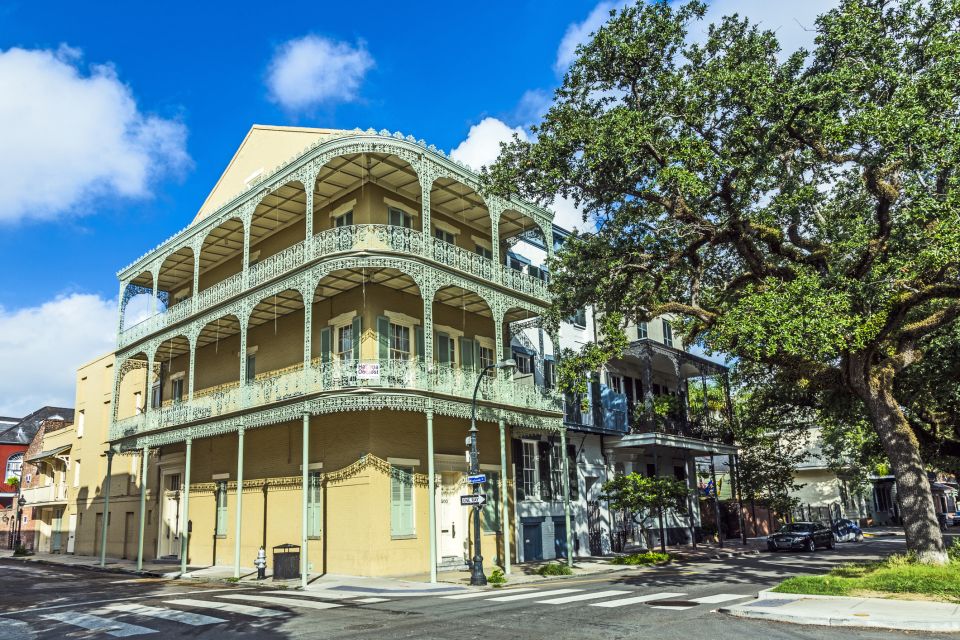
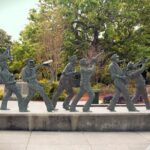
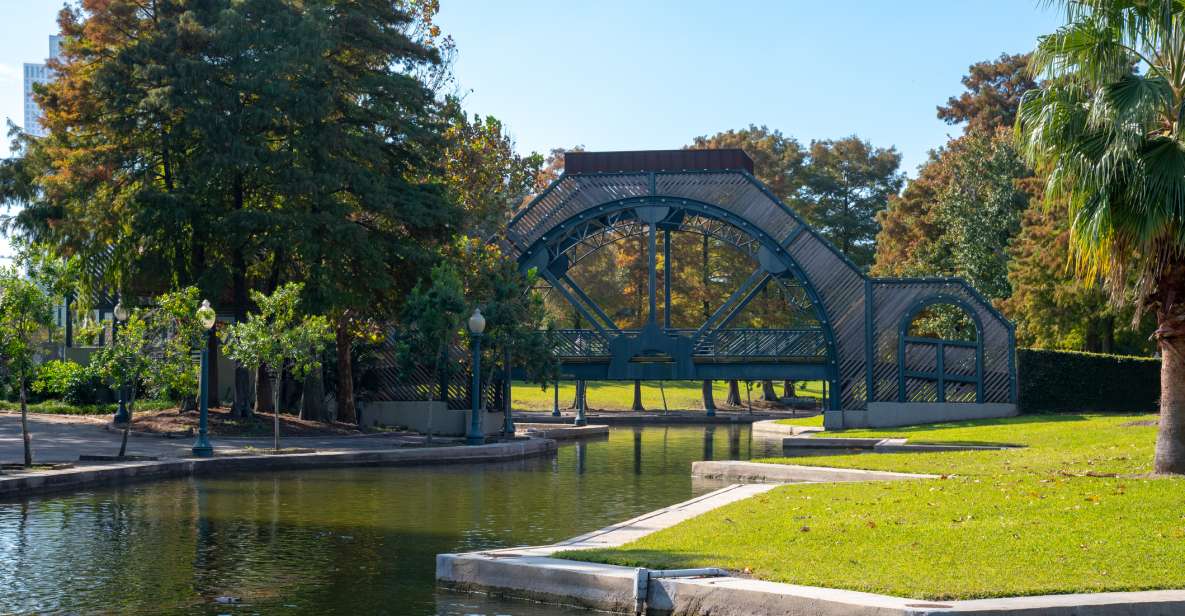
Next up is Congo Square, a site that’s central to the New Orleans voodoo story. The tour frames it as sacred grounds tied to ceremony and ritual—meaning this isn’t treated like a spooky roadside stop. It’s treated like a place where people expressed faith, community ties, and ancestry.
You’ll hear how Congo Square connects to Queen Marie Laveau and the kind of rituals she was associated with. Even if you already know the name, the tour helps you understand what makes this location more than a legend backdrop.
Why this stop is valuable: it teaches you to read the city spatially. In other words, you start noticing how religious life and community life were shaped by where people could gather, who controlled public space, and what authorities tried to forbid.
When you’re standing there, you also get a sense of why outsiders found voodoo fascinating. The guide puts the spotlight on the cultural mix that shaped the “stateside” version people talk about today.
Practical tip: wear shoes that can handle uneven sidewalk and stand still for a few minutes while you take in the area. A good photo angle is less about fancy landmarks and more about finding a clear line of sight on the square.
The former home of Marie Laveau: legend tied to everyday life
After Congo Square, you’ll head to Laveau-linked territory by way of the stories attached to her old home. This is one of the tour’s biggest shifts: it moves from public ritual spaces to the question of how belief lived in daily life.
You’ll hear that she raised her children by day and practiced spiritual workings at night, and yes, the guide brings up vivid legend details—like the story of a snake around her neck during those night workings. Even if you don’t treat every element literally, the point is clear: the tour wants you to understand how the community imagined and described spiritual practice in a human setting.
This stop also helps you grasp why New Orleans legends stick so hard. The city has always been a place where oral storytelling, faith, and survival history blend together, and you’ll see that blend directly in how Laveau’s story is presented here.
A fair consideration: the information you get is guided by tradition and historical interpretation, not a museum placard tone. If you only want plain facts with no storytelling flavor, this may feel a bit more narrative than you expect.
Still, as a first pass through the subject, it’s a strong way to stop thinking of voodoo as one single image. You start seeing it as a lived, contested, and socially embedded religion.
Dauphine Street truth work: dolls, zombies, healing, and propaganda
The tour then shifts to Dauphine Street, one of the key lanes for the city’s “haunted” storytelling reputation. Here, the guide tackles the stuff that tends to get repeated in sensational ways: voodoo dolls, zombie lore, and the myths that grew around them.
You’ll also hear the tour connect zombie stories with wider cultural fears and even pandemic-era context. The goal isn’t to turn you into a folklorist overnight—it’s to show how fear spreads, and how rumors attach themselves to real people and real historical conditions.
One of the more practical pieces: the guide talks about Afro-Caribbean medicine and traditional approaches. You’ll hear how those practices were often described as more effective than Western medicine, and why that comparison shows up so often in colonial-era and early modern contexts.
This stop is also where the tour leans into the uncomfortable edges of the story. You’ll hear about secret love affairs, documented miracles, radical healings, and spirit-summoning traditions. The same path includes shocking racial crimes and propaganda, along with the broader context of the abolition movement’s early beginnings.
That mixture can feel intense, but it’s also why this tour is worth your time. It treats voodoo as part of a larger historical system: slavery, community networks, repression, and the refusal to let cultural identity be erased.
If you’re hoping for a light, supernatural stroll, this won’t match that. If you want to understand why these stories exist and why they’re distorted, this is the heart of the walk.
Sanite Dede: the name that explains how it took hold
Toward the later part of the tour, you’ll meet the story of Sanite Dede—described as a woman who paved the way for Marie Laveau. The guide frames her as a key early influence in making the practices popular enough that authorities pushed back hard.
You’ll hear that voodoo became so prominent it was even banned from the French Quarter entirely. That detail matters because it shows the religion wasn’t treated as a harmless curiosity. It was treated as a threat to social control.
Sanite Dede also adds depth to the Marie Laveau focus. Instead of turning everything into one famous queen, the tour widens the lens to show how influence travels through communities, teachings, and practice over time.
This portion works best if you like cause-and-effect history. The guide basically helps you ask: why did certain beliefs spread here, why did they scare outsiders, and why did those outsiders respond with prohibition and propaganda?
You’ll leave with a clearer idea that this wasn’t a Hollywood mystery. It was a living faith system shaped by real power struggles.
You can also read our reviews of more guided tours in New Orleans





Two hours, $37, and what you’re actually buying
The price is $37 per person for a 2-hour guided walking tour. On paper, that’s not a huge time commitment, but it’s enough time for the guide to do more than point out a few spooky stops.
What you’re buying is structure: the guide connects the major locations—Basin Street, Congo Square, Laveau’s home-linked story points, and Dauphine Street—into one coherent explanation. The tour also includes a foundational lesson on differences between related traditions, which is where many other voodoo tours fail your brain.
You also get a live guide in English, and the operator is licensed, insured, and bonded. For a topic that’s easy to sensationalize, that kind of basic professionalism matters.
Is it value for everyone? It’s best value if you’re a first-timer who wants clarity fast. If you already know a lot and want advanced academic sourcing, the tour may feel like an excellent orientation rather than a deep scholarly seminar.
Still, the price-to-time ratio is solid because you’re using the city’s best “story landmarks” instead of hunting on your own for a coherent narrative.
Who this tour fits best (and who might prefer something else)
I think this tour fits best if you fall into one of these groups:
- You’re in New Orleans for a short trip and want voodoo explained without the Hollywood baggage
- You want to learn the difference between Haitian Voodoo, New Orleans Voodoo, Santeria, and Hoodoo
- You like history that connects beliefs to real locations, not just facts in a vacuum
It’s also a good match if you care about respectful context. The tour is built around correcting misinformation that painted the religion as demonic through historical distortions.
One group that might skip it: people who only want light entertainment. The guide’s story includes serious social material—racial crimes, propaganda, and the abolition movement’s early beginnings—so it’s not a comedy parade.
Also, the tour is a walking experience for 2 hours. So even if it’s wheelchair accessible, people who hate walking or dislike city sidewalks should plan for the fact that you’ll be on foot for most of the time.
Should you book this New Orleans voodoo history walking tour?
Book it if you want the quickest route to understanding what New Orleans voodoo is, where it came from, and why the myths got so loud. The walk is built around meaningful stops—Congo Square, Laveau-linked locations, and Dauphine Street—and the guide’s myth-truth approach helps you leave with fewer misconceptions than you started with.
Skip it if you want purely supernatural entertainment. This is a guided history-and-belief story, with real context and heavy moments mixed in, not a ghost-tour script.
FAQ
How long is the New Orleans Voodoo History guided walking tour?
It runs for 2 hours.
What does the tour cost?
The price is $37 per person.
Where do I meet the guide?
You meet on the St. Louis side of the Basin Street Station Visitors’ Center area, outside the building.
Is the tour wheelchair accessible?
Yes, it’s listed as wheelchair accessible.
What language is the tour guide?
The tour is conducted in English.
What are the main places you visit?
You’ll visit Congo Square, locations tied to Marie Laveau, and you also spend time on Dauphine Street as part of the story.
Does the tour explain what voodoo means across different traditions?
Yes. You’ll get a brief lesson comparing Haitian Voodoo, New Orleans Voodoo, Santeria, and Hoodoo.
Are voodoo dolls, zombies, and medicine covered?
Yes. The tour includes discussion of voodoo dolls, zombie lore, and Afro-Caribbean medicine.
What should I bring?
Bring comfortable shoes, a camera, cash, and weather-appropriate clothing.
Is free cancellation available?
Yes. You can cancel up to 24 hours in advance for a full refund.
Is there an option to pay later?
Yes. You can reserve now and pay later.