REVIEW · NEW ORLEANS
Garden District Celebrities Cemeteries Mansions and Mysteries Walking Tour
Book on Viator →Operated by New Orleans Ghosts By Us Ghost Adventures · Bookable on Viator
Walking the Garden District feels like theater. In about two hours, you hit major landmarks like Lafayette Cemetery #1 and a chain of famed Prytania/Coliseum St mansions, with a guide who turns architecture into stories you’d miss on your own. I really like the tight route that makes the neighborhood easy to wrap your head around fast, and I also like the way the guide connects details to the area’s real past, not just spooky vibes.
One note: this is a walking tour with short stop times, so you’ll get breadth more than depth. If you’re chasing long explanations at each doorstep, you might feel slightly rushed.
For the price, I think it’s good value: $26 gets you a professional guide, a mobile ticket, and a route packed with famous sights—many with no extra ticket cost listed for the stops.
In This Review
- Key highlights worth your time
- Price and what you really get for $26
- The walking pace: short stops, lots of seeing
- Meeting point and getting oriented on 1448 Fourth St
- Stop 1: Lafayette Cemetery #1 and why the design feels eerie
- Stop 2: Colonel Short’s Villa and the sugarcane cast-iron fence
- Stop 3: 2523 Prytania St and the “tall masterpiece” factor
- Stop 4: Women’s Guild of the New Orleans Opera and the mansion blend
- Stop 5: 2340 Prytania St and early Garden District endurance
- Stop 6: Buckner Mansion and the “American Horror Story” link
- Stop 7: The Seven Sisters and shotgun-house myths
- Stop 8: Morris-Israel House and Gothic-Italianate balance
- Stop 9: Brevard Clapp Wisdom House and the waiting-for-love tale
- Stop 10: 2415 Coliseum St and cold spots under luxury
- Stop 11: 2627 Coliseum St and the Swiss Chalet twist
- Stop 12: Commander’s Palace and the haunting kitchen rumor
- Who this tour suits best
- Should you book this Garden District celebrity cemetery and mansion walk?
- FAQ
- How long is the Garden District Cemeteries Mansions and Mysteries walking tour?
- What does the tour cost?
- Where does the tour start and end?
- Is admission included for the stops?
- What language is the tour offered in?
- Is there a mobile ticket?
- How big are the groups?
- Do I need to tip the guide?
Key highlights worth your time
- A 2-hour overview that actually feels complete: you cover a lot without spending all day outdoors.
- Lafayette Cemetery #1 on the list: a stop that changes the mood fast, in a very New Orleans way.
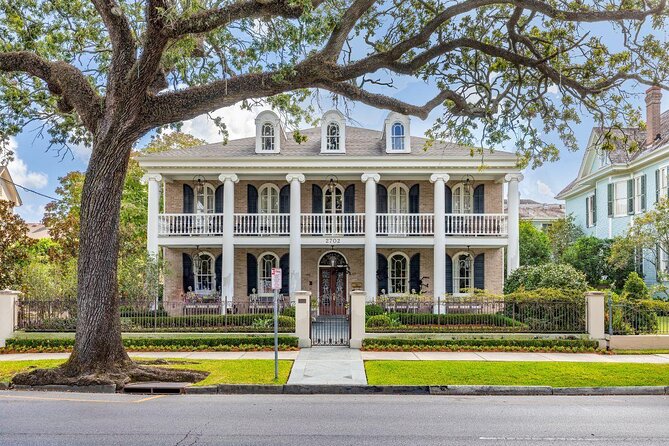
- Cast-iron fences and mansion details: you learn to spot what makes each façade special.
- Ghost stories with context: the guide links legends to history, so it feels grounded.
- Small enough for questions: capped at 35 travelers, so your guide can respond instead of reading from a script.
Price and what you really get for $26

At $26 per person for around two hours, the tour’s value comes from two things: you’re paying for interpretation, and you’re not paying extra admission for the stops listed. The route is built around recognizable names and landmark buildings across the Garden District, plus Lafayette Cemetery #1.
You also get a professional guide and the promise of well-researched history. That matters here, because the Garden District can look like “pretty houses” if you go solo. With a guide, you learn why the houses look the way they do, who built them, and what historical events shaped what’s still standing.
The only cost people often forget: a tip for the guide is not included. If you appreciate strong guiding, plan for that.
You can also read our reviews of more walking tours in New Orleans



The walking pace: short stops, lots of seeing
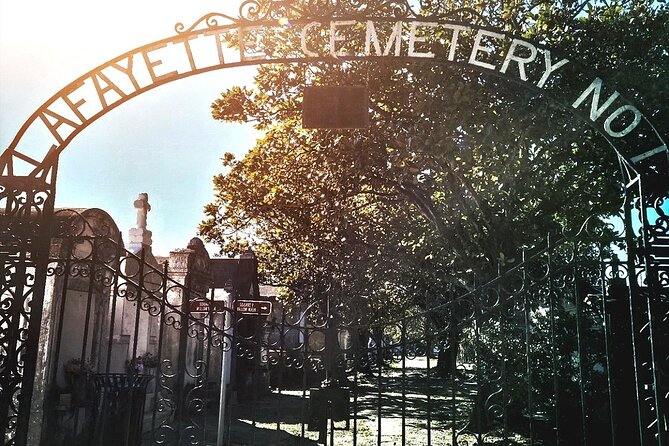
This tour moves in a simple pattern: short time at each stop (about 10 minutes) and the rest is walking. The tour notes that stops together take around 40 minutes, which means you’re usually outside, moving, and scanning the neighborhood between photo points.
That pacing is great for first-timers. It helps you connect streets, styles, and locations quickly, and it keeps the tour from turning into a sit-and-watch session. The downside is that if you want to linger for photos, or if one stop hits you emotionally (hello, cemetery), the time limit can feel tight.
It’s also English-only, which is helpful for planning. And the group size—up to 35—keeps it from feeling like a parade, though you’ll still be in a group while walking.
Meeting point and getting oriented on 1448 Fourth St
You start at 1448 Fourth St, New Orleans and the tour ends back at the same meeting point. That’s practical: you don’t have to figure out transit for the return.
The meeting location is also noted as being near public transportation, which helps if you’re coming from the French Quarter or swapping between neighborhoods during the day. With mobile tickets, you don’t need to hunt for a paper pass.
Stop 1: Lafayette Cemetery #1 and why the design feels eerie
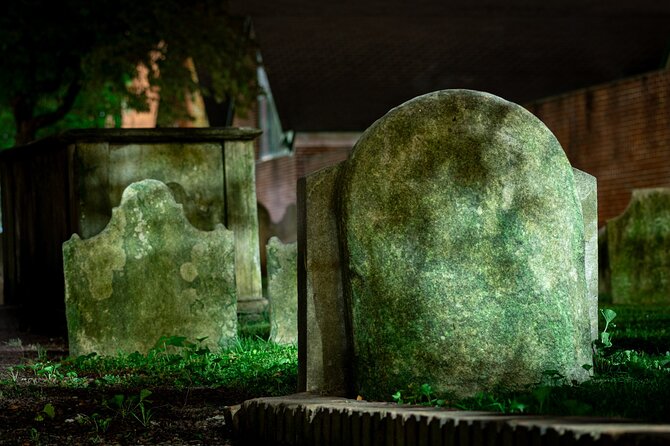
Lafayette Cemetery #1 is the kind of stop that shifts your mood instantly. Above-ground vaults line the grounds with ornate stonework and ironwork gates that rust in the heat. The architecture is more than decoration; it’s a response to the area’s swampy conditions, and you’ll understand why the dead are stored this way once the guide points it out.
What makes this cemetery stand out is how it feels both grand and intimate at the same time. Those vaults are built for generations, so even without chasing supernatural explanations, you get a sense of time stacking on itself.
The tour also leans into local legend—people say spirits of yellow fever victims still wander looking for peace. I treat that as part of the cultural storytelling. Either way, it’s a powerful start because the cemetery reframes everything you’ll see in the Garden District afterward: you’re not just touring pretty streets; you’re moving through a neighborhood built on real lives, real tragedies, and real wealth and disease.
Practical tip: wear shoes you can stand in comfortably, and take a moment to look before you photograph. Cemeteries reward slow attention.
Stop 2: Colonel Short’s Villa and the sugarcane cast-iron fence
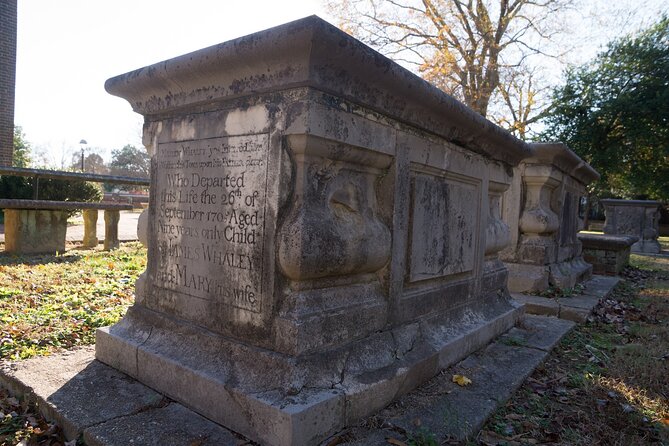
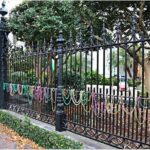
Next you move from burial grounds into grandeur. Colonel Short’s Villa is known for its cast-iron fence designed to resemble sugarcane stalks, a nod to plantation wealth tied to the owner’s world.
The details are what you’ll want to watch for. When a fence is that decorative, it’s not random; it’s messaging. It signals power, money, and taste—things the Garden District was built around.
The story gets darker during the Civil War. Union General Nathaniel Banks seized the home, and the tour’s legend says that presence lingers. You also hear ghostly-smoke style claims—cigar smoke and the feeling of unseen eyes watching from the balconies.
Even if you don’t buy the ghost part, you’ll come away with a clearer sense of how houses changed hands and purposes during wartime, and how those interruptions can shape the stories attached to buildings.




Stop 3: 2523 Prytania St and the “tall masterpiece” factor
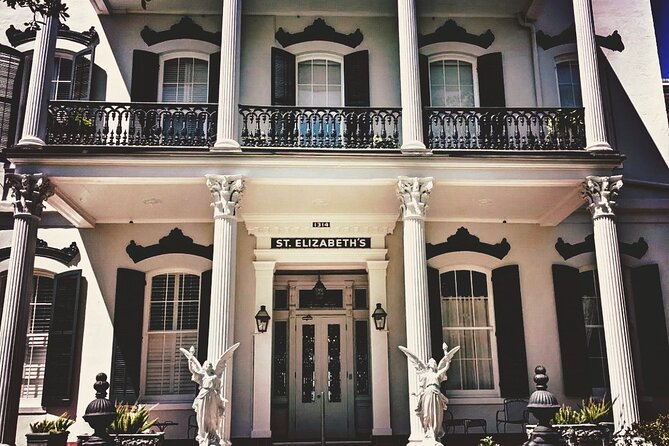
At 2523 Prytania St, you’re looking at a mansion style described as a Greek-Italianate revival. The big draw is the sense of height—this was once one of the neighborhood’s largest buildings, and the guide’s job is to help you notice what makes it work.
Look for the grand columns and the intricate cornices. Those are the kinds of features that get lost if you’re just passing by. With a guide, you learn what to name, what to compare, and what to notice about craftsmanship.
The tour’s legend adds an unsettling angle—some people say the energy feels strange, as if something hidden sits behind the imposing façade. For me, what’s most useful isn’t deciding whether it’s haunted. It’s realizing how much intention sits in the design: these houses weren’t thrown together. They were built to impress, to control how you view them from the street, and to project confidence.
Stop 4: Women’s Guild of the New Orleans Opera and the mansion blend
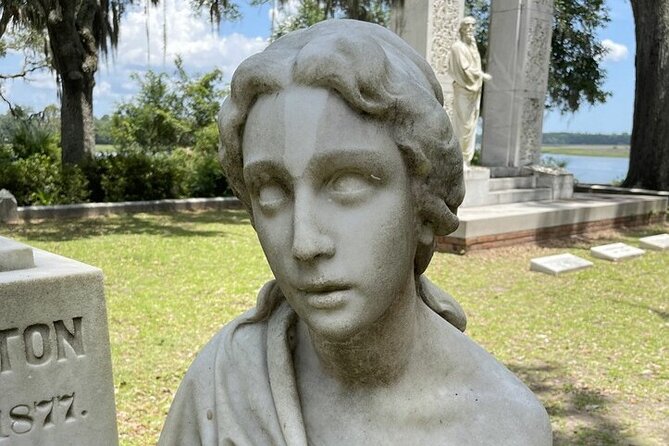
This stop is a standout façade: the Women’s Guild of the New Orleans Opera combines Gothic, Italianate, and Greek Revival styles. In other words, it’s not just “one look.” It’s a mix that reflects how tastes and ambitions evolved.
You learn that it started as a private home, then later became a gathering place for New Orleans’ elite women. That’s a key context point. When you hear the building’s role in social life, it stops being a random big house and becomes a stage for how power and networks worked.
The haunted element here is ghostly laughter echoing through lavish parlors long after dark. I’d file that under the tour’s larger theme: New Orleans storytelling uses personality, sound, and memory. Even if you don’t think literal spirits are in the hallway, the story helps you picture what daily life might have felt like behind those walls.
Stop 5: 2340 Prytania St and early Garden District endurance
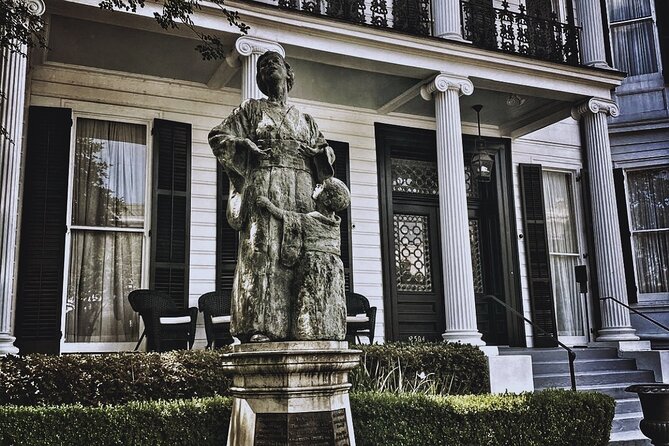
2340 Prytania St is described as a classic Greek Revival mansion built in 1838, which makes it one of the earliest days of the Garden District’s architecture. The point isn’t just age; it’s endurance. The guide helps you understand how columns and wrought iron have survived hurricanes, wars, and changing times.
When a building is that old, your attention naturally shifts from decoration to structure. The sturdier look of Greek Revival style can make the house feel solid, almost severe. That’s part of the “mood” you’ll notice on the tour.
The legend says the home is still watched by original owners, felt in cold drafts and flickering lights. Again, you don’t have to interpret it literally. The useful part is the sense that these buildings carried consequences for real people—joy, loss, and fear—and those memories get attached over time.
Stop 6: Buckner Mansion and the “American Horror Story” link
Buckner Mansion is one of the most iconic houses on the route. It’s Greek Revival with towering columns and sprawling verandas, built by cotton magnate Henry Buckner. Later it served as a school, which is a huge context change: the mansion didn’t just sit as a symbol; it held routines, lessons, and children’s daily life.
That’s where the ghost story lands. The legend includes ghostly children sounds—something that fits the shift from private wealth to public education.
The tour also notes that the mansion became a filming location for American Horror Story: Coven. That pop-culture detail matters because it explains why so many people now recognize the exterior. It also helps you understand how modern media can amplify older myths and aesthetic impressions.
If you’re a fan of spotting TV/film inspirations, keep your eyes on the veranda lines and the way the columns frame space. The architecture is built for presence.
Stop 7: The Seven Sisters and shotgun-house myths
The Seven Sisters are famous for being identical row houses in a shotgun style, built for seven sisters by their wealthy father. The legend says their spirits still visit and keep the homes warm and welcoming. Some claims include shadowy figures standing in doorways and disappearing as you approach.
The practical takeaway is how distinctive this housing form is—and how much easier it is to remember a place when you’ve heard the story behind it. Shotgun-style houses are not exotic magic; they’re a housing solution, and the guide’s job is to help you see the pattern and understand what “identical” really means across a row.
This stop also works as a break in tone. You get a lighthearted, photogenic moment after cemetery gravity and mansion legends.
Stop 8: Morris-Israel House and Gothic-Italianate balance
The Morris-Israel House mixes Gothic and Italianate architecture, with elaborate balconies and grand archways. It projects Old World elegance, and the guide’s explanations help you see how the mix changes the vibe: Gothic often feels dramatic, Italianate often feels ornate and theatrical.
But the tour doesn’t keep it pretty. The story turns darker with phantom footsteps in halls at night and whispers that an unseen presence lingers—possibly a former owner or servant.
Again, you’re not required to believe the ghost part. What’s useful is the reminder that houses like this held servants, staff, and layered living arrangements. If you only read buildings as symbols of wealth, you miss the human logistics that made them function.
Stop 9: Brevard Clapp Wisdom House and the waiting-for-love tale
At Brevard Clapp Wisdom House, you’ll notice the stately look: white columns and a grand entrance. The tour frames it as a jewel with a storied past, including scandal and sorrow.
The ghost legend here is specific: a woman in period dress can be seen on the staircase, waiting for a lover who never returned. It’s the kind of story that feels like a scene from a play, and that’s exactly why it works on a walking tour. The guide turns buildings into mental images you can actually carry with you after.
Practical note: stairs and entrances are also where your photos will look best. So if you care about pictures, this is one of your stronger stops for framing.
Stop 10: 2415 Coliseum St and cold spots under luxury
2415 Coliseum St is another Southern-luxury style home, with a wraparound balcony and intricate ironwork. You also get the reminder that these houses hosted both celebrations and deep tragedies.
The tour’s haunted element is the idea of cold spots inside rooms—almost like the past is still sitting just under the surface. You can treat that as eerie folklore, or you can treat it as an invitation to notice how older buildings can feel different from room to room. Old architecture often has quirks in airflow and temperature. Either way, you’ll be more alert to the “feel” of the place, not just what it looks like from the street.
Stop 11: 2627 Coliseum St and the Swiss Chalet twist
If you think the Garden District is all one style, 2627 Coliseum St corrects that. This Victorian Swiss Chalet home is one of only three of its kind in New Orleans. It was built in 1876 by architect William Freret, Jr., and the steeply pitched roof and ornate woodwork signal a different European influence than the classic Southern mansion mold.
The guide points out what makes it unique compared to surrounding architecture. Even if you’re not a design nerd, you’ll see the European flair quickly: the roofline does most of the work.
The legend includes an eerie sense of being watched from windows, possibly linked to Senator James Eustis. For me, the best part of this stop is learning how neighborhoods evolve by borrowing styles—then you start seeing patterns instead of just collecting photos.
Stop 12: Commander’s Palace and the haunting kitchen rumor
The final stop is both architecture and food culture: Commander’s Palace, one of New Orleans’ most famous restaurants. The tour notes that it’s known as much for ghosts as for its award-winning Creole cuisine.
The story says a former chef haunts the kitchen, rattling pots and pans as if still perfecting dishes. You’ll also hear reports of shadowy figures moving through candlelit dining rooms.
Even if you keep your skepticism hat on, this is a smart ending point. It pulls you from residential history into living culture. New Orleans doesn’t just preserve the past; it cooks it into the present.
If you’re hungry after the tour, this is a great place to head next—just remember you won’t be able to judge the full restaurant from the quick exterior-or-front stop alone.
Who this tour suits best
I’d recommend this tour if you:
- Want a fast, organized way to learn the Garden District without getting lost.
- Like ghost stories but want the guide to ground them in architecture and historical events.
- Are visiting for a short stay and want the highlights plus context in around two hours.
- Appreciate a route with enough variety: cemetery, mansions, neighborhood row houses, and a famous restaurant.
I’d think twice if you:
- Want long stops inside buildings (this tour is built around quick stops and walking).
- Hate walking in heat or prefer a calmer pace.
- Need lots of downtime for questions at each address.
Should you book this Garden District celebrity cemetery and mansion walk?
Yes—if you want a smart introduction to the Garden District with real history mixed into the spooky stories. The route is well paced for seeing a lot without drowning in details, and the guide-led format is the whole point. For $26, you get a professional guide, a compact timeline, and a sequence of recognizable landmarks that add up to a stronger sense of place than a self-guided wander.
If you’re on the fence, here’s my simple rule: book it when you’re in New Orleans for the first time—or when you only have one morning/afternoon to fit this neighborhood in. Then go back later on your own if a few stops really grabbed you.
FAQ
How long is the Garden District Cemeteries Mansions and Mysteries walking tour?
It’s listed at about 2 hours.
What does the tour cost?
The price is $26.00 per person.
Where does the tour start and end?
It starts at 1448 Fourth St, New Orleans, LA 70130 and ends back at the meeting point.
Is admission included for the stops?
The stop descriptions list Admission Ticket Free at each listed attraction, so you likely won’t need extra admission costs for these specific stops.
What language is the tour offered in?
It’s offered in English.
Is there a mobile ticket?
Yes, the tour uses a mobile ticket.
How big are the groups?
The maximum group size is 35 travelers.
Do I need to tip the guide?
A guide tip is not included in the tour.