REVIEW · NEW ORLEANS
Hands-on Cajun Roux Cooking Class in New Orleans
Book on Viator →Operated by The Mardi Gras School of Cooking · Bookable on Viator
Roux you can learn, then eat right away. I like the hands-on setup that has you chopping, stirring, and plating for real, not just watching a show. I also love that you make both a dark roux (for gumbo) and a light roux (for shrimp étouffée), so you leave with technique, not just taste. The only drawback to keep in mind: this is a work-at-the-counters kind of experience, so plan to actively cook for about 3 hours.
In the middle of the class, you even get a first glass of wine (or soda pop), then you sit down afterward to enjoy the meal you made. It’s a small group (up to 10), and the instructors are a big part of the fun, with names like Connor, Raymond, Mark, Jason, and Cam showing up repeatedly in the feedback.
In This Review
- Key highlights you’ll feel fast
- Cajun Roux Cooking Class in New Orleans: why this meal is the point
- Getting to 519 Wilkinson St and what the small class really changes
- The first chopping lesson: Cajun Holy Trinity setup
- Dark roux gumbo: where patience turns into flavor
- Light roux shrimp étouffée: changing the roux changes the dish
- Dinner time: eating what you made (and enjoying it without rushing)
- Bananas Foster: the dessert closer that feels like a magic trick
- Wine or soda pop: a small perk that also makes the class flow better
- Who should book this class (and who should think twice)
- Price and value: what $163.85 buys you in real terms
- Tips to get the most out of the class
- Booking call: should you do it?
- FAQ
- FAQ
- How long is the Cajun Roux cooking class?
- What dishes will we learn to make?
- Is wine included?
- Where is the meeting point?
- How many people are in a class?
- Is the class offered in English?
- What’s the booking and cancellation approach?
Key highlights you’ll feel fast
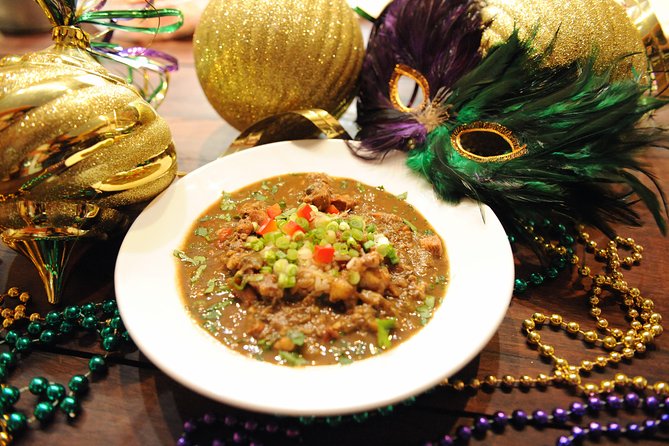
- Gumbo + shrimp étouffée + Bananas Foster: a full New Orleans Cajun-leaning meal arc
- Roux technique in two styles: dark roux for gumbo, light roux for étouffée
- Hands-on prep: you cut and prep the Cajun Holy Trinity before the cooking starts
- Included wine or soda pop during the class break
- Small group energy (max 10): more time for questions and hands-on tasks
Cajun Roux Cooking Class in New Orleans: why this meal is the point
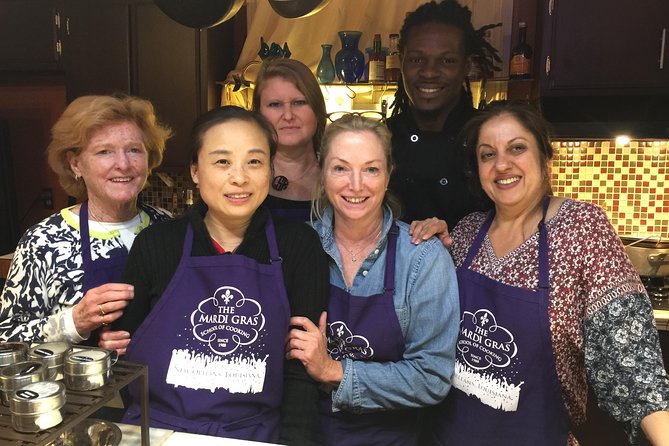
If you’ve ever eaten gumbo and wondered why it tastes like comfort with a bite, this class gives you the “why” through the actual process. New Orleans Cajun cooking isn’t just about ingredients; it’s about timing, texture, and building flavor step by step. You’ll start with the core flavor base, then you’ll practice the roux styles that make the dishes taste the way they do.
I like that the menu isn’t random. It’s structured around classic New Orleans choices: chicken and andouille sausage gumbo, shrimp étouffée, and Bananas Foster for dessert. You’ll get a savory foundation, a second dish with a different roux approach, then a sweet finale that’s designed to be approachable and impressive.
You can also read our reviews of more cooking classes in New Orleans

Getting to 519 Wilkinson St and what the small class really changes
The class meets at 519 Wilkinson St, New Orleans, LA 70130, and it ends back where you start. That simple loop matters in a city where evenings can get complicated fast. It’s also near public transportation, which helps if you don’t want to play parking roulette.
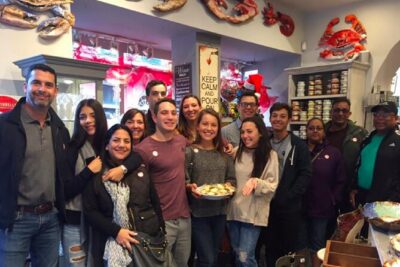
The group is capped at 10 travelers. In practical terms, that means you’re more likely to get real coaching while you’re actively cooking—especially during the roux steps, where attention and timing are everything. Several instructors get praised for being patient and breaking steps down clearly, so if you’re not a fearless home cook, you still fit here.
Also worth noting: it’s in English. If your cooking vocabulary is rusty, you’ll be helped along, but you’ll still want to follow directions in real time.
The first chopping lesson: Cajun Holy Trinity setup
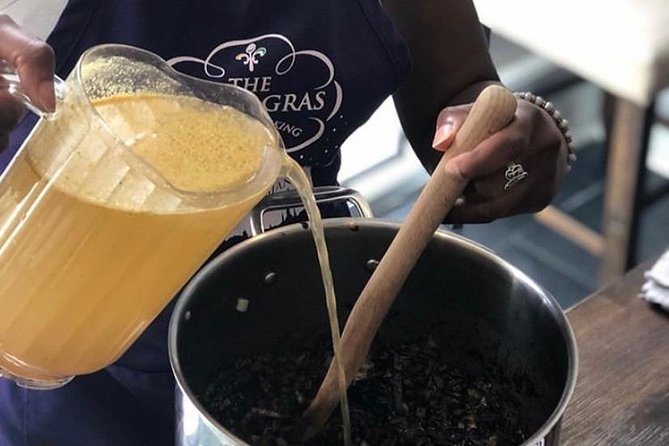
Before the stove work, you’ll focus on the Cajun Holy Trinity—the chopped aromatics that anchor so much Louisiana flavor. The class begins with learning the best-kept secrets of authentic New Orleans cooking, then you jump into cutting and prepping.
This is more than “chop vegetables.” It trains you how to think like a cook. When you understand how the base is prepared and used, your later dishes stop feeling like magic and start feeling repeatable. And because everyone in a small group has a chance to do the prep, you won’t spend the first part waiting around.
You’ll then take a break and get your first glass of wine (or soda pop) once the Holy Trinity is chopped. That break is timed well: you go from prep work to roux work with a little reset.
Dark roux gumbo: where patience turns into flavor
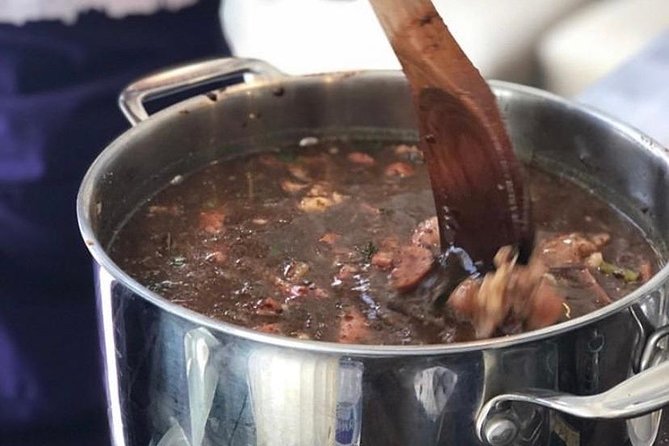
Next comes the gumbo, and this is the “make it or break it” moment for many cooks at home. In the class, you’ll begin the dark roux for the chicken and andouille sausage gumbo.
Why the dark roux matters: roux is what thickens and deepens flavor, and the darker it gets, the more developed and nutty the taste tends to become. In a hands-on class, you learn by doing—so you don’t just hear that roux changes color and flavor over time. You’ll feel it in the spoon, in the smell, and in how the base behaves.
After the gumbo stage, you’re not left with theory. You’ll plate and move toward dinner, which keeps the focus on results, not just technique. Feedback repeatedly highlights that the gumbo you make tastes genuinely great—not just “good for a class.”
Light roux shrimp étouffée: changing the roux changes the dish
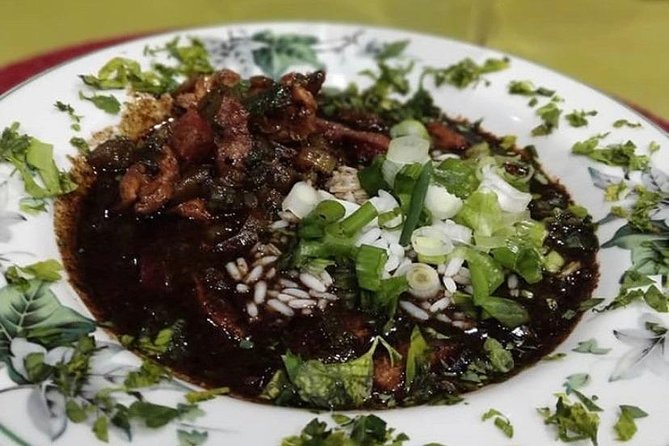
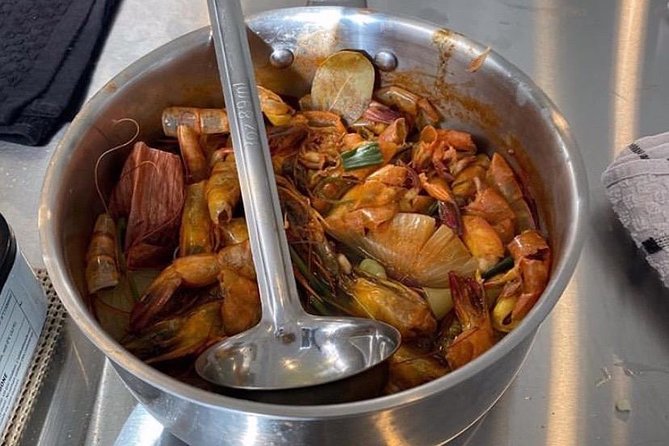
Once the gumbo is complete, the class switches to the shrimp component: shrimp étouffée with a light roux. This is a smart pairing for your learning. You’re not asked to memorize one roux approach; you compare two styles in the same sitting.
Light roux is typically about a different flavor profile and thickening behavior. Practically, it means you’ll keep adjusting your attention as the roux cooks—again, you’re learning through process. Then you’ll work through plating so you can see how the roux base becomes something you’d actually serve.
If you’re cooking at home later, this is the part that pays off. You’ll have one “dark” example and one “light” example, which makes it easier to experiment rather than start from zero.
You can also read our reviews of more tours and experiences in New Orleans






Dinner time: eating what you made (and enjoying it without rushing)
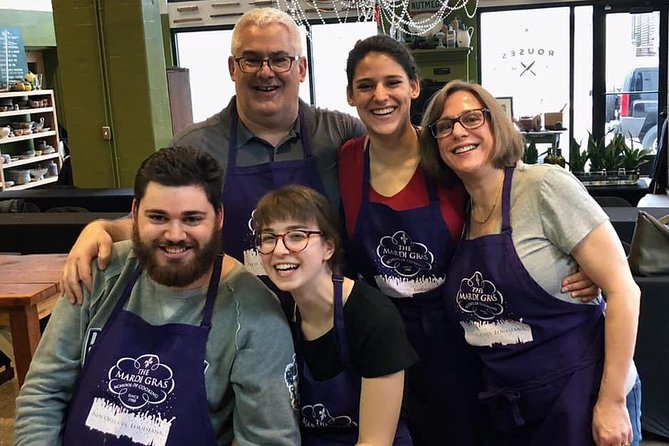
One of the best value signals here is that you sit down afterward to eat the meal you prepared. A class can be fun, but the real win is leaving satisfied—especially since gumbo and étouffée are not quick, light dishes.
You’ll also notice how the class handles pacing. The instructor breaks steps into clear segments, and the small group size helps keep everyone from feeling lost. Multiple instructors are praised for being humorous, encouraging, and professional, which matters because roux work can feel intimidating if you’ve only cooked by recipe and not by attention.
There’s also a human side. Some instructors share stories and local context as they teach. That turns the kitchen time into a true New Orleans experience instead of just a food workshop.
Bananas Foster: the dessert closer that feels like a magic trick
The last segment is Bananas Foster, and yes—dessert is often the favorite part. The class teaches a fool-proof way to make it, and that promise is taken seriously in the way the experience is presented: you’ll learn how to pull it together with a confident method, not guesswork.
Bananas Foster is a great choice for a class because it looks fancy but can still be taught in a structured, repeatable way. It’s the moment you go from learning technique to impressing your friends and family back home.
If you’ve got someone in your group who’s less excited about gumbo, this dessert often wins them over.
Wine or soda pop: a small perk that also makes the class flow better
You’ll get a first glass of wine during the class break, with soda pop as the option. It’s not the headline, but it supports the rhythm.
This kind of timed break helps because the cooking work has peaks—chopping, then roux attention, then plating and finishing. A drink at the right moment keeps people in good spirits without turning the class into a party.
Who should book this class (and who should think twice)
This is ideal for:
- Food lovers who want hands-on technique, not just a taste
- Couples and friends who enjoy sharing tasks and eating together afterward
- Families, including teens and kids who can follow steps and want something interactive
- People who want a practical New Orleans memory you can repeat at home
It may be less ideal if:
- You want a passive experience where you mostly watch
- You’re short on time and can’t spare about 3 hours
- You’re only looking for a tiny tasting rather than a full meal you cook and eat
If you like to learn with your hands, this fits your travel style.
Price and value: what $163.85 buys you in real terms
At $163.85 per person for about 3 hours, the price isn’t “cheap,” but it also isn’t out of line with what you’re getting: instruction, hands-on cooking, a meal you eat, and included wine (or soda pop). The big value lever is the small group cap of 10 travelers, which makes the class feel personal.
You’re also paying for technique transfer. If your goal is to recreate gumbo, shrimp étouffée, and Bananas Foster later, this class is designed to give you the steps and confidence to do it. Several recent experiences mention dishes turning out especially well and instructors coaching in a patient, confident way—exactly what you want when you’re paying for more than just entertainment.
Also, the class tends to book up ahead of time (on average about 26 days in advance). If your trip dates are fixed, you’ll save yourself stress by booking early.
Tips to get the most out of the class
You’ll have a better time if you treat it like a cooking workshop, not a snack stop.
- Come hungry enough to enjoy the full meal afterward, but not so full you feel sluggish during prep.
- Wear comfortable clothes for kitchen work. You’ll be active, and gumbo cooking involves real heat and attention.
- Ask questions when you’re working on roux. That’s where instructors can correct your timing and technique.
- If you care about taking things home, ask what you can keep afterward. Some experiences mention take-home support, but it’s smart to confirm what’s available for your specific session.
Booking call: should you do it?
If you want one “core New Orleans” food experience that’s interactive, teaches you technique, and ends with a meal you made, yes, this is worth booking. The strongest reason is the structure: Holy Trinity prep → dark roux gumbo → light roux shrimp étouffée → Bananas Foster. That sequence teaches you a lot in one go, and you leave fed.
My only caution is attitude. If you’re hoping to float through an experience and not lift a spoon, this won’t feel right. But if you want a hands-on memory—something you can cook again—this class has the ingredients for a great trip.
FAQ
FAQ
How long is the Cajun Roux cooking class?
It runs for about 3 hours.
What dishes will we learn to make?
The class focuses on chicken and andouille sausage gumbo, shrimp étouffée, and Bananas Foster.
Is wine included?
Yes. You’ll be offered wine, or soda pop as an alternative.
Where is the meeting point?
The class meets at 519 Wilkinson St, New Orleans, LA 70130, and ends back at the meeting point.
How many people are in a class?
The maximum group size is 10 travelers.
Is the class offered in English?
Yes, it’s offered in English.
What’s the booking and cancellation approach?
You’ll receive confirmation at booking, and free cancellation is available if you cancel up to 24 hours in advance of the experience start time for a full refund.