REVIEW · NEW ORLEANS
New Orleans: Whitney Plantation Audio Tour with Transfers
Book on GetYourGuide →Operated by Crescent City Tours & Transportation · Bookable on GetYourGuide
A day at Whitney Plantation is heavy, focused, and strangely clarifying. This audio-guided visit is designed around one thing: the lives of the enslaved people who lived and worked on Louisiana sugar plantations. I like that it’s a self-paced audio tour where you control the stops, and I appreciate how the route pairs places of labor with places of meaning, including Freedmen’s Church and the memorial.
The main drawback to plan around is accessibility. This activity is not suitable for wheelchair users, so if mobility access is a concern, you’ll need to choose another option.
In This Review
- Key highlights worth knowing before you go
- A day trip with a clear mission: who the museum centers
- Hotel transfers from New Orleans: you trade driving for time to think
- Getting your audio headset and how the grounds work
- Slave cabins: where the daily world comes into focus
- Freedmen’s Church: the symbolic stop that changes the emotional arc
- Detached kitchen and outbuildings: understanding how the plantation functioned
- The 1790 owner’s house: the contrast you can’t unsee
- The memorial: closing the day with remembrance
- Gift shop, restrooms, and a little time to reset
- Price and value for a 70-mile day trip with ticket and transfers
- Who this Whitney Plantation audio tour fits best
- Should you book Whitney Plantation with transfers?
- FAQ
- How long is the Whitney Plantation audio tour with transfers?
- Do I get hotel pickup and drop-off?
- What’s included in the $81 per person price?
- Are meals and beverages included?
- What stops are part of the self-guided audio route?
- Is this tour suitable for wheelchair users?
Key highlights worth knowing before you go
- Hotel pickup and drop-off make it a true day trip from New Orleans without the stress of driving.
- Audio headset, self-guided pacing lets you spend more time on the parts that hit hardest.
- Slave cabins first sets the tone with daily life and working conditions before you move onward.
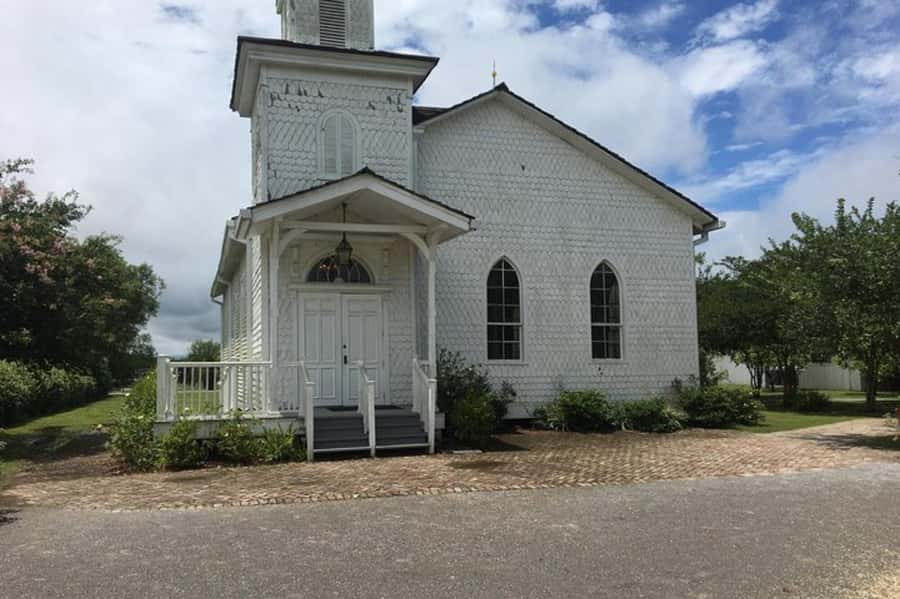
- Freedmen’s Church offers a powerful moment of hope after the harsh realities of slavery.
- 1790 owner’s house creates an unavoidable contrast you can’t miss.
- A memorial finish helps the visit land with remembrance, not just information.
A day trip with a clear mission: who the museum centers
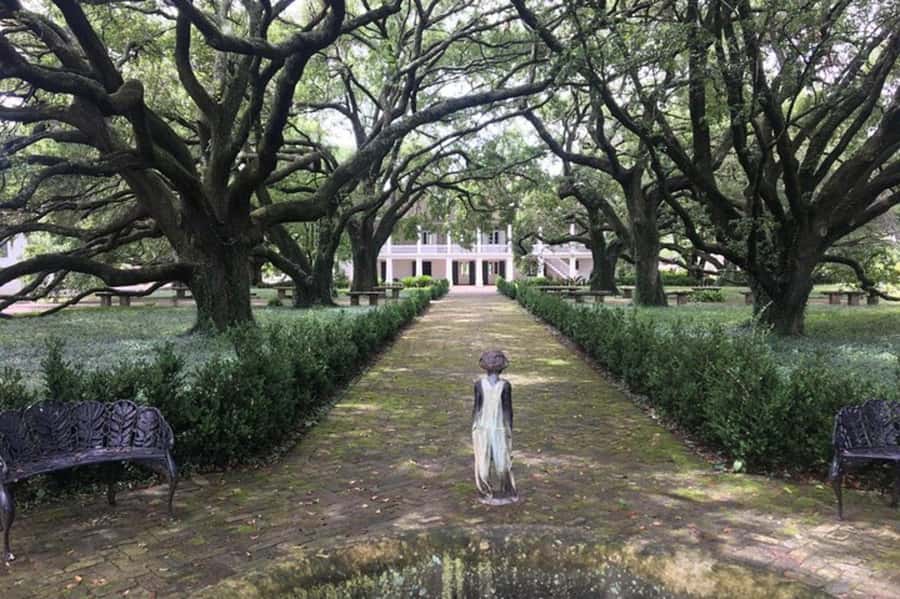
Whitney Plantation is the only museum in Louisiana dedicated to the lives of enslaved people. That single focus shapes the whole experience, from what you see to what you’re asked to pay attention to. If you’re used to plantation tours that bounce between romance and facts, this one feels intentionally different.
What I like about this kind of museum setup is the pacing. You’re not racing through a script. With the audio guide, you can slow down at specific spaces and mentally sort what you’re learning before moving to the next stop. The visit is also long enough to feel like a real journey rather than a quick photo stop, since the total duration runs 390 minutes.
This is not the kind of outing where you’re looking for easy distractions. It’s for people who want accuracy, respect, and a grounded look at Louisiana’s plantation world.
You can also read our reviews of more tours and experiences in New Orleans

Hotel transfers from New Orleans: you trade driving for time to think
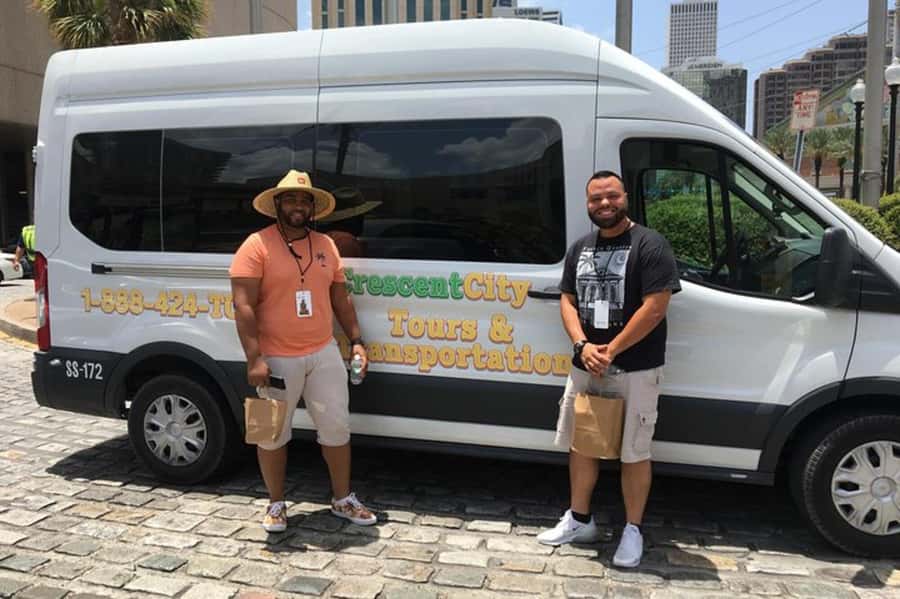
The tour starts with pickup from most New Orleans hotels. That matters more than it sounds. You’re taking away the hardest part of this kind of day trip: navigating the route and time your arrival yourself.
The plantation sits about 70 miles from the French Quarter, so you’ll have real driving time on the way out and back. Before you even reach the museum grounds, you’re effectively being cued to reflect. That can be a good thing. You arrive mentally ready, instead of walking in mid-chaos.
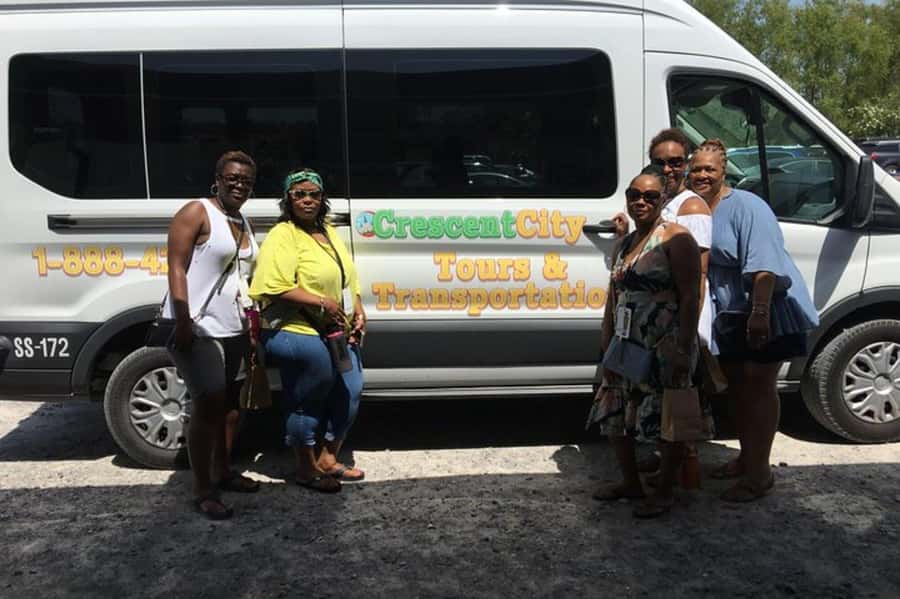
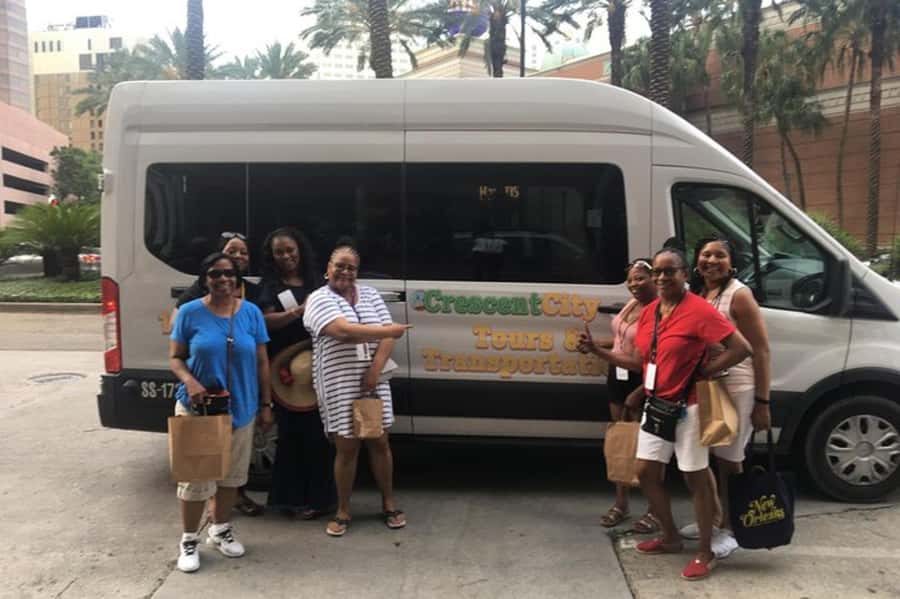
The transfer is handled by Crescent City Tours & Transportation, which helps this run like a structured excursion rather than a DIY problem. If you’re staying somewhere not listed, you’ll still be matched to the nearest pickup option.
Getting your audio headset and how the grounds work
Once you arrive, you get an audio headset and head out on a self-guided route. This is useful because the museum’s subject matter asks for your attention, not your multitasking. You can stop when you need to, skip forward if a section isn’t your thing, or simply replay parts if you want to catch every detail.
Another practical win: the tour stops are all close together. The information provided notes that the major points of interest are within 3 to 4 blocks of each other. That keeps the day from turning into a long shuffle across a huge property, which is especially helpful when the material is emotionally demanding.
The overall flow goes from the places enslaved people occupied daily life, to the plantation’s workspaces, to the owner’s house, and then ends at a memorial. That order matters because it pushes you through the reality of living and working before it introduces the stark comparison of wealth and power.
Slave cabins: where the daily world comes into focus
Your route begins with the slave cabins. This first stop sets the emotional and historical tone. Instead of starting with big-house views or general background, you start with the spaces where people lived and worked under slavery.
I like how this ordering does two things at once. First, it grounds the experience in human scale, not just agricultural output. Second, it prevents the common trap of treating the plantation as scenery. You’re introduced to everyday conditions and hardships before you see the plantation as an operating system.
This is also a key moment for your own pacing. If you need a minute, take it here. There’s no requirement to keep moving just because you arrived. The audio format is meant for a thoughtful pace, and starting at the cabins helps you understand why the later contrast hits so hard.
Freedmen’s Church: the symbolic stop that changes the emotional arc
After the cabins, you move to Freedmen’s Church, described as a symbol of hope and resilience for those who sought freedom. This is one of the most meaningful shifts in the route. You’ve been learning about suffering and restraint; now you’re standing in a place tied to survival and the pursuit of freedom.
Even if you know the historical facts already, this stop has a different role. It reframes what you’re learning from pure description into lived outcomes. The church isn’t just an object on the property; it’s a marker of how people carried faith, community, and hope forward.
I also appreciate how the museum doesn’t rush past that emotional turn. It positions the church after understanding daily conditions, so freedom doesn’t feel abstract. It feels like a real, hard-won goal people were fighting toward.
You can also read our reviews of more tours and experiences in New Orleans




Detached kitchen and outbuildings: understanding how the plantation functioned
Next up are the detached kitchen and outbuildings. These spaces help explain plantation operations and the harsh conditions endured by enslaved workers. The value here isn’t only the facts; it’s the way the museum helps you connect people’s lives to labor systems.
If you’re the type who likes to understand how places worked, this section will satisfy that urge. You can see the plantation as a machine, then step back and remember that the machine ran on human bodies, time, and forced labor.
One practical tip: let your audio guide do the talking here. Outbuildings and work areas can blur in your mind if you’re trying to “wing it.” The headset keeps you anchored to what you’re looking at and why it matters.
The 1790 owner’s house: the contrast you can’t unsee
Then comes a major pivot: the 1790 owner’s house. The point is stark. You’ll visit the owner’s residence after seeing where enslaved people lived and worked, and the disparities of the era become impossible to ignore.
This is where the museum earns its reputation for focus. It doesn’t let you stay in one emotional zone. You’re asked to hold two realities side by side: comfort and control on one hand, confinement and hardship on the other.
I recommend using this stop like a reality check. Don’t just glance and move on. Let the contrast land. Even a few extra minutes here can make the earlier stops feel more coherent, because you’re finally seeing the power structure in physical form.
The memorial: closing the day with remembrance
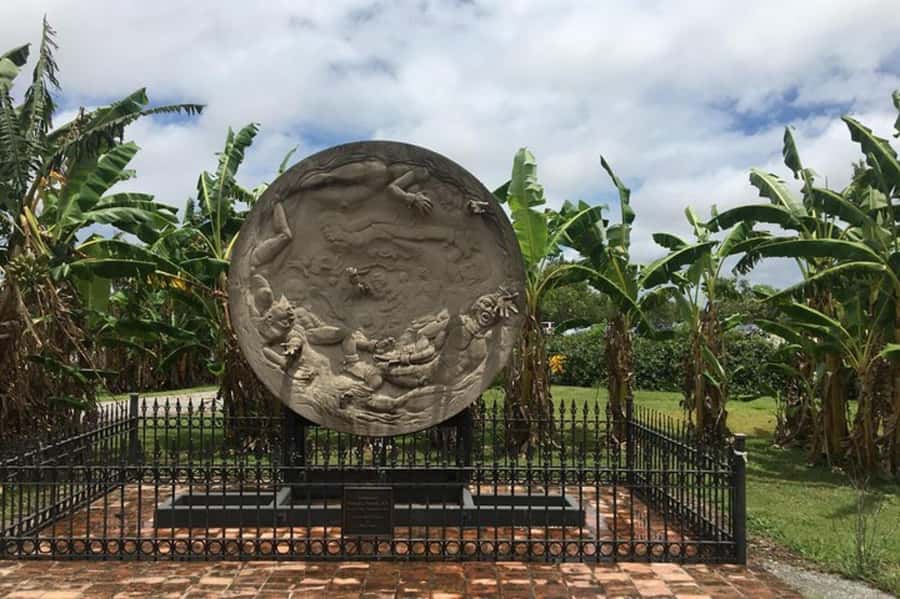
The tour ends by paying your respects at the memorial dedicated to those who suffered under slavery. This ending is important. It keeps the visit from feeling like a history lecture that ends when the last room is photographed.
A memorial is not designed for entertainment. It’s designed for acknowledgement, and this one helps you carry the visit forward in a respectful way. If you feel emotional, that’s normal. If you feel numb, that can also happen. Either way, take the time the audio route gives you rather than rushing to be done.
When you finish, you’ll have a bit of breathing room before heading back.
Gift shop, restrooms, and a little time to reset
After the tour portion, you’ll get 30 minutes to visit the gift shop, use the restrooms, or enjoy a quick snack. This is a practical buffer that many museums don’t provide on a structured day trip, and it matters since you’ll have been on site for a long stretch.
I like that this break is built in rather than implied. It gives you a chance to regroup, especially if you’ve been holding your attention closely through the heavy sections. Use it strategically: go to the gift shop if you want to support the museum and take away resources, or skip it if your brain needs quiet.
Either way, you’ll return to your hotel after this pause.
Price and value for a 70-mile day trip with ticket and transfers
The price is $81 per person, and that cost is doing work for you. It includes hotel pickup and drop-off, an audio guide, and the entry ticket to Whitney Plantation. For a destination about 70 miles away, transfers are usually the biggest hidden expense in DIY planning, and this bundle takes that burden off your plate.
What’s not included is meals and beverages. That doesn’t make the price “bad,” but it does mean you should plan for food separately. If you need structure, eat before you go and plan for a meal after you get back.
Think of this price as paying for three things in one day: transportation, guided interpretation through audio, and admission. If you like self-paced learning and you want a respectful museum focus without arranging logistics, it’s a solid value.
Who this Whitney Plantation audio tour fits best
This tour fits best if you want a history experience that stays grounded in the people who were enslaved, not just the plantation as a grand estate.
It’s a strong match for:
- You if you prefer audio-guided pacing rather than a rushed group walkthrough.
- You if you want the emotional arc to move from living conditions to resilience, then to stark contrast and remembrance.
- You if you’d rather let the museum’s structure guide your attention than improvise on your own.
It may be a poor match if you need wheelchair access, since the tour is not suitable for wheelchair users. It’s also a long outing, so if a full-day commitment feels too much, plan your energy carefully.
Should you book Whitney Plantation with transfers?
I think you should book this tour if you want the simplest route to a very focused museum visit. The hotel pickup removes friction, the audio guide supports thoughtful pacing, and the stop sequence takes you through the story in a deliberate order.
Skip it only if access needs rule it out, or if you know you cannot handle intense themes of slavery and human suffering. If you can, this is one of the most direct ways to understand Louisiana plantation history through the lens the museum is built around.
FAQ
How long is the Whitney Plantation audio tour with transfers?
The total duration is 390 minutes.
Do I get hotel pickup and drop-off?
Yes. Pickup and drop-off are included, and pickup is available from most New Orleans hotels. If your hotel isn’t listed, you’ll be picked up from the nearest option.
What’s included in the $81 per person price?
It includes hotel pickup and drop-off, an audio guide, and an entry ticket to Whitney Plantation.
Are meals and beverages included?
No. Meals and beverages are not included.
What stops are part of the self-guided audio route?
You’ll visit the slave cabins, Freedmen’s Church, the detached kitchen and outbuildings, the 1790 owner’s house, and then a memorial honoring those who suffered under slavery.
Is this tour suitable for wheelchair users?
No. It is not suitable for wheelchair users.