REVIEW · NEW ORLEANS
New Orleans: French Quarter Food History Walking Tour
Book on GetYourGuide →Operated by Doctor Gumbo Tours · Bookable on GetYourGuide
New Orleans tastes better on foot. This guided French Quarter food history walk turns classic Louisiana plates into a story you can eat, with up to 9 tastings across sit-down spots and street-style stops. I like that the experience is led by guides who bring real personality, like Beth or Dylan aka Dr Gumbo, and the food choices stay rooted in Creole and Cajun staples (gumbo, pralines, po-boys, muffuletta, and more).
The main catch: it’s a set menu with limited flexibility. If you need gluten-free, dairy-free, vegetarian, or pork-free options, this tour likely won’t work for you, and it runs rain or shine.
In This Review
- Key highlights you should know before you go
- Price and value: what $85 actually buys you
- Where to start in the French Quarter (and how to plan your timing)
- SoBou gumbo stop: Cajun-style comfort with a story
- The hot sauce bar: heat, variety, and local habits
- Leah’s Pralines: the sweet Creole classic
- NOLA Poboys: catfish po-boy and Louisiana seafood identity
- Muffuletta and boudin balls: the meaty originals
- Creole Cookery: red beans and rice, the comfort-food workhorse
- Bananas foster bread pudding: the sweet finish on Toulouse
- Walking pace, weather, and what to wear
- Guides really matter here: what to expect from the human side
- Who this tour is best for (and who should skip it)
- Should you book it? My recommendation
- FAQ
- How long is the French Quarter Food History Walking Tour?
- How much does the tour cost?
- Where do I meet the guide and where does the tour end?
- How many food samples will I get?
- What kinds of food will I taste?
- Does the tour run in bad weather?
- Are there vegetarian, vegan, gluten-free, or dairy-free options?
- Are alcoholic drinks included?
- Can I cancel for a full refund?
- What about food allergies?
Key highlights you should know before you go
- Up to 9 samples across 5 distinct eateries plus street-food stops, so you’re not stuck with just one style of food
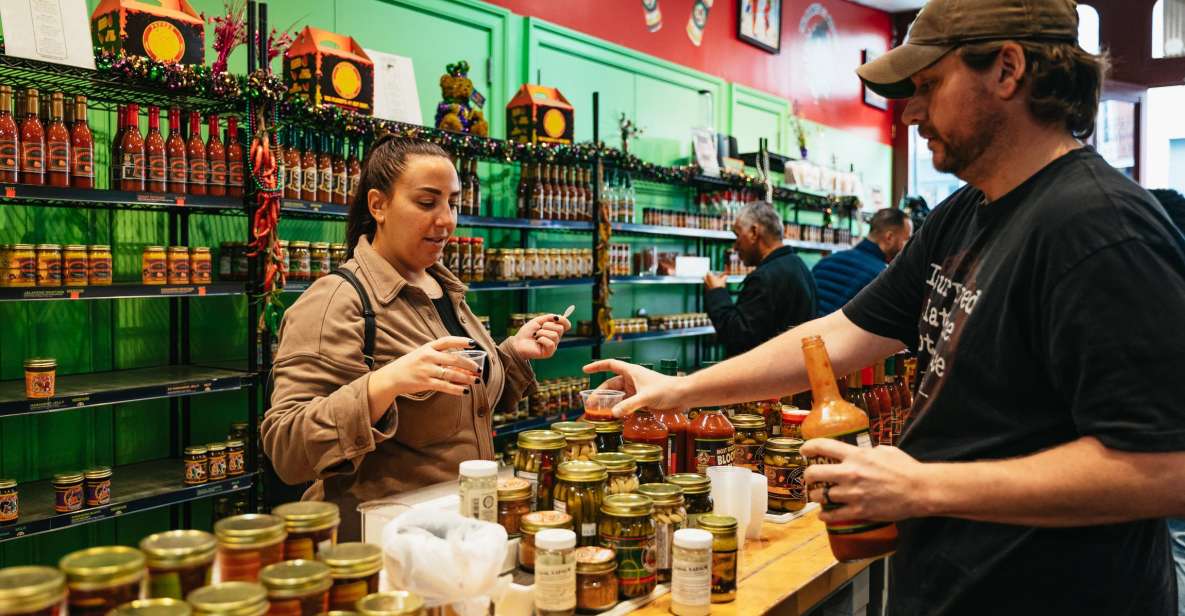
- Gumbo with warm potato salad plus a hot sauce bar where you can try dozens of varieties
- You get both New Orleans sandwiches: a catfish po-boy and a muffuletta
- Creole and Cajun through-line: the guide connects ingredients and traditions to what you’re eating
- End sweet with bananas foster bread pudding so you finish on a high note
- Most stops have stocked bars, but alcohol is optional and not included
Price and value: what $85 actually buys you
At $85 per person for about 3 hours, you’re paying for three things: a focused walking route, a guide who ties each stop to the food’s origins, and a bunch of pre-planned tasting portions. The big value here is that you don’t have to map out where to go for gumbo, pralines, po-boys, and muffulettas on your own.
Also, the tour includes water and tips to servers/waitstaff. That matters in the real world. If you tried to recreate this as a DIY meal crawl, you’d still be buying drinks, paying for small plates, and trying to time five different stops without guidance.
My practical takeaway: if you like eating your way through a neighborhood while learning what you’re tasting, this price feels fair. If you’re only after one or two foods, you might feel like you’re paying for the story and the variety.
You can also read our reviews of more walking tours in New Orleans

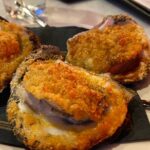

Where to start in the French Quarter (and how to plan your timing)
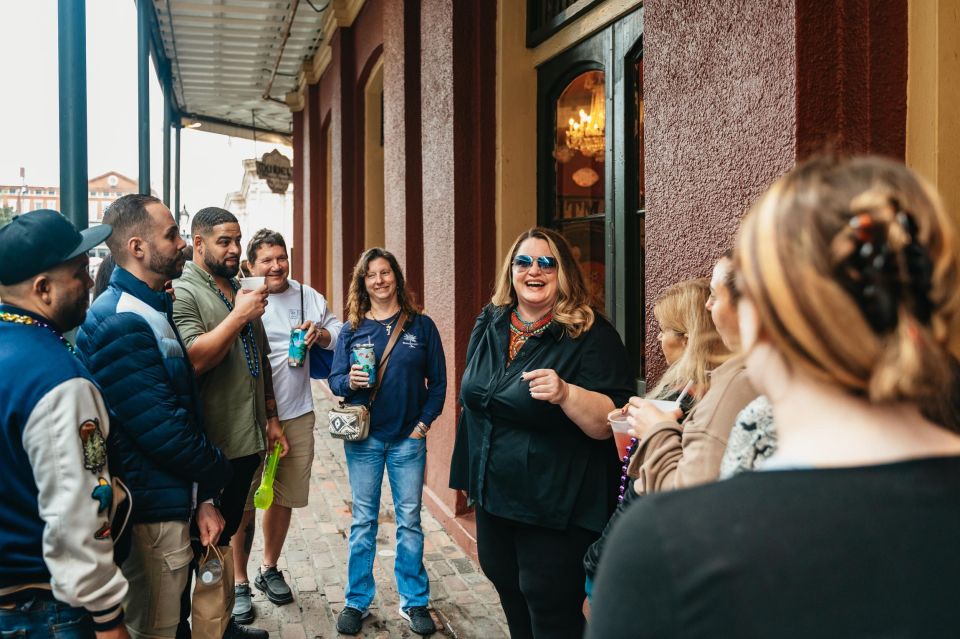
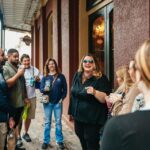
You’ll meet your guide inside the 3rd Block Depot restaurant at 316 Chartres St. From there, you cross into the lively Vieux Carré (Old Square) area for your first bite. The tour is designed as a compact loop through the core of the Quarter, with a mix of sit-down tastings and street-level food moments.
You finish at Toulouse St (right in the heart of the French Quarter). So plan to keep this afternoon as your food anchor. It’s the kind of tour where you may not want a full dinner afterward, because the tastings add up.
Two timing tips:
- Wear comfortable shoes. This is a walking tour, and you’ll be on foot multiple times between tastings.
- Go into it hungry. The samples are meant to be filling enough that you leave satisfied, not just curious.
SoBou gumbo stop: Cajun-style comfort with a story

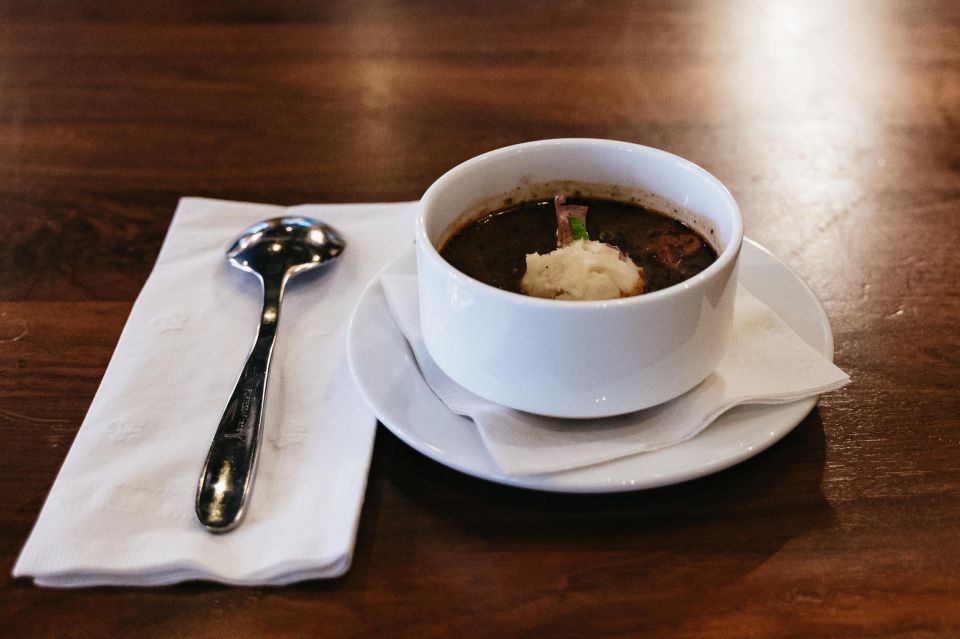
Your first major tasting is at SoBou, part of the Commander’s Palace enterprise. You’ll get a rustic, Cajun-style gumbo served with warm potato salad. This is a smart opener because gumbo is one of those dishes people associate with Louisiana instantly, but it can still surprise you when you learn what it represents and how local ingredients shaped it.
What I like about starting here: the guide can set the food context early, so later stops don’t feel random. Even if you think you already know what gumbo is, this type of tasting helps you pay attention to texture, seasoning, and the side that comes with it.
One small consideration: since the tour has a set menu, you can’t expect swaps. If you have food restrictions, you’ll need to evaluate whether this is the right tour at all.
The hot sauce bar: heat, variety, and local habits
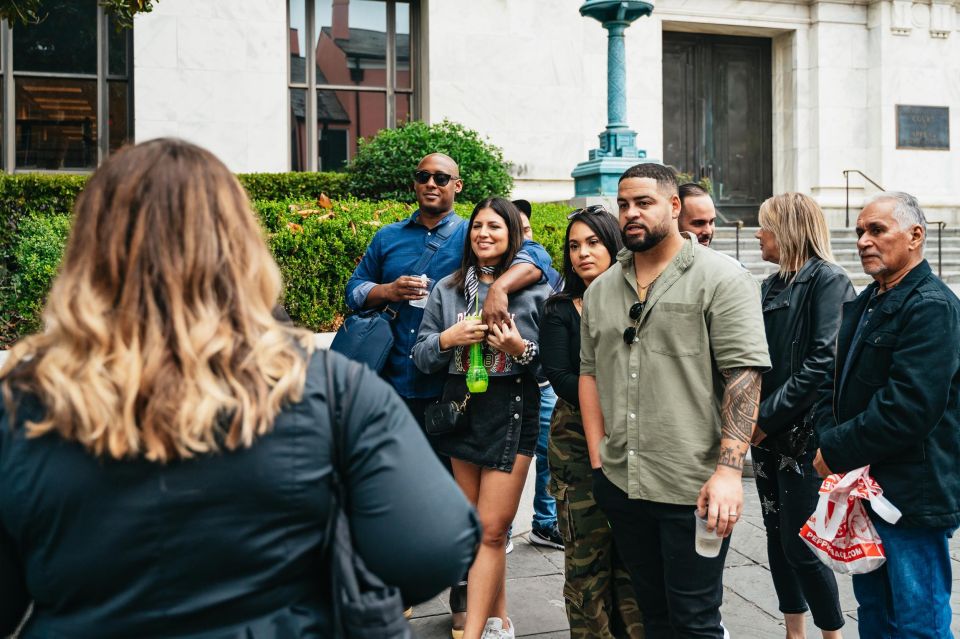
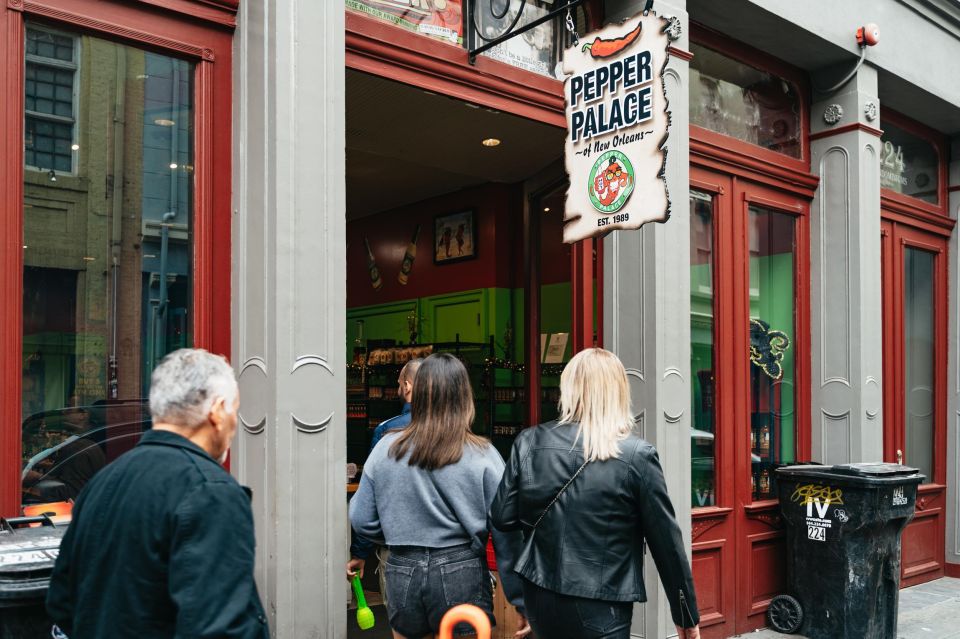
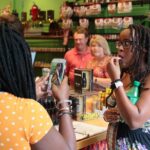
Next comes a hot sauce bar where you can sample dozens of fiery hot sauce varieties. This part of the tour is great for two reasons. First, it’s interactive—you can compare flavors, not just taste one sauce and move on. Second, it teaches you how New Orleans cooking habits treat heat as part of the overall flavor profile, not just a gimmick.
If you like spicy food, this is a standout. If you don’t, you can still learn a lot by sampling smaller tastes and paying attention to whether each sauce tastes more smoky, tangy, or pepper-forward than others.
Practical tip: if you know you’re sensitive to spice, take it slow. The goal is learning through comparison, not proving toughness in public.
Leah’s Pralines: the sweet Creole classic
After the hot sauce, you head to Leah’s Pralines for a typical Creole sweet. You may also encounter the newer bacon pecan brittle option listed for this stop, so the tour isn’t afraid of mixing tradition with modern candy riffs.
This stop is worth it even if you’re not a candy person, because pralines are one of the most recognizable sweet exports of the region. The flavor is part sugar, part toasted nut, and part that old-school Creole confection style you don’t really replicate elsewhere.
Best way to approach this: treat it like a flavor lesson. Notice the sweetness level, the nut crunch, and how creamy or buttery it tastes. Then you’ll be ready for the final dessert later in the tour.
You can also read our reviews of more food & drink experiences in New Orleans


NOLA Poboys: catfish po-boy and Louisiana seafood identity
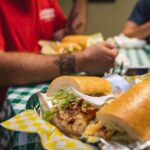
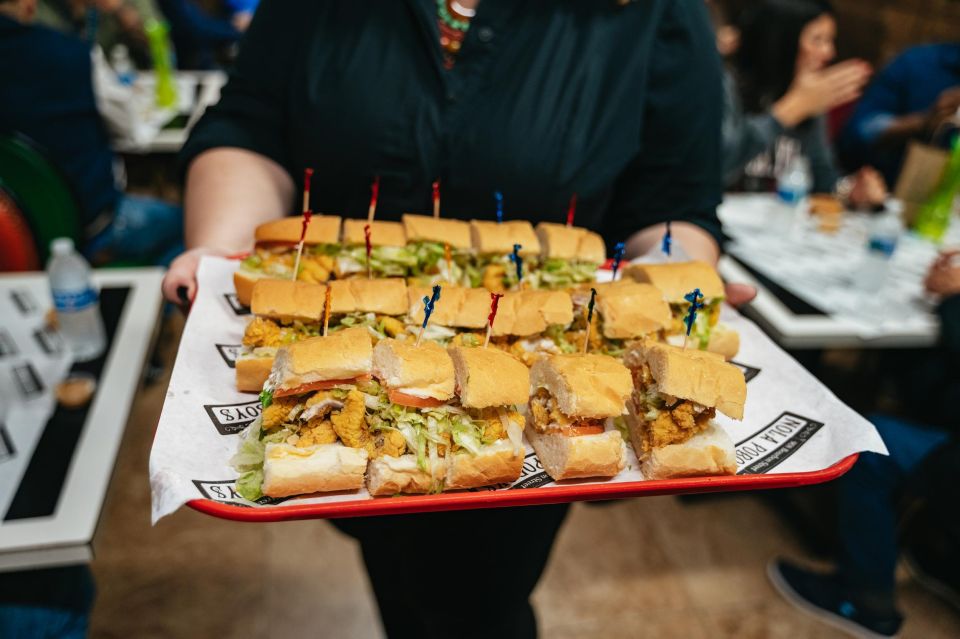
You’ll then visit NOLA Poboys, where you learn more about Louisiana’s seafood tradition before biting into a freshly fried catfish po-boy. This is your po-boy moment—and it matters, because New Orleans has two sandwich legends that tourists often want to compare: the po-boy and the muffuletta.
A catfish po-boy is also a nice choice because it brings in a different flavor world than gumbo and candy. You get crisp, fried texture plus the kind of filling you can eat with your hands while still enjoying the walking rhythm of the tour.
If you hate soggy bread, do yourself a favor: when you get your sandwich, eat it relatively promptly after the tasting begins.
Muffuletta and boudin balls: the meaty originals
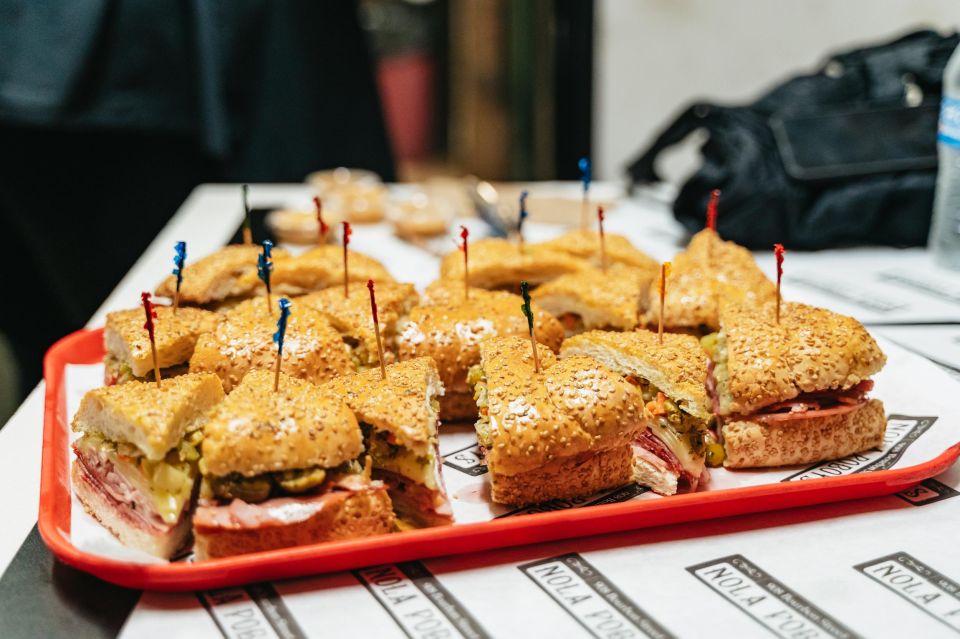
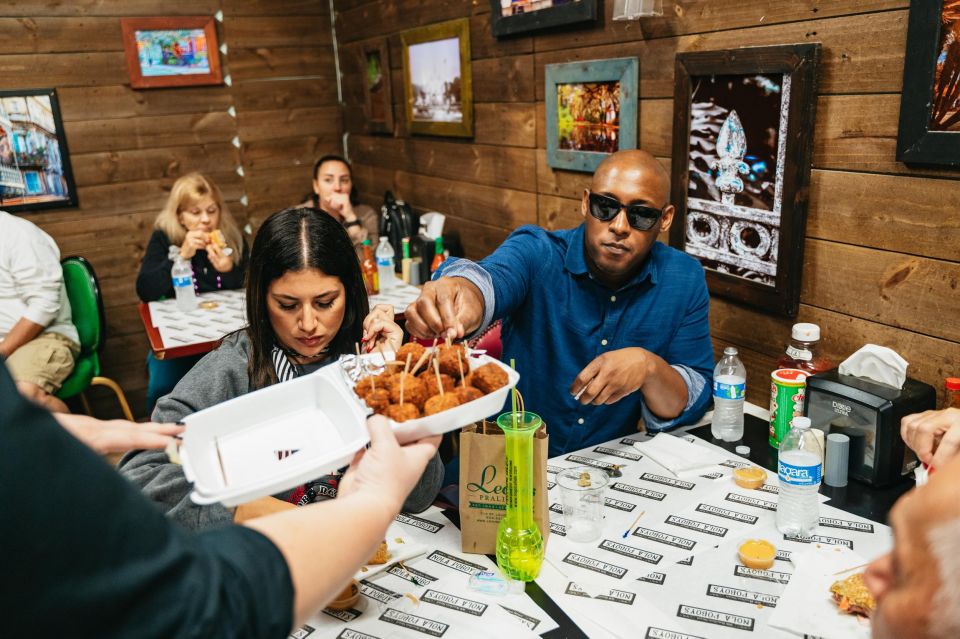
After the po-boy, you’ll experience another New Orleans original: the muffuletta sandwich, plus boudin balls. This is a strong duo because it gives you two “meaty” bites with different vibes—muffuletta’s distinctive, pressed sandwich identity on one side, boudin balls bringing that Cajun-style sausage flavor in a snackable form on the other.
What I like here is the contrast. If you’ve been eating spicy gumbo and sweet pralines earlier, this section shifts you toward savory comfort again—then helps you finish the meal tour without getting stuck on one taste category.
If you’re sensitive to pork products, this is where you’ll need to pay attention. The tour notes it does not offer a pork-free option, so this isn’t the right match for every dietary profile.
Creole Cookery: red beans and rice, the comfort-food workhorse
Next up is Creole Cookery, where you’ll tuck into red beans and rice. This stop is where the tour shows you the everyday backbone of Louisiana comfort food, not just the “tourist famous” items. Red beans and rice has a homey quality that makes it a great tasting when you’ve walked a while and your appetite is fully awake.
Practical benefit: this is a calmer, more filling dish than the spicy hot sauce bar. It helps balance the route so you’re not relying only on fried and sweet bites to carry you through the final stretch.
Bananas foster bread pudding: the sweet finish on Toulouse
You’ll end on a sweet note with bananas foster bread pudding. It’s a smart way to close because it pulls together the tour’s theme of Louisiana comfort: warm dessert, familiar flavors, and that unmistakable New Orleans tendency to turn a simple ingredient into something special.
This final stop is also your signal to slow down on food decisions for the rest of your day. Between gumbo, po-boy, muffuletta, boudin balls, red beans and rice, and candy, you’re going to leave full.
Walking pace, weather, and what to wear
The tour runs rain or shine. That means you should dress for wet streets, strong sun, or humidity. Bring a light rain layer if you travel in storm season, and make sure your shoes can handle slick sidewalks.
Also note the tour is described as wheelchair accessible, but it isn’t labeled suitable for people with mobility impairments. Translation: there’s enough walking and street movement that some guests may find it difficult. If mobility is a concern, it’s worth thinking hard about how much time you can comfortably spend on foot, even if ramps or access points exist.
And yes, there are bars at most restaurant stops, so you can purchase a cold drink if you want. Alcoholic beverages or soft drinks are not included, though water is provided.
Guides really matter here: what to expect from the human side
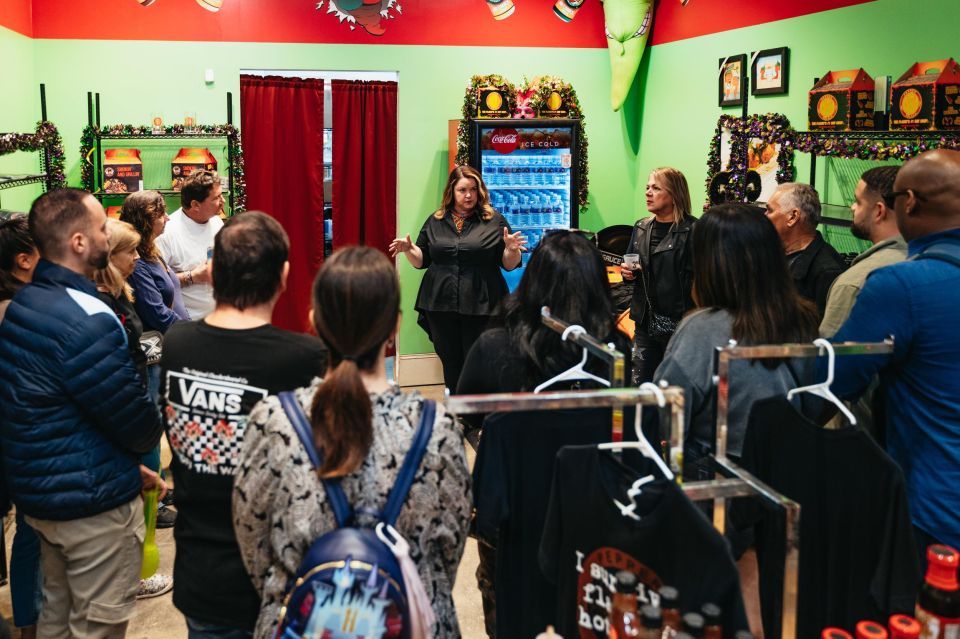
One thing the experience does well is make the guide part of the product. Names you might run into include Beth, Mike, John (and John/Professor), Gary, Kat, Dylan aka Dr Gumbo, Cat, and Kate. In the stories shared about them, the common thread is clear: the pacing stays comfortable, and the food facts connect to the neighborhood around you.
I also appreciate when a guide offers extra suggestions. If you’re new to New Orleans, those tips can help you plan dinner or a second walk without guesswork.
Possible drawback to keep in mind: the start location is at 3rd Block Depot, and on at least some days you might deal with staff who are loud or distracting while the guide is talking. That’s not a deal-breaker, but it’s something to expect when you’re listening to history in a busy indoor space.
Who this tour is best for (and who should skip it)
This French Quarter food history tour is a great fit if:
- you want a structured walk through the core of the Quarter
- you like variety and want to try multiple classics in one outing
- you care about why the food is the way it is, not just what it tastes like
It’s not the best match if:
- you need gluten-free, dairy-free, vegetarian, or pork-free options (the tour explicitly doesn’t offer those)
- you’re vegan or need strict dietary accommodations beyond what the set menu allows
- you have mobility limitations that make repeated walking hard
Should you book it? My recommendation
If you’re doing your first (or early) New Orleans trip and you want to learn the city through its food, I’d book this. The combination of gumbo, hot sauce sampling, pralines, two major sandwiches, red beans and rice, and bananas foster bread pudding hits the core of what people come to taste in the French Quarter—while the guide connects it to the bigger cultural picture.
But if your diet is highly restrictive, treat the set menu as the deciding factor. This isn’t a choose-your-own-plate situation. It’s a fixed tasting route built around Louisiana staples, including pork-containing items.
FAQ
How long is the French Quarter Food History Walking Tour?
It’s about 3 hours long.
How much does the tour cost?
The price is $85 per person.
Where do I meet the guide and where does the tour end?
You meet your guide inside the 3rd Block Depot restaurant at 316 Chartres St. The tour finishes at Toulouse St, New Orleans, LA 70116.
How many food samples will I get?
You’ll get up to 9 food samples during the tour.
What kinds of food will I taste?
You’ll taste Louisiana staples such as gumbo, pralines, po-boys (including a catfish po-boy), a muffuletta sandwich, boudin balls, red beans and rice, and bananas foster bread pudding. You’ll also sample hot sauce varieties.
Does the tour run in bad weather?
Yes. The tour runs rain or shine.
Are there vegetarian, vegan, gluten-free, or dairy-free options?
No. The tour has a set menu and does not have gluten-free, dairy-free, vegetarian, or pork-free options. It is also not suitable for vegans or vegetarians.
Are alcoholic drinks included?
No. Alcoholic beverages and soft drinks are not included, though most restaurant stops have stocked bars where you can purchase drinks.
Can I cancel for a full refund?
Yes. You can cancel up to 24 hours in advance for a full refund.
What about food allergies?
Let the activity provider know about your food allergies when booking. The tour notes that it has a set menu, so sharing allergy details is important.