REVIEW · NEW ORLEANS
From New Orleans: Whitney Plantation Ticket & Transportation
Book on GetYourGuide →Operated by Gray Line New Orleans · Bookable on GetYourGuide
History hits different here. Whitney Plantation is Louisiana’s slavery-focused plantation museum, and the first-person narratives you hear on the audio route make the site feel painfully real. I also love that you’re not just looking at a big house; you’re walking past historic outbuildings that help explain how the plantation actually worked.
One of my favorite parts is the contrast between the memorial setting and the Spanish Creole Big House—a standout example of early raised Creole cottage architecture. Seeing that craftsmanship while the museum centers enslaved people creates a hard, necessary kind of perspective.
The main drawback to plan for is time and feet. You have about two hours on-site, and walking the grounds is part of the experience, so bring comfortable shoes and accept that you won’t finish every written detail slowly.
In This Review
- Key things to know before you go
- Gray Line pickup: getting to Whitney Plantation without the hassle
- The ride to the plantation: where the driver’s local talk helps your visit
- On-site flow: how the day feels once you arrive
- What makes Whitney different: slavery first, architecture second
- The trail and outbuildings: why the “in-between” spaces hit hardest
- The Spanish Creole Big House: a rare architecture you shouldn’t ignore
- First-person slave narratives: the audio part that does real work
- Memorial art and restored buildings: how the museum handles memory
- Walking, stairs, and comfort: plan like a grown-up (with comfy shoes)
- Price and value: is $84 a fair deal for this kind of day?
- Who should book this tour (and who might want a different option)
- Should you book Whitney Plantation Ticket & Transportation?
- FAQ
- How long is the Whitney Plantation day trip from New Orleans?
- When does the tour depart?
- Where do I meet for the Gray Line bus?
- What’s included in the ticket price?
- Is food or drinks included?
- Is the plantation tour guided or self-guided?
- How much time do I have to explore Whitney Plantation?
- Can I access the second floor in the historic home?
- What if I need to cancel?
Key things to know before you go
- A slavery-focused plantation museum in Louisiana: the museum’s mission centers the people enslaved here, not the owners.
- Self-guided audio tour: you control your pace with a headset audio experience as you follow the trail.
- About two hours to explore: enough time to do the core route, but not a “wander all day” setup.
- Historic buildings and outbuildings: the restored structures help explain plantation life beyond the main house.
- Big House architecture matters: the Spanish Creole raised-cottage design is a physical reminder of the era’s power.
- Walking the grounds is built in: plan for outdoor walking, and don’t count on a fully seated experience.
Gray Line pickup: getting to Whitney Plantation without the hassle
Your day starts at the Gray Line Lighthouse, 400 Toulouse St, New Orleans (behind Jax Brewery). Arrive about 15 minutes early so you can exchange your voucher for a boarding ticket and get seated without stress.
Then it’s into a modern, air-conditioned bus for the ride out of the city. The trip takes about an hour each way, and you’ll usually get extra regional context from the driver along the way—topics like Louisiana geography and culture, and even how Hurricane Katrina shaped the area.
If you’re wondering whether the bus portion is “just transport,” it’s not. On days when the driver (for example, names like Bryan, Alton, or Melinda) leans into storytelling, the ride sets you up for what you’ll face at the plantation—quietly, respectfully, and with the right amount of context.
You can also read our reviews of more tours and experiences in New Orleans


The ride to the plantation: where the driver’s local talk helps your visit
What makes this transportation part genuinely useful is that it turns the journey into orientation. You’re not stuck in silence. You get helpful background on what you’re seeing on the route and what the region’s environment means for plantation life.
I also like the practical touch some drivers add: they may stop along the way for photo opportunities at nearby plantation-related viewpoints. One common example from the experience is a stop connected to film locations tied to Django Unchained—fun for photos, but still within the larger “plantation country” frame.
One caution: keep expectations realistic. This is still a bus day trip. Even with good guiding on the road, you’ll want to save your energy for the walking and the audio experience once you arrive.
On-site flow: how the day feels once you arrive
Once you reach Whitney Plantation, the museum experience is built around a self-guided audio route. You’ll follow a walking trail that’s designed to lead you through the site in a way that supports reflection—starting with the outdoors and moving toward the visitor center.
You typically have about two hours at the plantation. That timing is part of the design: enough time to absorb the key locations and memorial elements, without turning it into a marathon you can’t process.
Here’s the simple strategy I recommend: do the outdoor trail first after you get off the air-conditioned bus. That way, you’re walking into the story in real time, not after you’ve already warmed up and settled in.
Then finish in the visitor center, where you can cool down and take a breath before the audio tour ends. The format keeps you moving, but it also gives you a logical landing point.
What makes Whitney different: slavery first, architecture second
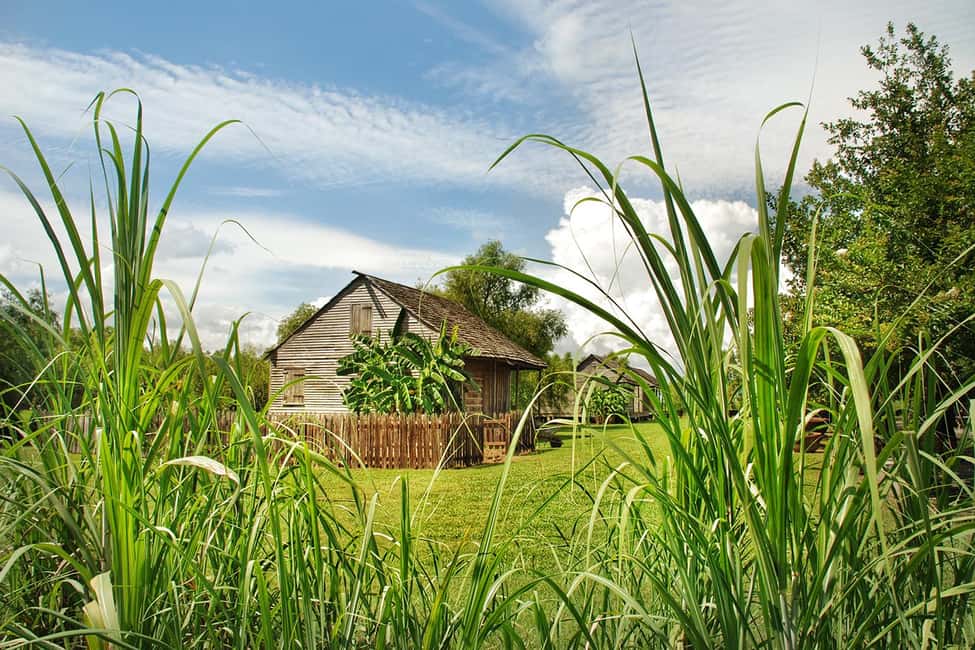
Plenty of plantation tours focus on the main house as the headline. Whitney Plantation flips that. The museum is the only Louisiana plantation museum opened to the public in 2014 with a primary focus on slavery, and it keeps enslaved people at the center of the experience.
That means your attention goes to the restored outbuildings, the memorial artworks, and the hundreds of first-person slave narratives. Even when you see the grandness of plantation-era construction, the museum doesn’t let you treat it as scenery.
It’s also helpful to know the site’s identity. The plantation is associated with Habitation Haydel, later known as the Whitney Plantation. Early owners made wealth producing indigo before shifting to sugar in the early 1800s, so the landscape isn’t just “old”—it connects directly to how labor systems supported major crops.
The trail and outbuildings: why the “in-between” spaces hit hardest
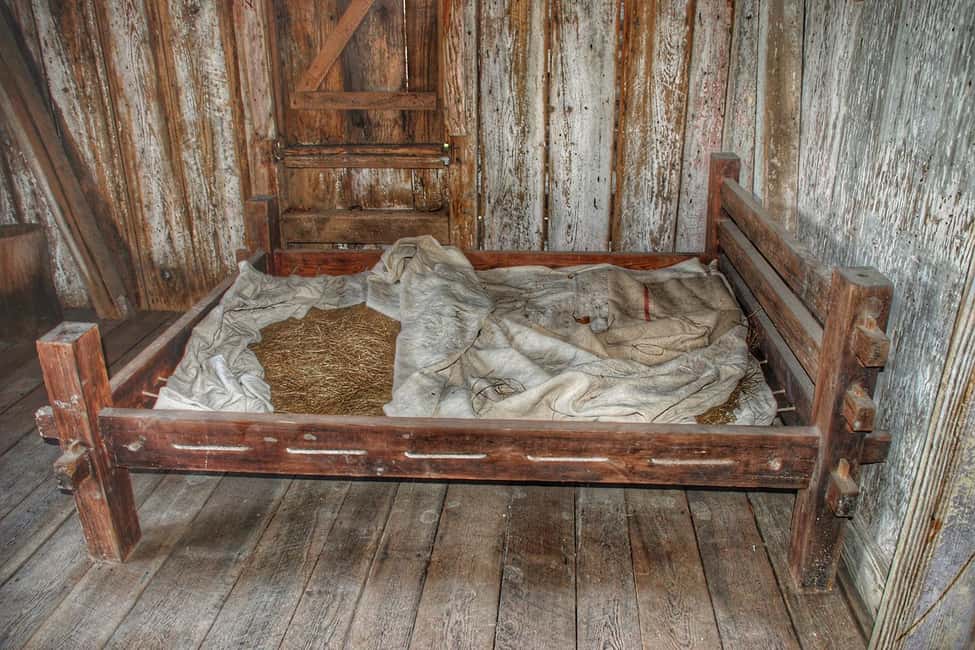
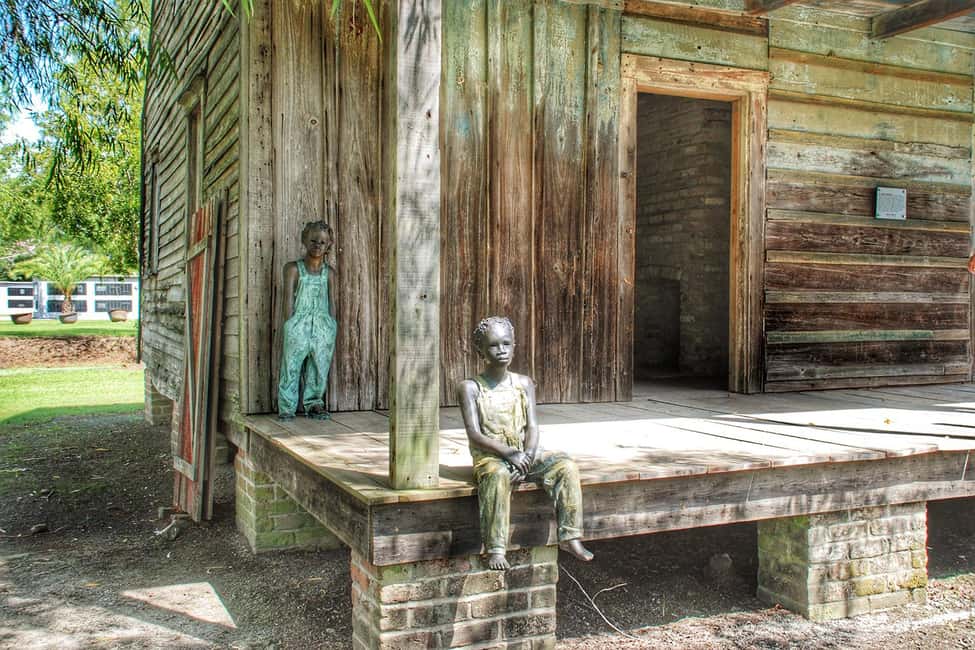
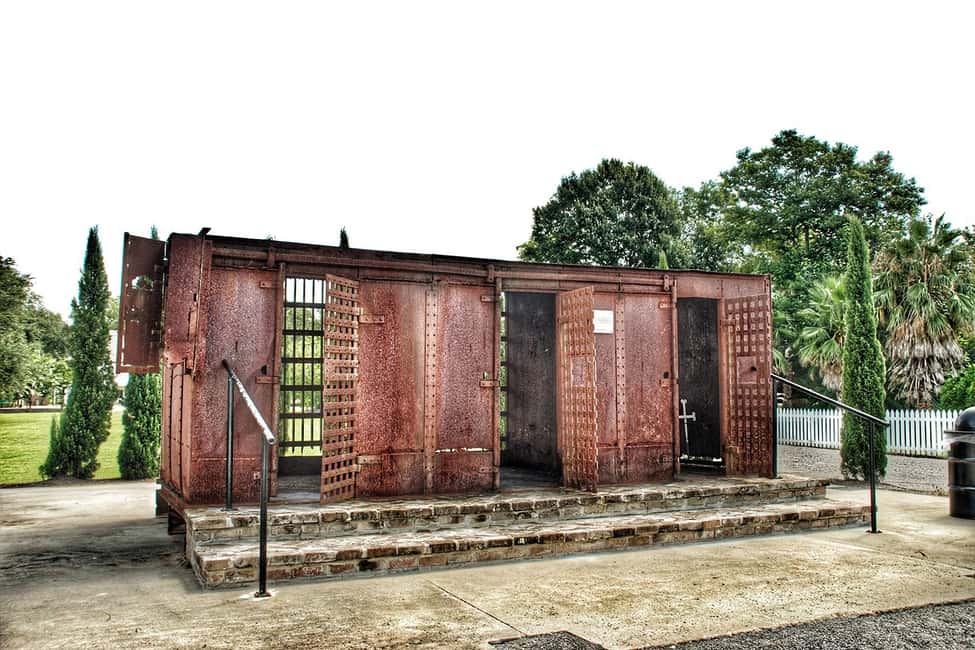
If you want the experience to feel honest, focus less on the main house and more on the supporting spaces. Whitney Plantation includes historic outbuildings added over the years, and that matters because plantation life wasn’t only carried out in one formal building.
As you walk, you’ll move through the kind of spaces that help explain routine, separation, work, and control. The museum’s approach uses buildings and placement to give you a sense of how the plantation operated, not just how it looked.
The self-guided format also helps here. With audio, you can pause at the spot that affects you most and then move when you’re ready. If you rush, you’ll miss what those in-between spaces communicate.






The Spanish Creole Big House: a rare architecture you shouldn’t ignore
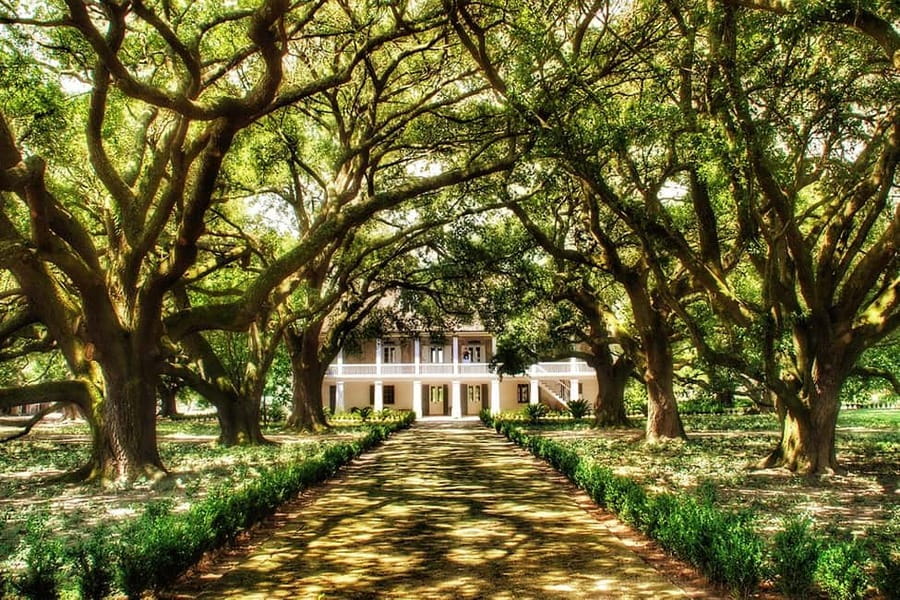
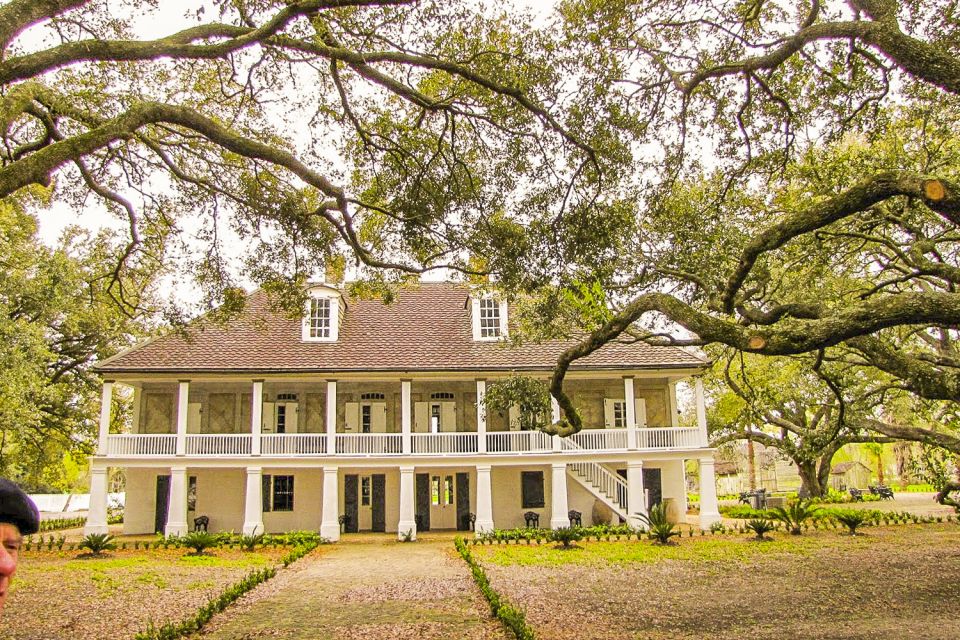
The Big House is one of the finest surviving examples of Spanish Creole architecture in Louisiana. It’s also described as one of the earliest raised Creole cottages in the state.
Here’s why I think that architectural detail is important for your understanding: you’re seeing skill and design from the same era that depended on forced labor. The museum doesn’t ask you to admire that architecture in a vacuum. Instead, it uses it as context—so the contrast between craftsmanship and brutality becomes part of the point.
If you love history that connects art, design, and daily life, this stop delivers. You can appreciate the Spanish Creole features while the museum keeps returning you to the human cost behind them.
First-person slave narratives: the audio part that does real work
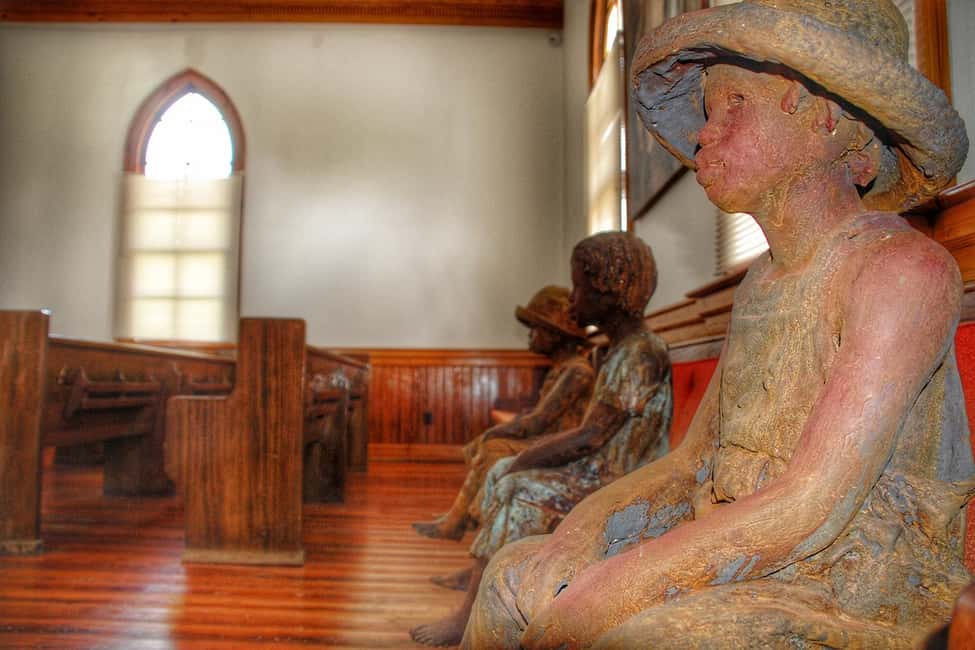
The audio tour is the heartbeat of the visit. The museum uses hundreds of first-person slave narratives—spoken memories that turn the plantation grounds into something closer to testimony than exhibit text.
This is the part you’ll feel in your chest, not just read with your eyes. The narratives are tied to the places you’re standing on, so you’re not learning about slavery as a distant chapter. You’re listening to specific lives, and it changes how the site registers in your mind.
Practical tip: bring headphones that fit comfortably for the length of the walk. You’ll want to hear every word clearly, because the museum’s emotional power relies on the narration being accessible and focused.
Memorial art and restored buildings: how the museum handles memory
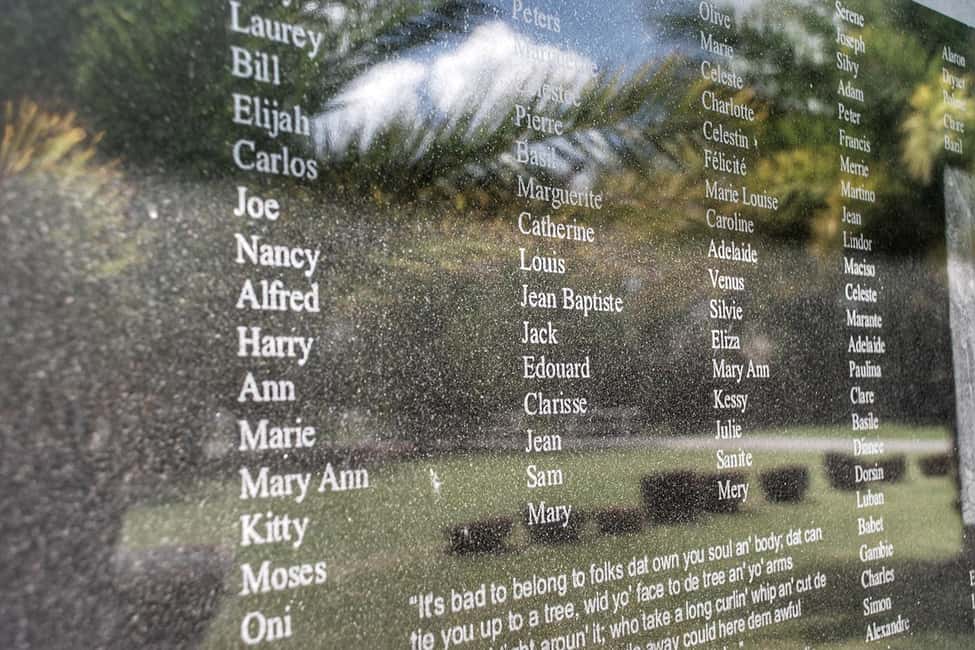
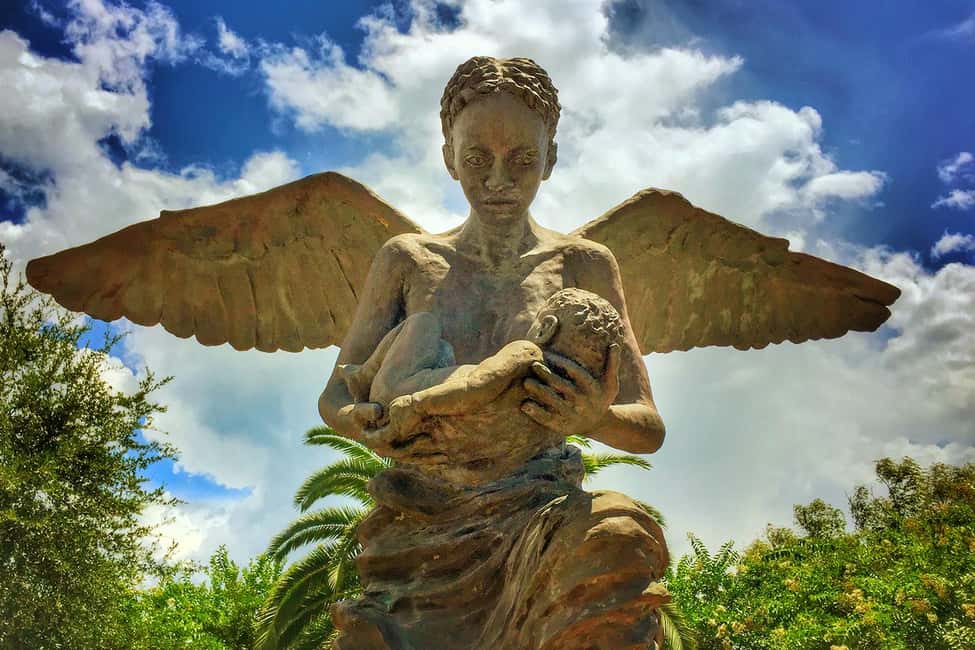
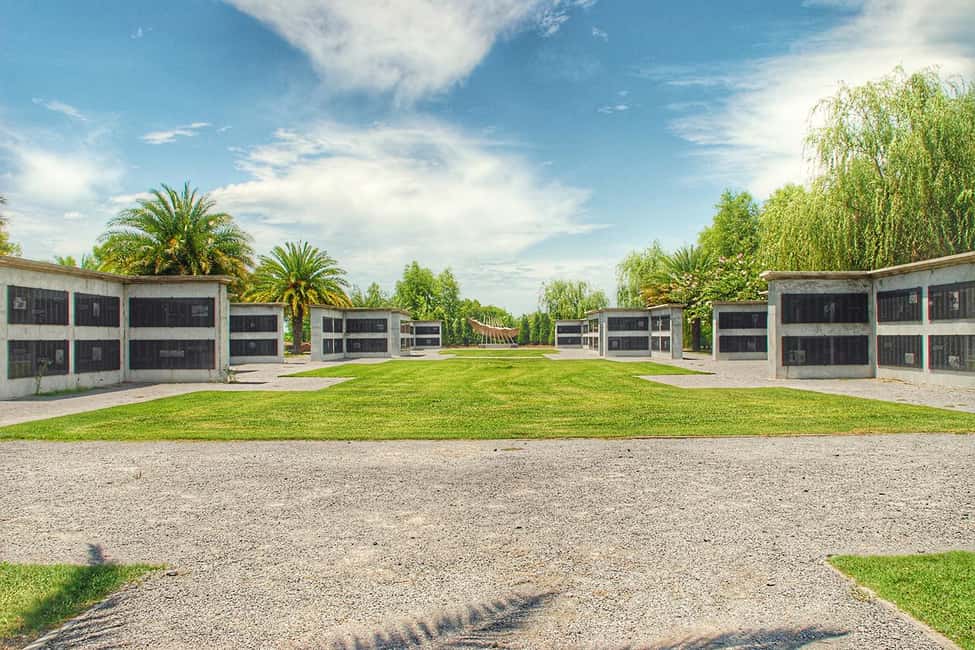
Whitney Plantation is designed as a site of memory and consciousness. That means you’re not walking through a theme park of plantation “characters.” The memorial artworks and restored buildings are there to honor enslaved people and to prompt reflection beyond the property itself.
You’ll notice the museum pays homage not only to those who lived and worked on the plantation, but also to the broader reality that slavery’s effects were felt across the United States.
That focus can be heavy, but it’s also why this tour is widely recommended as essential. It teaches you to read the plantation landscape with moral clarity instead of romantic nostalgia.
Walking, stairs, and comfort: plan like a grown-up (with comfy shoes)
Walking the grounds is integral, so don’t treat this as a light sightseeing stop. Even if you pace yourself, you’re outside for a meaningful portion of the visit.
Also plan around building access. Because the home is historic, access to the second floor is by stairs only. If stairs are a challenge for you, focus on the areas you can reach and let the audio tour guide your attention to key memorial points.
Wheelchair access is supported via vehicle lifts, and the local partner provides access for wheelchairs (but not scooters or walkers). If you’re traveling with mobility needs, you’ll want to plan early so availability for the chair and lift setup is secured.
And since food and beverages are not included, plan your day accordingly. Bring water, and consider a small snack so you’re not hungry while you’re trying to stay present during the most emotional parts of the museum.
Price and value: is $84 a fair deal for this kind of day?
At $84 per person, this isn’t a “cheap attraction,” but it also isn’t just a ticket to walk around. Your price bundles round-trip transportation by air-conditioned bus, entrance to Whitney Plantation, and a self-guided audio tour.
You’re buying three practical things at once:
- Transport out of New Orleans without car logistics.
- Admission to a highly specialized museum.
- Audio guidance that turns a self-paced visit into a structured experience.
Given that the plantation visit itself is about two hours plus the ride time, the cost makes sense if you care about doing the visit properly. If you were only paying for entry and you had to figure out parking and routing, your value would drop fast. This package keeps the day simple and keeps you focused on the one thing you actually came for.
Who should book this tour (and who might want a different option)
I think this tour fits best if you want history that tells the truth plainly. If you’re the type of traveler who likes context, uncomfortable facts, and respectful memorial spaces, you’ll appreciate how Whitney Plantation is built around slavery rather than plantation grandeur.
It’s also a good choice for families and mixed ages who can handle serious topics, because the museum is designed to communicate across generations. If your group prefers upbeat sightseeing or purely scenic walks, you might find the tone too intense.
This is also a strong option if you want control over your pace. Since it’s self-guided with audio, you can spend longer where you need to, and skip the places that don’t help you connect with the story.
Should you book Whitney Plantation Ticket & Transportation?
If you’re visiting New Orleans and you feel a responsibility to understand the region’s history beyond the postcard version, I’d book it. The slavery-focused mission, the first-person narratives, and the purposeful mix of outbuildings and memorial art make this more than a generic plantation stop.
Do it especially if you like structured self-guided experiences: you get the framework, but you’re not stuck marching in lockstep.
The only real reason to hesitate is if your group can’t handle a walking museum with heavy subject matter, or if two hours on-site would feel too short for how you like to travel. If that sounds like you, you might want a slower, more flexible option elsewhere.
Otherwise, plan comfy shoes, bring water, and go in ready to listen. This is the kind of day trip that changes what you notice afterward, long after the bus drops you back in New Orleans.
FAQ
How long is the Whitney Plantation day trip from New Orleans?
The total duration is 5 hours.
When does the tour depart?
Starting times vary, so you’ll need to check availability to see the specific departure options for your date.
Where do I meet for the Gray Line bus?
Meet at the Gray Line Lighthouse, 400 Toulouse St, New Orleans, LA 70130, behind Jax Brewery. Arrive at least 15 minutes early to exchange your voucher for a boarding ticket.
What’s included in the ticket price?
It includes round-trip transportation by air-conditioned bus, entrance to Whitney Plantation, and a self-guided audio tour.
Is food or drinks included?
No. Food and beverages are not included.
Is the plantation tour guided or self-guided?
It’s self-guided with an audio tour once you arrive.
How much time do I have to explore Whitney Plantation?
You typically have about 2 hours on-site to follow the trail and audio experience.
Can I access the second floor in the historic home?
Access to the second floor is by stairs only.
What if I need to cancel?
Free cancellation is available up to 24 hours in advance for a full refund.