
REVIEW · NEW ORLEANS
Private New Orleans Cajun Cooking Class with a Local Courtland
Book on Viator →Bookable on Viator
Cajun cooking in a real New Orleans home. I love the private setup and the hands-on instruction from Courtland, so you’re not just watching and taking notes. Instead, you cook, taste, and learn the little decisions that make Cajun food feel like family.
Courtland learned to cook from his grandmother and father, and you can feel that lineage in how the lesson is paced and explained. I also like that he leans on seasonal ingredients from his garden or local markets. One drawback to plan for: it’s a home experience, so it’s not a polished, commercial kitchen setup, and you’ll share the space with his wife and their cat.
In This Review
- Key Reasons This Private Cajun Class Works So Well
- A Private Cajun Class in a Real Neighborhood Home
- Meet Courtland and Settle In at His Garden-Backed Home
- The 3-Hour Flow: Welcome, About 1.5 Hours of Cooking, Then Dinner at the Table
- What You Actually Cook: Starter, Main, Dessert (And the Cajun vs Creole Lesson)
- Starter: Traditional Cajun Appetizer
- Main: One of Several Cajun Favorites
- Dessert to Finish
- Cajun vs Creole Differences
- Ingredients and Seasonal Changes: What Fresh Produce Adds to the Lesson
- Private Means You Get Real Attention (Not Just a Shared Demo)
- Drinks, Beer or Wine, and the Shared Meal Part
- Price and Value: Why $64 Can Feel Fair for What You Get
- Practical Tips Before You Go (So You Enjoy It More)
- Who This Cooking Class Fits Best
- Should You Book This Private New Orleans Cajun Cooking Class?
- FAQ
- Where is the meeting point for the cooking class?
- How long is the experience?
- Is this a private class or do I join a bigger group?
- What dishes will we cook?
- Is lunch or dinner offered?
- Can the host accommodate dietary restrictions?
- Is beer or wine included?
- What if I need to cancel?
Key Reasons This Private Cajun Class Works So Well
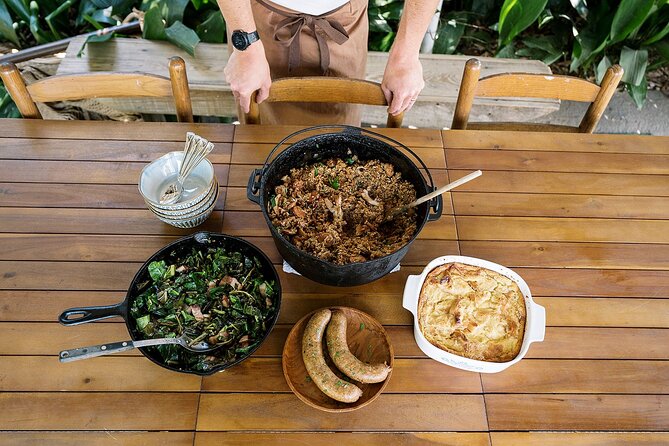
- Courtland’s family-style approach: stories, technique, and cooking together at his home
- Garden and market ingredients: you’ll cook with what’s fresh for the season
- Three dishes, not one: a starter, a main, and a dessert during the lesson
- Cajun vs Creole context: you’ll learn what sets them apart as you cook
- Then you eat what you made: sit down and share the meal with beer or wine
A Private Cajun Class in a Real Neighborhood Home
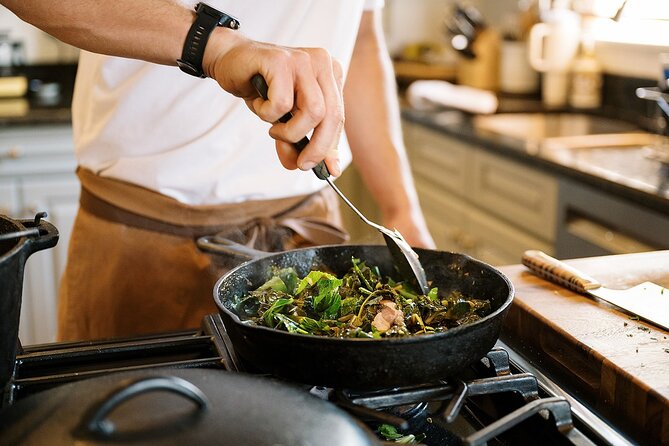
This experience is built around an idea I like a lot: learning food by cooking it, not just being shown it. You start in a residential part of New Orleans, not the tourist strip, which changes the whole mood. The place feels lived-in, welcoming, and calm in a way that makes it easier to ask questions while you’re actually holding a knife or stirring a pot.
Courtland hosts in his own home, sharing his kitchen and garden with your group. He’s proud of his Cajun French roots, and he learned to cook from his grandmother and father, with family cooking traditions that still live on. That matters because Cajun cooking is part technique, part instinct, and part conversation. This class is set up so you get all three.
You can also read our reviews of more private tours in New Orleans



Meet Courtland and Settle In at His Garden-Backed Home
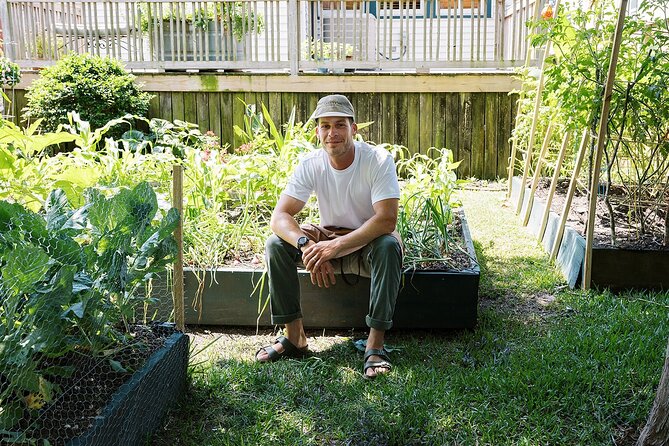
Plan on arriving and being greeted in a friendly, no-rush way. You’ll meet Courtland at 305 Homedale St, New Orleans, LA 70124, in a home that includes a beautiful garden. Before you cook, you sip a refreshing drink while he tells stories about living in New Orleans.
This pre-cooking time is more than small talk. It’s how Courtland frames what you’re about to learn. You get the cultural background first, so terms like Cajun cooking techniques and Cajun French influence make sense in your head while you work in his kitchen.
One nice detail from how people describe the experience: the welcome feels warm and personal, like you’ve been folded into a household routine. If you like classes where you’re treated like a person, not a ticket number, you’ll feel that right away.
The 3-Hour Flow: Welcome, About 1.5 Hours of Cooking, Then Dinner at the Table
The whole experience runs about 3 hours. The cooking lesson is roughly 1.5 hours, and the rest of the time is spent eating together at the table with what you helped prepare.
Here’s the rhythm you should expect:
- Start in Courtland’s home with a drink and stories
- Cook a full meal with hands-on guidance and demonstration elements
- Eat together family style, so the meal doesn’t feel like an afterthought
You’ll be encouraged to cook based on what you taste, see, and smell. That’s a great approach for home cooks. It shifts the focus from memorizing steps to learning judgment. And it’s also why a private class can be so worth it: you can slow down, ask, and adjust while it’s still in progress.
Also note that you can choose a lunchtime or dinner class. If you’re the type who likes a big night plan, dinner works well. If you prefer to finish early and explore on your own afterward, lunch is a smart move.
What You Actually Cook: Starter, Main, Dessert (And the Cajun vs Creole Lesson)
During the lesson, you’ll make three authentic Cajun dishes: an appetizer, a main, and a dessert. The exact dishes can vary by season, but the menu options follow a classic Cajun pattern.
Starter: Traditional Cajun Appetizer
A traditional starter example is boudin balls. This sets the tone: you’ll start with something unmistakably Cajun, and you’ll learn how the starter fits into the bigger meal.
You can also read our reviews of more cooking classes in New Orleans
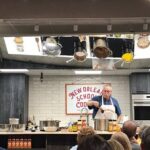

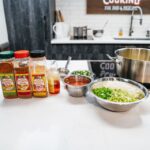
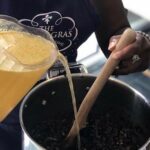

Main: One of Several Cajun Favorites
For the main course, you can expect options such as jambalaya, gumbo, étouffée, or blackened fish, plus a vegetable side. The key value here isn’t just the recipes. You’ll be taught the important techniques and some tricks behind them, and you’ll get to see how decisions in cooking change the final result.
Dessert to Finish
The meal ends with a dessert. The exact dessert may vary, but the structure stays the same: you cook it, then you get to enjoy it at the table with your group.
Cajun vs Creole Differences
One of the most useful parts is the explanation of the differences between Cajun and Creole cuisine. Even if you’ve eaten New Orleans food before, this part helps you place what you’re tasting into a clearer framework. I like that the comparison happens during cooking, not as a lecture in the middle of nowhere.
Ingredients and Seasonal Changes: What Fresh Produce Adds to the Lesson
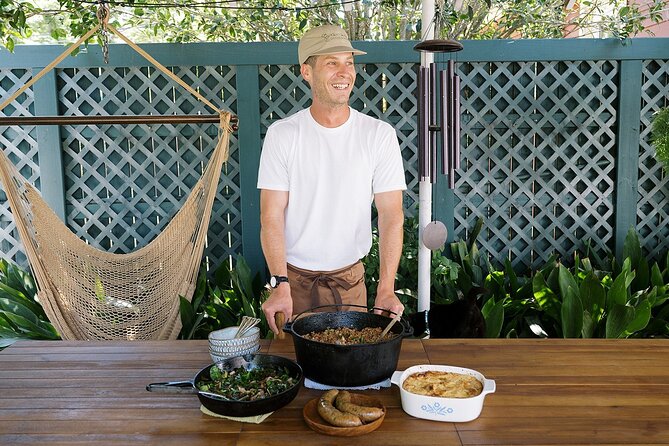
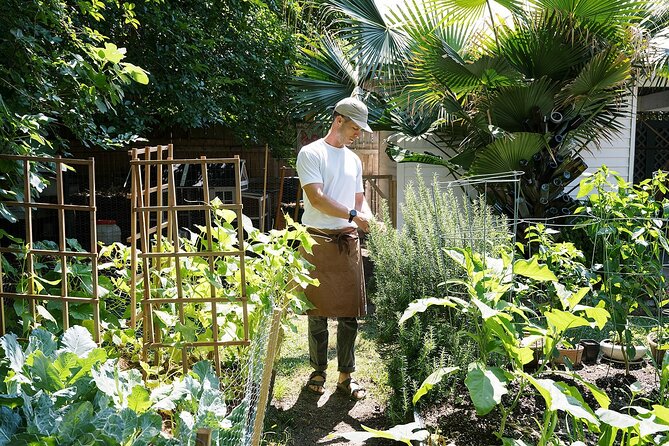
Courtland uses fresh produce whenever possible, pulling from his own vegetable garden and from local markets when needed. That means your menu can shift with the season.
For you, that’s practical. It changes what you learn because you’re cooking with what’s actually available. If you’re a food traveler, this is one of the best ways to understand a place: the flavors change because the ingredients change, and local cooks work with that reality.
This seasonal approach also makes the meal more memorable. A dish built from ingredients at their best tends to taste more vivid. And because this class is private and home-based, you’re not fighting for space at a counter or waiting in line for a chance to stir.
Private Means You Get Real Attention (Not Just a Shared Demo)
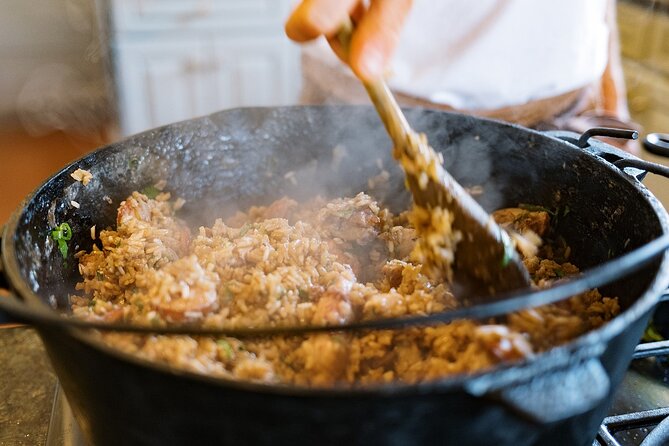
This is a private class, meaning only your group participates. That changes how the lesson feels. Instead of watching someone else do all the work, you’ll cook, ask questions, and adjust as you go.
It also changes the pace. Cajun cooking benefits from tasting and checking as you cook, and a private setup makes it easier to ask, Why does it look like this? or How should I know when it’s right?
From the way people describe the experience, the best moments come from that personal contact. They remember being welcomed like long-lost friends, then guided through the cooking with care and humor. If you want to leave with a meal you understand, not just one you ate, this private format helps.
Drinks, Beer or Wine, and the Shared Meal Part
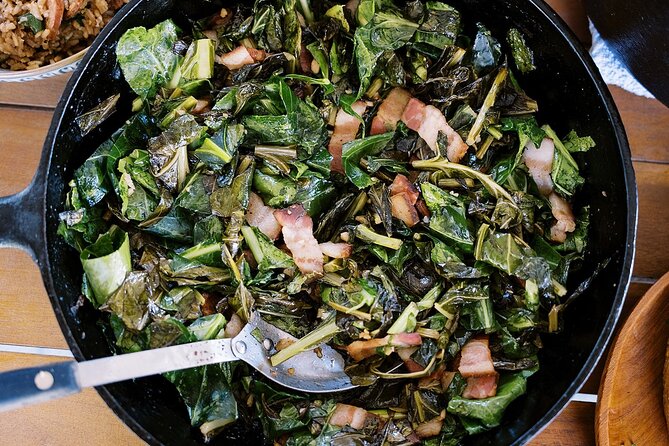
After cooking, you sit down and share the meal you prepared. The menu includes beer or wine with your meal. That’s a big part of the value equation, because your ticket isn’t only paying for a class. You’re paying for a full experience that ends with a real sit-down dinner.
This is also where the social magic happens. Courtland’s whole philosophy is that food brings people together and sparks conversation. Even if your group is quiet at first, the table gives you a natural reason to talk: What dish should we try next? How spicy is this supposed to be? What did you notice when you tasted it at each step?
Price and Value: Why $64 Can Feel Fair for What You Get
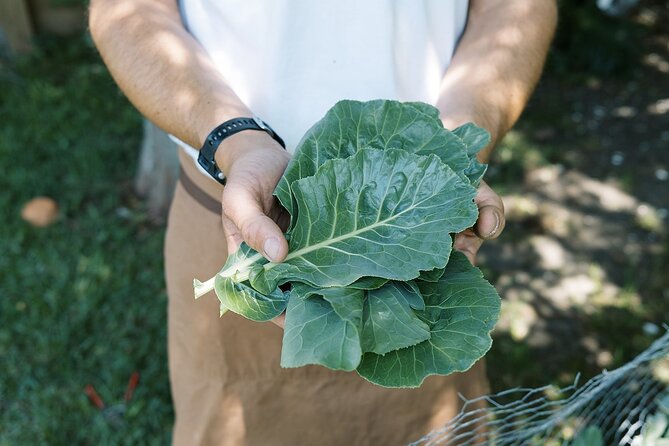
At $64 per person, this doesn’t look like a bargain if you’re comparing it to a cheap food tour snack stop. But that’s the wrong comparison. This is a private, home-hosted cooking class with a full meal you cook and eat, plus beer or wine.
The value is strongest in three areas:
- Private time with a local expert (not a crowd)
- Three dishes, not a single demo
- Meal included, with a sit-down finish
Also, the price tends to make sense when you think about alternatives. A restaurant meal is usually one stop, one dish, and no instruction. A cooking class that includes food to eat can cost more, especially when it’s not just hands-off watching.
One practical note: the class is booked about 76 days in advance on average. That suggests it sells out enough that you should plan ahead rather than hoping for last-minute availability.
Practical Tips Before You Go (So You Enjoy It More)
A few small things can make the experience smoother.
- Bring a big appetite. You’ll cook, then you’ll eat what you helped make.
- Expect a home setting. That’s part of the point, but it means your comfort level matters. You’re not in a classroom; you’re in a household kitchen.
- Plan for the cat. Courtland shares the home with his wife and their cat, so you may see or interact with the cat depending on the moment and room.
- Tell them about dietary needs ahead of time. Courtland is happy to accommodate vegetarian, gluten-free, or lactose-free diets on request.
- Use your mobile ticket. You’ll have a mobile ticket for entry.
If you’re sensitive to smells or noise, a home kitchen might feel different than a hotel or studio. Most people won’t mind, but it’s good to know what kind of environment you’re walking into.
Who This Cooking Class Fits Best
This is a strong match if you want New Orleans food in a way that’s personal and educational.
You’ll likely enjoy it if you:
- Want more than a restaurant meal and want to learn the process
- Like local stories tied to what you’re eating
- Prefer smaller, private settings where you can ask questions
- Enjoy Cajun cuisine and want a clearer sense of the Cajun vs Creole differences
You might not love it if you want a huge production, a big group vibe, or a commercial kitchen style experience. This is home cooking, hosted by a person, with a real neighborhood atmosphere.
Should You Book This Private New Orleans Cajun Cooking Class?
Yes, I’d book it if you care about food as culture and you want a meal with real learning attached. At $64, the price feels fair for a private class that ends with a shared dinner and drinks, especially when you’re cooking three dishes instead of watching one.
Book it sooner rather than later since it’s taken up fairly far in advance. And send dietary requests early if you have them, since accommodations are available on request.
One more quick decision check: if you like the idea of tasting, smelling, and adjusting as you cook, this fits your style. If you prefer strict step-by-step instructions with no sensory judgment, you might find the approach a little different. Either way, you’ll leave with a fuller understanding of Cajun cooking than you’ll get from a plate alone.
FAQ
Where is the meeting point for the cooking class?
You meet Courtland at 305 Homedale St, New Orleans, LA 70124.
How long is the experience?
It runs about 3 hours total, with about 1.5 hours spent on the cooking lesson.
Is this a private class or do I join a bigger group?
It’s private. Only your group participates.
What dishes will we cook?
You’ll cook three Cajun dishes: a starter, a main, and a dessert. The starter can be boudin balls, and the main can include jambalaya, gumbo, étouffée, or blackened fish, plus a vegetable side. The exact menu may vary by season.
Is lunch or dinner offered?
Yes. You can choose a lunchtime or dinner cooking class.
Can the host accommodate dietary restrictions?
Courtland can accommodate vegetarian, gluten-free, or lactose-free diets if you request it in advance.
Is beer or wine included?
Yes, the meal includes beer or wine.
What if I need to cancel?
You can cancel up to 2 days in advance for a full refund. If you cancel less than 2 full days before the experience’s start time, the amount you paid is not refunded.