REVIEW · NEW ORLEANS
Oak Alley Plantation Admission with Tour and Transportation
Book on Viator →Operated by 2nd Line Tours/Experience · Bookable on Viator
Those live oaks pull you in fast. I like that this trip combines hotel pickup with an air-conditioned ride and a restroom on board, so you’re comfortable even before you reach the plantation grounds.
I also like the guided grand house experience at Oak Alley, where the plantation story is told with enough structure to make sense of the big picture: how it worked, and what it cost human beings.
One thing to keep in mind is time pressure. The house portion (and sometimes the outbuildings) can feel rushed, especially if you want slow, room-by-room wandering.
In This Review
- Key things to know before you go
- Oak Alley Plantation in one morning: what this tour is really for
- Price and what you get for $79 per person
- Hotel pickup from downtown: how to avoid the first-day stress
- Riding the Great River Road: scenery plus learning context
- Entering Oak Alley: the famous oaks and the guided house flow
- Plantation economics explained: sugar wealth with real consequences
- The trade-off: timing can feel rushed at the house and slave areas
- Small group size: how it affects your experience
- Language note: English-led tours and what to double-check
- Who should book this Oak Alley with transportation from New Orleans?
- Should you book?
- FAQ
- FAQ
- How long is the Oak Alley Plantation tour?
- Is the plantation admission included in the price?
- What is the pickup window in New Orleans?
- Where do I meet if I am not using hotel pickup?
- What transportation is provided?
- Do I get a mobile ticket?
- What language is the tour in?
- What is the maximum group size?
- Are service animals allowed?
- Is there free cancellation?
Key things to know before you go

- Double row of live oaks: Oak Alley’s hallmark is an alley of living trees about 800 feet long, planted in the early 18th century.
- River Road drive with context: You’ll travel the scenic Great River Road, not just sit in a vehicle.
- Admission included in the price: You pay $79 per person and the plantation entry ticket is part of the package.
- On-board comfort: Air-conditioned transportation plus a restroom onboard makes the ride more bearable.
- Small group feel: Maximum group size is 24 travelers, which usually helps the flow of a guided visit.
- English-language tour: The experience is offered in English, which matters if you need another language.
Oak Alley Plantation in one morning: what this tour is really for

If you’re planning to see plantation sites from New Orleans, this kind of day tour is built for one main goal: getting you to Oak Alley without driving and then giving you a guided framework once you arrive. You start early (pickup between 8:00 and 8:30 AM) and you’re back the same day, with the whole plan running about 5 hours total on average.
The value is in the mix. You’re not just buying admission. You also get transportation in an air-conditioned vehicle, onboard restroom access, and a guided experience that covers both the grand house and the darker parts of the plantation system. Oak Alley’s grounds are famous for the long live-oak avenue, but the bigger point is how the tour connects the beauty of the property to the machinery of an economy built on exploitation.
Is it perfect? No. Time is the main trade-off. Even with a guided structure, you may feel you’re moving faster than you want—especially around the areas connected to enslaved life and housing. If you’re the type who reads every label and likes to step back and look at rooms for longer than the group, you’ll want to manage expectations.
You can also read our reviews of more tours and experiences in New Orleans.



Price and what you get for $79 per person
At $79 per person, this isn’t a budget excursion, but it is a practical one. The plantation admission ticket is included, and transportation is handled for you with hotel pickup (from most downtown hotels) plus a small-group format (maximum 24). When you factor in the effort and stress saved—parking, navigation, and timing—the price starts to make more sense.
Think of the cost as paying for three things:
- Convenience: Pickup and drop-off remove the biggest headache of a half-day plantation outing.
- Comfort: Air-conditioned vehicle and a restroom onboard.
- Guidance: A structured visit that helps you connect what you see with how the plantation economy actually worked.
If you’re traveling with limited time in New Orleans, this is one of those days that can make your schedule feel tighter in a good way: you get one high-impact plantation experience without losing your whole day to logistics.
Hotel pickup from downtown: how to avoid the first-day stress
This tour starts with a morning pickup, and the timing matters because you’re heading toward River Road traffic patterns. Pickup happens between 8:00 AM and 8:30 AM, and you should be outside your hotel by 8:00 AM. Because there are multiple hotel stops, your exact pickup moment may vary.
You’ll know the vehicle by sight: a white bus with the logo pulls up at your stop. It’s also smart to plan for delays beyond your control. The guidance is to allow up to 30 minutes for the bus to arrive, and if it’s past 8:35 AM with no pickup, you should call.
If your hotel isn’t on the list, you’ll select a nearby hotel from the pickup options. And if you’d rather not do hotel pickup at all, there’s a central meeting option: Parking Lot, 414 Canal Street, New Orleans, LA 70130. You’re instructed to search for it using the word parking lot.
This is one of those tours where arriving ready beats arriving late. If you want a smoother day, keep your morning simple: water, sunscreen, and an easy breakfast before pickup.
Riding the Great River Road: scenery plus learning context
Once you’re on board, you’re not just transferring from point A to point B. The ride includes travel along the Great River Road, the Mississippi River corridor lined with historic plantations and small towns. It’s the kind of drive where the scenery helps you understand why plantation wealth formed where it did—close to the river routes that moved goods.
Some people also get extra value from the drive itself, including planned photo stops related to well-known film locations in the area. Even if you’re not hunting movie scenes, the drive is still useful for getting your bearings: you see the river setting, you get the sense of distance and spacing between sites, and you arrive feeling less like you’re just showing up somewhere random.
The onboard restroom also matters here. A 5-hour total trip can feel longer if you’re waiting for bathroom breaks. Having that onboard option keeps you focused on the experience once you reach Oak Alley.
Entering Oak Alley: the famous oaks and the guided house flow
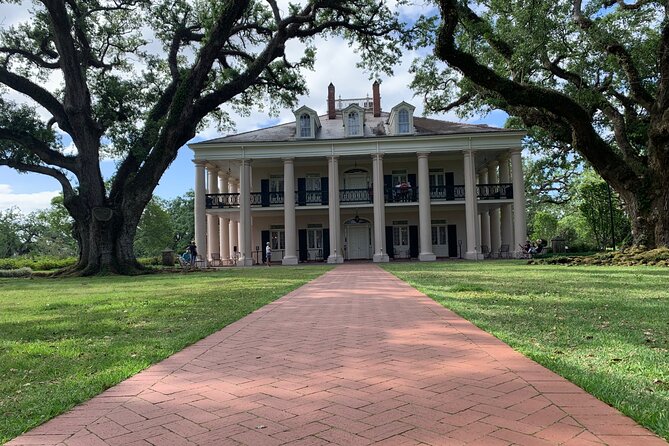
Oak Alley is named for its defining feature: an alley created by a double row of live oak trees stretching roughly 800 feet. That visual is one of the biggest reasons this site attracts repeat photographers and first-time visitors alike. But the tour does something important: it doesn’t treat the trees as separate from the plantation story.
At the plantation, you’ll move into the grand house experience as part of the guided plan. This is where the tour typically gives you context for what you’re seeing—how the owners’ life operated and why this property became so successful.
Two strengths tend to show up again and again in the guide approach:
- Clear explanations of what the rooms and features were meant to do.
- A consistent thread that links the opulence of the house to the reality that made it possible.
Some guides are especially praised for being passionate and for incorporating the enslaved people’s role as part of the narrative, not as a quick aside. If that’s the kind of interpretation you want, this tour is a good fit because it aims to connect privilege and exploitation in the same story.
And yes, the grounds are beautiful. You’ll be able to take in the gardens and the scale of those trees without feeling like you only have a ten-minute window to look around.






Plantation economics explained: sugar wealth with real consequences
This is where Oak Alley stops being just a pretty plantation postcard. The tour content connects the property to the broader Louisiana sugar economy and the global scale of cane production.
You’ll hear that Oak Alley’s success was tied to an enslaved labor system, and that Louisiana became a major driver of the world sugar trade. By the 1850s, Louisiana planters were producing about a quarter of the world’s cane sugar supply, which helped make Louisiana one of the wealthier states in per-capita terms.
For me, that framing is useful because it helps you connect the dots quickly. Instead of treating the plantation as an isolated sight, you get a sense of how money, global demand, and forced labor reinforced each other.
Importantly, the tour interpretation also aims to include the enslaved people’s role throughout the visit. If you care about a sobering account—not just the house and gardens—this is one of the better ways to structure your time. You’re not left wondering why everything feels “too pretty.” You get the explanation, and it’s not glossed over.
The trade-off: timing can feel rushed at the house and slave areas

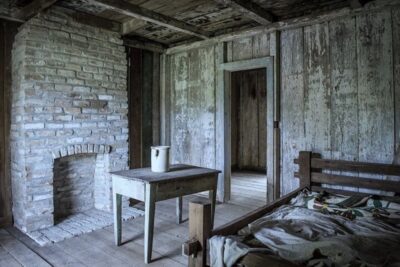
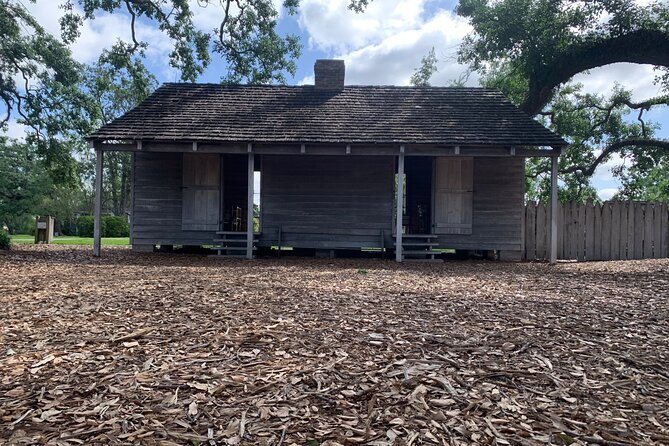
The most common practical complaint is time. The house portion can feel fast, and some people want more room-by-room access. Others also felt they didn’t get enough time to fully see the slave accommodation areas or to absorb everything at a slower pace.
This doesn’t mean the tour is low quality. It means the schedule is designed to work as a group experience with others moving in behind you. If you’re the kind of visitor who likes to linger, take photos, and read every sign, you should plan on doing a little of that only in the time windows you get.
A smart strategy is to decide ahead of time what you want most:
- If your priority is the big house tour, focus your energy there and accept that the surrounding areas may be quicker.
- If your priority is the slave quarters and support areas, be ready to move efficiently so you don’t miss the chance to see them.
The bright side: some people report they had about an hour to explore the grounds before the guided house portion. If your arrival timing gives you more of that window, you may feel the day is much more comfortable.
Small group size: how it affects your experience

With a maximum of 24 travelers, this tour usually has the feel of a group that can still function like a tour, not a busload of people who never pause. That size helps the guide keep everyone aligned and can make the ride and on-site transitions smoother.
You also tend to get more personal attention than on very large group tours. If you like asking questions or paying close attention to explanations, a smaller group format is your friend.
Language note: English-led tours and what to double-check
The experience is offered in English. If you’re booking expecting Spanish or another language, double-check before you pay. One mismatch can turn an otherwise well-paced tour into a frustrating blur, especially when the guide is explaining complex plantation systems and specific details about the property.
If you only speak English (or you’re comfortable with it), you’ll likely have a much easier time following the story and staying engaged.
Who should book this Oak Alley with transportation from New Orleans?
Book this if:
- You want a guided plantation visit with admission included and don’t want to self-drive.
- You care about hearing a plantation story that connects the house to the enslaved labor system.
- You value early pickup to reduce traffic stress.
Consider a different format if:
- You hate feeling rushed and want a longer, self-paced time in buildings and outbuildings.
- You need a language other than English for comfortable understanding.
- You want a very slow photo walk through every nook of the grounds.
This tour hits a sweet spot for first-time plantation visitors who want one strong, guided experience and then time to keep enjoying New Orleans afterward.
Should you book?
I’d say yes if you want the easiest route to Oak Alley from New Orleans with transportation handled and a guided plan that covers more than just the pretty parts. The included admission, small group size, and comfort features make it a solid value for a half-day outing.
I’d say no or proceed carefully if your top priority is slow exploration. The most realistic downside is time. You’ll get the core experience, but you might not get the kind of leisurely browsing you’d do on your own with a full afternoon.
FAQ
FAQ
How long is the Oak Alley Plantation tour?
The tour runs about 5 hours on average.
Is the plantation admission included in the price?
Yes. Your admission ticket to Oak Alley Plantation is included.
What is the pickup window in New Orleans?
Pickup occurs between 8:00 AM and 8:30 AM, with the tour starting at 8:00 AM.
Where do I meet if I am not using hotel pickup?
You can use the central meeting point at the Parking Lot, 414 Canal Street, New Orleans, LA 70130.
What transportation is provided?
You travel in an air-conditioned vehicle, and there is a restroom on board.
Do I get a mobile ticket?
Yes, a mobile ticket is offered.
What language is the tour in?
The tour is offered in English.
What is the maximum group size?
The maximum group size is 24 travelers.
Are service animals allowed?
Yes, service animals are allowed.
Is there free cancellation?
Yes, you can cancel for free up to 24 hours before the experience start time for a full refund. If you cancel within 24 hours, the amount paid is not refunded.
If you want, tell me what time you’re arriving in New Orleans and where you’re staying (neighborhood is fine). I can help you sanity-check whether an 8:00 AM pickup will feel realistic.