REVIEW · NEW ORLEANS
New Orleans: French Quarter Walking Tour
Book on GetYourGuide →Operated by Tours by Foot · Bookable on GetYourGuide
A short walk can still feel like a real taste of New Orleans. This French Quarter walking tour is built around big landmarks and legend-heavy corners, with just enough time to get context before the Quarter pulls you toward Bourbon Street.
I love how it pairs iconic sights with story details, especially the St. Louis Cathedral and the Mardi Gras–leaning stops around Jackson Square. You also get a practical payoff for the money: museum tickets are included for the Presbytère, so you’re not hunting for an entry line. One watch-out: at just 30 minutes, it’s not a slow stroll—think “fast, guided orientation” more than a deep, unhurried tour.
In This Review
- Key moments you’ll remember
- Why this 30-minute French Quarter walk is a smart first move
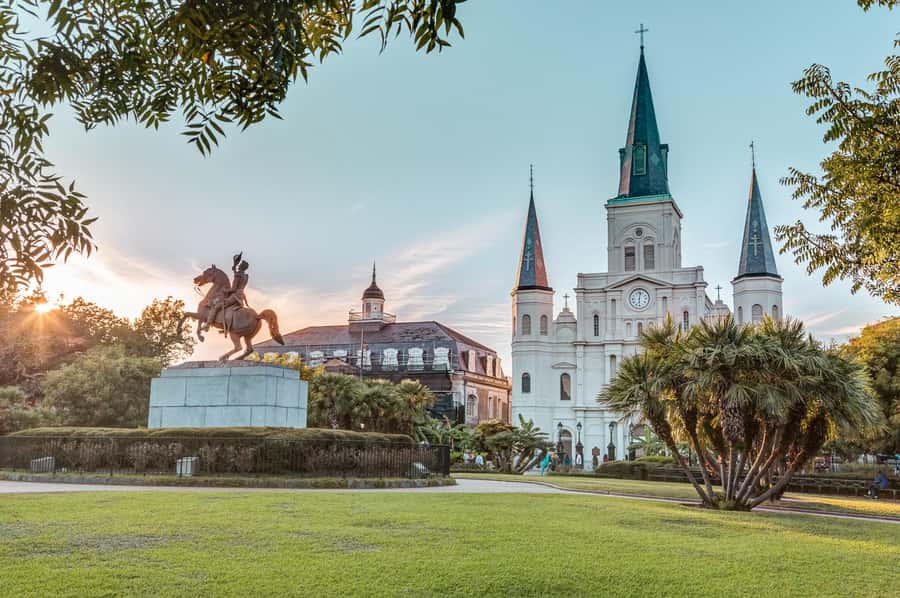
- Starting at the Andrew Jackson statue in Jackson Square
- St. Louis Cathedral: the architecture stop that actually teaches you something
- Mississippi River photo stop: get your geography, even on a tight schedule
- The French Quarter stretch: Pirate Alley, Faulkner, Tennessee Williams, and Bourbon Street
- Pirate Alley and narrow-street New Orleans
- William Faulkner House: literature in plain sight
- Tennessee Williams House and A Streetcar Named Desire
- Bourbon Street: address the stereotype, then move past it
- Cabildo: where history feels like a street-level stop
- Lafitte’s Blacksmith Shop: pirate legend meets one of the oldest structures
- Presbytère Museum: Mardi Gras and Hurricane Katrina, plus time to explore
- Price and value: why $39 can work (or not)
- Who this tour fits best
- Should you book New Orleans: French Quarter Walking Tour?
- FAQ
- How long is the French Quarter walking tour?
- Where do I meet the guide?
- What does the tour include?
- What are some of the stops on the tour?
- Is the tour language English?
- Can I get a refund if my plans change?
Key moments you’ll remember
- Jackson Square orientation fast: you start right in the heart of it all, then build outward.
- St. Louis Cathedral architecture: old stone, big presence, and strong Catholic heritage context.
- Pirate Alley and literary stops: narrow passage + author-adjacent New Orleans lore.
- Bourbon Street, but with guardrails: you talk Mardi Gras and culture, not just bar vibes.
- Cabildo and the Louisiana Purchase: history you can actually point at.
- Presbytère museum time: Mardi Gras and Hurricane Katrina exhibits included, plus free time.
Why this 30-minute French Quarter walk is a smart first move
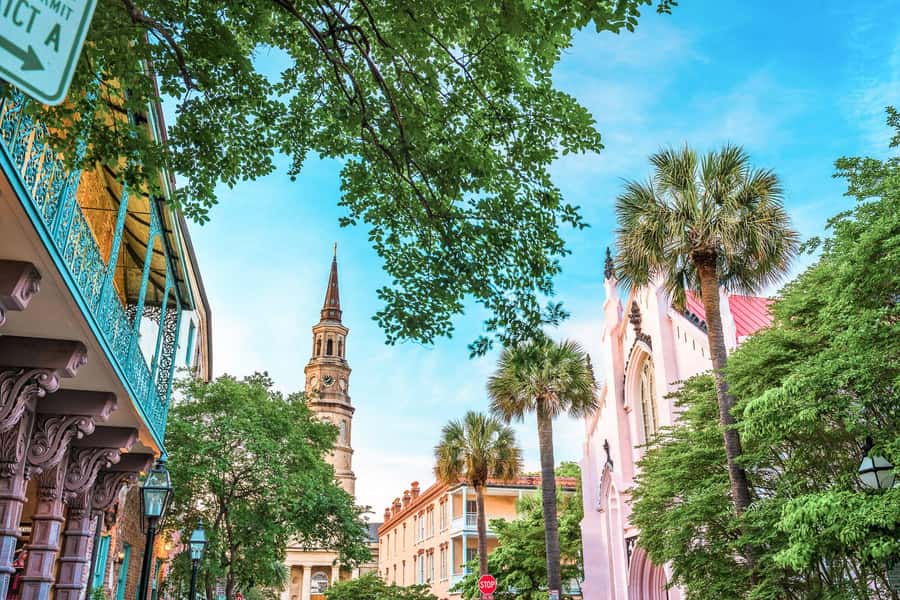
This is a short tour with a clear job: help you understand the French Quarter quickly, without losing the plot to signage, costumes, and the loudest streets. At 30 minutes, you’re moving at a pace that works well when you’re tight on time, hopping between attractions, or arriving on a first visit and want a mental map immediately.
The best part is how the tour balances spectacle with meaning. Yes, you’ll walk past Bourbon Street. But the tour keeps steering you toward why the Quarter looks the way it does, and how Mardi Gras culture became part of the city’s identity. That’s what turns a quick walk into something you remember.
This one also makes practical sense because it includes tickets to the Presbytère Museum (and it includes skipping the ticket line). In other words, you’re not just paying for walking time—you’re paying for guided access plus a museum stop inside the Jackson Square orbit.
You can also read our reviews of more walking tours in New Orleans



Starting at the Andrew Jackson statue in Jackson Square
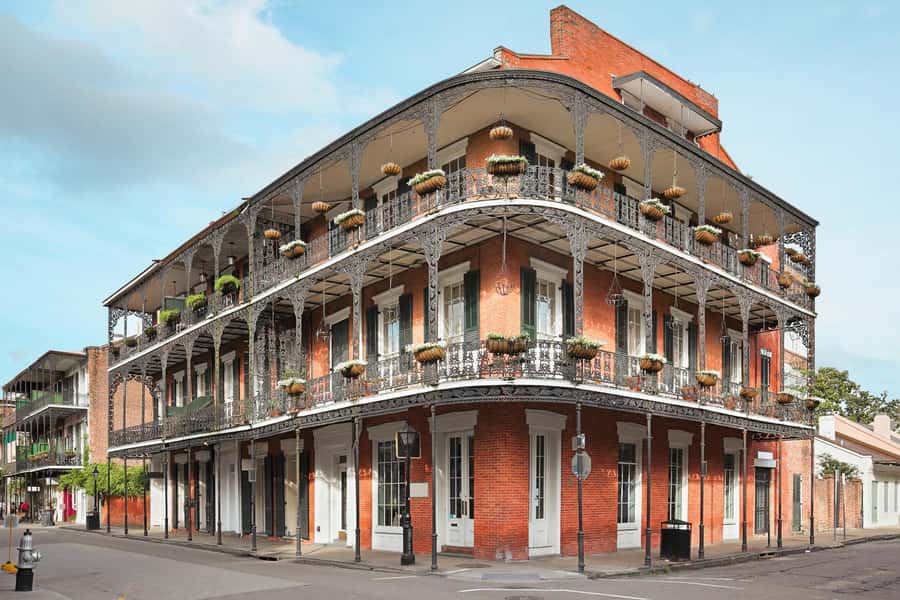
Your tour starts at the Andrew Jackson Equestrian Statue, right in the center of Jackson Square. That’s a strong starting point because Jackson Square is basically New Orleans’ outdoor living room—where the city’s public life gathers, and where the surrounding buildings make sense as you look around.
Once you’re there, expect a quick photo moment and a guided walkthrough that helps you read the area. You don’t just stand and stare; you learn how this space became central to the Quarter’s story, including its long role dating back to the 18th century. That timeframe matters. It explains why the Quarter feels older than the typical American city you might compare it to.
From a practical angle, starting here is helpful because it anchors everything else. After Jackson Square, the rest of the tour stops feel connected instead of random. You’ll likely find it easier to spot relationships between buildings—cathedral, museum complex, and the streets that funnel you toward the Quarter’s most famous blocks.
St. Louis Cathedral: the architecture stop that actually teaches you something
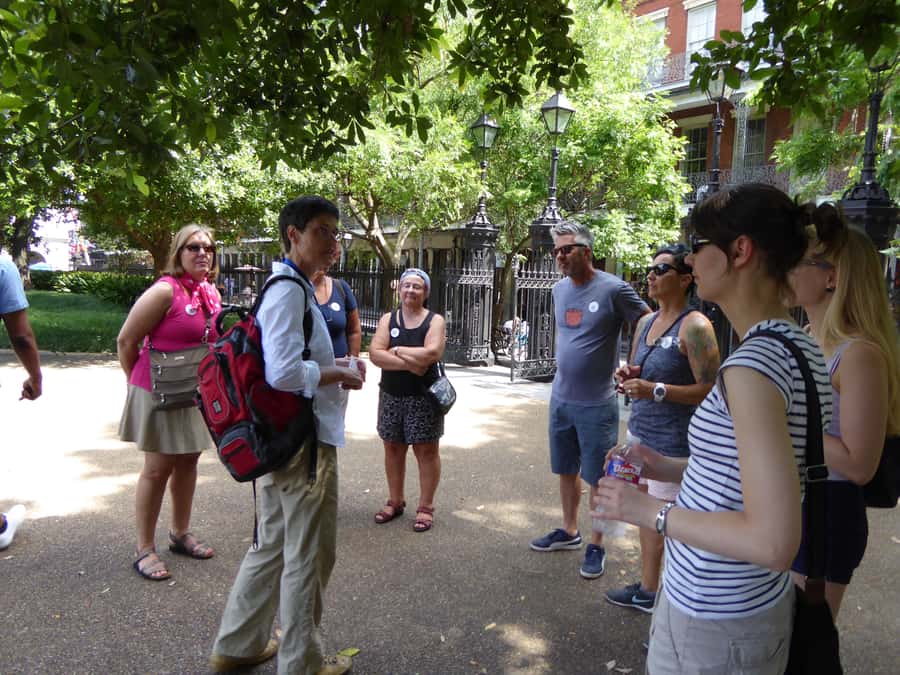
One of the biggest targets on this tour is the St. Louis Cathedral. You get a photo stop and a guided visit, and it’s not just about seeing a pretty landmark. The point is to understand why it sits at the center of this neighborhood’s identity.
The tour highlights that it’s one of the oldest cathedrals in the United States, and that it’s tied closely to the city’s Catholic heritage. When you look at the building with that in mind, you start noticing the details that tourists often skip—how the structure feels built to last, how it dominates the skyline in the Quarter’s flat street setting, and how it reinforces the neighborhood’s sense of permanence.
There’s also a timing advantage. Cathedral stops work best early, before your feet get tired and before you’ve drifted too far into the distractions of Bourbon Street. Even if you’ve seen photos of the Cathedral, this kind of guided “look again” moment can change what you notice.
Mississippi River photo stop: get your geography, even on a tight schedule
Next up is a Mississippi River stop, again with a photo moment and a guided visit. On a short tour, this matters because the French Quarter doesn’t exist in a vacuum—it sits next to the river, and the river shapes everything from trade to flooding to the city’s overall layout.
You might not spend long here, but the goal isn’t long sightseeing. It’s orientation. After you’ve seen the river from this point, the French Quarter streets start to make more sense, and your museum stops later feel less like isolated buildings and more like parts of a larger story of place.
This is also a good reminder that New Orleans has strong layers: old buildings and river-facing history in the same frame.
The French Quarter stretch: Pirate Alley, Faulkner, Tennessee Williams, and Bourbon Street
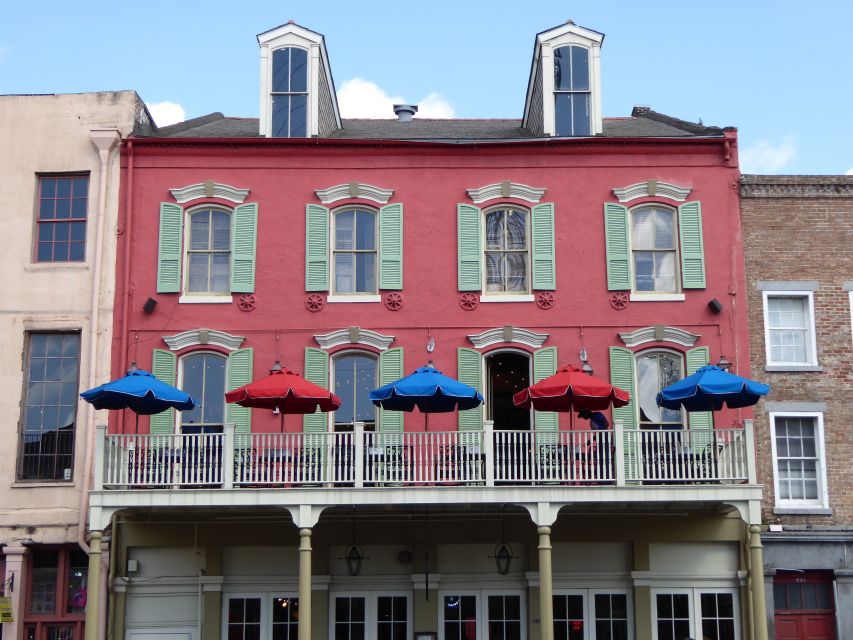
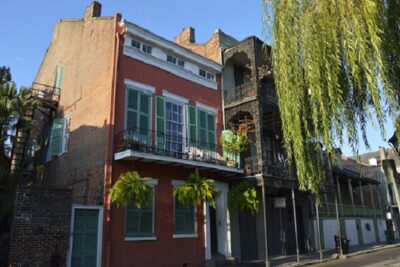
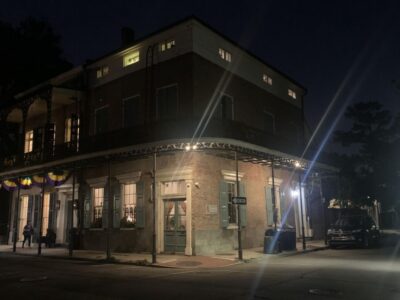
The core walking section is the French Quarter portion, with photo stops and guided wandering. This is where the tour turns from “big landmarks” into “story neighborhoods.” You’re not just collecting sights—you’re learning how the Quarter became the place it is through legend, writers, and the push-pull of nightlife.



Pirate Alley and narrow-street New Orleans
You’ll wander Pirate Alley, a narrow passage known for tales of pirate lore and literary legends. Narrow streets do two things for a walking tour: they slow your pace just enough for the guide’s story to land, and they make the atmosphere feel different from wide avenues. Here, the tour leans into that contrast.
William Faulkner House: literature in plain sight
You’ll also see the former residence of Nobel Prize–winning author William Faulkner, now a bookstore filled with rare and classic books. This is a fun stop because it places famous writing history inside the actual street-level reality of the Quarter. You’re seeing where a real person lived, not just reading about them in a classroom.
Tennessee Williams House and A Streetcar Named Desire
Then comes Tennessee Williams’ House, the place where he penned works including A Streetcar Named Desire. For a lot of visitors, this is one of those “wait, right here?” moments. It’s memorable because the subject isn’t abstract. You can look at the setting and connect it to the stories you already know.
Bourbon Street: address the stereotype, then move past it
And yes, you’ll go down Bourbon Street. The tour doesn’t pretend the stereotype isn’t real—it references the famous beads-and-beers reputation and makes space to talk about Mardi Gras history and how it shaped the culture of the area.
What I like about this approach is that it keeps the tour honest. If you’re expecting pure party scenes, you’re not being lied to. If you want more depth than that, you’re guided toward the meaning behind the celebration—so Bourbon Street becomes a starting point rather than the end of your experience.
This stretch is also where you’ll likely want good shoes. The Quarter’s charm includes its tight streets and frequent turns, and at tour pace that adds up fast.
Cabildo: where history feels like a street-level stop
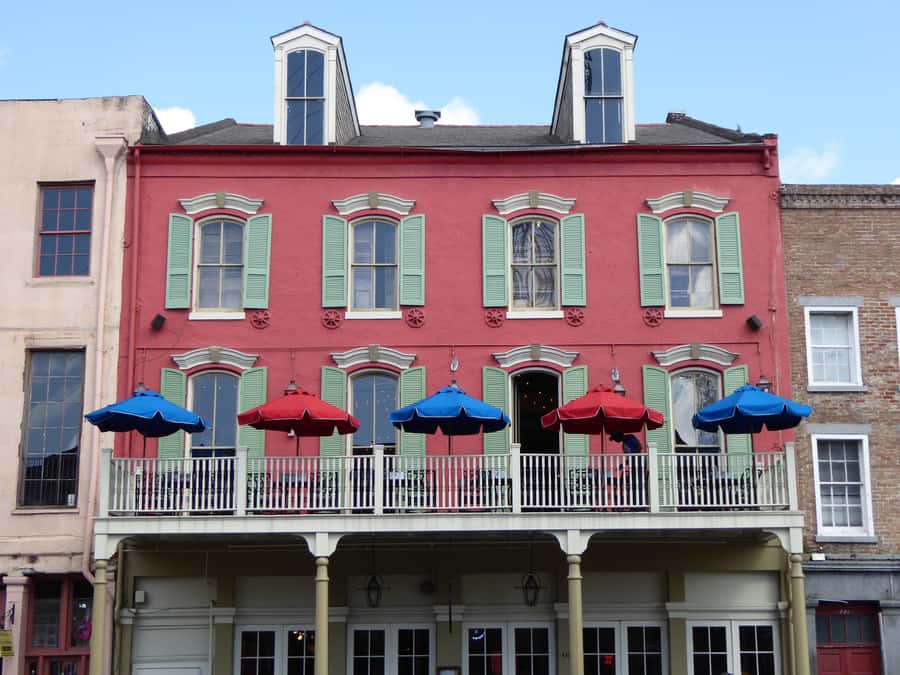
The Cabildo is next, with a photo stop and a guided visit. This is one of the stops where the tour earns its keep for people who don’t want to spend hours inside museums.
The tour notes the Cabildo as the place where the Louisiana Purchase was signed, and it also points you toward exhibits on the city’s colonial history. That’s a powerful combo: you’re not just seeing an artifact of the past—you’re visiting the building tied to a turning point that shaped the region’s future.
Even if you don’t consider yourself a history person, the Cabildo stop works because it gives you context you can carry to later sights. After this, the Quarter’s blend of French, Spanish, and American influences feels less confusing and more intentional.
Lafitte’s Blacksmith Shop: pirate legend meets one of the oldest structures
Next you’ll visit Lafitte’s Blacksmith Shop, one of the oldest surviving structures in New Orleans. The tour connects it to the pirate legend of Jean Lafitte, describing it as a former hideout.
This stop is a nice change of pace from the more formal architecture moments like the cathedral and museum complex. It’s story-forward. The narrowness and age of the building help the legend feel less like a campfire tale and more like something grounded in a real structure that’s survived.
I also like that the tour keeps pirate lore tied to the city’s identity, not just random spooky vibes. The Quarter has always traded in stories—pirates, writers, and festivals—and that’s part of why it’s so much fun to walk with a guide.
Presbytère Museum: Mardi Gras and Hurricane Katrina, plus time to explore

The tour’s finish area is the Presbytère, and you get a photo stop, a guided tour, and some free time. Tickets to the Presbytère Museum are included, and you can skip the ticket line, which is a big deal when you’re on a tight schedule.
What you’ll find here is the tour’s most direct cultural and human-story focus. The Presbytère is described as having exhibits on Mardi Gras and Hurricane Katrina. That pairing matters. It reminds you the Quarter’s celebration side is real—but so is the city’s resilience and the way the community remembers hardship.
This is also where the tour becomes more than a street walk. You’re spending time inside, with a guided context, then enough independence to wander at your own speed within the museum space. If you’re the kind of person who learns better by moving between outdoor stops and indoor exhibits, this structure is a good fit.
Price and value: why $39 can work (or not)
At $39 per person for about 30 minutes, the value comes from what’s included, not just the walking.
You’re getting:
- a certified professional tour guide
- guided stops at multiple major Quarter landmarks
- tickets to the Presbytère Museum
- skip the ticket line
- a live English guide
That package is what makes it feel reasonable. Many paid walking tours end without any admissions, so you’re paying mainly for narration. Here, the museum ticket inclusion means you’re stacking value in one go.
The potential downside is simple: because the total duration is short, you won’t get slow, extended time at every location. This isn’t the choice if you want to linger for an hour in one museum. It’s the choice if you want to hit several key sites, learn how they connect, and still have time afterward to explore on your own.
Who this tour fits best
This tour is a great match if:
- it’s your first time in the French Quarter and you want a quick orientation
- you like culture and story context, not just sightseeing photos
- you want Bourbon Street mentioned, but you don’t want that to be the whole trip
- you have limited time and want the Presbytère museum included without extra hassle
It may feel less ideal if you prefer long, unstructured exploration or you already know the Quarter well and want deep time at one or two specific stops.
Should you book New Orleans: French Quarter Walking Tour?
I’d book it if you want a fast, guided way to understand the Quarter’s major landmarks and the stories behind them—especially if you care about connecting Mardi Gras, literature, and historic buildings in one tidy route. The inclusion of Presbytère museum tickets and skipping the line makes it a practical time-saver.
Skip it only if you’re looking for a long, slow experience or you already plan to spend most of your time inside the Presbytère and don’t need the guided framing.
If your goal is to get oriented fast and leave with a clearer picture of what this neighborhood is about, this is a solid buy.
FAQ
How long is the French Quarter walking tour?
It lasts about 30 minutes.
Where do I meet the guide?
Meet your guide at the Andrew Jackson Equestrian Statue in the center of Jackson Square.
What does the tour include?
You get a certified professional live English guide, tickets to the Presbytère Museum, and you can skip the ticket line.
What are some of the stops on the tour?
You’ll visit Jackson Square, St. Louis Cathedral, the Mississippi River, key French Quarter locations, the Cabildo, Tennessee Williams’ House, Lafitte’s Blacksmith Shop, and the Presbytère.
Is the tour language English?
Yes, the tour is offered in English.
Can I get a refund if my plans change?
Yes. You can cancel up to 24 hours in advance for a full refund. You can also reserve now and pay later.