REVIEW · NEW ORLEANS
New Orleans Mardi Gras 2026 Experience
Book on Viator →Operated by New Orleans Drunk History Tours • Show Me New Orleans Tours · Bookable on Viator
Mardi Gras in the dark has extra flavor. This French Quarter walking tour mixes Carnival tradition with haunted New Orleans stories, plus a chance to use ghost-hunting gear if you want. I love how it layers parade-route context with stops at major landmarks, so you’re not just hearing spooky tales in the abstract. I also like that it’s built around a real neighborhood walk from 941 Bourbon toward Jackson Square, not a sit-and-watch production.
One thing to keep in mind: the tour is tied to the luck of the day—there’s a minimum group size, and the company can also change the route or timing. So you’ll want a plan for the possibility of a last-minute shuffle, especially around peak Mardi Gras days.
In This Review
- A few minutes in the French Quarter, then history hits
- Key things to know before you go
- Mardi Gras and legends on foot: what this tour is really like
- The $33 value: what you’re paying for and what you’re not
- Where the parade starts: why the route is the point
- French Quarter landmarks you can actually see (and why they stick)
- A quick heads-up on the cathedral/cemetery-type talk
- Ghost hunting with EMF and a paranormal detector: fun, not a guarantee
- Haunted history, vampires, voodoo, and the city’s darker mythology
- Bar stops, pacing, and why the schedule can bend
- Who this tour fits best (and who should skip it)
- The one big booking risk: minimum numbers and last-minute changes
- Should you book this Mardi Gras 2026 walking tour?
- FAQ
- How long is the Mardi Gras and New Orleans history walking tour?
- Where do I meet the guide?
- Is the ticket price $33 and is it a mobile ticket?
- Are alcoholic drinks or food included?
- Can I use the EMF meter and paranormal detector?
- Are paranormal encounters guaranteed?
A few minutes in the French Quarter, then history hits
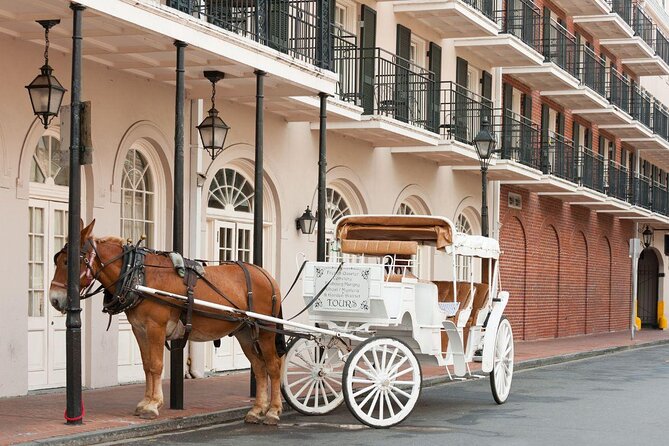
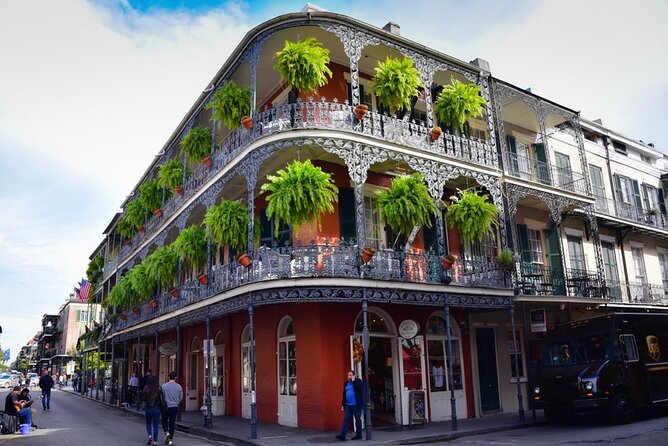
You’ll start at the courtyard gate attached to Lafitte’s Blacksmith Shop Bar (not inside the bar), then move through the Quarter with a guide telling you how Mardi Gras culture evolved alongside voodoo rituals, pirate legends, and the city’s haunted reputation. You’ll see key sites tied to New Orleans’ identity, including St. Louis Cathedral, the Cabildo, and the Old Ursuline Convent, and you’ll stand in front of some of the Quarter’s most striking homes.
And yes, if you’re the type who likes testing a theory with gadgets, you can use an EMF meter and a paranormal detector during the walk. Just understand the big promise it does not make: no guarantees that you’ll catch anything.
Key things to know before you go

- You’ll walk a focused French Quarter route built around Mardi Gras and the city’s legends, ending at Jackson Square.
- Landmarks matter here: St. Louis Cathedral, the Cabildo, and the Old Ursuline Convent show up on the same stroll.
- Optional ghost hunting gear can be checked out during the tour (and tracked).
- It’s moderate-paced and may stretch a bit if stops run long at busy bars.
- Group size is capped at 28, which helps keep it from feeling like a moving crowd crush.
- There’s real-world risk of non-starts if minimum numbers aren’t met—so keep flexibility.
You can also read our reviews of more tours and experiences in New Orleans.

Mardi Gras and legends on foot: what this tour is really like
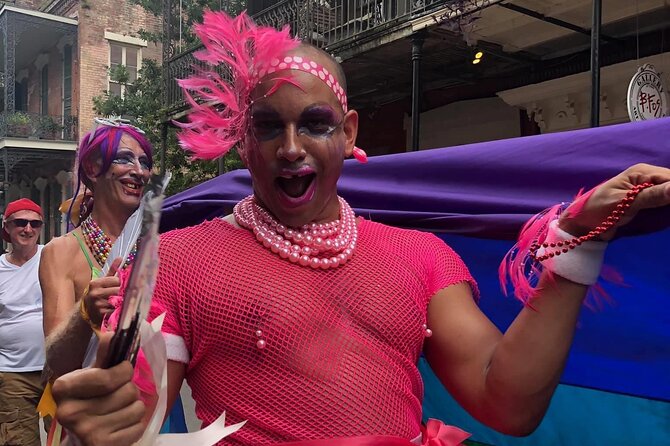
This is one of those New Orleans experiences where the city’s contradictions are the whole point. Mardi Gras is the loud, glittery side. Haunted stories are the quieter spine that runs underneath it. This tour tries to connect both, walking you through the French Quarter while you learn how Carnival traditions and folklore developed side by side.
The vibe is part history, part performance, and part “wait, tell me more.” The tour style leans into storytelling—pirates and prostitutes in the same breath as famous residents and Hollywood connections in the Quarter’s Creole mansion landscape. That matters because New Orleans doesn’t separate the sacred and the strange the way a lot of places do. It stacks them.
If you’re the type who enjoys getting your bearings fast, this route helps. It anchors Mardi Gras season to specific geography, then layers in why the French Quarter feels like a living myth. You’ll get to stand where people gather, where parades originate, and where the city’s architecture and burial practices contribute to the haunted reputation.
The $33 value: what you’re paying for and what you’re not
For $33, you’re buying a guided walking tour with a professional guide for about 1 to 2 hours. That’s a pretty solid value for a city like New Orleans, where a lot of short tours still cost much more once you add guide time and a structured route.
Here’s what you’re not paying for:
- Drinks and food are available to purchase along the way, but they aren’t included.
- Tips/gratuities aren’t included (and are recommended).
- If you want the paranormal equipment, it’s available during the tour, but it comes with rules—lost or damaged gear has a $250 charge.
So the real question is: do you want a guided walk that’s heavy on story and atmosphere? If yes, the price makes sense. If you’re only interested in Mardi Gras facts with no spooky side, you might find the ghost-hunting angle a bit too much. The good news is that the tour is built so you can choose how involved you get with the EMF meter and paranormal detector.
Where the parade starts: why the route is the point
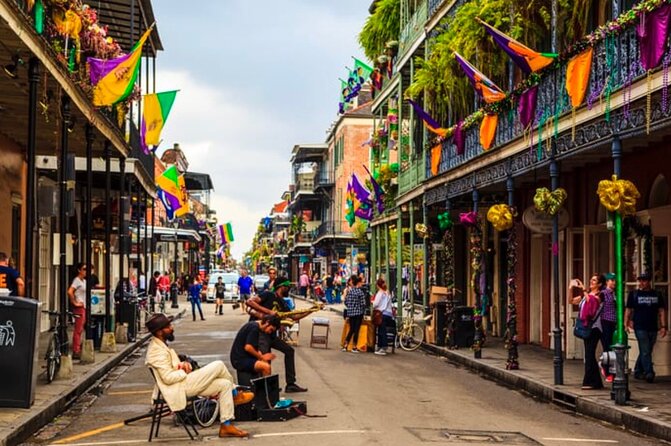
One of the strongest reasons to book a walking tour like this is geography. Mardi Gras isn’t just an event date—it’s a moving procession that belongs to specific streets and locations. This tour takes you to where the annual Mardi Gras parade kicks off each year, then ties that parade origin to the wider Fat Tuesday traditions.
For me, that’s where this experience goes beyond generic “history of Mardi Gras” talk. You’re not just hearing that Carnival happens. You’re standing in the framework that makes it happen—so the costumes, music, and crowds start to make sense in place.
As you walk through the French Quarter, you’ll also hear how the city’s culture is a collision of traditions. That helps explain why Mardi Gras in New Orleans feels like it has its own rules. The tour leans into that confluence: it’s Carnival, but it’s also voodoo rituals, haunted lore, and old legends that show up in the same neighborhood you’re walking through.
French Quarter landmarks you can actually see (and why they stick)
This tour doesn’t stay in theory. You visit national historic landmarks and signature Quarter architecture. In a place like New Orleans, that matters because a lot of history is visible once you know what you’re looking at.
You’ll make time to visit or stand by major landmarks including:
- St. Louis Cathedral
- The Cabildo
- The Old Ursuline Convent
The cathedral and civic/history buildings help you connect New Orleans to the deeper timeline of the city—religion, governance, and community life. The Old Ursuline Convent adds another layer because it anchors the Quarter’s identity beyond Mardi Gras season. Even if you’re primarily there for Carnival, those stops give the whole party a backstory.
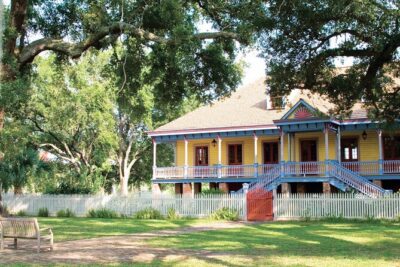
And you’ll also stop before some of the Quarter’s beautiful homes. That’s not just for photos. It supports the tour’s broader point about who lived here—past and present—and how the neighborhood’s Creole mansion legacy connects to the city’s legends. If you like “people stories” as much as building stories, that part usually lands well.





A quick heads-up on the cathedral/cemetery-type talk
This tour includes talk about burial practices and above-ground cemeteries. You’ll hear why those vaults get reused again and again. That kind of detail is exactly why New Orleans haunting stories feel less like spooky theater and more like cultural memory.
Ghost hunting with EMF and a paranormal detector: fun, not a guarantee
This is where the tour gets playful. If you want to, the guide provides an EMF meter and a ghost/paranormal detector so you can try a bit of ghost hunting during the walk.
A crucial reality check: the tour does not guarantee supernatural results. The operator is clear that paranormal encounters are not promised, and they can’t control when or whether anything shows up. That’s fair. You’re participating in a reality-based activity, not buying a ticket to a scripted haunting.
Still, it can be a fun way to engage with the stories you’re hearing. The act of checking readings gives you something to do besides just listening. It also makes the experience feel more interactive—like you’re testing the atmosphere, not just being told what it is.
Important practical detail: paranormal equipment needs to be checked out with staff and returned before you leave. Equipment is marked and tracked via GPS. If you lose or damage gear, there’s a $250 fee. So if you’re the type to fiddle with gadgets while distracted, be mindful.
Also note: audio and video recording devices are not allowed during the tour. Photos are encouraged, though.
Haunted history, vampires, voodoo, and the city’s darker mythology
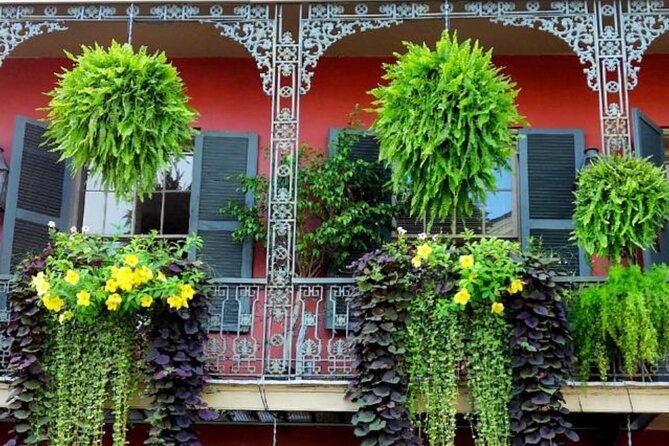
New Orleans is famous for a lot of things. This tour zeroes in on the darker side: haunted sites, ghost sightings lore, vampire legends, and how voodoo rituals fit into the broader cultural picture.
You’ll walk past notable locations tied to the city’s supernatural reputation. The stories are told alongside explanation—how the city earned that haunting name, and how the Quarter’s practices and legends feed into modern folklore.
The tour also brings in other themed threads that help it feel like New Orleans and not just “generic spooky.” Pirate legends appear in the mix. So do stories involving famous former and current residents, including references to Hollywood celebrities who have set up house in historic Creole mansions. That pairing matters: it keeps the supernatural stories from feeling isolated.
And in Mardi Gras season, the contrast can be fun. The same streets that feel like a parade runway by day can feel like myth by night. That contrast is part of the appeal of a combined Mardi Gras and haunted tour.
Bar stops, pacing, and why the schedule can bend
This is a walking tour with a moderate pace, and it’s designed for about 1 to 2 hours. But you should expect some schedule variation. If bars are busy, the tour can be delayed, and any inside stops can add time.
You’ll also have the option of drinks along the route. Alcoholic beverages are available to purchase, but the operator can refuse service to guests who are extremely intoxicated.
Because the tour departs from a courtyard gate tied to Lafitte’s Blacksmith Shop Bar, you’ll want to be on time. The guide starts at the scheduled time, and late arrivals won’t be refunded. If you’re prone to bouncing between streets in the French Quarter, set a timer and give yourself extra minutes to find the exact gate location.
The tour ends at Jackson Square. So if you want a smooth after-tour plan, Jackson Square is a convenient place to regroup.
Who this tour fits best (and who should skip it)
This experience is best for you if you want:
- A guided French Quarter walk that connects Mardi Gras to real places
- A mix of history and legend, including haunted lore and voodoo rituals
- A fun, interactive add-on if you like gadgets, such as using an EMF meter and a paranormal detector
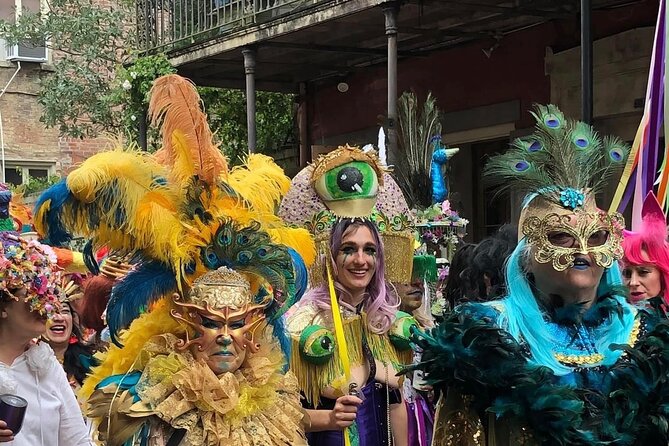
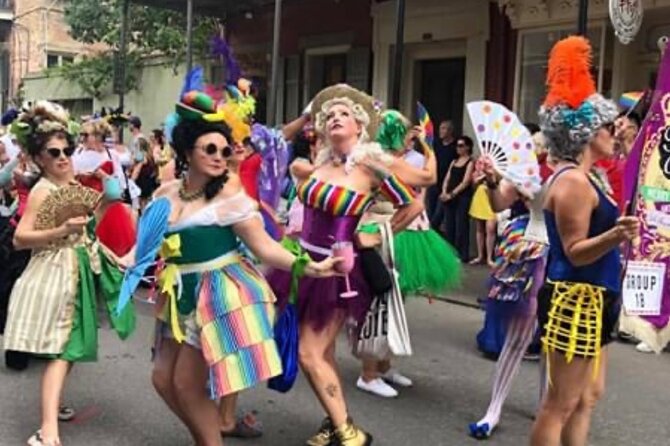
It’s also a good match for groups like families or friend trips that want a shared “story walk” moment. One of the strongest positive takeaways from prior participants was that families had fun dressing up in Mardi Gras style. If you like costume energy, you’ll probably get more out of the experience.
You might want to look elsewhere if:
- You only want straight, academic history with no supernatural theme
- You need guaranteed start conditions every time with no risk of last-minute cancellation
- You’re uncomfortable with a tour that includes optional equipment handling rules
The one big booking risk: minimum numbers and last-minute changes
This tour can be canceled if the minimum number of travelers isn’t met, and it can also be delayed or rescheduled due to local conditions. The company also states tours are rain-or-shine events, so don’t count on weather saving you from the walk.
There’s also a clear no-refunds stance. So if you’re booking for a tightly scheduled day, build in flexibility. Give yourself time to do something else nearby if the tour doesn’t start as planned.
Also, the tour operator reserves the right to change route details without notice. That doesn’t mean you’ll be lost. It just means you shouldn’t treat the exact path like a fixed blueprint.
Should you book this Mardi Gras 2026 walking tour?
I’d book it if you want a short, guided way to experience Mardi Gras season as a living part of the French Quarter. The tour’s value is in how it combines parade-route context, landmark stops like St. Louis Cathedral and the Cabildo, and the city’s haunted and voodoo mythology in the same walk. If the idea of optional EMF ghost hunting sounds like your kind of fun, the $33 price becomes even easier to justify.
I’d think twice if you’re traveling with rigid timing or you’re expecting guaranteed paranormal results. This experience leans on atmosphere and storytelling, not promises. And because minimum group size can affect whether it runs, keep a backup plan for your day.
If you go in with that mindset—ready for history, ready for spooky stories, and ready for a neighborhood walk that’s more fun than formal—this tour can be a memorable slice of New Orleans.
FAQ
How long is the Mardi Gras and New Orleans history walking tour?
The walking tour is listed as lasting about 1 to 2 hours and is described as a moderate-paced walk.
Where do I meet the guide?
You meet on the sidewalk at the gate of the courtyard attached to Lafitte’s Blacksmith Shop Bar at 941 Bourbon St, New Orleans, LA 70116. Tours do not meet inside the bar.
Is the ticket price $33 and is it a mobile ticket?
Yes. The experience price is listed as $33 and it uses a mobile ticket.
Are alcoholic drinks or food included?
No. Alcoholic drinks and food are available to purchase along the route, but they are not included.
Can I use the EMF meter and paranormal detector?
Yes, for anyone who would like to try. Paranormal equipment must be checked out at the beginning of the tour and returned to staff before you leave. There is a $250 fee for lost, damaged, or missing equipment.
Are paranormal encounters guaranteed?
No. The tour is for entertainment purposes and there is no guarantee you will encounter paranormal activity or see any supernatural entity. Audio or video recording devices are also not allowed during the tour.