REVIEW · NEW ORLEANS
Old Ursuline Convent Museum Ticket: New Pope Leo XIV Exhibit
Book on Viator →Operated by Tour Patron · Bookable on Viator
A convent museum can feel like a time machine with quiet brakes. Here, the Old Ursuline Convent Museum pairs standout French Colonial architecture with peaceful courtyard gardens, so you get history without the usual New Orleans chaos. The visit also ties in a special ticketed stop for the New Pope Leo XIV exhibit, adding a modern layer to the older setting.
I love that the museum focuses on everyday mission life, not just big-name dates. You’ll see colonial-era religious pieces, historic documents, and even medical instruments connected to the nuns’ work. One thing to plan around: it’s only open during set hours (Tuesday through Saturday, late morning into early afternoon), so you’ll want to time it carefully.
In This Review
- Key things to know before you go
- Why the Ursuline Convent Museum is a smart New Orleans detour
- What you’ll actually see inside the museum rooms
- The convent architecture matters more than you think
- St. Mary’s Church (added in 1845): the calm stop inside the stop
- Courtyard and gardens: where the visit really breathes
- The New Pope Leo XIV exhibit: why it’s worth including
- Price and value: how $10 makes sense for this kind of stop
- Timing tips: how to plan around the hours and the flow
- Practical comfort notes that matter on-site
- Should you book the Old Ursuline Convent Museum ticket?
- FAQ
- Where is the Old Ursuline Convent Museum ticket experience?
- How much does the ticket cost?
- How long should I plan for the visit?
- What are the opening hours?
- What dates is it offered?
- Is it a mobile ticket?
- What’s included with the admission?
- Is food or drink available during the visit?
- Is there free cancellation?
- Are service animals allowed?
Key things to know before you go
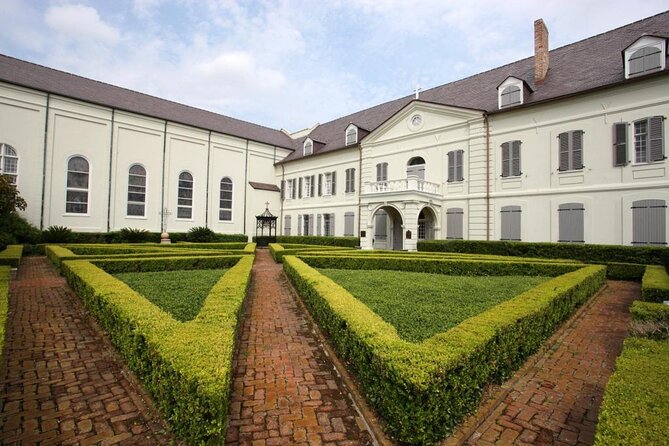
- French Colonial convent building (1745–1752): It’s the oldest surviving building in the Mississippi River Valley, and the structure is part of the show.
- Ursuline mission focus: Learn how the Ursuline nuns (arriving in 1727) helped educate girls and care for the sick.
- Courtyard break from the French Quarter: Shaded paths and fragrant gardens give your mind a breather.
- Museum displays you can picture easily: Religious statues, historic documents, and medical instruments used by the nuns.
- St. Mary’s Church (1845) with stained glass: A calmer, more reflective stop within the complex.
- Ticket supports local institutions: Your admission helps fund the Old Ursuline Convent and The St. Louis Cathedral.
Why the Ursuline Convent Museum is a smart New Orleans detour
If you’ve already got your French Quarter walking route and you’re starting to feel that heat-and-crowds fatigue, this is an easy course correction. The experience is built around a single site with multiple layers: museum rooms, chapel space, and outdoor quiet. That mix is why it works so well for a short window of time.
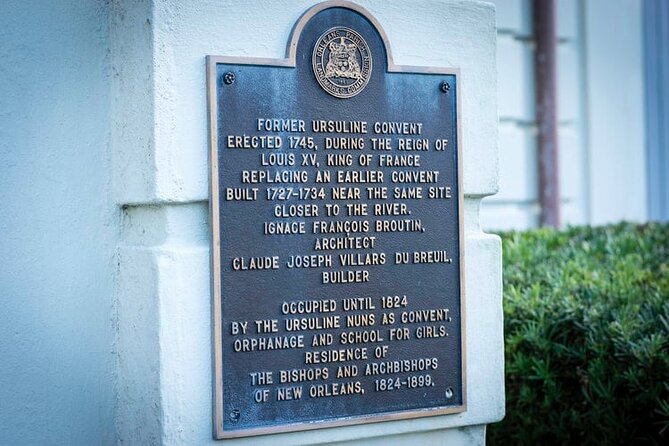
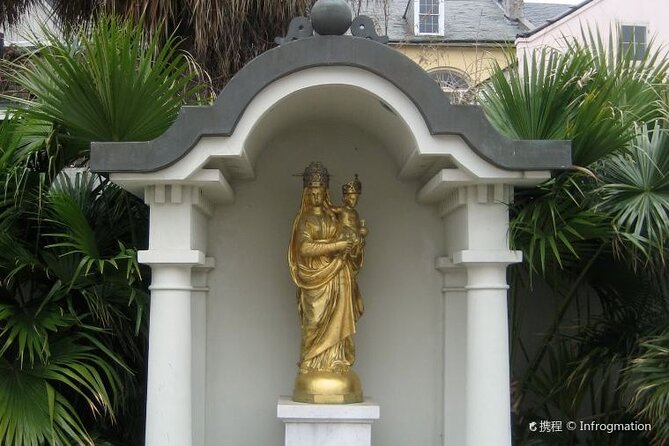
The first win is the setting itself. The convent was built between 1745 and 1752, and it’s described as the oldest surviving building in the Mississippi River Valley. You’re not just looking at a plaque; you’re seeing the kind of construction that helped shape the city’s early years. The second win is the emotional tone. The courtyard and garden areas feel like a pause button—shade, flowers, historic statues, and a calm you don’t expect to find just steps away from the Quarter’s noise.
There is, however, a practical consideration: this is a museum visit, not a long roaming day. Plan on about 1 to 2 hours, and treat it like a focused stop. If you’re the type who reads every label and wanders slowly, you might creep toward the longer end of the time window.
You can also read our reviews of more tours and experiences in New Orleans



What you’ll actually see inside the museum rooms
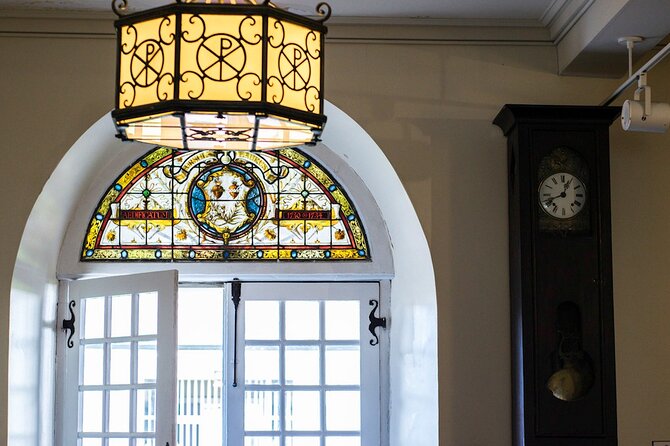
This ticket gets you into the Old Ursuline Convent Museum, where the exhibits connect directly to the Ursuline story. What I like about how it’s organized is that it doesn’t just name roles—it shows objects that fit those roles.
Expect to encounter colonial-era items that point to the nuns’ daily world:
- Religious statues and sacred items tied to the convent tradition
- Historic documents connected to the community and its mission
- Medical instruments used by the nuns as they cared for the sick
That last category is especially meaningful. In many history stops, medicine is talked about as a concept. Here, you get tangible artifacts, which makes the work feel more real and less abstract.
You’ll also connect those items to the human mission behind them. The Ursuline nuns arrived in 1727, and they played a crucial role in educating young girls, caring for the sick, and shaping early New Orleans. It’s the kind of story you’ll remember because it links education and care—two themes that still feel relevant.
And yes, this ticket also includes access for the New Pope Leo XIV exhibit. The museum’s core is still the convent-era collection, but that extra exhibit gives the stop a more current connection.
The convent architecture matters more than you think
A lot of historic buildings can look impressive but still feel like scenery. This complex works better because the architecture is part of the message. The convent built from 1745 to 1752 is a standout example of French Colonial architecture, and it’s hard not to notice the way the layout and materials reflect the era.
Even if you’re not chasing architectural details, you’ll feel it when you move through the spaces. The building’s age and survival turn your visit into something closer to walking through a living artifact. Plus, when you’re traveling with limited time, architectural significance is a time-saver: it’s visually obvious, so you don’t need a deep background lesson to appreciate it.
If you like history that you can see and touch with your feet (not just read), you’ll likely enjoy this part a lot.
St. Mary’s Church (added in 1845): the calm stop inside the stop
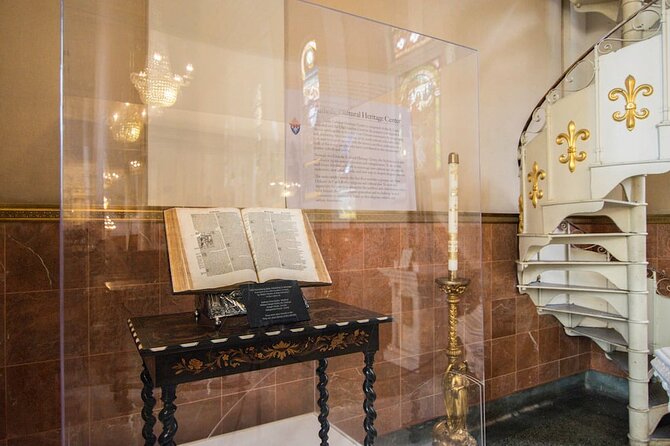
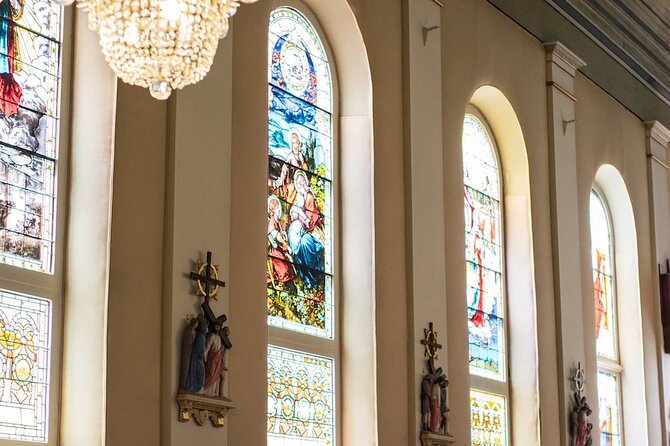
After you’ve taken in the museum exhibits, you shift into a quieter mood at St. Mary’s Church, which was added later in 1845. The reason this works is simple: the stained glass and serene atmosphere give you a break from the more information-dense museum rooms.
Stained glass isn’t just pretty. In places like this, it often changes the feeling of the whole space—light softens, colors land differently on walls and floors, and you naturally slow down. Even if you don’t consider yourself a church person, this is one of those spots where the atmosphere does half the explaining for you.
This church moment also helps balance the visit. You’re not in exhibit mode the whole time. You get a reflective pause before you head back out.
Courtyard and gardens: where the visit really breathes
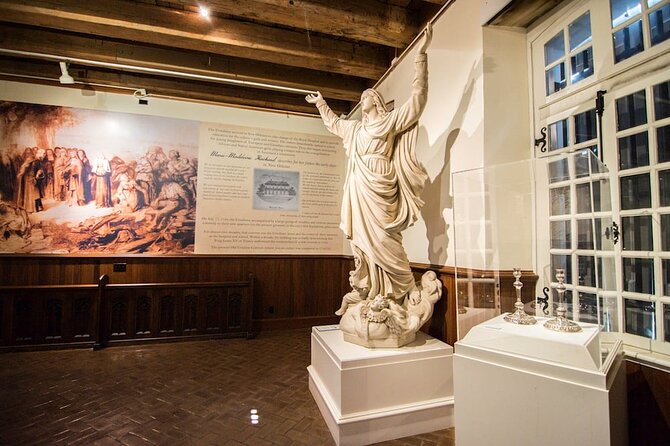
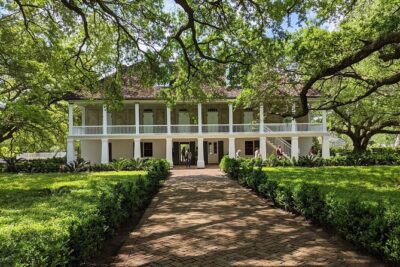
The courtyard and garden area is one of the best reasons to choose this over a quick indoor-only museum. Here, the complex becomes a small refuge: lush greenery, fragrant flowers, shaded walkways, and historic statues.
You can treat it like a reset button after the museum rooms. If you’ve been walking in the French Quarter and you’re starting to feel overstimulated, the courtyard is a relief. It also helps if you travel with anyone who struggles with constant museum reading. Gardens are a visual and sensory way to learn without feeling like a classroom.
Tip: plan to spend a few minutes just walking slowly. Don’t rush it. The courtyard isn’t long, but it’s the part that makes the museum feel human and lived-in.
You can also read our reviews of more museum experiences in New Orleans




The New Pope Leo XIV exhibit: why it’s worth including
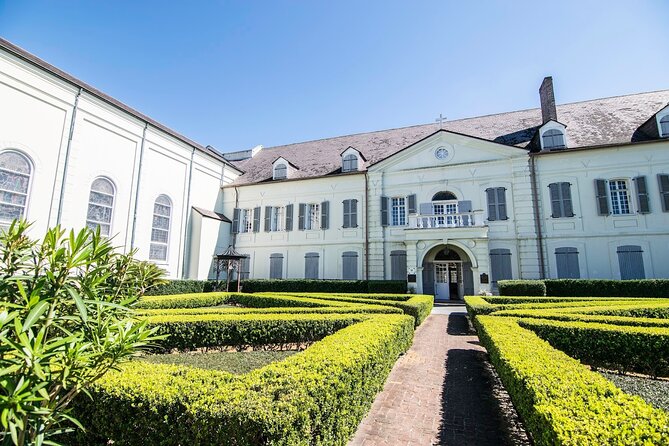
The ticket includes the New Pope Leo XIV exhibit, and that’s a smart bonus because it prevents the visit from feeling like only a far-removed past.
From what the ticket description indicates, this exhibit is part of the overall convent museum experience rather than an add-on that competes for your attention. That matters because you won’t waste time hopping between unrelated places. You stay in one setting and let the museum’s context do the work.
Even if you don’t know much about the exhibit theme in advance, you’ll still get value from the surrounding convent story. The larger collection gives context, and the exhibit adds an additional layer to keep things from feeling one-note.
Price and value: how $10 makes sense for this kind of stop
At $10.00 per person, this is priced like a fair, focused museum ticket—not a high-cost “attraction machine.” I think the value comes from the combination:
- You get a museum inside a historic convent building
- You also get church and courtyard areas, not just exhibit rooms
- The visit includes a ticketed exhibit tied to New Pope Leo XIV
- Your ticket sales support the Old Ursuline Convent and The St. Louis Cathedral
That last point is more than a feel-good line. It helps explain why the experience is built like something maintained and protected, not just a quick photo-op stop.
Duration matters too. If you have 1 to 2 hours, this is the kind of activity that fits without draining your whole day. At ten bucks, you’re not gambling on a big commitment.
Timing tips: how to plan around the hours and the flow
This runs on a tight weekly schedule: Tuesday through Saturday, 10:00 AM to 2:00 PM, during the listed date range (from 07/07/2025 to 02/16/2027). That limited window is the main timing constraint.
A few practical ways to make it work:
- If your day in the French Quarter starts early, you can slot this mid-day when you want a calmer change of pace.
- If your schedule is flexible, go earlier in the window so you’re not rushing at the end.
- Because it’s often booked in advance (on average about 19 days), it’s smart to lock it in once your dates are set.
Once you arrive, expect a guided or interpretive style visit pace tied to the museum layout. The site is designed so you can do it in a steady loop: museum rooms, church space, then courtyard/garden time.
Also, a quick human detail from past experiences: the guided information can make the objects snap into focus. One guide named Guy has been described as sharing a wealth of information, so if you’re assigned a guide like that, you’ll likely get more out of the exhibits than you would with labels alone.
Practical comfort notes that matter on-site
This is a museum/convent space, so think quietly and respectfully. A couple of rules show up right away:
- No food or drink is allowed or provided within the museum/convent.
So plan to eat before or after your visit.
- The venue allows service animals.
- It’s near public transportation, which helps if you don’t want to rely on rideshare for just one stop.
You’ll also find it suited to most people who can walk through indoor rooms and stroll through a courtyard. If you’re traveling with limited mobility, you might want to gauge how much walking you’ll do inside the spaces, but the experience is listed as broadly possible for most travelers.
Should you book the Old Ursuline Convent Museum ticket?
I’d book this if you want New Orleans history that feels grounded and real—not staged, not rushed. It’s especially a good fit if you like places that mix objects + setting + atmosphere, and if you value a calm outdoor pause as part of the experience.
Choose it if:
- You want a short, focused stop that still feels meaningful
- You like religious and local history tied to education and caregiving
- You’re tired of constant noise and want a quiet courtyard reset
- You appreciate historic architecture you can actually experience on foot
Skip it if:
- You only want big, outward-facing monuments and don’t care about museum-style exhibits
- Your day is too packed to hit the 10:00 AM–2:00 PM window
If you’re on the fence, here’s the simple test: if you’d enjoy an hour or two inside a centuries-old French Colonial building, then add a stained-glass church moment and a garden break, this is a strong yes.
FAQ
Where is the Old Ursuline Convent Museum ticket experience?
It takes place in New Orleans, USA.
How much does the ticket cost?
The price is $10.00 per person.
How long should I plan for the visit?
Plan on about 1 to 2 hours.
What are the opening hours?
It runs Tuesday through Saturday from 10:00 AM to 2:00 PM.
What dates is it offered?
The listed run is from 07/07/2025 to 02/16/2027.
Is it a mobile ticket?
Yes, you receive a mobile ticket.
What’s included with the admission?
Museum admission is included, and ticket sales directly support the Old Ursuline Convent and The St. Louis Cathedral.
Is food or drink available during the visit?
No. Food and drink are not allowed or provided within the museum/convent.
Is there free cancellation?
Yes. You can cancel up to 24 hours in advance for a full refund.
Are service animals allowed?
Yes, service animals are allowed.