REVIEW · NEW ORLEANS
Whitney Plantation and Museum Tour from New Orleans
Book on Viator →Operated by 2nd Line Tours/Experience · Bookable on Viator
That bus ride takes you straight into Louisiana’s real past. This tour pairs Whitney Plantation with a calm, structured visit focused on slavery and how sugar plantations actually worked.
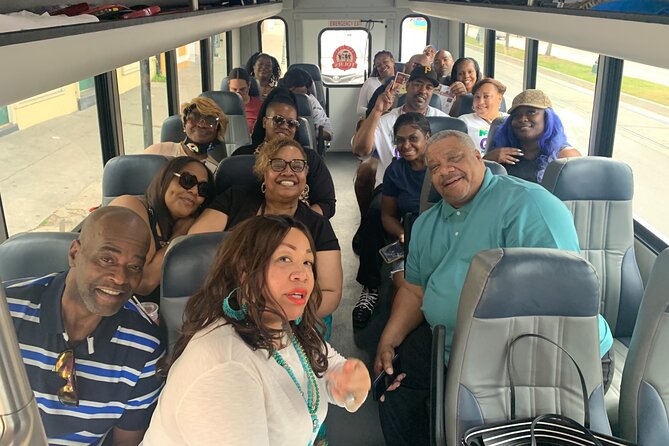
I like the hotel pickup from downtown New Orleans—it saves time and stress, especially on a morning when streets can feel chaotic. I also really appreciate the small group setup (up to 24) and the air-conditioned ride, with drivers who share context on the way out.
One thing to think about: you may feel rushed depending on your day and schedule. A few visitors noted they didn’t get as much time on the grounds as they wanted, and the bus seating can be a little stiff if your back is touchy.
In This Review
- Key things I think you’ll care about
- Whitney Plantation Changes the Story You Think You Know
- Getting Out of New Orleans: Pickup, Drive, and Early-Morning Reality
- The Whitney Visit: Self-Guided Audio Time and What to Do With It
- Sugar, Slavery, and the Quiet Power of Details
- Great River Road Stops: Scenic Views and Film Location Odds
- Price and Time: Is $75 a Good Deal for What You Get?
- Who This Tour Fits Best
- Should You Book Whitney Plantation From New Orleans?
- FAQ
- What time is hotel pickup?
- Is admission to Whitney Plantation included?
- Is the Whitney Plantation portion self-guided?
- How large is the group?
- Can I cancel for a full refund?
- What language is the tour offered in?
Key things I think you’ll care about
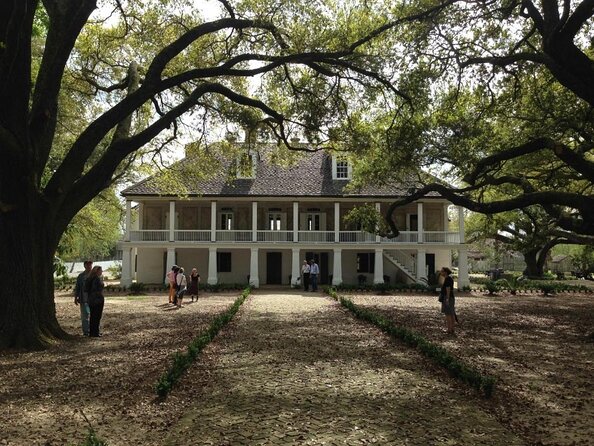
- Whitney Plantation’s focus stays on the enslaved people, not plantation owners
- Hotel pickup in a small group (max 24) reduces hassle in New Orleans
- Audio/self-guided time on site lets you move at your own pace as you read and reflect
- Scenic Great River Road drive along the Mississippi River
- Film-location moments may pop up along the way, including Django Unchained references
- Admission is included so you’re not scrambling for tickets once you arrive
Whitney Plantation Changes the Story You Think You Know

Whitney Plantation is not the type of plantation visit that tries to make history feel like background noise. It’s built to be heavy on purpose: you learn about slavery on a Louisiana sugarcane plantation, and you hear how violent and controlled daily life was for people enslaved there.
One of the biggest reasons I recommend this stop is how clearly it connects the plantation system to the sugar economy. You’ll hear how sugar shaped the world, and how Louisiana planters produced a quarter of the world’s cane sugar supply in that era. The tour also frames the competition between cotton and sugar locally, with Louisiana’s planters earning major wealth in the antebellum period.
The museum context matters. Whitney focuses on enslaved people’s lives and the brutal reality of slavery—plus the fact that the largest slave rebellion in the United States took place here. If you want plantation history that doesn’t sugarcoat anything, this is the one that hits hardest.
You can also read our reviews of more museum experiences in New Orleans



Getting Out of New Orleans: Pickup, Drive, and Early-Morning Reality
The day starts with pickup between 8:00 AM and 8:30 AM. You’ll want to be outside your hotel by 8:00, since you can be part of one of several stops and the timing can shift a bit. It’s smart to plan a buffer: the operator asks you to allow up to 30 minutes for the bus to arrive, and to call if you haven’t been picked up after 8:35.
Once you’re on board, you’re traveling down the Great River Road. This isn’t just a commute. It’s part of the experience, because the Mississippi River corridor is where plantation culture, trade routes, and river-based wealth all tied together. You can settle in, and the driver commentary helps you connect what you see from the bus to what you’ll later learn on the ground.
In the real world, different drivers can change the tone of the ride. People have specifically praised drivers like Jay and Dennis for being warm, careful, and genuinely informative. If you catch a “last pickup” scenario, one visitor even reported a call right before 8:00 so they didn’t feel stuck waiting around.
The Whitney Visit: Self-Guided Audio Time and What to Do With It
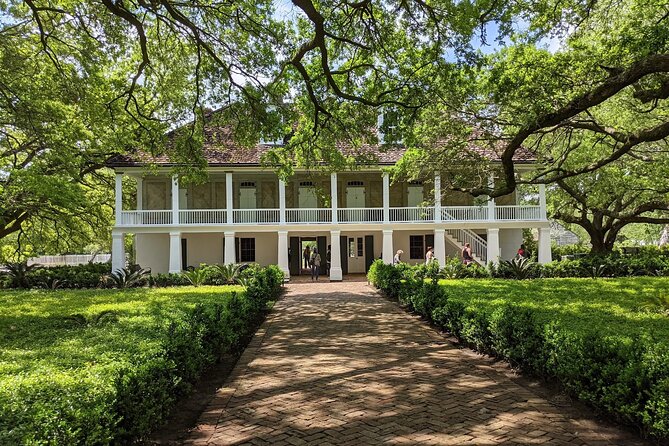
At Whitney, you’ll get access to the museum and the grounds with an audio-guided, self-paced format. This is a big deal for a site like this. You’re not forced to keep up with a fast group while you’re trying to read difficult stories. Instead, you can slow down as you want.
I’d treat the audio as your backbone, but the signs and exhibits as the real meal. Some visitors said the walk felt well planned and easy to follow, and others emphasized that the internal posters reward patience. If your goal is understanding—not checking a box—plan to stay present and take your time.
Also, bring practical stuff. Mosquito repellent comes up again and again, because the grounds can get buggy. Tissues are a simple but surprisingly useful idea too, since this museum can trigger strong emotions.
Here’s the tricky part: timing. The tour duration is listed as about 4 to 5 hours total, and the Whitney stop is substantial—but a few people felt the visit time on the grounds was tight compared to what they expected. So if you’re someone who reads every marker and wants extra space to sit with what you’re learning, keep that in mind when choosing your day and expectations.
Sugar, Slavery, and the Quiet Power of Details
Whitney isn’t arranged to make you feel comfortable. It’s arranged to make you see how slavery was organized and how deeply it shaped plantation life.
As you move through the site, you’ll get more than slogans. The experience explains how the plantation system worked and how enslaved people lived under harsh control. You’ll also encounter the topic of rebellions and resistance, including that major rebellion associated with the site. That matters, because it pushes back against the idea that enslaved people only endured quietly.
A key value here is perspective. The museum tells plantation life from the viewpoint of those who were enslaved. That doesn’t just change the facts you learn; it changes how you understand everything else you’ve heard about the era. It turns the story away from romantic myths and toward real human experience.
If you’re visiting with mixed family perspectives—different backgrounds, different emotions—that can be a gift and a challenge. The museum’s focus can lead to tough conversations, but it also creates a shared reference point for discussing what’s true and what gets distorted.
Great River Road Stops: Scenic Views and Film Location Odds
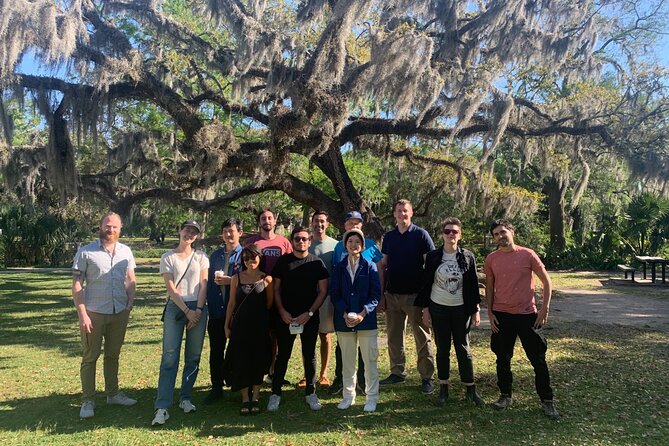
On the drive beyond New Orleans, the route is part of the teaching. Great River Road runs along the Mississippi River and is lined with historic plantations, small towns, and lots of atmosphere. You’ll get the visual sense that this region’s wealth didn’t float in from nowhere—it was built around the river.
The tour also includes a chance to see another plantation setting on the way, Evergreen Plantation. It’s noted for its appearance in popular media, including Django Unchained and Queen Sugar. Even if you’re not going to treat that as a big draw, it helps you connect the modern “Hollywood version” of these places with the real history behind them.
And yes, some people recommend looking out for specific film-location references, including mentions of Candy Land and Big Daddy’s House as you move along that broader route. You don’t have to chase those, but if you’re a film fan, they can add an extra layer of interest to the drive.
Just keep your expectations balanced: this kind of route is more about seeing and understanding than about stacking a long list of stops. Your main focus is the Whitney experience.






Price and Time: Is $75 a Good Deal for What You Get?

At $75 per person, you’re paying for transportation out of New Orleans, air-conditioned comfort, and admission to Whitney Plantation. You’re also getting hotel pickup from most downtown hotels, plus a small group environment capped at 24.
That’s the value equation. If you were doing this on your own, you’d spend time arranging transport, finding your way, and buying tickets. Here, the “how do I get there” question is handled for you, which is a real advantage in a city where parking and logistics can be annoying.
Where the money can feel tight is if your on-site time ends up shorter than you personally need. Some visitors reported leaving the plantation feeling like they wanted more time to absorb everything. If you’re the kind of person who reads every panel and wants unhurried reflection time, consider building your day around that. If you’re okay with a structured, self-guided pace, the format can feel exactly right.
In short: for most people, the price feels justified because the ride and entry are folded in, and the experience centers on learning that’s hard to replicate another way.
Who This Tour Fits Best
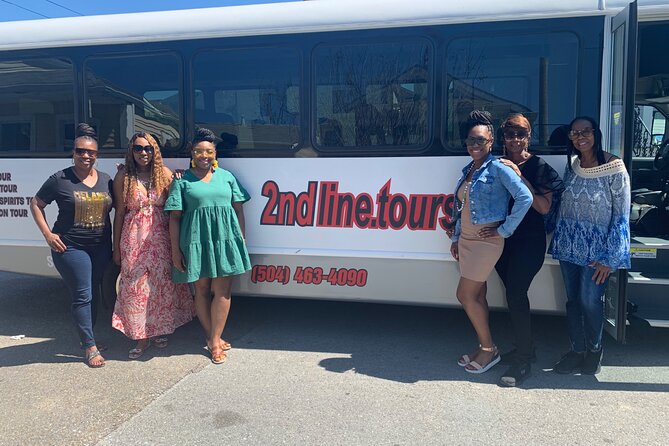
This tour fits you if you want an honest plantation visit that focuses on the enslaved people and the mechanics of slavery. It’s also a good choice if you like self-paced learning. You can listen through the audio, walk when you want, and stop when something grabs you.
It can also work well if you’re traveling with a group where people learn differently. Some want quiet reflection time; others want context explanations. The drive helps with context, and the on-site format lets you handle the museum portion in your own way.
One practical note: if you have a bad back, pay attention to comfort expectations. At least one visitor flagged that the bus seats can be firm and padded lightly. You might prefer this only if you’re comfortable with longer seated travel.
Finally, service animals are allowed, so if that matters for your trip planning, you have that option.
Should You Book Whitney Plantation From New Orleans?
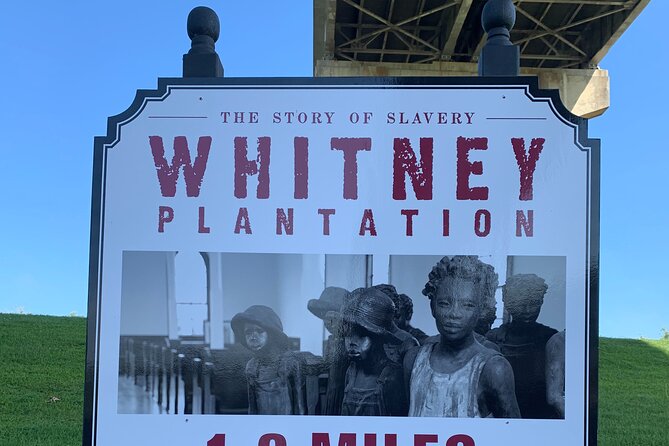
If you’re visiting New Orleans and you care about understanding the hard parts of American history, I’d book this. The Whitney Plantation focus is specific and powerful, and the self-guided audio format is the right match for a site that rewards patience.
Choose it particularly if you want hotel pickup, a small group ride, and a guided-feeling day without the stress of planning transportation. If you need guaranteed extra time on the grounds, think carefully about your expectations and how a fixed schedule might affect your pace.
If your goal is to leave with more than a photo—if you want a lesson you’ll carry for a long time—this tour is a strong pick.
FAQ
What time is hotel pickup?
Pickup happens between 8:00 AM and 8:30 AM. Plan to be outside your hotel by 8:00 AM, and allow up to 30 minutes for the bus to arrive.
Is admission to Whitney Plantation included?
Yes. Admission to Whitney Plantation is included with the tour.
Is the Whitney Plantation portion self-guided?
Once you arrive at Whitney, the experience is designed around self-guided, audio-style learning so you can move through at your own pace.
How large is the group?
The tour has a maximum of 24 travelers.
Can I cancel for a full refund?
Yes. You can cancel up to 24 hours in advance for a full refund. If you cancel less than 24 hours before the start time, the amount you paid is not refunded.
What language is the tour offered in?
The tour is offered in English, and you receive a mobile ticket.