REVIEW · NEW ORLEANS
The National WWII Museum Campus Pass plus 4-D Film
Book on Viator →Operated by National WWII Museum · Bookable on Viator
You cannot see WWII like this anywhere else. The National WWII Museum campus pairs moving exhibits with a timed 4D film narrated by Tom Hanks. I love that this Campus Pass + 4D film combo removes ticket-line hassle and lets you plan your day with time slots. I also love the emotional punch: vibrating seats, atmospheric effects, and real stories that hit hard.
One watch-out: the 4D show uses loud noises, flashing lights, fog effects, and sudden chair movement. If you’re sensitive to sensory triggers, plan for stationary seating and assisted listening options.
In This Review
- Key things to know before you go
- National WWII Museum Campus Pass: why this ticket combo works
- The 4D show at Solomon Victory Theater: your timing plan
- Sensory effects: how to decide if the 4D film fits you
- The museum campus: what you should expect to see
- Five WWII pavilions and the built-in emotional arc
- How long should you plan: half day vs. full day reality
- Comfort and navigation tips for a smooth campus day
- Price and value: is $49.35 a good deal?
- When this experience is the best fit
- Should you book the Campus Pass + 4D film?
- FAQ
- What is included in the National WWII Museum Campus Pass plus 4-D Film?
- Can I enter the museum before my 4D film time?
- How long should I plan for this experience?
- Is the Beyond All Boundaries 4D film closed captioned?
- What accommodations are available for hearing or medical/sensory concerns?
- Are service animals allowed?
- What happens if the experience is canceled due to weather?
- Cancellation (quick heads-up)
Key things to know before you go
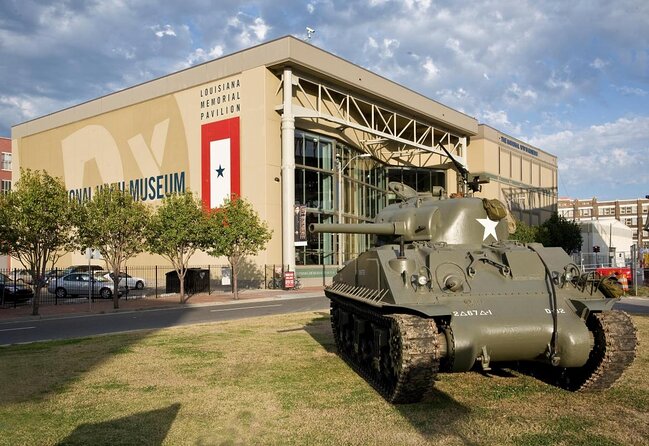
- Timed entry to the 4D Beyond All Boundaries film so you can pick a showtime and arrive early
- Vibrating seats and effects in Solomon Victory Theater for a very physical viewing experience
- You can enter the museum any time before your film to start touring right away
- A campus built for a full day, with multiple pavilions and lots of reading and walking
- Not closed captioned, but assisted listening devices are available in the theater
National WWII Museum Campus Pass: why this ticket combo works
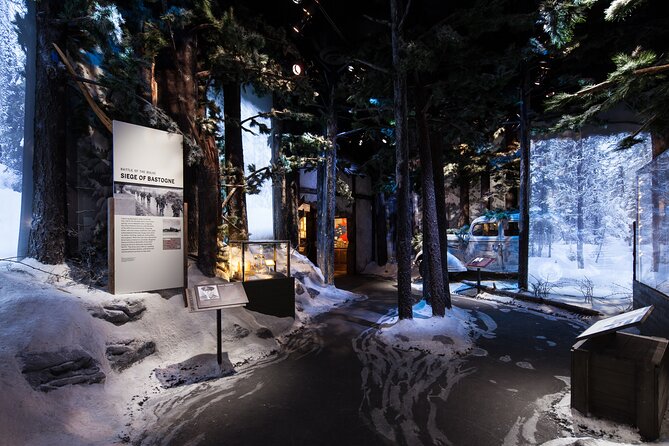
New Orleans has plenty of history to hunt for, but this is one of the most focused museums in the country. Set on a sprawling 6-acre campus in downtown, the National WWII Museum is the official U.S. museum of World War II, built to move beyond dates and names. Instead, it’s structured around experience—people, decisions, consequences, and the cost of war.
This pass is smart because it locks in two big things at once: museum admission and your seat for the in-demand 4D film. You’re not trying to squeeze in a last-minute film time, and you’re not stuck hunting down tickets while the day runs forward. You also get a mobile ticket, so you’re not fumbling with printouts.
Now the realism check: this isn’t a quick stop. The museum campus is large, and the exhibits involve plenty of text, viewing, and indoor theaters. If your plan is two hours and done, you’ll end up jogging through with that I-was-there-but-didn’t-really-see-it feeling.
You can also read our reviews of more museum experiences in New Orleans



The 4D show at Solomon Victory Theater: your timing plan
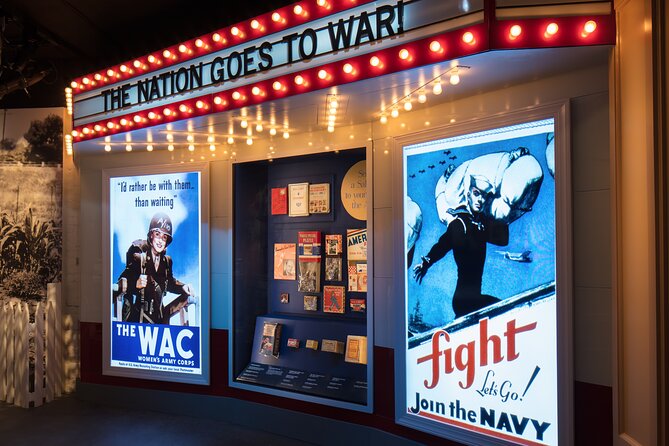
Your day centers on Solomon Victory Theater for Beyond All Boundaries, narrated by Tom Hanks. The theater experience is engineered like a movie plus a ride: vibrating seats, layered projection, and effects like moving scenery, lighting, sound, and other atmospheric touches. The result is that the story doesn’t just play on a screen—it tries to put you in the moment.
Here’s the key scheduling advantage: your time selection is for the 4D film, but you can enter the museum any time before your movie time. That means you’re not wasting the hours before your showtime. You can get your bearings, see the first pavilions, and then head to the theater without rushing.
Plan your arrival buffer like this: get there early enough to walk from your first exhibits to the theater, use the facilities if you need to, and settle in before the show starts. Also keep in mind that the film is not closed captioned. Assisted listening devices are available inside the Solomon Victory Theater for hearing-impaired visitors—ask at the Visitor Services desk once you’re there.
Sensory effects: how to decide if the 4D film fits you
The theater instructions are clear for a reason. Elements of Beyond All Boundaries may aggravate certain medical conditions due to loud noises, flashing lights, fog effects, and sudden chair movements. That can matter for people with migraine triggers, seizure risk, severe anxiety around sudden motion, or sensory processing challenges.
If you’re on the fence, don’t guess—use the accommodations that are actually offered:
- Stationary seating is available
- Assisted listening devices are available in the theater
From my perspective as a planner, this is one of the most important “value” points of the ticket: you’re not taking a gamble with a dark room and no options. You have clear signals on what to expect, plus a path to make it workable.
If you’re sensitive to sharp sound, consider bringing something like ear plugs. One common theme from people who did the show is that the sound and startling images can be intense, and ear protection can help you focus instead of getting jolted.
The museum campus: what you should expect to see
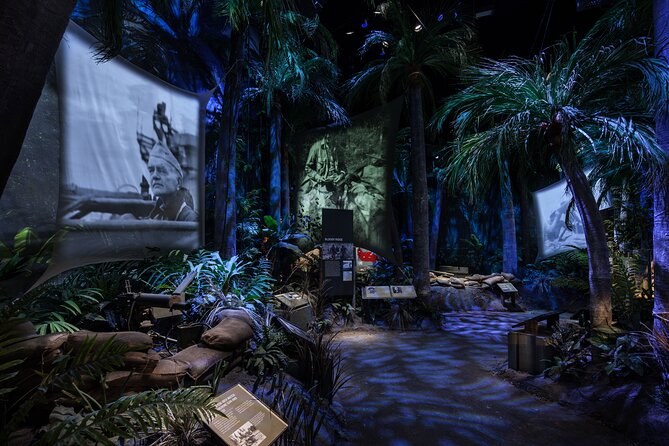
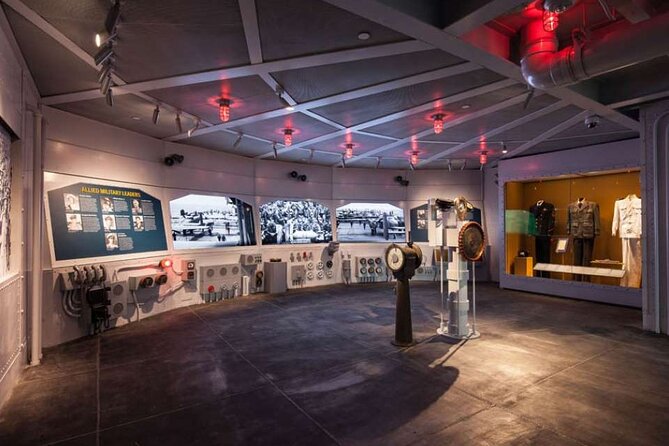
The National WWII Museum campus is designed for a long visit. With multiple buildings and pavilions across the grounds, you’ll move between areas that cover different phases and angles of the war—before, during, and after the conflict. It’s not arranged like one straight hallway you can sprint through. It’s more like a carefully laid course that asks you to keep returning to the human story behind the history.
A big reason people rate this so highly is that the exhibits feel thorough. You’re dealing with live-footage storytelling, large-scale displays, and lots of explanatory text. This is a museum that expects you to read. If you love history, that’s great. If you hate reading, you’ll still get a lot—but you might feel the pace is slow.
There’s also plenty to do beyond standard galleries. For example, you may run into extra interactive experiences like a Follow A Soldier Dog Tag activity, where you track through stories tied to an individual. If you want more personal connection, these add-ons can make the museum feel less like a lecture and more like a guided chain of clues.
Five WWII pavilions and the built-in emotional arc
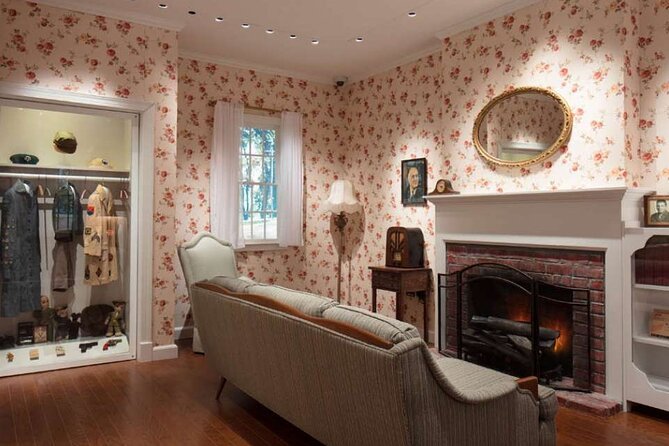
One of the strongest parts of this experience is how the campus honors WWII history across five separate pavilions. Even without needing exact building names in advance, you can feel the structure: it’s staged so you move from context into consequences.
What that means for you is not just “see exhibits,” but “watch the theme shift” as you go. Many people come expecting battles and vehicles. They leave with a bigger understanding of the human cost and the wider impacts on communities, countries, and families.
This arc is also why the experience can feel emotional. The museum uses storytelling and visuals that don’t shy away from suffering. If that sounds heavy, it is. But it’s also why the museum has a reputation for being one of the most meaningful ways to learn WWII in the U.S.






How long should you plan: half day vs. full day reality
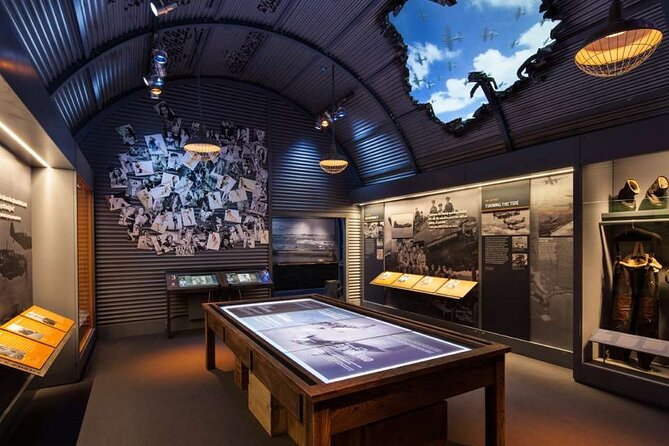
The ticket is listed for about 1 day, but your actual time depends on how deep you want to go. The museum is spread out, and you’ll likely end up doing more walking than you expect—especially if you also make time for the 4D film and a break.
If you’re trying to be efficient, you can still get a lot done in a shorter window by picking a handful of top areas plus the film. But if you want the kind of visit that feels complete, aim bigger. Plan on 5 to 8 hours as a realistic range, depending on how often you stop to read.
Here’s a practical rule I follow: if you know you’ll want lunch, check a few theaters beyond the 4D show, and read at least some exhibit panels, book your schedule for a full morning-to-close stretch. This is also the kind of day that benefits from doing things in the right order. Start with the museum before your film time, then use the film as the emotional anchor before you continue touring.
Comfort and navigation tips for a smooth campus day
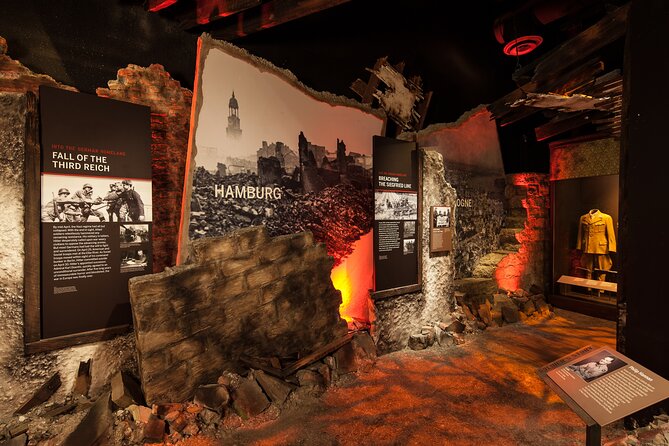
A lot of the experience is self-paced, so your comfort matters. The campus covers ground and includes lots of indoor displays. Comfortable shoes are not optional. You’ll also want to manage your energy: take short breaks instead of waiting until you’re done and exhausted.
Some additional practical points that help:
- The museum is filled with audio and visual displays, so it can get loud or busy in spots.
- Some areas can be hard to navigate quickly if you’re moving fast, so pick a direction and keep returning to it.
- If you wear glasses, bring them. There’s a lot of text and you’ll want to read the details instead of guessing.
For the 4D film, you’ll also want to think about your comfort with sudden effects, not just loud sound. If you’re going to request stationary seating, do it in advance at the theater area once you arrive.
Price and value: is $49.35 a good deal?
At $49.35 per person, you’re paying for two items that each cost real money on their own in many tourist settings: museum entry plus a timed 4D film seat. The value comes from how the package works together.
You’re also getting scheduling control. Prebooking a popular film is a big deal in a place like New Orleans where plans shift easily. With time slots, you can fit the movie without sacrificing your entire day to ticket availability. And since the pass is designed to help you avoid purchase lines, you spend your time where it matters: inside the museum.
Is it worth it? For me, yes, when you care about WWII and you want a memorable storytelling device. If you’re not interested in sensory effects and just want standard exhibits, you might consider skipping the 4D. But if you do go, the film is frequently described as worth the trip on its own.
When this experience is the best fit
This is a great fit if you want a serious, well-constructed WWII learning day and you don’t mind being challenged by details. It’s also ideal if you like museums that include multiple perspectives, not just one narrow storyline.
It can work well for families too, but with a careful expectation-setting. The museum is heavy on information and reading, and the 4D show includes loud noises and physical motion. If you’re bringing kids, pick the ages thoughtfully and plan for downtime.
If you’re a solo traveler, you’ll probably appreciate the self-paced flow. You can move at your own speed, pause where something catches your eye, and make the day feel like your own path rather than a group checklist.
And if you’re traveling with someone who loves military history and another person who prefers human stories, this is one of those rare places where both interests can find common ground.
Should you book the Campus Pass + 4D film?
Book it if you want an organized way to see New Orleans’s top WWII stop without gambling on film times. The timed entry and the chance to start the museum before your showtime are practical advantages, and the 4D experience is a major part of what makes this day unforgettable.
Skip it only if you strongly dislike sensory effects or you know that flashing lights, fog, sudden chair movement, or loud sound would be a problem. In that case, you might still consider visiting the museum without the 4D component—but for this exact package, the theater effects are central.
Finally, don’t under-schedule. The museum is big, and the day goes fast once you start reading and watching. If you can, plan to treat this as your main history anchor for the trip.
FAQ
What is included in the National WWII Museum Campus Pass plus 4-D Film?
The package includes admission to the National WWII Museum and a timed ticket for the 4D film Beyond All Boundaries narrated by Tom Hanks.
Can I enter the museum before my 4D film time?
Yes. You can enter the museum any time before your movie time to start touring.
How long should I plan for this experience?
It’s listed as about 1 day, and a full museum visit can take much longer. Plan on blocking off most of your day, especially if you want to read and see several areas.
Is the Beyond All Boundaries 4D film closed captioned?
No. The experience notes that Beyond All Boundaries is not closed captioned.
What accommodations are available for hearing or medical/sensory concerns?
Assisted listening devices are available for Beyond All Boundaries at the Visitor Services desk in the Solomon Victory Theater. The show uses loud noises, flashing lights, fog effects, and sudden chair movements, and stationary seating is available.
Are service animals allowed?
Yes. Service animals are allowed.
What happens if the experience is canceled due to weather?
This experience requires good weather. If it’s canceled due to poor weather, you’ll be offered a different date or a full refund.
Cancellation (quick heads-up)
If you cancel up to 24 hours in advance, you can get a full refund; within 24 hours, the amount paid is not refunded.