REVIEW · NEW ORLEANS
New Orleans: Highlights of the French Quarter
Book on Viator →Operated by WeVenture New Orleans · Bookable on Viator
New Orleans hits fast in this two-hour walk. This private tour is a smart way to get your bearings in the French Quarter and nearby landmarks with a local English-speaking guide, plus plenty of cultural context about how Creole and other influences shaped the city’s food and architecture. I especially like the stop-by-stop approach: you see Jackson Square and St. Louis Cathedral, then you pivot to the music story around Bourbon Street and the French Market. The one catch: it’s priced affordably and runs about two hours, so you won’t linger long at each place, and you’ll still need to plan for your own snacks and tips.
I also appreciate the hassle-free parts—pickup is offered, you use a mobile ticket, and it’s just your group (so questions don’t get swallowed by a large crowd). Expect walking in the Quarter and some quick transitions to other neighborhoods and parks; if you’re sensitive to noise and crowds, Bourbon Street can feel intense.
In This Review
- Key things to know before you go
- French Quarter streets, iron balconies, and the culture that made the city
- What to watch for
- Jackson Square and St. Louis Cathedral: symbols you can actually read
- A practical drawback
- Bourbon Street: jazz roots, crowded energy, and a quick historical lens
- Consideration for your group
- French Market: oldest markets, on-tour shopping, and music you might catch
- The best way to use this stop
- Garden District and Magazine Street: mansions, Hollywood ties, and shotgun houses
- Shopping time that actually makes sense
- City Park highlights: Spanish moss views, the Tree of Life, and the Botanical Garden
- A practical note
- Beyond the Quarter: Canal Street, Katrina Memorial, Treme, and Marigny
- Who will like this most
- Price and value: what $37 buys in real experience time
- Guide style and how to get more out of the story
- Who should book this French Quarter highlights tour
- Should you book this tour?
- FAQ
- How much does the tour cost?
- How long is the experience?
- Is this a private tour?
- Do you offer pickup, and do I need a ticket?
- What major places will we visit?
- Is food and drink included?
- Are admission tickets required for the stops?
- Are service animals allowed?
- Can I cancel for a full refund?
Key things to know before you go
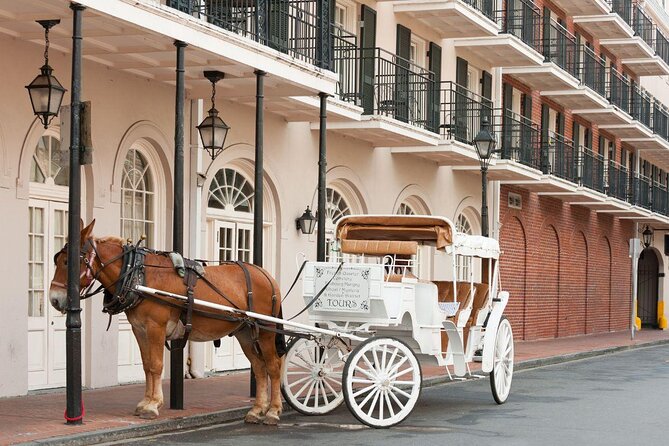
- A local English-speaking guide keeps the history tied to what you’re actually seeing on the street
- Jackson Square + St. Louis Cathedral gets specific, including architecture and major events tied to the site
- Bourbon Street and early jazz culture are part of the story, not just a nightlife stop
- French Market shopping with a chance to catch live music, plus optional jazz-museum and classic-jazz-joint time
- Garden District, Magazine Street, and City Park expand beyond the Quarter for real variety in one outing
French Quarter streets, iron balconies, and the culture that made the city
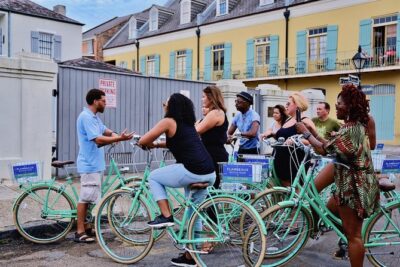
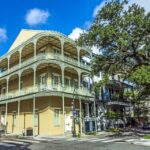
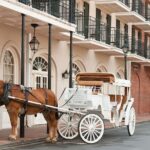
The French Quarter portion is the heart of this experience, and you start where New Orleans looks like it’s been frozen in time. You’ll walk historic streets lined with colorful buildings and famous cast-iron balconies—those wrought-metal details are not just pretty; they’re part of how the neighborhood evolved.
What makes this stop worth your attention is the way the guide frames the Quarter as a melting-pot story. You’re not getting history as a lecture. Instead, you connect the dots between the mix of cultures in New Orleans and what you see today—especially the city’s food scene and architectural vibe. If you’ve ever wondered why everything feels both European and distinctly Louisiana, this is where you start hearing the answer.
You can also read our reviews of more tours and experiences in New Orleans.
What to watch for
The French Quarter is compact, but it can be crowded. If your group wants quiet photo moments, you’ll have a better time aiming for side streets and open views as you move between landmarks—your guide can help you pick the best angles.
Jackson Square and St. Louis Cathedral: symbols you can actually read
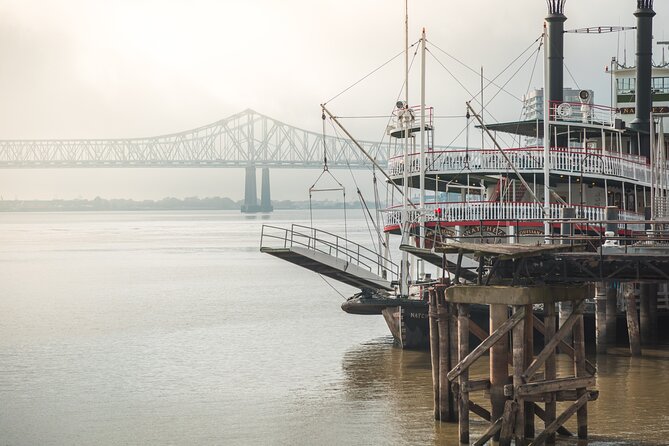
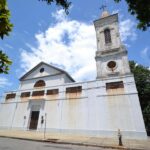
Next up is Jackson Square, the center point for a lot of New Orleans symbolism. From here, it’s an easy step into the main attraction: the St. Louis Cathedral, which dates back to the late 1700s and has stood at this spot since 1794.
I like this stop because it’s not just about admiring the building. Your guide explains what the cathedral represents—its religious significance and its dramatic moments in the city’s past, including the fact that popes are interred here and that a bombing is part of its story. That adds weight to what could otherwise feel like just another old church in a scenic plaza.
The square itself is also visually useful. It helps you orient your eyes: you’ll start recognizing where things sit relative to the Quarter’s street grid. That matters later when you’re trying to navigate on your own.
A practical drawback
Because this is a highlights tour, you won’t get a long, slow pause inside every detail. If you’re the type who wants to study stonework for 30 minutes straight, you’ll likely wish you had extra time.
Bourbon Street: jazz roots, crowded energy, and a quick historical lens

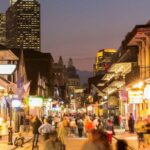
Then the pace shifts to Bourbon Street, where the volume goes up and the street feels like it’s always in motion. This stop is famous for bars and nightlife, but your guide keeps it grounded with the early jazz scene angle—so you’re not only seeing crowds, you’re getting context for why the street matters musically in New Orleans.
I find Bourbon Street works best as a “story stop,” not a “hang out for hours” stop. In a short time window, you can absorb the vibe, learn the background, and still move on before you burn out.





Consideration for your group
If your group prefers calmer streets, treat Bourbon Street like a short visit. Plan to let the guide lead the timing, and step away when you need a breather.
French Market: oldest markets, on-tour shopping, and music you might catch
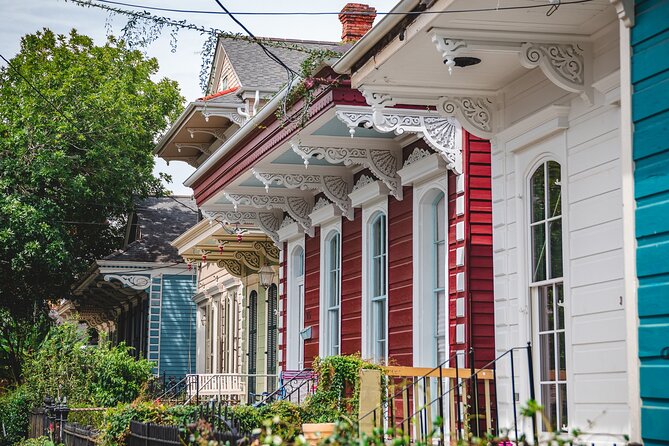
From Bourbon Street, you’ll head to the French Market, which is described as the oldest of its kind in the United States. That’s a useful detail: it tells you this isn’t just a tourist strip with crafts. It’s a long-running place where commerce and culture have met in the open air for a long time.
This stop also gives you breathing room—your guide encourages you to take your time for shopping on the tour. If you want small gifts, food treats, or local items without trying to plan a separate errand trip, this is one of the easiest places to do it.
There’s also a music thread. The tour may include live music here before moving you along to a jazz-focused stop at the New Orleans Jazz Museum. If your group is into the classic New Orleans sound, you may also have the option to include Louis Armstrong Park and a historic jazz venue like Preservation Hall.
The best way to use this stop
If you want souvenirs, set your plan early: choose a few “must buy” categories (like small keepsakes or local crafts) so you don’t get pulled into browsing every single stall for 60 minutes.
Garden District and Magazine Street: mansions, Hollywood ties, and shotgun houses
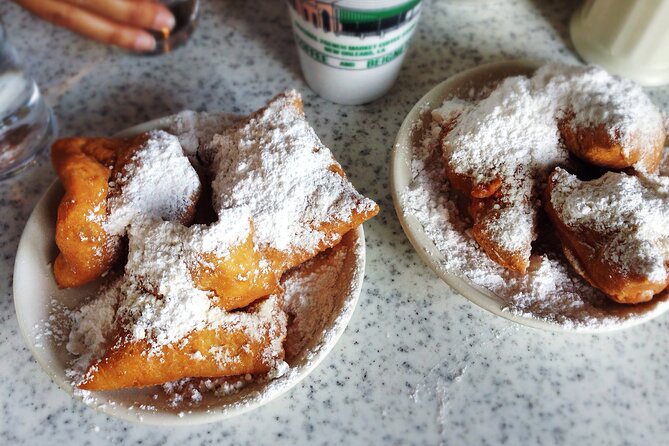
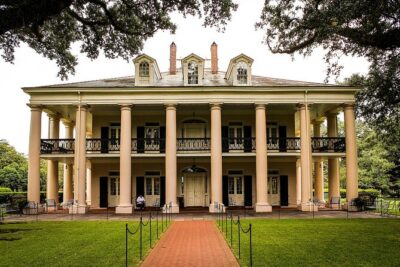
After the Quarter’s energy, the Garden District brings a calmer, more tree-lined feel. Here you’ll see streets lined with old trees and historic mansions, and your guide shares the area’s connection to Hollywood. That’s a fun angle because it helps you understand why parts of New Orleans are so visually “camera-ready”—big city stories shaped by the way the neighborhood looks.
Then it’s Magazine Street, where the focus shifts to working-class life and the famous shotgun-style homes. I like this contrast because it rounds out the usual postcard version of New Orleans. You see how the city’s architectural personality can tell you something about daily life, not just wealth and landmark status.
Shopping time that actually makes sense
If you want arts, antiques, or local browsing, Magazine Street is a solid place to do it. Your guide can point you toward the best spots to look through during or after the tour, which saves time compared with wandering without a plan.
City Park highlights: Spanish moss views, the Tree of Life, and the Botanical Garden
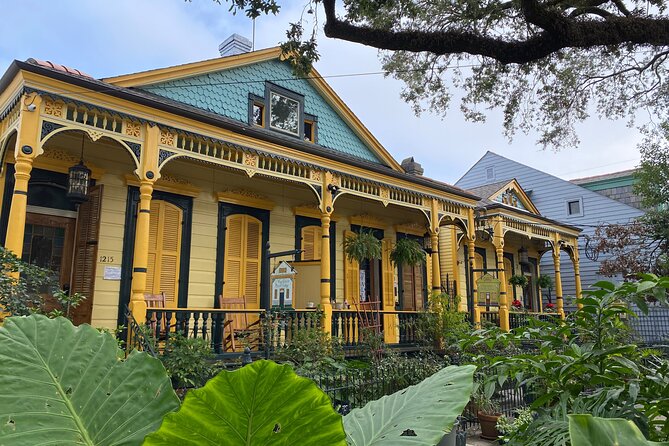
Some of the strongest photos in New Orleans come from City Park, and this tour uses it for variety. You’ll hear about the park’s scale—340 acres—and the kind of attractions that make it worth stepping out of the street-grid world for a bit.
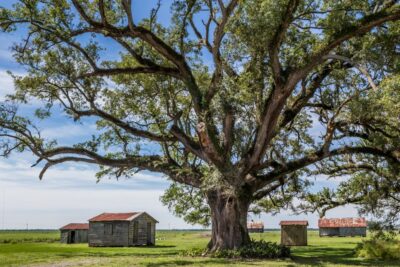
You may get references to major stops such as the Tree of Life and even the Loyola University campus edge near the northern side of the park. If your group needs a reset from sidewalks and crowds, this is where the air feels different and your legs feel less packed.
One highlight is the park’s botanical garden, described as containing thousands of plant varieties and themed spaces—everything from Louisiana-native plants to Japanese and prehistoric plantings. If your group likes gardens, this is a great place to slow down without feeling like you’re sacrificing the sightseeing goal.
A practical note
City Park gives you breathing room, but your total time is still limited. Treat this as “see the big features,” then plan a longer return if you fall in love with the grounds.
Beyond the Quarter: Canal Street, Katrina Memorial, Treme, and Marigny
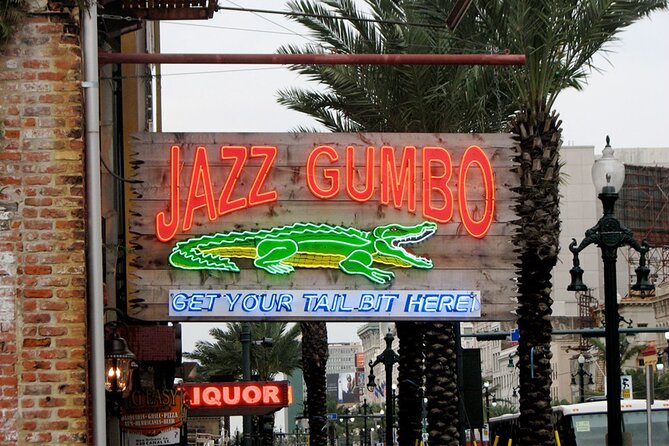
A good French Quarter trip isn’t just about the Quarter. It’s about understanding how the city’s story spreads outward, and this experience includes stops and viewpoints that point you toward that bigger picture.
You’ll likely get time looking at the eclectic area around restaurants and historic cemeteries, plus iconic streetcars along Canal Street. The Hurricane Katrina Memorial is also part of the route, and it adds real emotional weight—this isn’t a “fun facts” stop, it’s a moment that helps you understand how recent history sits in the cityscape.
Depending on your guide’s plan, you may also touch on Treme, known for African-American and Creole heritage, and Marigny, known for art galleries, street murals, and live music. This is the kind of end-piece that helps you connect what you saw earlier (culture, music, architecture) to the communities that keep shaping the city.
Who will like this most
If you want more than just famous landmarks—if you want the city’s different neighborhoods to feel like they’re talking to each other—this “outside-the-Quarter” portion is exactly the payoff.
Price and value: what $37 buys in real experience time
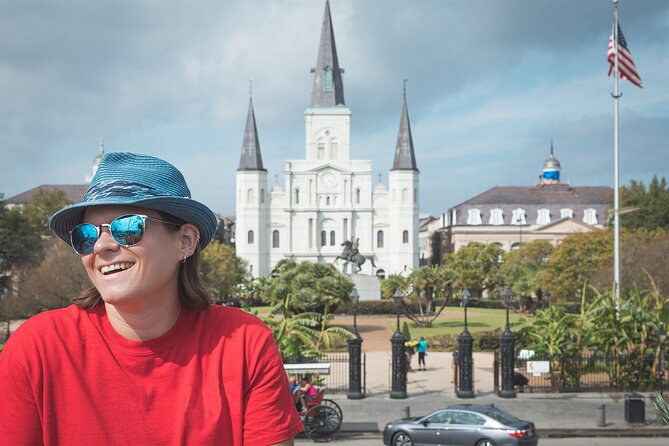
At $37 for about two hours, this tour is priced like a solid sampler. You’re paying for a local guide, a structured path through iconic sights, and the convenience of a private group format. Admission is listed as free for the tour’s key segments, which helps your budget.
What’s not included matters. Food and drink aren’t part of the deal, and souvenirs are on you. Tips and gratuities for the guide are also your responsibility. If you want a full-day food-and-drink crawl, this isn’t that tour—but for a focused highlights loop, it’s a good fit.
Also consider what you’re getting in exchange for the short time: the tour prioritizes breadth. You’ll see a lot of New Orleans signals in one outing, but you won’t get hours inside every place.
Guide style and how to get more out of the story
One piece of feedback tied to guide quality is that the guide was described as informative. That’s what you want on a highlights tour: clear explanations that help you notice things you’d otherwise skip.
If you’re the type who craves human stories (not just dates and architecture), you can make this tour work harder by asking follow-up questions as you go. Bring questions like:
- Who built these places, and what did daily life look like?
- How did the neighborhood change over time?
- What should I look for next time I come back?
That turns a good tour into a memorable one without needing extra hours.
Who should book this French Quarter highlights tour
This is a great match if you want:
- A private, local-guided overview of the French Quarter plus nearby neighborhoods
- A quick but meaningful stop at landmarks like Jackson Square and St. Louis Cathedral
- Music context around Bourbon Street and the French Market area
- Time-efficient exploration if you don’t want to plan a long itinerary
It’s also useful for groups with mixed interests—history, architecture, shopping, and music all show up in the plan without one category taking over the entire day.
Should you book this tour?
Yes, if your goal is to get oriented fast and leave with a clear sense of how the French Quarter connects to the broader city. The price is reasonable for a guided, private experience, and the lineup hits the major landmarks without dragging on.
Skip or reconsider if you want a slow, deep, museum-style pace—or if your group’s main priority is eating your way through New Orleans. This tour is built for seeing, understanding, and moving on, not for long lingering feasts.
FAQ
How much does the tour cost?
The price is $37.
How long is the experience?
It runs for about 2 hours.
Is this a private tour?
Yes. It’s private, and only your group participates.
Do you offer pickup, and do I need a ticket?
Pickup is offered, and you’ll use a mobile ticket.
What major places will we visit?
You can expect the French Quarter, Jackson Square and St. Louis Cathedral, Bourbon Street, the French Market, plus stops that may include Garden District and Magazine Street. The experience also points to City Park and other areas such as Canal Street, the Hurricane Katrina Memorial, Treme, and Marigny.
Is food and drink included?
No. Food and drink are not included.
Are admission tickets required for the stops?
Admission tickets are listed as free for the featured tour segments.
Are service animals allowed?
Yes. Service animals are allowed.
Can I cancel for a full refund?
You get free cancellation, with a full refund if you cancel up to 24 hours in advance.
If you tell me your travel dates and whether your group includes music fans or shopping priorities, I’ll help you decide which optional jazz stops are worth aiming for.