REVIEW · NEW ORLEANS
New Orleans Esplanade Ridge: A Self-Guided Audio Tour
Book on Viator →Operated by VoiceMap Audio Tours · Bookable on Viator
Three stops, one story of New Orleans. This self-guided audio tour takes you through Esplanade Ridge and gives you context for what you’re seeing—Faubourg St. John, how the Creole Garden District took shape, and why St. Louis Cemetery #3 ended up where it is. You can listen at your own pace, with the route designed for an easy-moving afternoon.
My favorite part is the way the tour connects everyday streets to big, specific moments—like the Museum of the Free People of Color reaching back to 1708 and a handwritten petition tied to Abraham Lincoln. I also love the lifetime access and the fact that the VoiceMap app can download the audio, maps, and geodata for offline use, so your plan doesn’t collapse if your phone acts up.
One thing to keep in mind: this is phone-first. You’ll need a smartphone and headphones, and museum or site entrance fees aren’t included, so you should expect to check ahead for anything that costs extra.
In This Review
- Key Highlights You’ll Notice Right Away
- Why Esplanade Ridge Works So Well as an Audio Walk
- Start and Finish Points: Planning a Clean Route
- Stop 1: The Museum of the Free People of Color (1708 to Lincoln, in One Stretch)
- Stop 2: The Garden District Angle—Why It Developed From 1832 to 1900
- Stop 3: St. Louis Cemetery #3 (The Angel Cemetery) and the Leper-Colony Origins
- Offline Listening, Pausing, and How to Make the Most of 1 Hour 15 Minutes
- Price Check: Is $9.99 a Good Deal Here?
- Who This Tour Suits Best (and Who Might Want a Different Option)
- Should You Book Esplanade Ridge: The Creole Garden District?
- FAQ
- How long is the Esplanade Ridge audio tour?
- Where does the tour start and end?
- Is the tour available offline?
- What’s included in the price?
- Is it a group tour with other people?
- Can I cancel for a refund?
Key Highlights You’ll Notice Right Away

- Offline-ready audio and maps through the VoiceMap app
- Lifetime access to the Esplanade Ridge: The Creole Garden District tour
- A focused 3-stop route that packs centuries into about 1 hour 15 minutes
- Culture beyond the postcard: free people of color, Creole neighborhood development, and cemetery origins
- Go at your own pace: pause, look, and move when you’re ready
Why Esplanade Ridge Works So Well as an Audio Walk
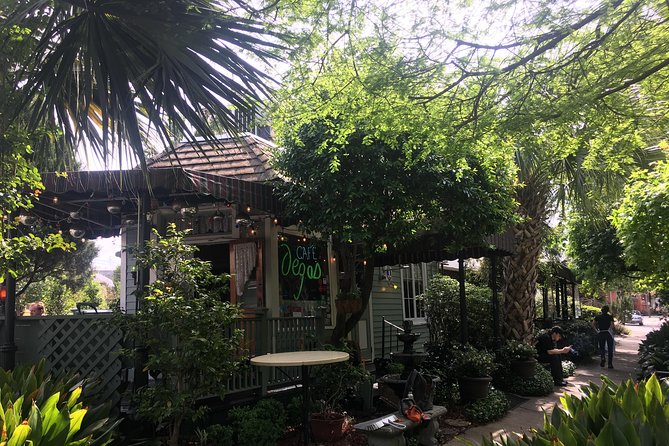
Esplanade Ridge is the kind of New Orleans area where the street layout and the buildings do half the talking. This tour leans into that. Instead of a sprint from one “must-see” to the next, you get a short loop with narration timed to landmarks you can actually stop at.
The big payoff is how the stories are rooted in place. The audio doesn’t just name buildings—it explains why people were here, how communities formed, and how events shaped the city’s growth. That makes the walk feel less like sightseeing and more like following a thread.
You’re also set up for comfort. The tour lasts about 1 hour 15 minutes, which is long enough to absorb the neighborhood without feeling trapped. It’s a practical choice when you want history on your schedule, not someone else’s.
You can also read our reviews of more guided tours in New Orleans



Start and Finish Points: Planning a Clean Route

This experience starts at 2023 Esplanade Ave, New Orleans, LA 70116 and ends at 3202 Grand Rte Saint John St, New Orleans, LA 70119. The idea is simple: you begin near Esplanade, follow the audio cues through the ridge area, and wrap up near Grand Route Saint John.
You don’t need transportation included in the price, but you do need to plan your own movement. The route is well suited to walking, and the tour concept can also work if you’re riding a bike or moving by car—because the app is timed to the stops rather than a human group’s pace.
The tour hours are listed as 12:00 AM to 11:59 PM, Monday through Sunday, which is helpful for flexible days. Still, individual stops (especially any museums) may have their own rules, and entrance fees are not included. So treat the listed hours as when the tour is available to run in the app, not a guarantee that every door you pass is open.
Two practical details help you succeed:
- It’s English only, so plan headphones accordingly.
- It’s near public transportation, which is useful if you want to come in light and leave without a car.
Stop 1: The Museum of the Free People of Color (1708 to Lincoln, in One Stretch)
The first stop is the Museum of the Free People of Color, a place that keeps a three-century story front and center. The audio begins in 1708, then moves through the early period, including Spanish rule from 1763 to 1800.
This is where the tour earns its weight. The narration ties policy and lived experience together. For example, you’ll hear how, during that Spanish period, enslaved people were sometimes allowed to purchase their freedom. That single detail changes how you read the era, because it shows that reality wasn’t one flat line.
One especially moving moment is a exhibit connected to a floor-to-ceiling petition to President Abraham Lincoln, dated Jan. 5, 1864, written by 1,000 free men of color who were also New Orleans property owners. Even if you already know the basics of the Civil War era, this kind of local documentation makes the story feel concrete.
What I like as a traveler: this stop doesn’t feel like a quick lecture. You can take your time, since it’s self-paced. It’s also a strong choice if you want your New Orleans day to include voices that are often missing from the biggest “greatest hits” tours.
Possible drawback: the museum itself is a destination that may require admission depending on what’s open and how you want to experience the rooms. The tour price covers the audio, not the ticket. If you’re trying to keep costs tight, check what you’ll need before you commit your time window.
Stop 2: The Garden District Angle—Why It Developed From 1832 to 1900
Next up is the Garden District, introduced to you as a neighborhood filled with well-preserved historic mansions. The audio explains that the area was developed between 1832 and 1900, shaped by wealthy newcomers to New Orleans.
This part helps you connect two things that can otherwise feel separate: the architecture and the social history that produced it. When you’re listening, it’s easier to see how a neighborhood’s form is tied to who had money, who moved in, and what the city was doing as it expanded.
You’ll also get a sense of how the area functions today, because the audio frames it beyond just grand houses. Expect references to the mix of antique shops, bars, cafes, gardens, parks, and restaurants. That matters because it keeps the tour grounded in modern strolling, not just a museum-like look at the past.
What you’ll likely appreciate: this stop works even if you’re not an architecture superfan. The audio nudges you to notice details in context, so the walking doesn’t feel aimless.
A practical consideration: this is the part of the route where you might get tempted to wander into shops and pause for coffee. That’s not a problem if you’re flexible, but the audio is timed for roughly 1 hour 15 minutes, so keep an eye on your battery and time if you want to finish the loop neatly.
Stop 3: St. Louis Cemetery #3 (The Angel Cemetery) and the Leper-Colony Origins
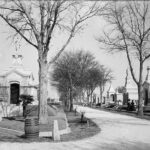
The last stop is St. Louis Cemetery #3, also called The Angel Cemetery. The audio brings you an origin story that’s heavier than the typical “cemeteries are pretty” explanation.
First, you’ll learn it sits on land that once was home to a leper colony. The tour connects Louisiana’s long history of hosting communities of people affected by leprosy to the cemetery’s beginning. That context matters, because it changes the mood: you’re not just looking at monuments, you’re standing on ground that was shaped by public health and desperation.
Then the audio moves to the mid-1800s. In 1854, a devastating yellow fever epidemic created a major need for burial plots. The priests at St. Louis Cathedral purchased the land to create another Catholic cemetery, with the city needing about 8,000 burial plots.
If you do cemetery tours in New Orleans expecting ghost stories, this one keeps you focused on the human timeline. That’s a plus if you want respectful, grounded context—especially because the tour is short, so the audio has room to make each point count.
Possible drawback: cemetery areas can involve uneven ground and long pauses for reading and listening. Self-guided means you control the pace, but it also means you’re responsible for good walking footwear and staying aware of where you are.
You can also read our reviews of more tours and experiences in New Orleans



Offline Listening, Pausing, and How to Make the Most of 1 Hour 15 Minutes
This tour is built for a simple rhythm: listen, stop, look, move. Since the app includes offline access to audio, maps, and geodata, you can plan for a smoother experience if you expect spotty service. That alone is a travel win.
Here are practical ways to use the app so you don’t feel rushed:
- Start your audio before you reach the first stop, so you’re not fiddling with settings mid-walk.
- Pause when you want to read or photograph, then restart when you’re ready to keep going. The self-guided nature is a big reason this tour gets strong feedback.
- Use headphones so the audio stays clear, especially on street corners where New Orleans is busy and sound can bounce around.
Because the experience is priced as an audio tour (not a guided group), you get a major tradeoff: you won’t have a live person to answer questions on the fly. The app handles the story. If you want follow-ups, you’ll need to look them up yourself afterward or make a note to research later.
Price Check: Is $9.99 a Good Deal Here?
At $9.99 per person, this tour sits firmly in the “value” category—mainly because you’re paying for time and interpretation, not transportation or a pile of admissions.
What you’re actually buying:
- Lifetime access to the Esplanade Ridge: The Creole Garden District tour
- The VoiceMap app experience
- Offline access to audio, maps, and geodata
That “lifetime access” part is not just marketing. It means you can come back to the area later and replay the narration if something doesn’t fully land the first time, or if you want to re-walk a stop without paying again.
Where the value can shrink a bit: you might still pay entrance fees for sites along the way, since tickets aren’t included. Also, you need a smartphone and audio setup. If you’re already traveling with those, the $9.99 price becomes much more compelling.
Overall, for people who like self-paced walking and want context without a long group tour, this pricing makes sense.
Who This Tour Suits Best (and Who Might Want a Different Option)
This experience is a great fit if you:
- prefer self-guided pacing and don’t want to stay with a group of strangers
- want to focus on neighborhood storytelling rather than big-ticket landmarks
- like history that’s tied to specific local sites, like the Free People of Color museum and St. Louis Cemetery #3
- want offline capability, especially if you’re concerned about phone service
It may be less ideal if you:
- hate using apps while walking around
- want a live guide to adjust the story based on your interests
- need everything fully ticketed and arranged, because entrance fees aren’t included
One more detail worth noting: it’s a private tour/activity for your group, and service animals are allowed. That combination can make it feel calmer than big-group experiences, because you’re not coordinating schedules with other people.
Should You Book Esplanade Ridge: The Creole Garden District?
I’d book it if you want a short, meaningful route that helps you read Esplanade Ridge like a story. The strongest reason to go is the sequence: you start with free people of color history reaching back to 1708, you follow with the neighborhood development arc from 1832 to 1900, and you end with cemetery origins tied to leprosy and the 1854 yellow fever need for burial plots.
Book it especially if:
- you’re planning one focused history outing instead of juggling multiple guided tours
- you value offline audio and lifetime access
- you’d rather pause, look, and walk on your own timeline
Skip it (or consider a different style of tour) if you’re not into phone-based navigation, or if you strongly prefer a live guide to answer questions and handle anything ticket-related. Since the tour doesn’t include entrance fees, it’s smart to plan that part yourself before you set your afternoon.
In the end, this is a good-value way to turn a simple walk into something you’ll remember.
FAQ
How long is the Esplanade Ridge audio tour?
It runs for about 1 hour 15 minutes (approximately).
Where does the tour start and end?
It starts at 2023 Esplanade Ave, New Orleans, LA 70116 and ends at 3202 Grand Rte Saint John St, New Orleans, LA 70119.
Is the tour available offline?
Yes. The package includes offline access to audio, maps, and geodata through the VoiceMap application.
What’s included in the price?
You get lifetime access to the Esplanade Ridge: The Creole Garden District tour, the VoiceMap application, and offline access. A smartphone is not included.
Is it a group tour with other people?
No. It’s listed as private, meaning only your group participates.
Can I cancel for a refund?
No. The experience is non-refundable and cannot be changed for any reason.