REVIEW · NEW ORLEANS
New Orleans: 2-Hour French Quarter History and Voodoo Tour
Book on GetYourGuide →Operated by French Quarter Phantoms LLC · Bookable on GetYourGuide
Vooodoo stories start here, not in a textbook. This 105-minute French Quarter history-and-voodoo tour threads together Congo Square, Marie Laveau, and major landmarks like Jackson Square, with a licensed guide who keeps the mood curious and the facts grounded. Guides such as Erin and Wolfy are often singled out for humor plus strong storytelling.
I love how the tour connects Congo Square to the real people behind the myths—enslaved Africans, Indigenous communities, and the harsh realities that shaped New Orleans. I also like that you end in the perfect spot to keep exploring, with Jackson Square and three big buildings—St. Louis Cathedral, the Presbytère, and the Cabildo—lined up for you to notice on your own.
One heads-up: this is not a fluffy ghost story. The tour covers voodoo alongside slavery and related violence and oppression, so if that subject matter is hard for you, plan your emotional bandwidth. Also, video recording is not allowed, so be ready to take notes or photos instead (if you’re allowed to, based on local rules).
In This Review
- Key highlights that make this tour worth your time
- French Quarter, voodoo, and the real story behind the myths
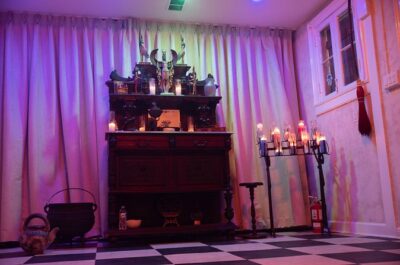
- Start inside the Voodoo Lounge: meeting point without the stress
- Congo Square: where beliefs, culture, and forced history intersect
- Marie Laveau’s former home site: the woman behind the legend
- Supreme Court stop: Louisiana politics, law, and names that echo
- French Quarter architecture, Bourbon Street energy, and cultural clues
- Jackson Square finale: St. Louis Cathedral, Presbytère, and Cabildo
- Price and value: why $22 can still feel worth it
- Who should book this French Quarter history and voodoo tour
- Should you book?
- FAQ
- Where does the tour check-in happen?
- How early should I arrive?
- How long is the tour?
- Does the tour run in bad weather?
- Is it wheelchair accessible?
- What’s included with the price?
- Is hotel pickup provided?
- Is there a bathroom break?
- Is video recording allowed?
Key highlights that make this tour worth your time
- Congo Square as a starting point that explains voodoo in its historical setting, not as campfire mystery
- Marie Laveau’s former home site—a real location tied to a larger story about power, survival, and belief
- Jackson Square finale with St. Louis Cathedral, the Presbytère, and the Cabildo in sight
- Supreme Court building stop for Louisiana politics and cases like Plessy vs. Ferguson
- Guides with comedic timing (names like Erin, Wolfy, Gracie, and Angela show up often) who turn Q&A into part of the fun
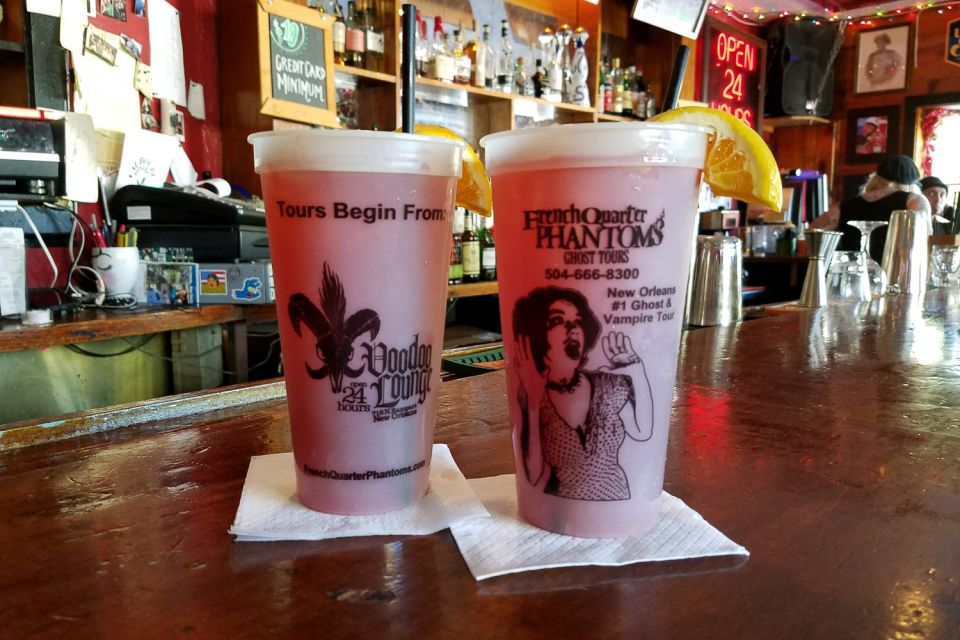
- Included Voodoo Lounge perks for 21+: a souvenir cup plus all-day 2-for-1 Hurricane drinks
French Quarter, voodoo, and the real story behind the myths
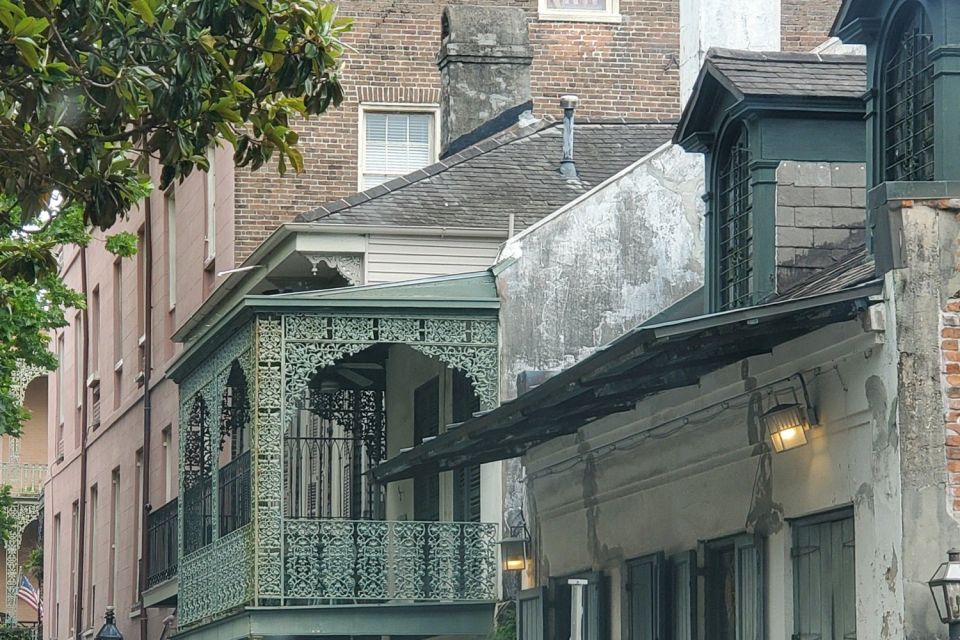
New Orleans is one of the only places in the US where spiritual beliefs, street life, food, politics, and architecture all share the same block. This tour is built for that. You’ll walk through the French Quarter while your guide links the neighborhood’s legends to the people and events that created them—especially around voodoo, the slave trade, and Indigenous presence.
What makes it useful is the structure. You don’t just hear the headline story; you get the context that makes the French Quarter make sense. When guides like Erin or Aaron are in charge, the tone tends to be funny and approachable, which matters because this tour covers heavy material. When Wolfy, Gracie, or Jeremiah leads, you can feel that you’re getting a local’s cause-and-effect view—why certain streets look the way they do, why certain names matter, and why “folklore” often grew out of real survival strategies.
You’re also walking at a tempo that fits a first trip. It’s about 105 minutes, so it’s long enough to feel like a proper orientation, but short enough that you won’t lose your whole day. If you’re the type who wants to know what you’re looking at before you start wandering on your own, this format works.
You can also read our reviews of more historical tours in New Orleans

Start inside the Voodoo Lounge: meeting point without the stress
The meeting point is inside the Voodoo Lounge. That detail sounds minor until you’re standing on a sidewalk trying to guess where the group is supposed to meet. The tour’s check-in happens at the box office inside, so plan to arrive 10–15 minutes early to get your wristband.
This is one of those “save yourself time” tips. The instructions specifically point out that check-in is inside, and at least one guest noted the confusion of people looking for a group outside. If you want your tour to feel easy, you’ll do best by walking right into the venue when you arrive.
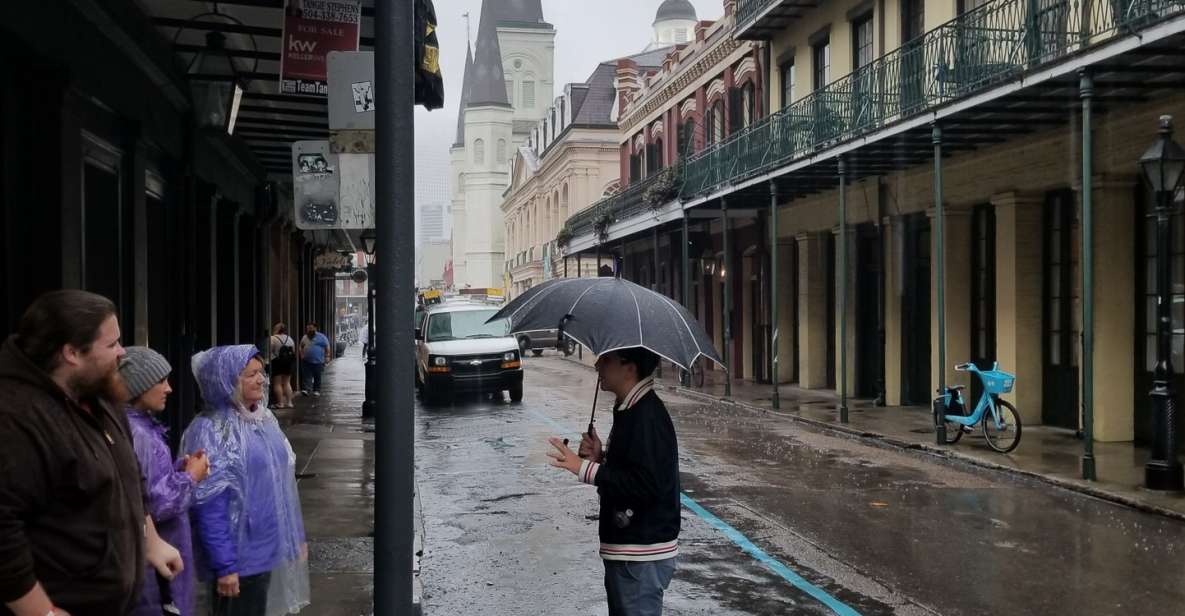
Logistically, you should also count on comfortable walking shoes. The tour is rain or shine, so you’ll want shoes that handle wet pavement and don’t punish your feet after a couple of dozen turns.
Finally: there’s a bathroom break during the tour. That matters on a short walking tour because you don’t want to miss a stop. It’s a practical inclusion, not an afterthought.
Congo Square: where beliefs, culture, and forced history intersect
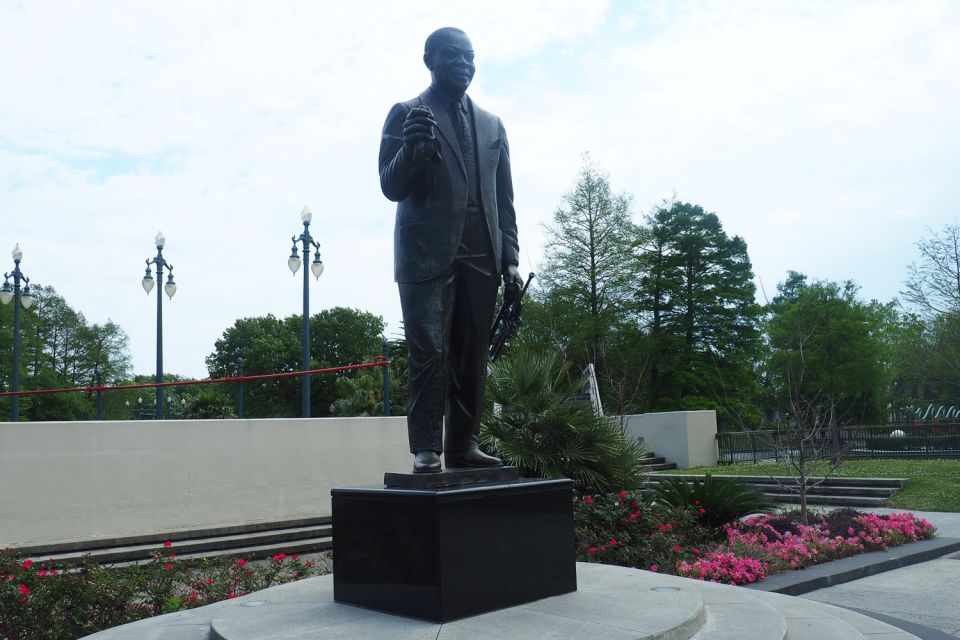
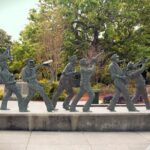
You begin at Congo Square, and that’s a smart choice. It’s the kind of starting point that tells you the tour isn’t going to treat voodoo as a standalone curiosity. Instead, it frames voodoo inside a New Orleans world shaped by contact between Indigenous peoples, enslaved Africans, and colonial power.
From there, your guide tells the early history connected to the practice—plus the broader realities of the slave trade and the communities who were impacted. I like this approach because it keeps you from turning the subject into a theme-park performance. You’re hearing how traditions took shape under pressure, and how cultural survival can include spirituality, community memory, and resistance.
This opening segment is also where questions tend to pop up. The tour format makes it natural to ask things like: What’s the difference between myth and practice? How did different groups affect each other? How did the city’s system of power shape religious life? With guides like Erin and Angela (both noted for Q&A and humor), the conversation often feels like a class that doesn’t punish you for not knowing the answers.
If you’re visiting on your first full day, this start gives you context for everything you’ll see afterward. If you’re returning for a second pass, it helps you see the Quarter as a living overlap of cultures instead of just a set of photo spots.
Marie Laveau’s former home site: the woman behind the legend
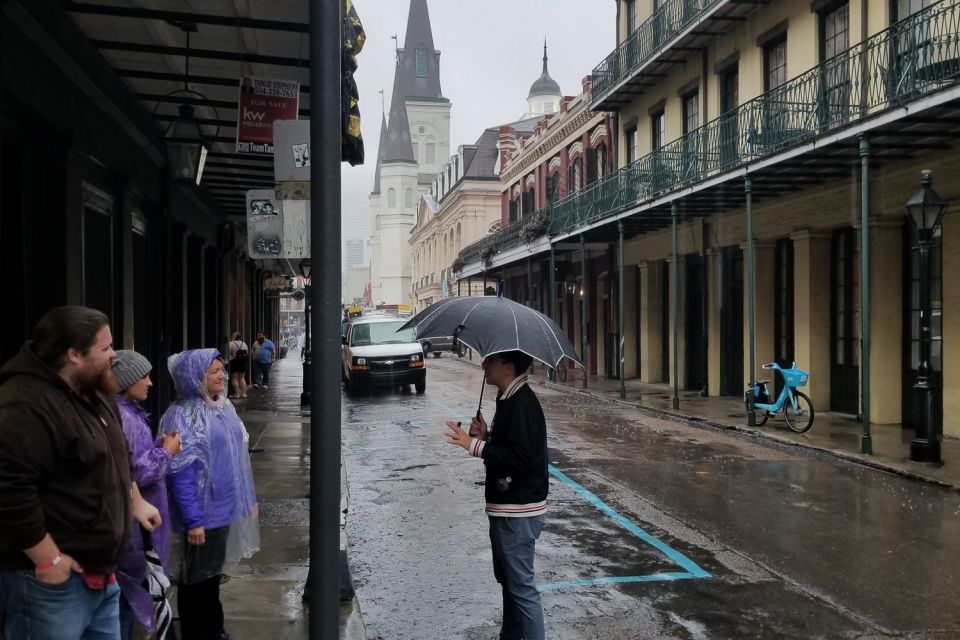
After Congo Square, you’ll hear about Marie Laveau, one of New Orleans’ most infamous and most misunderstood figures. The tour includes a stop at the site of her former home, which is where the story gains weight.
This matters because Laveau’s name is everywhere in New Orleans marketing, tattoos, tours, and bars. A site-based stop pulls you away from generic references and forces you to connect the legend to a place and a period. You’re also getting guidance on how to hold the topic responsibly: voodoo here isn’t treated as shock value. It’s framed as part of New Orleans history, shaped by the conditions people lived under.
What I like about this segment is the balance implied by the tour’s theme. It doesn’t isolate religion from politics or from daily life. It links voodoo stories to a larger system—one that involved enslavement, displacement, and racialized control. That’s why the tour can feel both fascinating and sobering.
One caution: if you prefer your tours light and purely entertaining, this portion may hit harder than you expect. It’s not graphic in the description you’re given, but it does tackle slavery and its consequences. Bring the right mindset, and you’ll walk away with more understanding than just trivia.
Supreme Court stop: Louisiana politics, law, and names that echo
Next, the tour pauses at the historic Supreme Court building. This is a strong pivot because it pulls the story from spiritual practice back into law and power.
Your guide shares tales about Louisiana politicians and court cases, including references like Huey P. Long and Edwin Edwards, plus a major US legal case: Plessy vs. Fergusson. That may sound like a lecture title, but on a walking tour it lands differently. You’re connecting the idea of control—who gets rights, who gets punished—to the physical city where those decisions were made.
I appreciate this stop because it helps you understand why New Orleans history isn’t only about music and balconies. Law and politics shaped what people could do, where they could live, and how the city developed. When you connect that with Congo Square and Marie Laveau, the Quarter stops feeling like “old vibes” and starts feeling like a real place where power had consequences.
Also, your guide adds layers beyond law. The tour framework mentions music, food, architecture, and even literary history, which is another reason this stop is useful: it keeps the tour from getting trapped in one narrow lane.
You can also read our reviews of more tours and experiences in New Orleans



French Quarter architecture, Bourbon Street energy, and cultural clues
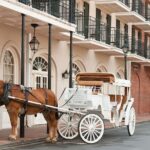
You’ll pass historical sites at every turn, and that constant movement is part of why the tour works. New Orleans architecture can look like pure decoration until someone explains what you’re actually seeing—how the streets developed, what certain buildings suggest about trade, wealth, religion, and cultural mixing.
Your guide is also expected to talk about the city’s music and food and how they connect to culture. The French Quarter is famous for music, sure, but the value here is learning why particular styles and influences took root in this neighborhood. That makes it easier to spot patterns when you later hear jazz, feel the rhythm in the street, or choose what to eat beyond the first menu you see.
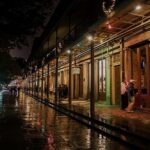
Then there’s Bourbon Street—part warning label, part cultural engine. The tour doesn’t treat it like a joke. It uses it as one of the markers of the Quarter’s identity: tourist energy layered over deep local roots.
Practical note: you’ll be walking in real city conditions, so keep an eye on your footing and energy. This tour is short, but New Orleans sidewalks can be uneven. Your best move is to slow down for a few seconds when you’re turning corners, not when you’re already rushing to catch up.
Jackson Square finale: St. Louis Cathedral, Presbytère, and Cabildo
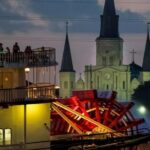
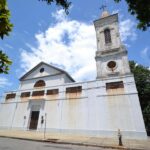
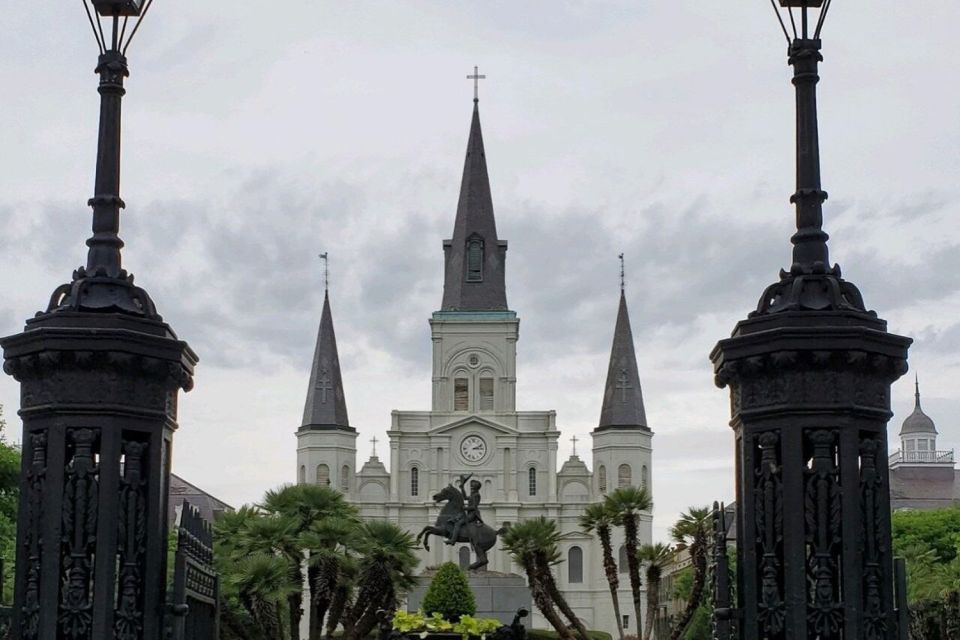
The tour ends at Jackson Square, which is a smart finish line because it’s one of the best areas in the Quarter for self-guided wandering. You’ll admire St. Louis Cathedral, the Presbytère, and the Cabildo, and your guide will point out what makes each building meaningful.
I like endings like this because they stop the tour from feeling like a black box. You learn what to look for while you’re walking, then you can keep going afterward without asking strangers on the street for directions or context.
St. Louis Cathedral is the obvious anchor, but the Presbytère and Cabildo add extra texture. They help you see that Jackson Square isn’t just a pretty backdrop; it’s a cluster where religion, governance, and community life all overlap. This is where the tour’s theme comes full circle—different kinds of power, beliefs, and history sharing the same geography.
If you plan your timing, you can turn the last 15–30 minutes of your day into a follow-up. Look at buildings from a couple angles, take a slow loop around the square, and then decide where you want to go next based on what you learned on the walk.
Price and value: why $22 can still feel worth it
At $22 per person for a licensed guided walk of 105 minutes, this can be a strong value—especially if you’re using it on your first day to orient yourself.
Here’s how the value adds up:
- You get a structured walk tied to multiple real locations: Congo Square, a site tied to Marie Laveau, a major political/legal stop, and a landmark finish at Jackson Square.
- You get a licensed guide, and the guide quality matters because the tour covers both dark history and spiritual belief. A storytelling approach helps you stay oriented instead of overwhelmed.
- For 21+, the included wristband adds perks: a souvenir cup and all-day 2-for-1 Hurricane drinks at The Voodoo Lounge. That doesn’t replace the value of the tour, but it can make the total cost feel lighter if you’re already planning to have a drink.
The main trade-off is that you’re paying for a compact time window. If you want a long, slow, sit-down style tour with tons of breaks, this might not match your pace. But if you want a guided orientation that ends in one of the Quarter’s most usable public spaces, it’s priced like something you can actually fit into a real itinerary.
Who should book this French Quarter history and voodoo tour
This tour is a good fit if you:
- want a first-day orientation to the French Quarter
- like history that connects people and places, not just dates
- are curious about voodoo in its historical context, including the forced history that shaped communities
- enjoy guides who use humor and answer questions, with many past guides—like Erin, Wolfy, Gracie, Angela, and Jeremiah—being noted for that mix
It may not be your best match if you:
- prefer only cheerful stories and would rather avoid slavery-related content
- hate walking in rain or under crowds (the tour runs rain or shine)
- want to record the tour on video (video recording is not allowed)
If you’re deciding between this and another French Quarter tour type, consider what you want to understand most. If your goal is to connect the Quarter’s biggest names and landmarks to the deeper backstory, this is built for that.
Should you book?
Book it if you want a short, guided way to understand why New Orleans feels the way it does—where belief, survival, politics, and architecture all touch the same streets. At $22 with a licensed guide, a thoughtful route through key locations, and included 21+ perks at The Voodoo Lounge, it’s an easy “yes” for most first-time visitors.
Skip it or choose another style if you don’t want history that includes slavery and the dark parts of how the city operated. And if you’re the type who needs full freedom to film, remember that video recording isn’t allowed, so bring a note-taking plan instead.
FAQ
Where does the tour check-in happen?
Check-in is located inside the Voodoo Lounge. You’ll need to go to the box office to receive your wristbands.
How early should I arrive?
Please arrive about 10 to 15 minutes early to check in with the guide.
How long is the tour?
The tour duration is listed as 105 minutes.
Does the tour run in bad weather?
Yes. The tour will take place rain or shine.
Is it wheelchair accessible?
Yes, the tour is wheelchair accessible.
What’s included with the price?
You get a licensed guide. For participants 21 years old and up, the wristband includes a souvenir cup and all-day 2-for-1 Hurricane drinks at The Voodoo Lounge.
Is hotel pickup provided?
No hotel pickup and drop-off are included.
Is there a bathroom break?
Yes, there is a bathroom break during the tour.
Is video recording allowed?
No, video recording is not allowed.