REVIEW · NEW ORLEANS
New Orleans Music Tour
Book on Viator →Operated by Historic New Orleans Tours · Bookable on Viator
Follow the music from Congo Square to Preservation Hall. This New Orleans Music Tour strings together legendary names, key neighborhoods, and the deeper forces behind the sounds you hear today—starting at Louis Armstrong Park and ending at Preservation Hall.
I love how the guide ties each stop to a specific musical story, not just a stop-and-take-a-photo wall. I also like that you get a real sense of what’s playing now, since the route is built around where street music still happens, not only famous buildings. You’ll especially feel this at the finish at Preservation Hall, right as people line up for a show.
One thing to watch: it’s a fast, mainly outdoor walk. Two hours means brief stops, and you might also spend some time listening to clips on a tablet instead of only hearing music live in every moment.
In This Review
- Key highlights to look for
- Louis Armstrong Park: the best first stop for jazz origins
- Congo Square and J&M Studios: the hard roots and the sound that spread
- Basin Street Station and Storyville leftovers: where early jazz found its stage
- May Bailey’s Place and the Tango Belt: music districts, opera ghosts, and street life
- Preservation Hall finish: from the street right into the show
- Guides that make the stops click: what you should expect from the storytelling
- Price and time: $25 for a 2-hour music history walk
- Walking reality: what to bring so the tour doesn’t wear you down
- What kind of traveler should book this?
- Should you book this New Orleans Music Tour?
- FAQ
- How long is the New Orleans Music Tour?
- What’s the meeting point and where do we end?
- Is admission included anywhere?
- What’s included in the $25 price?
- What should I bring for the walk?
- What language is the tour offered in?
- How large is the group?
- What happens if weather is poor or I need to cancel?
Key highlights to look for
- Congo Square’s West African roots and why it matters to modern popular music
- J&M Studios and Cosimo Matassa, tied to the so-called New Orleans Sound
- Storyville remnants on Basin Street, including Frank Early’s My Place Saloon
- May Bailey’s Place and the Tango Belt, plus the Old French Opera House site
- Preservation Hall as the landing spot, built to connect past, present, and what you’ll hear outside
- Small group size (up to 20) for more give-and-take as you walk
Louis Armstrong Park: the best first stop for jazz origins
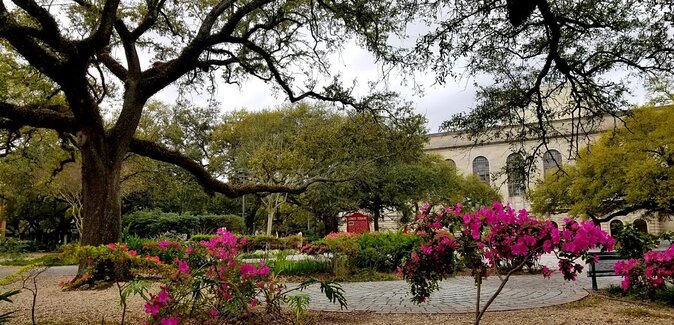
You start at Louis Armstrong Park, and it’s a smart choice. It puts you at the center of New Orleans musical mythology fast, so your brain knows what to listen for as you move.
This part works because the tour doesn’t treat jazz history like a fairy tale. You get the context behind the music—how the city’s social and cultural forces shaped what people could do, sing, dance, and create. If you care about the why, not just the who, this opening sets the tone.
And it’s practical. You’re beginning in a place designed for visitors, with enough space to orient yourself before you hit tighter streets.
You can also read our reviews of more tours and experiences in New Orleans.
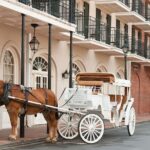
Congo Square and J&M Studios: the hard roots and the sound that spread
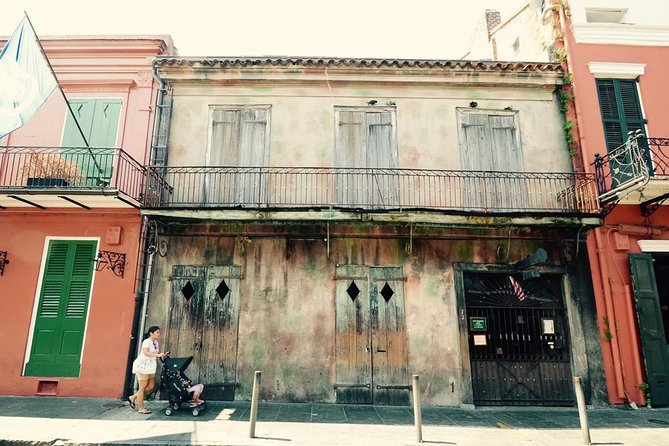
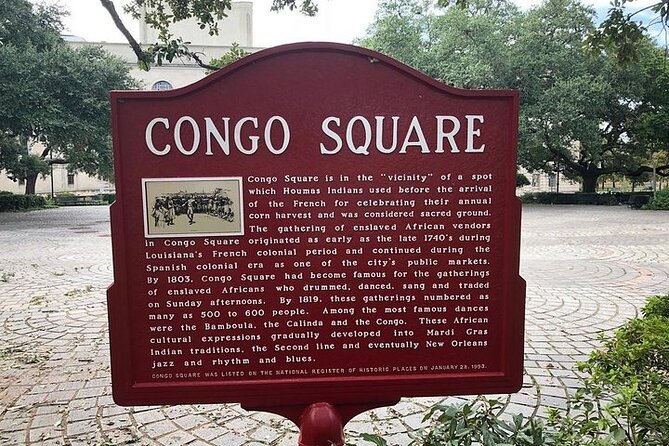
The Congo Square segment is where the tour earns its title. You’ll learn that Congo Square is the only place in North America connected to pure West African religious ritual and musical traditions. That detail matters, because it reframes popular music origins as something carried, transformed, and survived—not just invented in a vacuum.
You’ll also hear why Congo Square is treated as a wellspring of New Orleans music, with a direct line to the city’s influence on worldwide song. The tour also points out that Congo Square is tied to festival culture, including the first New Orleans Jazz and Heritage Festival in 1970.
Then you’ll shift to the J&M Studios connection. From Armstrong Park, you’ll look toward the building associated with Cosimo Matassa, known for helping shape the “New Orleans Sound.” The names attached to that legacy come fast—Professor Longhair, Dave Bartholomew, Fats Domino, Guitar Slim, Shirley & Lee, Lloyd Price, Ernie K-Doe, Allen Toussaint, and Clarence Frogman Henry.
This stop is valuable even if you don’t memorize every name. It teaches you to listen for how recording, performance, and neighborhood culture reinforce each other. And yes, the tour presents J&M Studios as a birthplace-level influence for rock ’n roll, not only jazz.
Basin Street Station and Storyville leftovers: where early jazz found its stage
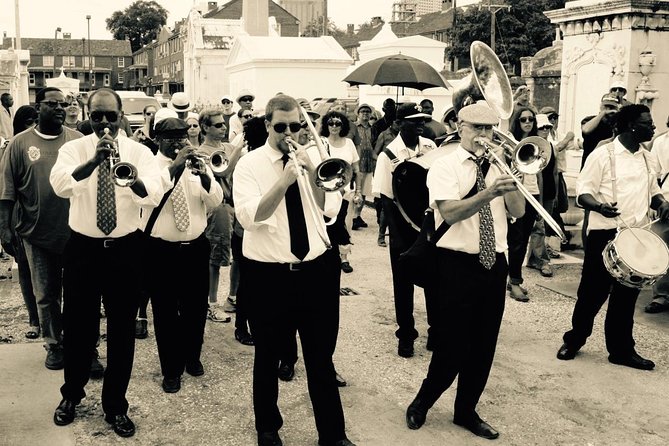
Next you move to Basin Street Station and then stroll down Basin Street. This is where the tour leans into the city’s turn-of-the-century entertainment world, specifically Storyville.
You’ll see what’s left of Storyville and hear stories tied to key figures. Frank Early’s My Place Saloon comes up because it’s linked to the creation of Pretty Baby. Even if you know the melody, the context changes your understanding of where songs and styles were shaped.
You’ll also hear names that show how crowded the early jazz scene was with talent: King Oliver, Buddy Bolden, Jelly Roll Morton, and Sidney Bechet. The point isn’t to list legends—it’s to show how the music environment worked. Performers needed rooms, audiences, and daily hustle, and Storyville is part of that machinery.
One practical note: this stretch is shorter, so listen closely. You’ll get the story, but you won’t have time to wander and research on your own. If you like pausing for photos or reading street plaques, plan on doing that at the other stops.
May Bailey’s Place and the Tango Belt: music districts, opera ghosts, and street life
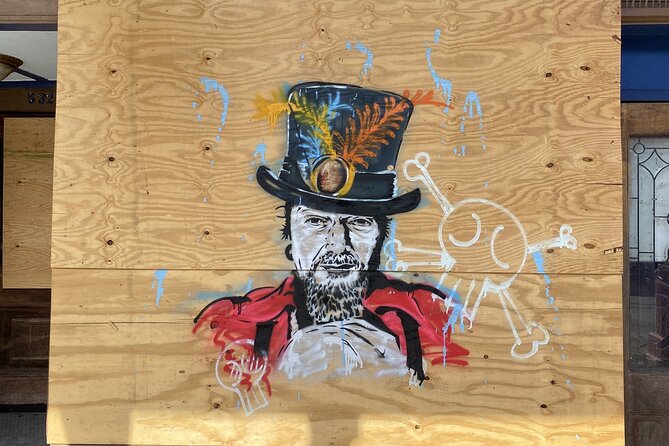
From Basin Street you head to May Bailey’s Place. You’ll stroll through the Tango Belt area and also hear about the site of the Old French Opera House.
This stop is interesting because it shows a New Orleans pattern: entertainment doesn’t live in one genre box. Dance halls, opera spaces, and popular music scenes can overlap. Even when the specific venues are gone, the location still teaches you how the city organized nightlife and performance.
The tour keeps this as a walk-and-look segment, so you’ll want to come with curiosity. Don’t expect a long museum-style explanation here. Think of it as a waypoint that expands your mental map.
Preservation Hall finish: from the street right into the show
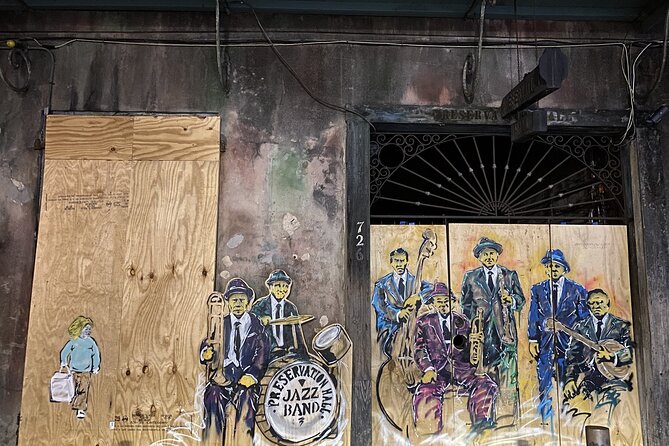
You end at Preservation Hall at 726 St Peter. The tour’s end timing matters. People are often lining up for the show on site, so your history walk can immediately turn into real music.
You’ll also hear how the tour connects today’s sound to older roots. The guide shares the origins of New Orleans Bounce music, and you’ll get a look at street musicians carrying that flame forward.
Even if you don’t plan to buy tickets at the hall, ending here is smart. It’s the kind of place where you can feel why New Orleans music has staying power. The building represents the past, the present, and what’s still evolving on the streets nearby.
If you want to make this ending extra worth it, show up with enough time to watch the crowd, listen to what’s happening outside, and then decide if you want to stay for the program.



Guides that make the stops click: what you should expect from the storytelling
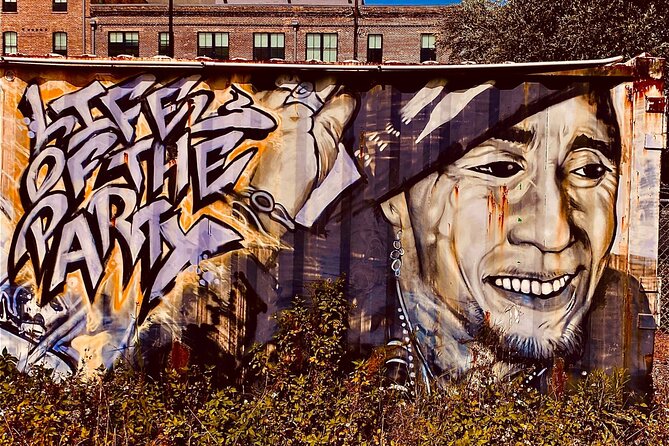
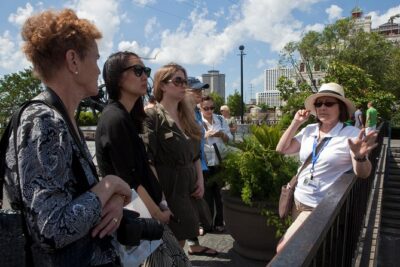
The biggest theme across the tour’s best moments is the guide. People consistently praise guides—names like David Higgins, Eva, Margie, and Anna come up—because they don’t just recite facts. They connect the music to people, politics, and the city’s cultural patterns.
That matters for you because New Orleans can feel like a blur if you’re only chasing famous names. A strong guide helps you build a mental timeline: West African traditions at Congo Square, the recording-and-performing machine linked to J&M Studios, and the nightlife districts that provided stages for early jazz.
You’ll also benefit from the small group size (up to 20). With fewer people, it’s easier to ask questions and get specific answers instead of just nodding through a lecture.
One caution from the “how it feels” side: some groups note the guide used a tablet for clips during parts of the walk. That doesn’t ruin the tour, but it can affect how much you hear live music during every minute.
Price and time: $25 for a 2-hour music history walk
Let’s talk value. At $25 per person for about 2 hours, this tour is priced for a “high impact” afternoon. You’re paying for a guide, for interpretation that saves you hours of reading, and for the shortcut through the most meaningful landmarks.
Most stops are framed as quick visits (around 20–30 minutes), which keeps the pace manageable. That also means you’re not buying time like a museum ticket does. It’s a primer—an efficient one.
Also, one stop includes an admission ticket: Congo Square. The others are presented as free-entry landmark visits, so your money goes mostly toward storytelling and route planning.
Is it worth it? For many music lovers, yes, because New Orleans music history is the kind of subject where context multiplies enjoyment. If you’re the type who can turn a 10-minute street scene into a learning moment, this format fits you.
Walking reality: what to bring so the tour doesn’t wear you down
This tour is mostly outdoors, and the weather in New Orleans can change fast. Bring what the tour encourages: comfortable shoes, water, sunscreen, and rain or sun protection plus a hat.
You’ll cover a handful of stops, and you’ll stand and look around more than you might expect. If your feet are unhappy, your brain won’t absorb the stories as well.
Also, plan your timing around your end point at Preservation Hall. Since the finish is near a live show crowd, you’ll likely feel like you’re in a music event zone at the end, not just outside sightseeing.
What kind of traveler should book this?
This New Orleans Music Tour is a great match for:
- People who want jazz and popular music origins connected to specific places
- Couples and friends who like short walking tours with strong guides
- Anyone who’s interested in how slavery and cultural survival shaped music, not only the entertainment side
- Travelers who enjoy street musicians and want to see them as part of the story, not an afterthought
It may be less ideal if:
- You want long indoor time inside major venues (this is more walking and landmark viewing)
- You get frustrated by brief stops that prioritize multiple locations
- You want nonstop live street music in every segment without any tablet listening
Should you book this New Orleans Music Tour?
If your goal is to understand New Orleans music history in a way that actually helps you listen during your trip, I think this is a smart booking. The route connects Congo Square, J&M Studios, Storyville remnants, and the ending at Preservation Hall into one coherent storyline. That’s exactly what makes a short, focused tour like this feel worth it.
Book it if you like being guided through the details, and you’re okay with a brisk pace. Skip it or choose a different format if you want slower, deeper time inside venues, or if you know you hate any multimedia moments during walks.
FAQ
How long is the New Orleans Music Tour?
It runs for about 2 hours.
What’s the meeting point and where do we end?
You start at Rampart Treehouse, 740 N Rampart St, New Orleans, and you end at Preservation Hall, 726 St Peter, New Orleans.
Is admission included anywhere?
Congo Square includes admission. Other stops are described as free-entry landmark visits.
What’s included in the $25 price?
The tour includes a tour guide, visits to music-related landmarks, and a look at current street music and where the hottest live acts are happening.
What should I bring for the walk?
Comfortable shoes, water, sunscreen, a hat, and rain/sun protection.
What language is the tour offered in?
It’s offered in English.
How large is the group?
The tour has a maximum of 20 travelers.
What happens if weather is poor or I need to cancel?
The experience requires good weather. If it’s canceled due to poor weather, you’ll be offered a different date or a full refund. You can cancel for a full refund up to 24 hours in advance; within 24 hours, refunds are not available.