
REVIEW · NEW ORLEANS
New Orleans Garden District History Walking Tour
Book on Viator →Operated by TOURS by STEVEN · Bookable on Viator
New Orleans has a way of sticking in your mind. This Garden District history walk pairs gorgeous antebellum blocks with a serious look at the city’s burial traditions. I love getting a local guide who makes the stories feel human, and I love that the route includes both architecture and the Garden District’s film-famous homes. The main trade-off is simple: you’ll be walking and standing for much of the tour, and the sidewalks can be rough.
The capped group helps here. With a maximum of 15 people, you’re not just drifting behind a crowd—you can actually ask questions, and the guide can steer the pace to the group. I also like the structure: you start with the cemetery context, then move into the streets where the homes start to feel like characters.
One more thing to plan for: the cemetery itself isn’t open for entry. Lafayette Cemetery #1 is closed (due to repairs), so you’ll do that portion from the iron gates and view the tombs clearly from outside. It’s still a highlight, but it’s not the same as walking inside.
In This Review
- Key Things You Should Know Before You Go
- Finding the Start at 1427 Washington Ave and Keeping It Simple
- Lafayette Cemetery No. 1 Outside the Gates: Above-Ground Graves and Local Traditions
- Walking the Garden District: Antebellum Homes, Film Stops, and the Story Behind the Streets
- What You Learn About Architecture When You Walk Instead of Just Look
- Pace, Footwear, and Uneven Sidewalk Reality Checks
- The $35 Value: Is a 2-Hour Garden District Walk Worth It?
- Best For Who: Couples, Solo Travelers, and People Who Like Real Stories
- Should You Book This Garden District History Walking Tour?
- FAQ
- What’s the duration of the New Orleans Garden District History Walking Tour?
- How much does the tour cost?
- Do I get to enter Lafayette Cemetery #1?
- How big is the group?
- What’s the tour like in terms of walking?
- Is the tour offered in English, and is it weather-dependent?
Key Things You Should Know Before You Go

- Small group size (up to 15): enough space for questions, not enough to feel lost.
- Cemetery is outside-only: Lafayette Cemetery #1 is closed, so you’ll see the tombs from the gates.
- Two focused stops: about 1 hour in the Garden District, plus a short 20-minute cemetery segment.
- Celebrity and Hollywood stories: you’ll hear which opulent homes appeared in films.
- A real walking tour: uneven sidewalks mean good shoes matter more than fashion.
- Mobile ticket + English guide: easy logistics, and the tour is offered in English.
Finding the Start at 1427 Washington Ave and Keeping It Simple
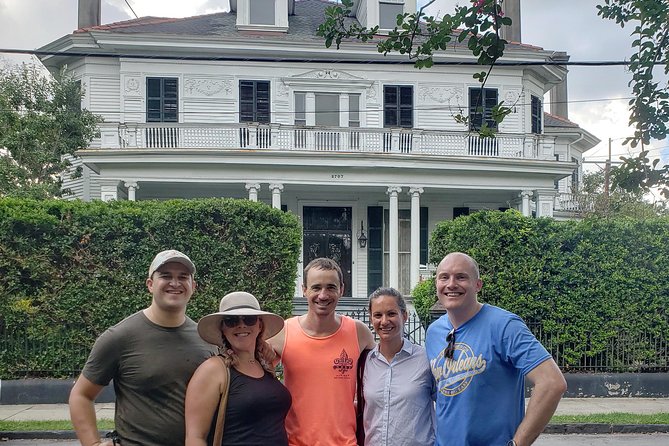
Your tour begins at 1427 Washington Ave, near Le Petit Blue (this is the address you can use for ride share). Then you’ll meet your guide and group right there and start moving as a unit—no confusing checkpoints or long waits.
This is one of the smoother tours to run in your day because it ends back at the meeting point. That matters in New Orleans, where you might otherwise wonder how far you’ll end up from dinner plans. Here, you’re basically set up for an easy next move—grab a drink, eat, or just keep wandering nearby streets.
Dress code is smart casual, and the tour runs in all weather conditions. Still, don’t ignore the weather. The company notes the experience requires good weather, and if poor weather forces changes, you’ll be offered a different date or a full refund. If you’re visiting during a hot spell, bring sun protection; during cooler months, dress for standing and walking outdoors.
Also check the small practical details. Service animals are allowed, and children must be accompanied by an adult. If you’re bringing a stroller, be prepared for uneven, broken sidewalks—one parent in the feedback said it was hard to manage.
You can also read our reviews of more walking tours in New Orleans



Lafayette Cemetery No. 1 Outside the Gates: Above-Ground Graves and Local Traditions

The tour’s first big mental shift happens at Lafayette Cemetery #1. The cemetery itself is closed to the public, so your “entry” is really a viewing experience. You’ll do this portion from outside the gates, where you can clearly see the tombs.
What I like about starting here is pacing. You don’t just casually snap photos of pretty neighborhoods. You get the burial traditions context first, including the idea of above-ground crypts and how New Orleans handles life and death differently than many other places.
This is also where your guide sets tone. The guide explains the cemetery’s history and why New Orleans cemeteries work the way they do. And because you’re outside the gates, you avoid the most frustrating part—time lost to waiting or restrictions that vary day to day.
The cemetery segment is short—about 20 minutes—so it doesn’t drag. But it’s long enough to make the Garden District stop feel deeper. After you hear the cemetery background, the whole neighborhood tour reads differently, like the city’s beauty and its grief are part of the same story.
One consideration: because you can’t enter, you won’t get an inside experience. If you came specifically hoping to walk among the tombs up close, you may feel a bit limited. Still, the view from the gates is designed to make sure you get what the tour promises: the tombs and the meaning behind them.
Walking the Garden District: Antebellum Homes, Film Stops, and the Story Behind the Streets

After the cemetery context, you shift into the part most people come for: the Garden District blocks lined with old homes. The guide leads you along streets of antebellum mansions, then connects what you’re seeing to who lived there, how the neighborhood grew, and what’s different now compared with earlier New Orleans.
This section is also where you’ll notice the tour’s “more than photos” approach. You’re not just looking at architecture. You’re learning what to look for—how styles reflect different eras, and how the neighborhood became the wealthy, elegant area it is known for today.
There’s another layer I really appreciate: the guide includes a celebrity portion. You’ll hear about opulent homes featured in Hollywood films. Even if you don’t care about celebrity trivia, it gives you a practical way to remember what you saw. It’s also a fun hook, especially when the guide ties the story to real details on the street.
Time-wise, stop one is about 1 hour in the Garden District. That’s a sweet spot. Long enough for a real walk and real explanation, not so long that you feel trapped outdoors. Plus, since you’re in a capped group, you can actually hear the guide without craning your neck the whole time.
Guides in this tour seem to have a knack for keeping things lively. The feedback names Caroline (and Caroline Phan), Angie, Shawn, and Sean, and the common thread is storytelling with humor and energy. It’s the kind of tour where you end up remembering details like you heard them from a friend who grew up there—because, for better and worse, these guides obviously care.
What You Learn About Architecture When You Walk Instead of Just Look

The architecture talk is not vague. You get a guided focus on architectural style, not just a list of pretty facades. That matters, because New Orleans has so much visual variety that a self-guided wander can turn into a blur.
On this tour, the guide points out what makes each building distinct, then connects it to the people and eras around it. You also hear how the small riverside settlement grew into a lavish, wealthy city. That growth story can sound abstract until you’re literally standing on streets where the wealth showed up in stone, iron, and design.
This is why walking helps. When you’re moving block by block, you can see patterns—how the street layout, setbacks, and home shapes create a neighborhood feel. The guide helps you notice those patterns instead of just letting you take snapshots and forget them five minutes later.
Also, the tour includes insider recommendations for local hangouts—music, food, and drink. That’s not a random add-on. It’s part of how the guide turns history into a living trip. After you learn how the Garden District functions as a stage for culture and status, you’ll have suggestions for where to hear the music and where to eat when you’re ready to stop learning and start living.
One small drawback: one piece of feedback said the tour felt a bit long for the number of houses seen, especially in chilly weather. If you’re a super fast mover or you dislike standing, you might want to keep your expectations aligned: this is a story-first walk, not a maximum-house photography sprint.
Pace, Footwear, and Uneven Sidewalk Reality Checks

Let’s talk feet. This is a walking tour with “significant walking,” and New Orleans sidewalks are not designed for delicate sneakers. Multiple notes from the experience point out uneven, broken sidewalks, so you’ll want supportive shoes with traction.
Even if the pace feels manageable, you’ll still be standing at points to hear details and look toward the cemetery gates. One reviewer even joked about back ache and loading up on pain meds—funny, but it points to the real issue. If you have knee or back limits, plan for slower steps and frequent posture breaks when your guide allows it.
Weather can change how the tour feels. The tour runs in all weather conditions, but cold weather makes standing less fun. If it’s chilly, wear layers you can adjust quickly. If it’s hot, protect yourself and drink water before you get stuck in outdoor standing time.
One more practical note: if you’re traveling with a toddler or stroller, the streets and sidewalks can be hard to manage. That doesn’t mean you can’t do it—it means you should plan for extra pushing effort and potential detours around uneven spots.
You can also read our reviews of more historical tours in New Orleans






The $35 Value: Is a 2-Hour Garden District Walk Worth It?

At $35 per person for about 2 hours, this tour competes well with other guided options in New Orleans because it combines two high-interest themes: Garden District architecture and Lafayette Cemetery #1. You’re paying for a guide who turns the neighborhood into a story you can carry with you.
Value is strongest when you’re trying to get more from less time. Two hours is perfect for people who want something meaningful without losing half a day. It also helps that this tour is consistently highly rated—an overall 4.9 score with nearly 2,900 reviews—which usually signals a dependable experience and guides who handle groups well.
The capped group size (max 15) is a big part of why the price makes sense. If it were a large bus-style crowd, you’d lose the chance to ask questions. Here, you’re more likely to get direct answers. The tour also includes local food, music, and drink recommendations, which can easily add up to real savings if you take them seriously.
Timing is another value factor. The tour is often booked about 17 days in advance on average, so if you want a specific date, don’t wait too long. Good tours in New Orleans tend to sell out when weather and schedules line up.
Best For Who: Couples, Solo Travelers, and People Who Like Real Stories

This tour fits especially well for adults who like architecture and local culture. The vibe is history + humor + street-level observation, not museum stuff. If you enjoy guides who answer questions and keep things conversational, you’ll probably have a great time.
It’s also a strong solo option. A solo traveler called it a great way to enjoy the city on foot, with a guide who made the full two hours worth it. For couples, it’s easy to share attention: one person can focus on homes and the other can focus on cemetery traditions, then you trade notes at each stop.
If you’re on a tight schedule, the two-stop structure helps. You’re not guessing where the best parts are—you get a cemetery segment for context, then a Garden District segment for visuals and stories.
Who should think twice? Anyone who hates walking, hates standing, or has mobility limits that don’t handle uneven sidewalks well. This isn’t the tour to pick if you want a mostly seated experience.
If you like film trivia, it’s a bonus. If you don’t, it’s still there, but it’s really just one more storytelling tool the guide uses to bring buildings to life.
Should You Book This Garden District History Walking Tour?

Book it if you want a guided, story-driven walk through one of New Orleans’ most visually distinctive neighborhoods. The cemetery start adds real depth, and the Garden District portion gives you the architecture and film-related details people remember.
Skip it only if you know you can’t handle outdoor standing, uneven sidewalks, or you strongly prefer an inside cemetery experience. Since Lafayette Cemetery #1 is closed for entry and you view from the gates, the tour is designed for viewing and explanation, not full access.
If you’re choosing between doing this on your own versus hiring a guide, I’d pick the guided version. The guide’s ability to point out what to notice—and to connect it to local traditions and stories—turns the Garden District from pretty to meaningful.
FAQ
What’s the duration of the New Orleans Garden District History Walking Tour?
It runs for about 2 hours.
How much does the tour cost?
The price is $35.00 per person.
Do I get to enter Lafayette Cemetery #1?
No. Lafayette Cemetery #1 is closed, and you can only view the tombs from outside the iron gates.
How big is the group?
The tour has a maximum of 15 travelers.
What’s the tour like in terms of walking?
A significant amount of walking is involved, and you should expect uneven sidewalks and some standing.
Is the tour offered in English, and is it weather-dependent?
The tour is offered in English. It operates in all weather conditions, but the provider also states the experience requires good weather, and poor weather can lead to a different date or a full refund.