REVIEW · NEW ORLEANS
Second Line Tour & Music Experience
Book on GetYourGuide →Operated by Treme Luxury Experience Tours & Transporation · Bookable on GetYourGuide
Second line music turns streets into a dance floor. I like the local connection you get through Hollis, a former King of Treme, and I like that you are not stuck behind a fence—you’re in the moving crowd learning as you go. The main trade-off is simple: it’s a walking, standing, dancing-in-the-street kind of experience, so large crowds and time on your feet are part of the deal.
For $20, you’re getting a live English guide and water, plus the kind of street energy New Orleans is famous for. You can also plan on buying drinks and food along the route with cash. The only real “watch-out” for value is that second lines run in different places and sizes, so you’ll want to confirm the exact meet-up location the day before.
This tour fits best on a day when you want culture with motion. Second lines usually happen on Sunday afternoons, and they’re often traced through the French Quarter and nearby neighborhoods. If you’re hoping for a quiet, sit-down sightseeing format, this is not that.
In This Review
- Key things that make this second line tour worth your time
- What a second line is really about (and why you should care)
- Hollis in Treme: how the guide changes the whole experience
- The 150-minute flow: parade motion, street-level viewing, then local food
- The street visuals you’ll notice immediately: costumes, banners, and the band
- Where the tour happens: French Quarter edges and neighborhood streets
- Price and logistics: why $20 can feel like good value in NOLA
- What to bring so you can actually enjoy it
- Who this tour suits best (and who should plan differently)
- A quick reality check: what could annoy you
- Should you book Second Line Tour & Music Experience?
- FAQ
- How long is the Second Line Tour & Music Experience?
- Where do we meet for the tour?
- What is included with the $20 per person price?
- What should I bring with me?
- Is the tour offered in English?
- Can I get a refund if my plans change?
- Does the tour include an express security check?
Key things that make this second line tour worth your time
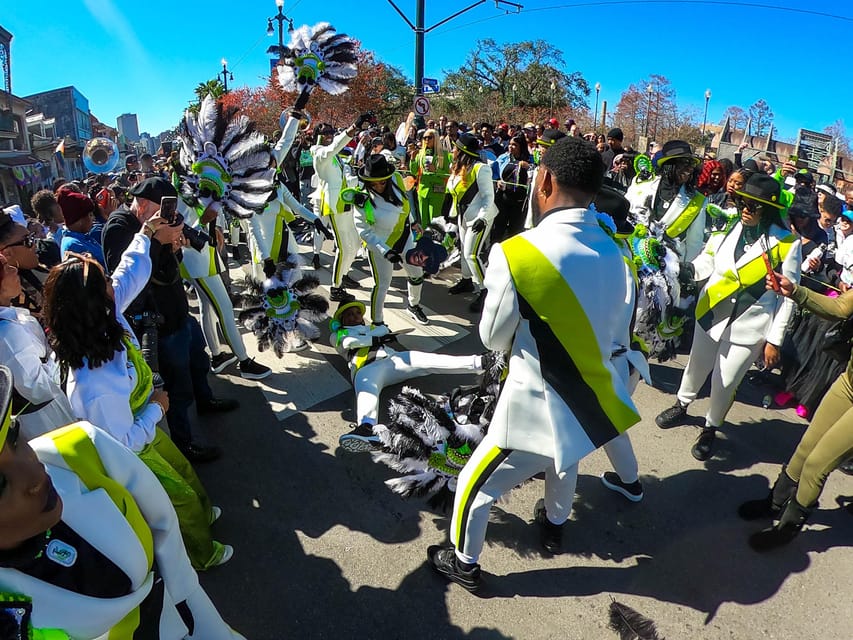
- Hollis (former King of Treme) guides you with real community context, not just trivia
- You join the parade energy, including street-level dancing and brass band moments
- Big-history framing: how second line traditions grew out of neighborhood fraternal societies
- Real street stops across New Orleans, not one staged photo spot
- Food at the end from local vendors, including Jamaican food at Heard Dat Kitchen
What a second line is really about (and why you should care)
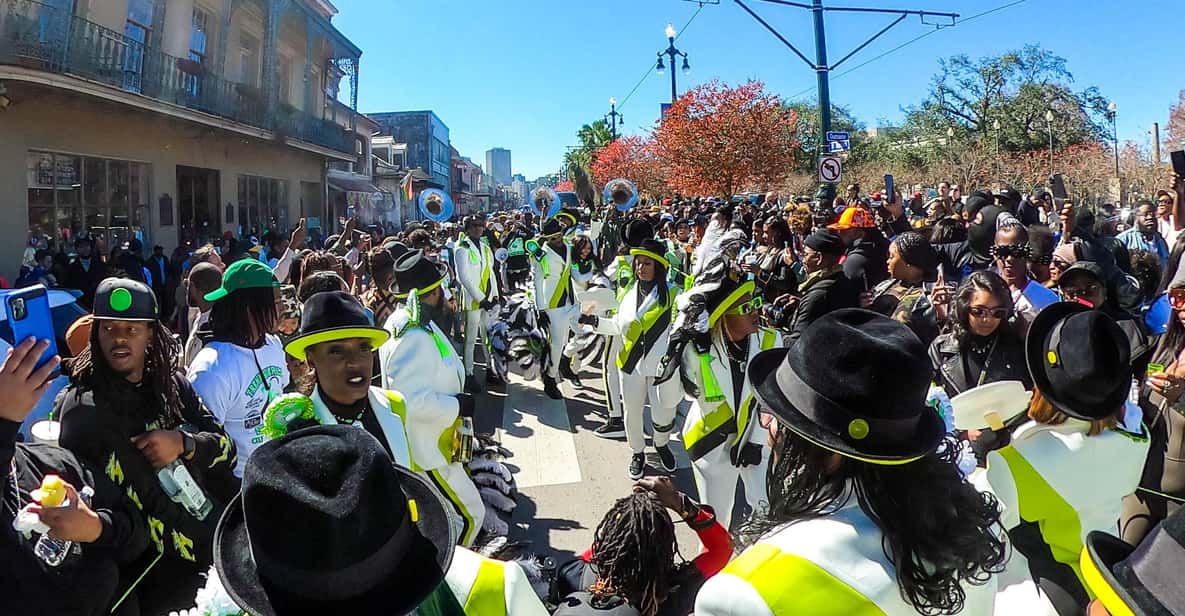
A second line is more than a parade you watch from the curb. The whole point is that the music pulls people into a shared rhythm—brass band sound, dancing right in the street, and the colorful outfits that look like a courtly celebration and a block party at the same time.
If you’re curious about where it comes from, you’re not imagining things. The tradition is rooted in older neighborhood gatherings that trace back to the 18th century, and later fraternal societies in the 1800s helped shape the form you see today. That history matters because second lines are generally not tied to a holiday or a major formal event—they happen for their own sake, so the vibe stays spontaneous.
You can also read our reviews of more tours and experiences in New Orleans.

Hollis in Treme: how the guide changes the whole experience
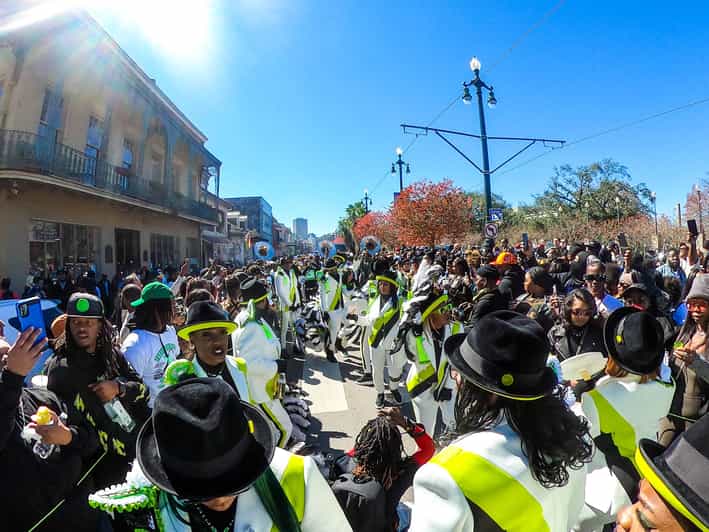
The biggest difference on this tour is the person leading it. Hollis is presented as a former King of Treme, and the way he talks about the culture comes off personal and community-minded. People highlight that he keeps a large group together and looks out for everyone, which matters because you’ll be moving with the parade through neighborhoods.
You’ll also get the kind of context that helps the street scene click. The tour isn’t just about what you see—Hollis explains the history and culture behind second lines and even touches on local truths around Hurricane Katrina. That doesn’t turn the walk into a lecture. It gives you a way to read the costumes, the music, and the energy as living tradition, not just entertainment.
The 150-minute flow: parade motion, street-level viewing, then local food
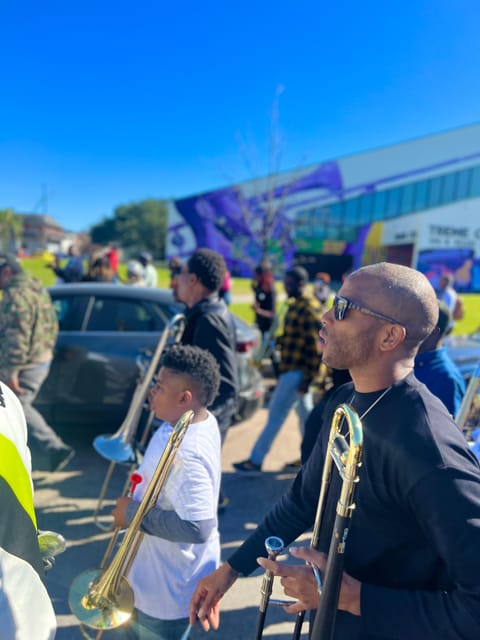
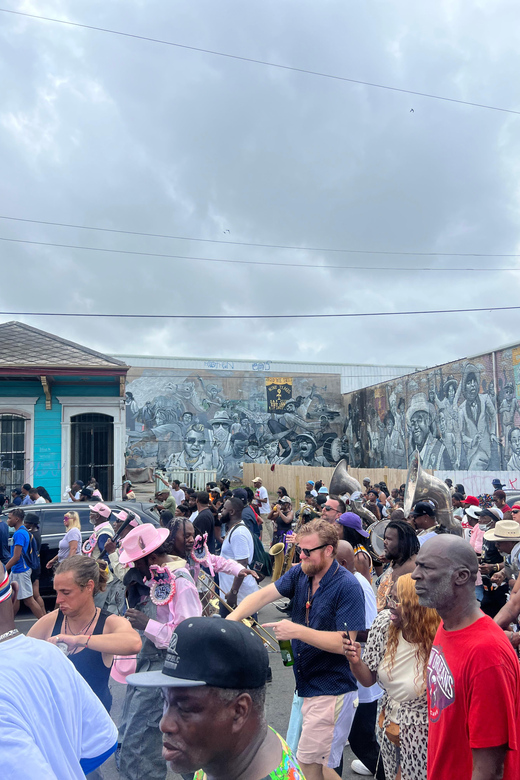
This is a 150-minute experience, and the time is used like New Orleans uses time: by staying flexible and going with the energy. Expect the tour to include a second line parade or second line music experience where the brass band leads and the crowd answers with dancing. You’ll be part of the moving group as the parade advances, often described as moving a block at a time.
As you go, you’re not just listening. You’re learning how to spot the details that make a second line feel different from any other parade: the layered roles of band and crowd, the way people interact in the street, and the sense that everyone belongs even if you’re seeing it for the first time.
Then comes the payoff: food afterward from local vendors, including Jamaican food. One stop mentioned specifically is Heard Dat Kitchen, and that’s the kind of ending that makes the tour feel like more than a musical walk—it becomes a mini day plan you can actually build your evening around.
The street visuals you’ll notice immediately: costumes, banners, and the band
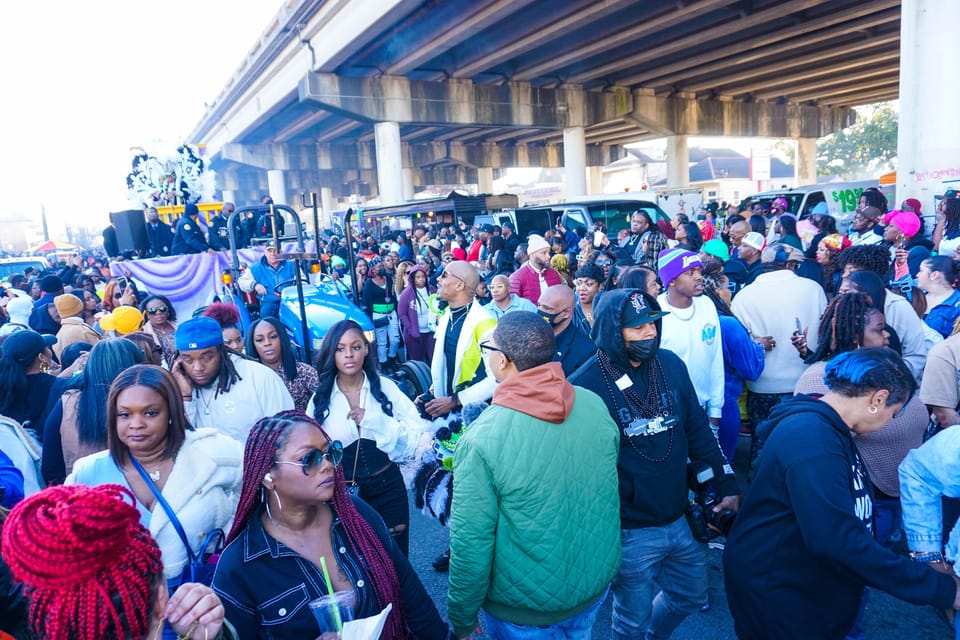
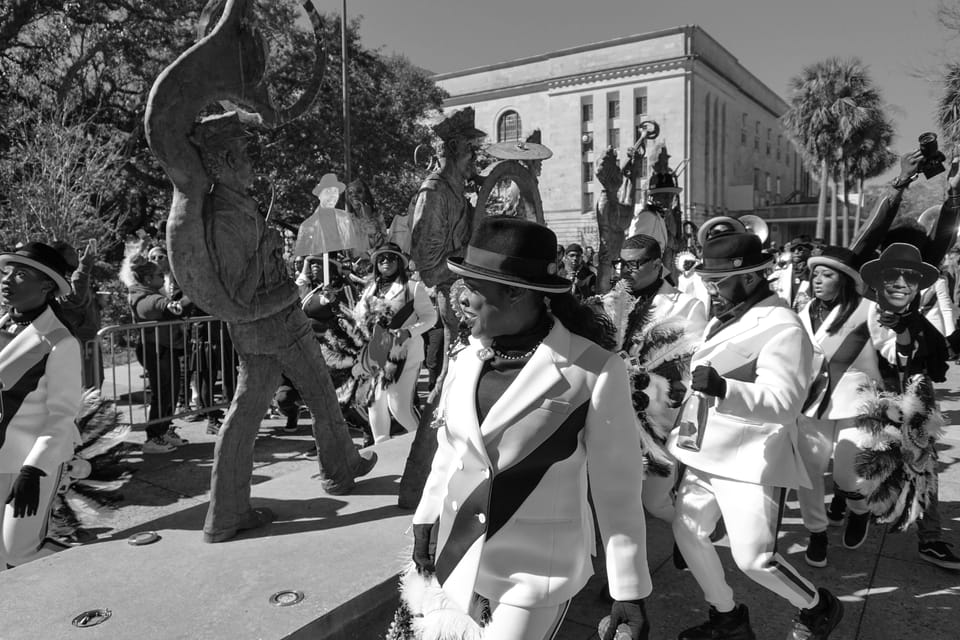
When people say second lines are colorful, they mean it. You’ll see participants in bright suits with sashes, hats and bonnets, and parasols and banners—everything designed to look good while moving. The effect is that the parade has court-like style, but the energy stays casual and street-born.
The brass band is the engine. When the horns start pushing, the pace of the block changes. You’ll feel why this is hard to capture in a video: the music isn’t just sound—it’s motion, call-and-response, and people dancing right on porches, in the street, and even on vehicles as the parade rolls.
Where the tour happens: French Quarter edges and neighborhood streets
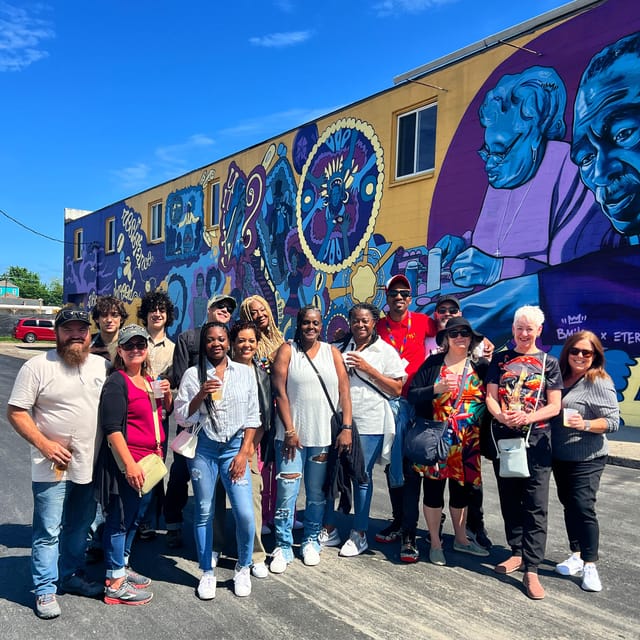
Second lines pop up across the city. They’re often associated with the French Quarter and nearby neighborhoods, but the point is that the celebration belongs to the neighborhoods too. You’re likely to experience the parade on streets where locals actually live their day-to-day, which is where the authenticity comes from.
This is also why meeting details matter. The tour asks guests to call to confirm the meet-up location the day before. Follow that instruction and you’ll save yourself stress at the start, especially because second lines can vary by size and organization from one event to the next.




Price and logistics: why $20 can feel like good value in NOLA
At $20 per person for 150 minutes, this is priced like an experience, not a high-end production. The practical value comes from three things you’re paying for: a live English guide, water, and access to local context that would be hard to piece together on your own.
Also, you don’t just get music. You get a guided walk designed around how second lines work—moving through the neighborhood, understanding the tradition as it unfolds, and ending with food. That last piece matters: it turns the tour into a full cultural block of time rather than a quick stop-and-go attraction.
One more small but useful detail: the activity includes skip-the-line through express security check. That’s helpful if you’ve had to fight lines elsewhere in the city.
What to bring so you can actually enjoy it
This tour is outdoors and you’re on your feet. Bring comfortable shoes and comfortable clothes, and plan for warm weather conditions. A hat helps, especially if you’ll be out in the sun before or during the parade route.
Bring cash too. The route includes vendors where you may want to buy beverages or food, and cash gives you freedom without needing to guess payment options on the fly. Water is included, but you’ll still want to pace yourself.
If you’re bringing a camera, keep it realistic. You’ll be in the crowd and moving. Think “quick shots” and “watch with your eyes” instead of spending the whole time filming.
Who this tour suits best (and who should plan differently)
This is a great fit if you want New Orleans culture that happens on streets, not inside a building. It works especially well for first-timers who want the second line experience explained while you’re actually in it. People also point out that the whole family can enjoy it, which suggests the vibe is welcoming and fun rather than intimidating.
If you have mobility challenges, don’t assume this is automatically a no. One guest mentioned using a wheelchair and still enjoying the experience by watching more than walking the whole route, with the guide offering helpful info. That said, it’s still a walking tour, so you’ll want to consider your comfort with crowds and standing.
A quick reality check: what could annoy you
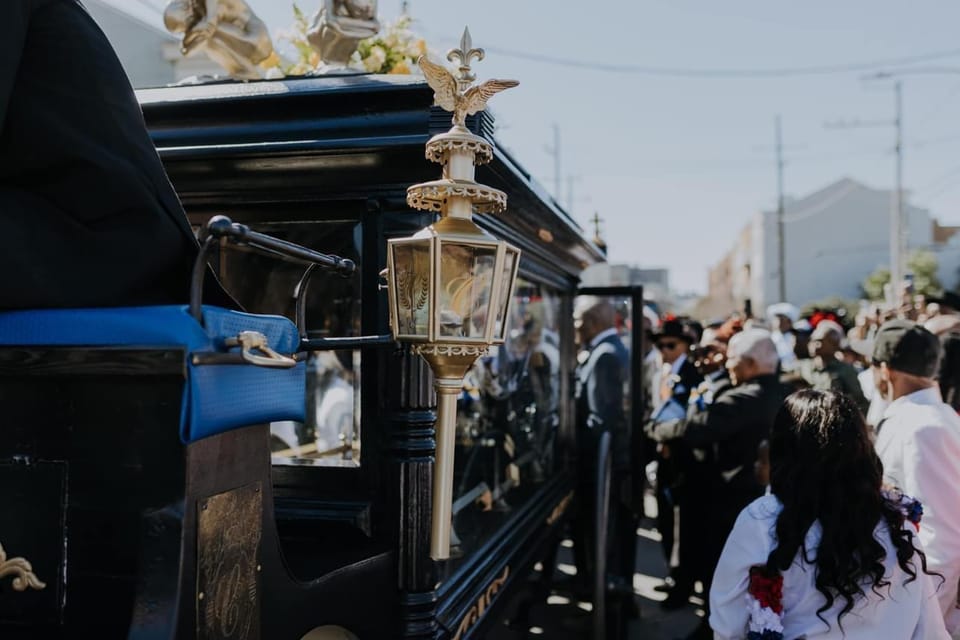
The parade route brings crowds. You’ll be part of a large group moving through neighborhoods, so if you hate noise, close quarters, or being surrounded by dancing, you may find it overwhelming. Also, because second lines can vary, flexibility is part of the experience—you’re not buying a precision-scripted show with fixed stops and guaranteed pacing.
Should you book Second Line Tour & Music Experience?
If you want the real New Orleans version of music-and-community culture, I’d book it—especially for the combination of Hollis’s local Treme perspective and the chance to experience the parade energy up close. The $20 price feels fair for what you get: a guided walk, water, and a tradition that’s hard to understand without being in motion.
Book it if you’re ready for comfort basics—good shoes, staying hydrated, and bringing cash for food or drinks. Skip it if you need quiet, fixed routes, or mostly sitting-down sightseeing. And if you do book, call to confirm the meet-up location the day before so you start the tour calm, not confused.
FAQ
How long is the Second Line Tour & Music Experience?
The tour lasts 150 minutes.
Where do we meet for the tour?
You should call to confirm the meet-up location the day before the tour.
What is included with the $20 per person price?
It includes a tour guide, water, and the experience itself.
What should I bring with me?
Bring comfortable shoes, comfortable clothes, and cash.
Is the tour offered in English?
Yes, the live tour guide is English.
Can I get a refund if my plans change?
Yes. Free cancellation is available up to 24 hours in advance for a full refund.
Does the tour include an express security check?
Yes. It includes skip-the-line through an express security check.