REVIEW · NEW ORLEANS
From New Orleans: Destrehan Plantation Haunted Night Tour
Book on GetYourGuide →Operated by NOLA Ghost Riders · Bookable on GetYourGuide
Night at Destrehan feels like a warning. This 3-hour tour from New Orleans pairs after-sundown access to an old plantation with chilling stories tied to the 1811 Slave Revolt.
I especially liked the walk through the main historic home and grounds while the guide frames what happened after the revolt and why it still matters. You also get a straightforward look at how voodoo evolved in South Louisiana, blending African, Haitian, and Catholic beliefs.
One thing to plan for: food and drinks are not included, so eat before you go and keep snacks or water in your own plans.
In This Review
- Key things to know before you go
- From the French Quarter to Destrehan after dark
- Destrehan Plantation: the historic home and the weight of 1811
- The cultural gumbo walk: who shaped South Louisiana
- Voodoo explained as a living tradition, not just a scary label
- The short break and the walk-to-your-own-comfort plan
- Price and value: is $69 worth a haunted night?
- Who should book this tour, and who should skip it
- Should you book the Destrehan Haunted Night Tour?
- FAQ
- How long is the Destrehan Plantation Haunted Night Tour?
- Where do I meet for the tour in New Orleans?
- Is roundtrip transportation included?
- Is entry to Destrehan Plantation included?
- Are food and drinks included?
- What should I bring?
- Is the tour wheelchair accessible?
- What language is the tour guide?
- Can I cancel and get a refund?
- Is there a reserve and pay later option?
Key things to know before you go
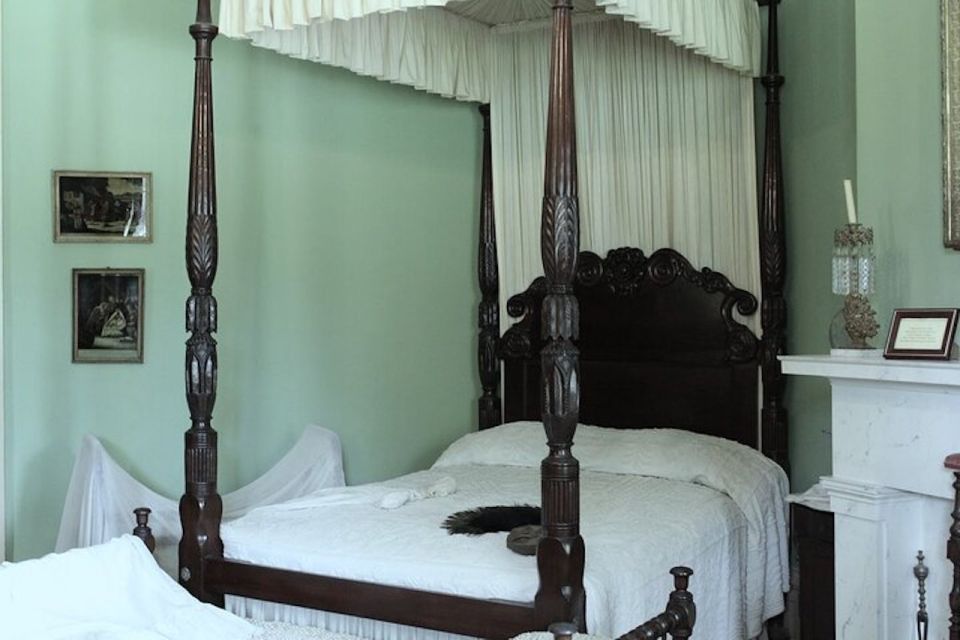
- See Destrehan’s historic home and grounds after dark, not just daytime sightseeing
- Hear the 1811 Slave Revolt stories and the aftermath, including the trials that followed
- Learn the cultural gumbo behind Louisiana: enslaved Africans, free Creoles of color, Acadians, and Native Americans
- Get a guided explanation of voodoo’s evolution from African, Haitian, and Catholic influences
- Ride roundtrip from the French Quarter area, starting at 1140 Decatur St
- Expect a 3-hour outing with a short break at the plantation
From the French Quarter to Destrehan after dark
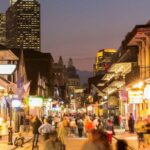
This tour starts right in the French Quarter area at 1140 Decatur St, where you meet at The Voodoo Tavern & Poboys. From there, you take a bus/coach ride out to Destrehan, which is about 30 minutes each way. That transport piece matters because it keeps the whole experience simple: you’re not figuring out timing or driving in the dark.
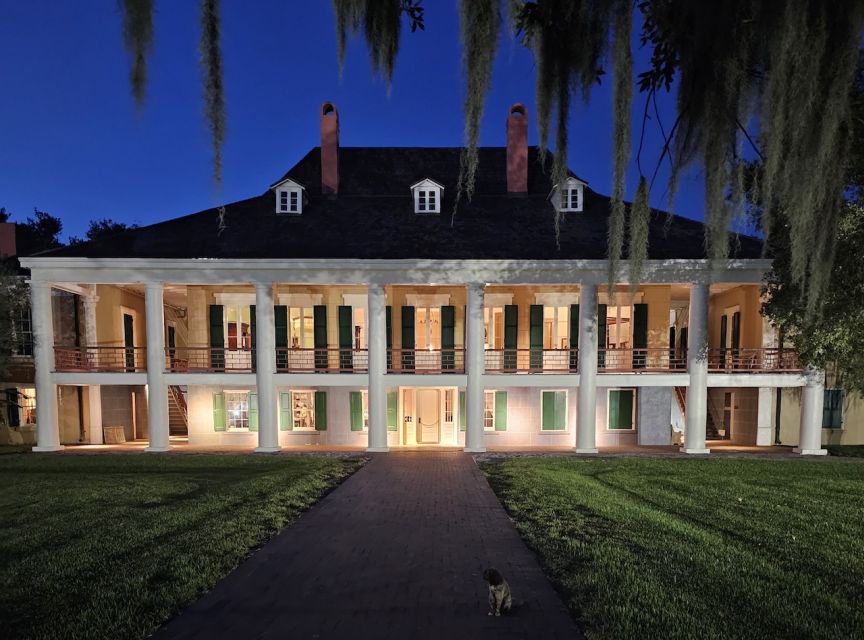
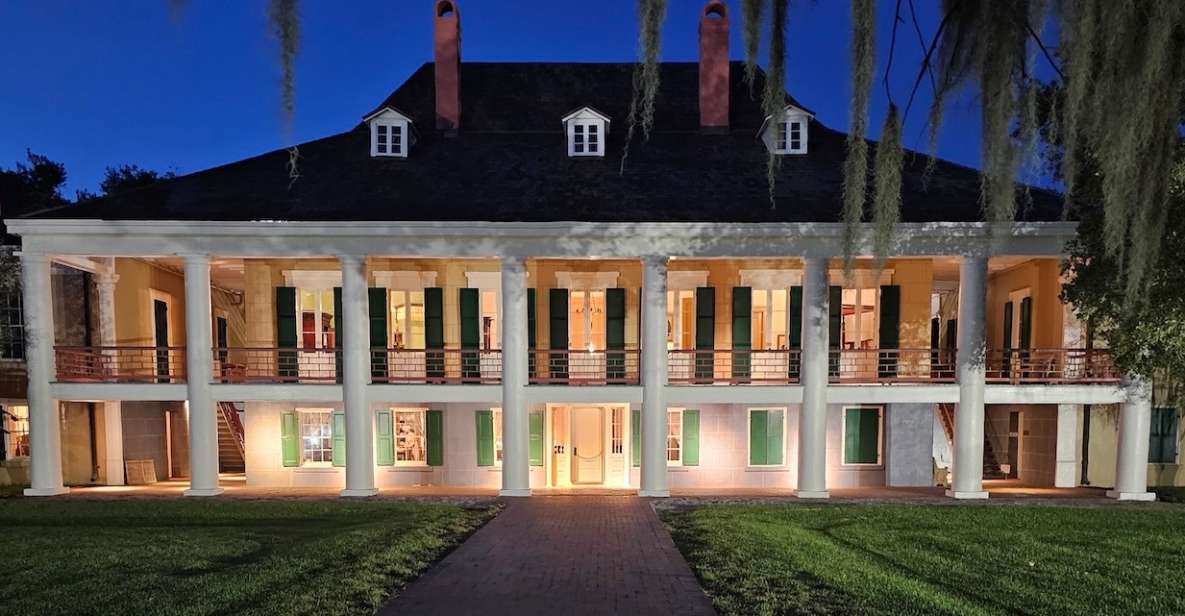
The big hook here is the timing. Destrehan is open to visitors, sure, but this experience is built around being there after sundown. Night changes everything. Shadows hide details in the architecture, and a story told in the dark lands differently than the same story told at noon.
I like that the tour isn’t only about spooky atmosphere. It uses the setting of the oldest documented plantation home in the lower Mississippi Valley as a stage for human stories tied to slavery, resistance, and the spiritual traditions that grew up around those realities.
If you’re the kind of person who likes the “why” behind the myth, this works. You’re not just chasing thrills; you’re getting a guided framework for understanding what people believed and how those beliefs evolved over time.
You can also read our reviews of more evening experiences in New Orleans



Destrehan Plantation: the historic home and the weight of 1811
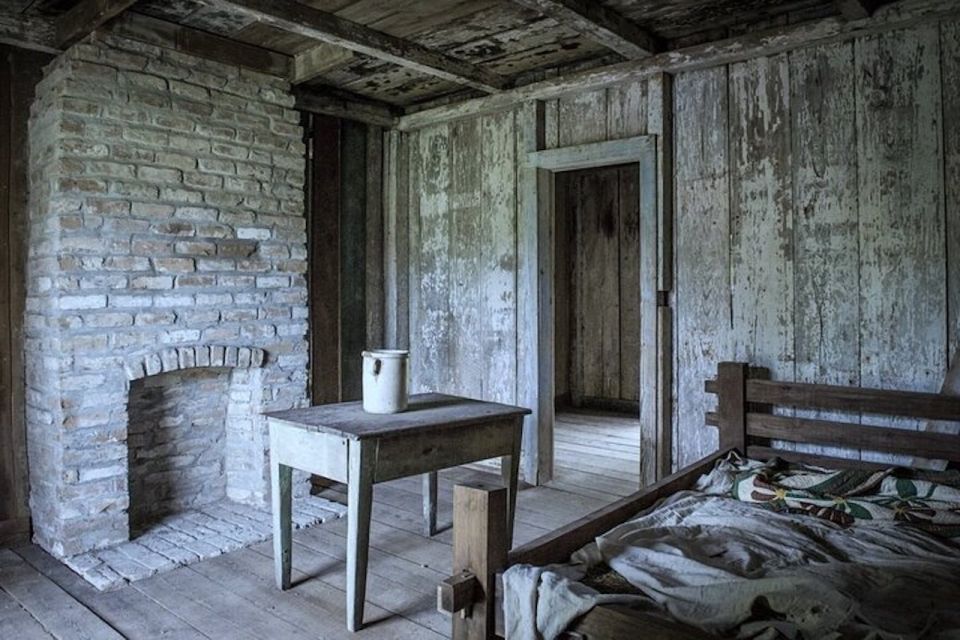
Once you arrive, you get a guided tour for about 2 hours, focused on the main historic home and surrounding grounds. This is the core of what you’re paying for: you’re not rushing through exterior photos. You’re hearing the plantation’s story directly while standing in the places where those stories took shape.
The tour’s central historical anchor is the 1811 Slave Revolt, one of the largest slave revolts in U.S. history. You’ll hear accounts of the trials that took place afterward. That part is important: the horror here is not only ghost stories. It’s the violence, punishment, and legal aftermath that followed resistance.
On a practical level, the home and grounds give you a lot to track with your eyes. You can listen for details the guide points out, then look back at what you’re seeing. That keeps the experience grounded, even when the tour shifts into haunting territory.
A good way to think about this stop: the paranormal angle works best when you understand the real-life trauma behind it. The tour uses the haunted past as a tool to make history feel present. If you want a straightforward history lecture, this isn’t it. If you want history with a chilling edge and an explanation of how it connects to culture and belief, this is right in its wheelhouse.
The cultural gumbo walk: who shaped South Louisiana
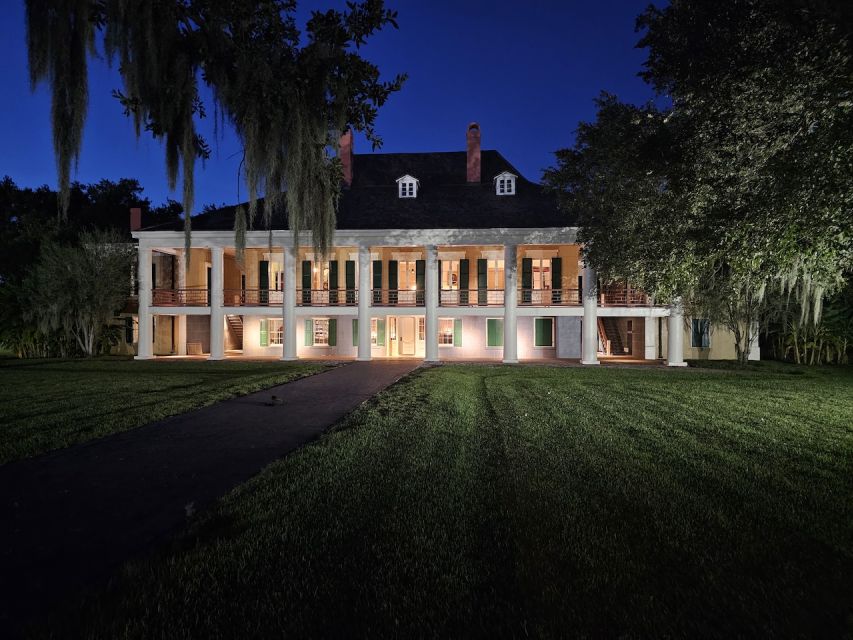
One reason I recommend this tour is that it doesn’t treat Louisiana culture like a single straight line. It frames Louisiana as a cultural gumbo, made from multiple communities and spiritual currents.
You’ll hear stories that connect enslaved Africans, free Creoles of color, Acadians, and Native Americans to the early fabric of South Louisiana. That matters because many people only learn one slice of the story. Here, you’re reminded that different groups were living side by side, trading languages, customs, and survival strategies.
This is also where the tour becomes more than “spooky house + scary tales.” The guide ties the spiritual story to the human story. Voodoo didn’t appear out of nowhere, and the tour’s approach tries to show how different belief systems traveled, adapted, and mixed.
If you’re worried it’ll be too abstract, don’t. Standing in a historic setting helps you keep the connections clear. You’ll hear how communities carried belief traditions with them, and how those traditions changed as they encountered Catholic structures and other influences in the region.
The best part of this approach is that it gives you a clearer mental map for what you’ll see and hear in New Orleans afterward. When you return to the city, you’ll have more context for why certain spiritual practices exist and why people talk about them the way they do.
Voodoo explained as a living tradition, not just a scary label
The tour’s voodoo segment is built around a storyteller who focuses on the real origins and evolution of the tradition. It doesn’t treat voodoo like a cartoon. It frames it as a set of practices shaped by African, Haitian, and Catholic spiritual beliefs.
You’ll learn how voodoo developed in South Louisiana over time, including how African and Haitian spiritual roots blended with Catholic influence. That blending is the key idea. It helps explain why voodoo can look different from one place to another and why it often gets misunderstood when people only know the popular myths.
I like the fact that the tour aims to separate mystique from misinformation. The goal is not to erase mystery, but to give you the historical and cultural scaffolding behind the myths you’ve probably heard before.
And yes, you’ll still get haunted-night energy. But the spiritual explanation keeps it from becoming empty “just pretend spooky” entertainment.
If you’re curious, skeptical, or both, this tour works because it gives you facts and cultural context while still letting the night setting do its job.
The short break and the walk-to-your-own-comfort plan
You’ll get a 15-minute break at the plantation. It’s brief, so use it smart. Think of it as a reset: stretch your legs, get your bearings, and handle any personal needs before heading back to the bus.
This is also where you’ll feel the one practical downside I mentioned at the start: food and drinks are not included. You’ll want to eat before you go, because you can’t count on grabbing a meal during the short break. If you’re prone to getting lightheaded when you’re on your feet, pack a snack and water in your bag.
Comfort matters more than you’d expect on a night tour. Wear shoes that can handle uneven ground and low light. You’re walking the house and grounds, and the story pacing means you’ll be standing in place at times, too.
Weather can also play a role. Nights in Louisiana can be warm or humid, and nights can also be cool enough to feel it in your clothes later. Layers help. Bring what keeps you comfortable so your attention stays on the guide and the setting.
After the break, you head back via the same bus ride (about 30 minutes) to 1140 Decatur St.





Price and value: is $69 worth a haunted night?
At $69 per person for a 3-hour tour, the value comes from two bundled pieces: transportation and entry. You get roundtrip transportation from the French Quarter area and admission to Destrehan.
That matters because after-sundown access is the expensive-feeling part. Visiting a historic site at night usually costs more in effort and scheduling than daytime entry, and this experience is designed around that timing. If you just want a daytime plantation tour, you might find cheaper options. If you want the house and grounds in a darker, story-driven setting, the price starts to make sense.
You’re also paying for guided context. The 2-hour plantation tour plus the voodoo explanation isn’t just a quick walk-through. It’s structured, and the storytelling is a big part of why the experience works.
Based on the tour’s strong overall rating of 4.7 from 45 reviews, the consistent takeaway is that the night access and learning experience feel special. In plain terms: you’re not just buying spooky stories. You’re buying a guided night format that changes how the history lands.
Who should book this tour, and who should skip it
This tour fits best if you want haunted storytelling with real historical anchors. You’ll enjoy it most if you care about:
- the 1811 Slave Revolt and its aftermath
- how Louisiana’s culture formed from different communities
- a grounded explanation of voodoo’s evolution
It’s also a good choice for first-timers to New Orleans who want something outside the usual city nightlife. You get a different side of Louisiana without needing to plan a long day trip on your own.
There are also clear limits. The tour is not suitable for wheelchair users, so plan another option if mobility is a concern.
If you only want quick thrills and don’t care about history or cultural context, you might find the storytelling heavy. This one leans toward atmosphere plus meaning, not just jump-scare entertainment.
Should you book the Destrehan Haunted Night Tour?
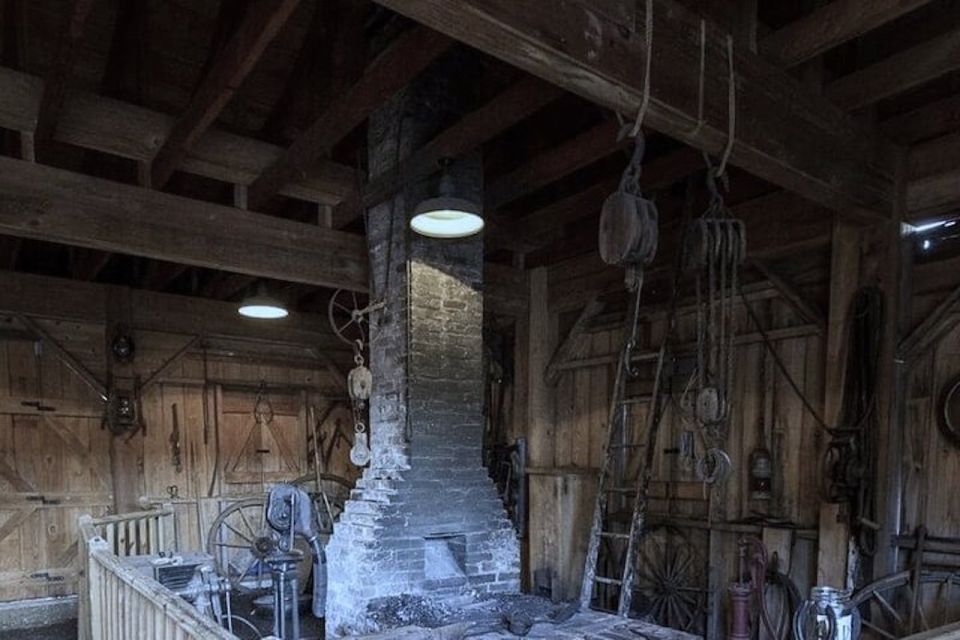
Book it if you want an after-dark plantation experience where the guide connects haunting themes to the 1811 Slave Revolt, Louisiana’s cultural mix, and the evolution of voodoo in South Louisiana. The night access is the headline, and the historical and spiritual explanations are what keep it from feeling like empty spooky theater.
Skip it if you’re expecting a casual daytime walk or you need food included. Also skip it if you’re looking for wheelchair-friendly access, since it’s not built for that.
If you’re torn, here’s my simple rule: if you like guided stories that teach while they chill, this is a strong fit.
FAQ
How long is the Destrehan Plantation Haunted Night Tour?
The tour lasts about 3 hours total.
Where do I meet for the tour in New Orleans?
Meet your guide at The Voodoo Tavern & Poboys on Decatur St at 1140 Decatur St.
Is roundtrip transportation included?
Yes. Roundtrip transportation from the French Quarter is included.
Is entry to Destrehan Plantation included?
Yes. Entry to Destrehan Plantation is included.
Are food and drinks included?
No. Food and drinks are not included.
What should I bring?
Wear comfortable shoes, since you’ll be walking around the plantation grounds and house areas.
Is the tour wheelchair accessible?
No. The tour is not suitable for wheelchair users.
What language is the tour guide?
The tour guide speaks English.
Can I cancel and get a refund?
Yes. Free cancellation is available up to 24 hours in advance for a full refund.
Is there a reserve and pay later option?
Yes. You can reserve now and pay later, so you can hold your spot without paying today.