
REVIEW · NEW ORLEANS
New Orleans Garden District Tour
Book on GetYourGuide →Operated by Intrepid Urban Adventures · Bookable on GetYourGuide
Pretty houses come with real stories. This Garden District walk is a tight, small-group tour built around Antebellum homes and the city’s cemetery culture, with an eco-certified, carbon neutral operator keeping things mindful while you stroll. I love the small group size and pace, because it leaves room for real questions instead of feeling rushed.
I also love the tour’s cemetery stop—Lafayette Cemetery No. 1—because it’s not just a name-drop. You get a clear explanation of the above-ground, multiple-burial approach that makes New Orleans funerary traditions so unusual (and so easy to understand once someone points it out).
One possible snag: the city has closed Lafayette Cemetery to scheduled visitors for maintenance, so you’ll only see it from gated entrances. Still, the tour includes plenty of context as you look on from outside.
In This Review
- Garden District Tour quick hits
- The Garden District’s best “at-a-walking-speed” intro
- Price and value: $34 for a 2-hour guided mix of architecture and culture
- Where to meet: Washington and Prytania (2729 Prytania St.)
- Expect a real walking rhythm (and why comfortable shoes matter)
- Antebellum homes: what to watch for beyond the pretty facades
- Lafayette Cemetery No. 1: above-ground burials, explained from the gates
- Important current situation
- Commander’s Palace: a Victorian landmark with restaurant legend status
- Streets with Hollywood connections: the fun side of noticing details
- Irish Channel: early 1800s working-class life shaped by industry and immigration
- The ending: back toward the streetcar line
- About the guide and what makes the experience feel personal
- What to bring, and what to watch for
- Who this tour is best for (and who might prefer something else)
- Should you book the New Orleans Garden District tour?
- FAQ
- How long is the New Orleans Garden District tour?
- Where do I meet my guide?
- Is Lafayette Cemetery included if it is closed to visitors?
- What does the tour include?
- Do I need to bring food or drinks?
- Is the tour wheelchair accessible?
Garden District Tour quick hits

- Small group of up to 12: more conversation, less crowd noise.
- Eco-certified carbon neutral tour: a lower-impact way to explore.
- Lafayette Cemetery No. 1: learn the above-ground multiple-burial methods from the right viewpoints.
- Commander’s Palace exterior: see the turreted Victorian landmark tied to top-tier dining.
- Irish Channel history: early-1800s working-class roots shaped by shipping, alcohol, brewing, and Irish immigrants.
The Garden District’s best “at-a-walking-speed” intro

The Garden District is famous for its preserved mansions, but what makes this kind of tour useful is the structure. In two hours, you’re not trying to read every house like a textbook on your own. A local guide gives you the storyline—architecture, history, and neighborhood shifts—so the street stops feel like chapters instead of random sights.
This walk also works because it’s paced for photos and for listening. You’ll pass a lot of property from the sidewalk, but you’re not standing there forever. The guide keeps it moving while pointing out the things most people would miss unless someone trained you to look.
You can also read our reviews of more tours and experiences in New Orleans.



Price and value: $34 for a 2-hour guided mix of architecture and culture

At $34 per person, this isn’t a “pay for a bus ride” tour. You’re paying for a local English-speaking guide and a compact route that hits a few of the Garden District’s most talked-about stops—mansion streets, a major cemetery, and Commander’s Palace—plus a look at the Irish Channel.
Two hours is short enough that you’ll still feel fresh, even if you’ve already been touring all morning or afternoon. And because the group tops out at 12, you get more of the guide than you’d get in a bigger crowd. For me, that’s where the value shows: it feels like guided time, not just walking time.
Where to meet: Washington and Prytania (2729 Prytania St.)
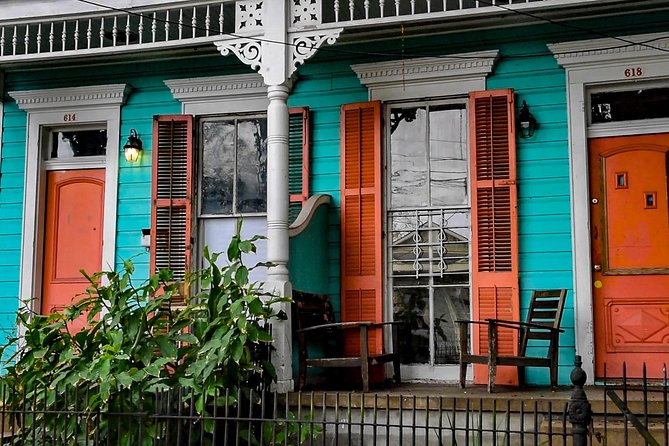
You’ll start at the historical marker at the corner of Washington and Prytania Streets: 2729 Prytania St. That matters because the Garden District is spread out. If you arrive ten minutes early, you’ll have time to orient yourself without stressing.
From that starting corner, the tour’s route is designed for an efficient walk. You’ll see the neighborhood in a way that’s hard to replicate if you’re just wandering and hoping you land on the right buildings.
Expect a real walking rhythm (and why comfortable shoes matter)

This is a guided walking experience. The tour runs year-round and goes ahead rain or shine unless weather turns unsafe, so you should plan for slippery sidewalks, hot sun, or both. The simple advice here—comfortable shoes and weather-appropriate clothes—really isn’t optional.
Also, keep in mind it’s not built for wheelchair users. The route is a walking loop with exterior viewpoints, so if mobility is an issue, you’ll want to consider a different format.
Antebellum homes: what to watch for beyond the pretty facades

The Garden District’s big draw is its Antebellum architecture, and your guide will frame what you’re looking at so it clicks. You’ll admire the area’s reputation as one of the best-preserved collections of historic mansions in the United States, but the tour goes further than that.
Here’s what makes this stop feel worth your time:
- You’ll hear architecture and history tied to specific homes as you pass them.
- You’ll learn the neighborhood context that explains why these streets look the way they do.
- You’ll get the feel of which parts are primarily about style and which parts show the deeper social layers of New Orleans.
If you like seeing how a city’s past becomes visible in everyday streets, this section is where the tour earns its keep. And if you’re the kind of person who thinks New Orleans is only about jazz clubs and balconies, the mansions side of the story lands fast.






Lafayette Cemetery No. 1: above-ground burials, explained from the gates

The cemetery stop is one of the most distinctive parts of the entire itinerary. Lafayette Cemetery is described as one of the city’s oldest cemeteries, and the key feature your guide focuses on is the above-ground, multiple-burial approach.
That matters because New Orleans cemeteries often look strange from a distance if you’re used to traditional ground burial elsewhere. Seeing the method explained while you’re at the right viewing points makes the whole system feel logical instead of random.
Important current situation
The city has Lafayette Cemetery closed for scheduled maintenance and repairs, with no reopening date announced yet. Because of that, your tour includes information as viewed from several gated entrances.
Even with the closure, the experience isn’t just “walk past a fence.” The guide still gives you the meaning of what you’re looking at—enough to appreciate why this cemetery is so often singled out.
Commander’s Palace: a Victorian landmark with restaurant legend status
After the cemetery, you head for a view of one of the most striking buildings in New Orleans: Commander’s Palace. The exterior view is timed to keep the story flowing—from burial traditions to civic and cultural landmarks.
Your guide also places the building in context:
- It’s a turreted Victorian-style structure.
- It’s hosted wedding receptions and dinners throughout the year.
- It’s one of the most well-respected upscale restaurants in the country.
On a walking tour, the trick is that you’re not just looking at a restaurant. You’re learning how important landmarks anchor community life. Commander’s Palace becomes a symbol of how New Orleans celebrates—from formal dinners to big celebrations—without losing sight of the city’s architectural identity.
Streets with Hollywood connections: the fun side of noticing details
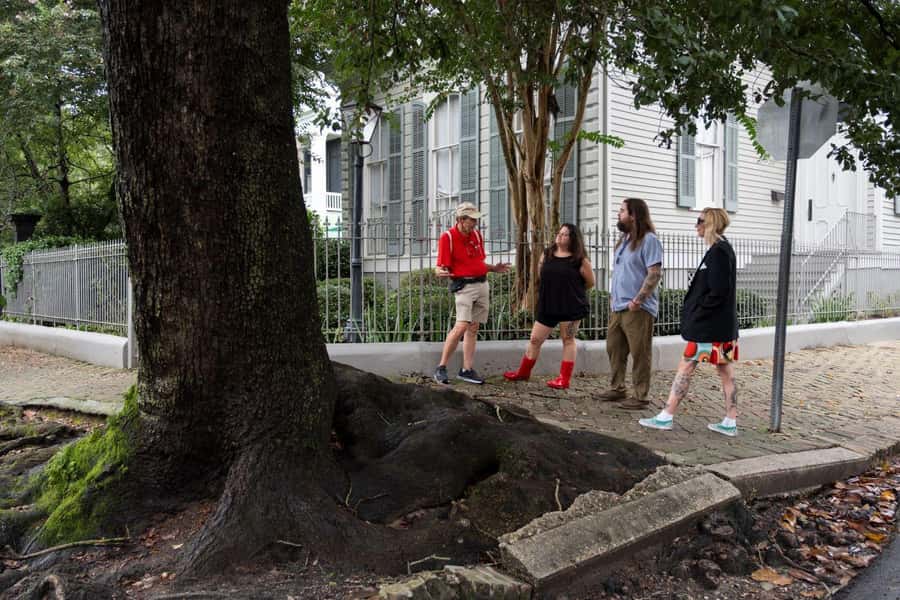
Next you’ll pass more gorgeous homes. Some have famous Hollywood connections, which is one of those add-ons that makes the walk extra enjoyable, especially if you’ve watched New Orleans on screen and wondered where those sets might be.
The key thing is that your guide uses these connections as prompts. Instead of turning it into a trivia chase, the tour keeps bringing it back to why the neighborhood is so visually recognizable. If you like architecture photography, this section is usually where you start noticing how much the houses communicate even from the sidewalk.
Irish Channel: early 1800s working-class life shaped by industry and immigration
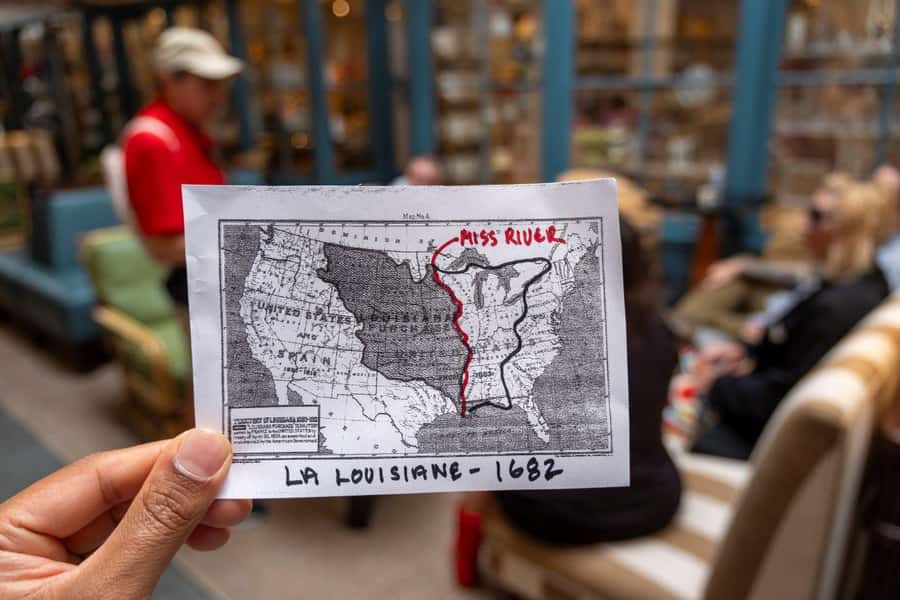
Now the tour pivots from mansions to the working-class story of the neighborhood known as the Irish Channel.
The basic timeline your guide shares is clear: the area developed in the early 1800s when New Orleans’ shipping, alcohol, and brewing industries brought in workers from around the world—especially from Ireland. That creates a different kind of neighborhood energy than the Garden District streets.
This part of the tour is valuable because it prevents the trip from becoming a one-note architecture show. You get a fuller picture of how New Orleans neighborhoods formed: wealth and display existed side by side with industrial labor and migration.
And it also helps you understand how the city’s cultural identity isn’t only about what you can photograph. It’s about who built the economy, who lived where, and how those communities shaped the city.
The ending: back toward the streetcar line
The tour wraps by taking you back to the streetcar line, where your Garden District loop ends. That’s smart because it sets you up to keep exploring without needing another plan for transportation.
If you’re building a day around neighborhoods, this finish is convenient. You can hop onward for food, art, or another walk depending on what you’re in the mood for.
About the guide and what makes the experience feel personal
Your guide leads the tour in English, and the format is built around a small maximum group size of 12 people. That structure makes the difference between a generic “house spotting” walk and something that feels like a guided conversation.
One name you’ll see in excellent feedback is Chip, who’s praised for being both engaging and deeply informative about architecture and history house by house. That lines up with what this tour promises: you’re not just seeing the Garden District—you’re learning how to interpret it while you walk.
What to bring, and what to watch for
You should pack:
- Comfortable shoes
- Comfortable clothes
- Weather-appropriate clothing
And keep a couple of practical notes in mind:
- The cemetery closure means you’ll view Lafayette Cemetery from gated entrances, not inside.
- The tour runs in rain or shine unless conditions are unsafe.
- It’s not suitable for wheelchair users.
- Children under 6 can join free of charge.
- Food and drinks aren’t included, so plan meals separately.
Who this tour is best for (and who might prefer something else)
This is a great fit if you:
- Want an architecture and history-focused walk without spending all day planning.
- Appreciate cemeteries as cultural sites (not just “a thing to see”).
- Prefer small groups where you can ask questions.
- Like the Garden District’s mansion streets but also want the Irish Channel context.
You might want a different option if you:
- Need a fully accessible route for wheelchair use.
- Want a cemetery visit that includes interior access (current Lafayette Cemetery access is limited to gated viewpoints).
Should you book the New Orleans Garden District tour?
Yes, if you’re looking for a high-value, two-hour guided walk that connects the Garden District’s Antebellum charm with the city’s real identity—cemeteries, industry-era neighborhoods, and landmark buildings like Commander’s Palace.
The only reason I’d hesitate is the cemetery access situation. If seeing Lafayette Cemetery up close is your top priority, you should be aware you’ll be looking from outside due to maintenance. Still, the tour’s explanation and viewing approach are built to keep the stop meaningful rather than disappointing.
If you want a practical way to experience the area—without getting lost in details on your own—this one is an easy yes.
FAQ
How long is the New Orleans Garden District tour?
The tour lasts 2 hours.
Where do I meet my guide?
Meet at the historical marker at the corner of Washington and Prytania Streets, 2729 Prytania St.
Is Lafayette Cemetery included if it is closed to visitors?
Yes, the tour still includes information about Lafayette Cemetery, but viewing is from several gated entrances due to current maintenance and repairs.
What does the tour include?
It includes a local English-speaking guide.
Do I need to bring food or drinks?
Food and drinks are not included.
Is the tour wheelchair accessible?
No, it is not suitable for wheelchair users.