REVIEW · NEW ORLEANS
New Orleans City Bike Tour
Book on Viator →Operated by Paved Paradise Bike Tours New Orleans · Bookable on Viator
Biking New Orleans saves real time. This 3.5-hour city bike tour strings together major neighborhoods and easy-to-follow stops so you can see more than you could on foot, with owner-operated guides and a first hit of the French Quarter right away. You’ll come away with a real sense of the city’s shape, plus smart ideas for what to do next.
I love the way the route turns big sights into a practical day plan. Stops like St. Louis Cathedral, Jackson Square, Lafitte’s Blacksmith Shop Bar, Congo Square, and the Garden District are timed so you get a quick look and then move on—no wandering required. When I think of great guiding here, I think of names like Mavis or Justin, who use the stops to share stories and then point out where to eat, shop, and return later.
One consideration: the meeting spot at 1735 Washington Ave can be hard to spot from the road, especially if you arrive late or distracted. And since the tour runs rain or shine, wet streets and potholes are just part of the deal—though helmets, water, and a poncho are included.
In This Review
- Key things that make this New Orleans bike tour click
- Why biking the French Quarter beats walking (by a lot)
- Price and what you really get for $60
- Meet at 1735 Washington Ave, then you’re off
- Stop-by-stop: what each part of the route is really for
- French Quarter: architecture, music, and the city’s oldest streets
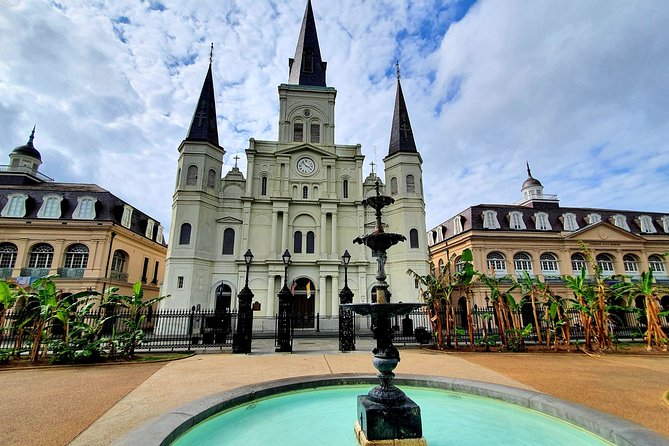
- St. Louis Cathedral: the quick awe moment
- Jackson Square: art, street performers, and the center of old NOLA
- Lafitte’s Blacksmith Shop Bar: pirate lore with a real landmark feeling
- The music loop: where the guide helps you plan your night
- Congo Square: the origin story of jazz, right where the city gathers
- Pedal past the river energy: riding the levee
- Garden District: mansions, architecture, and recognizable names
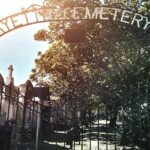
- Lafayette Cemetery No. 1: burial traditions and famous names
- The bike and the ride: what you’ll notice in the real world
- How the guiding style turns sightseeing into a usable New Orleans map
- Who this tour is best for (and who should think twice)
- Should you book the New Orleans City Bike Tour?
- FAQ
- FAQ
- How long is the New Orleans City Bike Tour?
- How much does the New Orleans City Bike Tour cost?
- What time does the tour start?
- Where does the tour start and end?
- What’s included in the price?
- Are admissions included for the stops?
- Is the tour offered in English?
- How big is the group?
- Is the ride hilly or difficult?
- What happens if it rains?
- Do I need to tip my guide?
Key things that make this New Orleans bike tour click
- A flat-feeling route with a bike-first pace so you cover ground without feeling rushed.
- Owner-operated guides who tailor the day with local tips, not just facts on a script.
- Major stops in a smart order: French Quarter → Cathedral area → Jackson Square → Lafitte’s → Congo Square → Garden District → Lafayette Cemetery No. 1.
- Music-oriented sightseeing as you pass the lively areas and get guidance on where bands are playing that night.
- Comfort support included: helmet, bottled water, and a poncho if it’s raining.
- Small group size (max 10) which usually means easier questions and better flow at stops.
Why biking the French Quarter beats walking (by a lot)
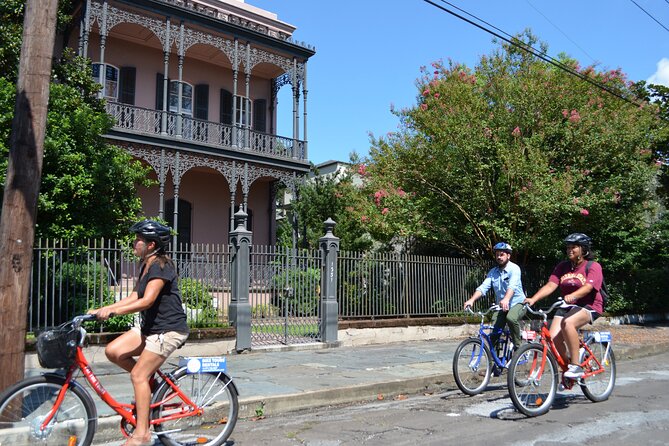
New Orleans is great for strolling, but walking can burn your day fast. This tour solves that problem by putting you on a bicycle for the long stretches and then switching to short, focused breaks at the big anchors. You’ll spend less time in transit and more time soaking in what makes each area feel different.
The pacing matters. You’re not doing a hard workout. The terrain is described as flat, and the day is built around short stops—so even if you’re cautious about riding in a new city, it’s set up for an easy-going ride.
The other big win is that you’re riding with a guide who knows how the neighborhoods connect. You don’t just see landmarks. You learn how to navigate them later. That turns your remaining days into something smoother: you can plan routes, pick restaurants with confidence, and avoid the “where am I?” moments that hit when you explore solo.
You can also read our reviews of more cycling tours in New Orleans


Price and what you really get for $60
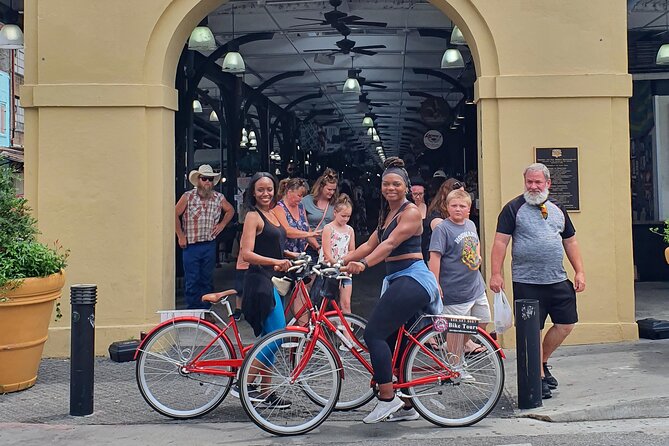
At $60 per person for about 3 hours 30 minutes, the value comes from what’s included rather than just the ride.
Here’s what you’re getting without paying extra:
- Bicycle use
- Helmet
- Bottled water
- Poncho if it’s raining
- Local guide for the full route
When you break it down, you’re basically paying for guided time plus the bike logistics. If you’ve ever spent a chunk of money renting a bike for an afternoon, then tried to “DIY” a route through French Quarter corners and Garden District streets, you know how slow it can be to figure out what matters. This tour gives you structure and narration right away, which can be the difference between a good day and a confused one.
My practical take: this is strongest as a first-day or second-day activity. It sets you up for the rest of your trip, especially when your evenings are about live music.
Meet at 1735 Washington Ave, then you’re off
The meeting point is at 1735 Washington Ave, New Orleans, LA 70113. The start time is 9:30 am, and the tour ends back at the meeting point.
A small heads-up from what I’ve learned about doing tours in real cities: arrive a bit early. The tour can be fine once you’re inside the right area, but signage and finding the exact location can be tricky if you’re coming by car or using GPS without context. If you’re dependent on directions, build in time.
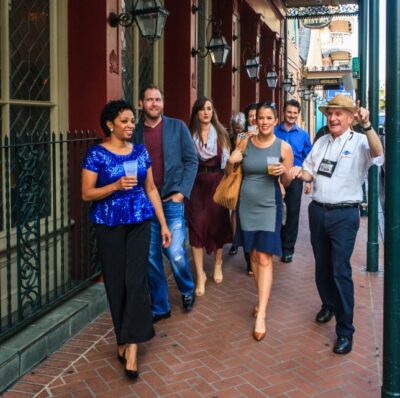
Group size is capped at 10 travelers, so you’re not getting swallowed by a huge crowd. That helps at the stops too—short pauses stay manageable, and your guide can keep moving without losing people.
Stop-by-stop: what each part of the route is really for
French Quarter: architecture, music, and the city’s oldest streets
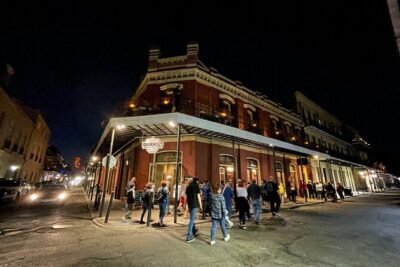
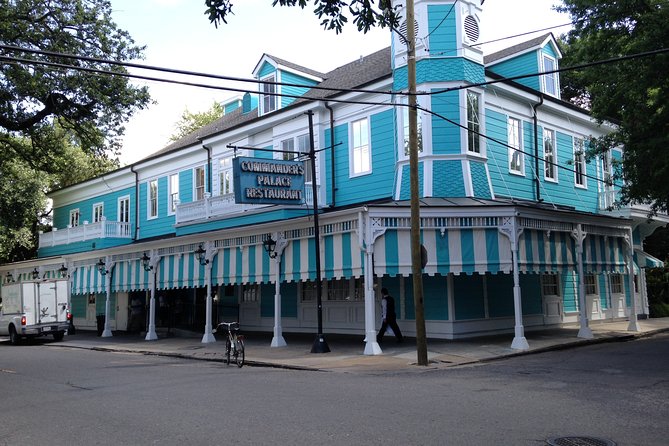
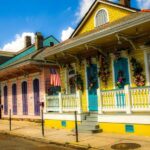
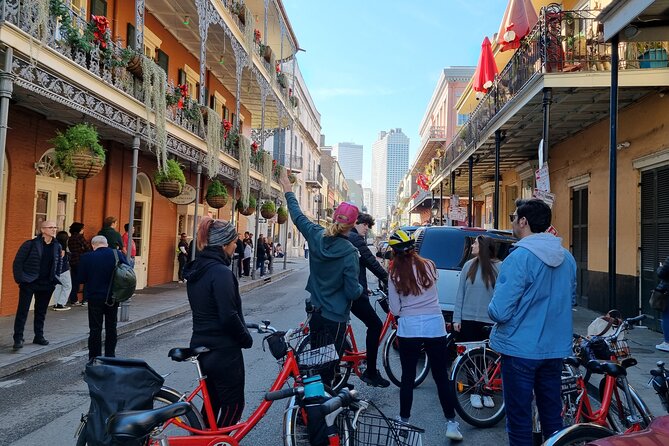
You start with 1 hour 30 minutes in the French Quarter area—one of the oldest neighborhoods in the country. This is where the city’s personality hits first. You’ll ride through classic streets, take in the architecture, and hear music from performers you pass along the way.
Why this stop works: it’s not just sightseeing. Your guide uses this stretch to explain how the Quarter developed, how different corners feel connected, and what you’ll want to do later once you know where you’re standing.
Downside to expect: the French Quarter has lots going on. Even with a calm bike pace, you’ll still be threading through areas with pedestrians and street energy. That’s normal here—just don’t plan to “tune out” the whole time.
You can also read our reviews of more city tours in New Orleans



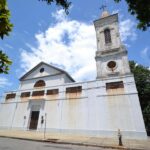
St. Louis Cathedral: the quick awe moment
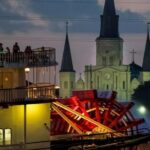
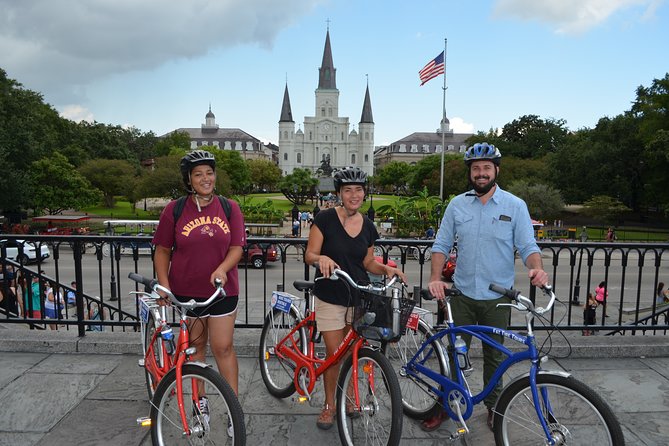
Next comes St. Louis Cathedral, the oldest Catholic Church in America. Your time here is short—about 5 minutes—so think of it as a photo and orientation stop, not a long sit-down visit.
What you gain is perspective. It anchors the religion and history that influenced how the city grew around public squares and major streets. It also gives you a landmark you can use later when you’re wandering.
Jackson Square: art, street performers, and the center of old NOLA
After that, you move to Jackson Square, with about 15 minutes. This is the old city’s hub, and it’s built for watching: local art, street performers, and people doing their own slow-rolling version of New Orleans.
This stop is valuable because your guide can show you how to circle the area without wasting time. If you keep exploring after the tour, Jackson Square is one of those “you’ll thank yourself later” reference points.
Lafitte’s Blacksmith Shop Bar: pirate lore with a real landmark feeling
Then it’s over to Lafitte’s Blacksmith Shop Bar, one of the oldest bars in the US. Expect about 5 minutes here.
This is the kind of stop where the story matters as much as the building. Your guide connects the place to pirate Jean Lafitte and the idea of where people came for shady deals long before modern nightlife existed. Even if you don’t plan to bar-hop immediately, it’s a great example of how old New Orleans layers history into everyday streets.
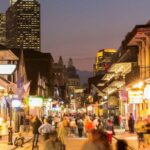
The music loop: where the guide helps you plan your night
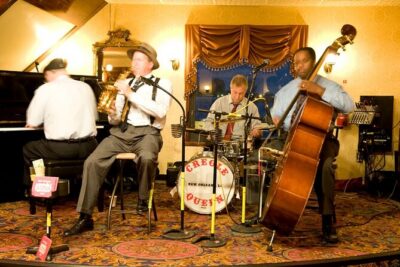
Between the key landmarks, you’ll cruise past areas that function as the city’s music scene then and now. Your guide will point out the lively music district and where the best bands are playing that night.
This part is one of the tour’s sleeper benefits. New Orleans is full of music, but “where should we actually go?” can be harder than it sounds. Getting directions while you’re already in the right neighborhood is a real advantage over researching later.
If you’re the kind of traveler who wants to wing it, you can still use the guide’s suggestions as a menu. If you’re the planning type, you’ll love having a shortlist.
Congo Square: the origin story of jazz, right where the city gathers
Next is Congo Square, about 10 minutes. This is described as the site where jazz was born, and the guide talks about how the music developed and which musicians came out of the Big Easy.
Even with a short stop, this works because it reframes what you’re seeing. Congo Square isn’t just a historical marker—it’s about the way culture, community, and rhythm shaped the city.
Pedal past the river energy: riding the levee
Then the route shifts to the big outdoor payoff: you pedal past the river areas and ride atop the levee, with huge commercial vessels and old stem boats passing by.
This is one of those “change of scenery” moments that keeps the day from feeling like nonstop urban blocks. It also gives you a practical explanation for why New Orleans was founded where it is: the Mississippi and the levee system shaped both the geography and the city’s layout.
What to watch for: cobblestones and uneven patches can show up, and the roads can be rough in spots. You’ll want to keep your eyes up, not stare at scenery with your front wheel drifting into trouble.
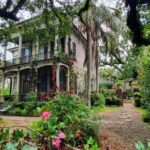
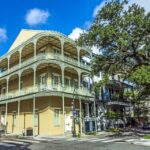
Garden District: mansions, architecture, and recognizable names
After that, you head to the Garden District for about 1 hour. This is where the grand homes and standout architecture take center stage. You’ll also hear history about the people who lived here, including celebrity homes.
Why this stop matters: it gives you a contrast to the French Quarter. Same city, different rhythm. It helps you understand why New Orleans looks the way it does—wide streets, stately buildings, and neighborhood identities that aren’t interchangeable.
Practical note: this portion is a longer stop, so it’s a good time to ask questions and to take the slow “look around” kind of photos.
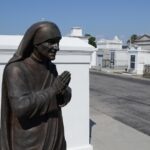
Lafayette Cemetery No. 1: burial traditions and famous names
The last major stop on the route is Lafayette Cemetery No. 1, with about 5 minutes.
Cemeteries here are not like the flat, quiet plots you might be used to. Your guide explains unique burial traditions and points out famous people who chose this cemetery as their final resting place. It’s brief, but it gives you the key context that makes the cemetery feel understandable rather than random.
The bike and the ride: what you’ll notice in the real world
Even with a flat route, you’ll still feel the difference between a perfect bike path and New Orleans street surfaces. One of the most common practical points from people doing this tour is that roads can be rough: pot holes and cobblestone areas mean you’ll need to ride with attention.
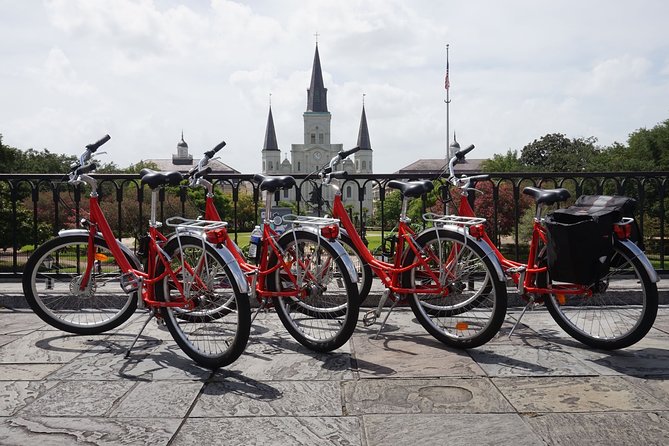
The good news is the bikes are set up for comfort (described as cruisers with gears in some cases), and you get a helmet. You also get bottled water, which helps on a warm day.
If it’s raining, ponchos are provided. In severe weather, the company will work with you to reschedule or refund—but “rain or shine” means you should still assume wet conditions might happen even if the sky clears later.
Fitness-wise, the tour is for people with moderate physical fitness. You’re not racing. But you should be comfortable riding for the time window and stopping/starting with the group.
How the guiding style turns sightseeing into a usable New Orleans map
The best part of a city tour is usually not the facts. It’s what you can do afterward.
This guide format is built for that. You’ll get:
- A guided route that shows you where neighborhoods connect
- Stop notes that help you recognize places later
- Tips on where to dine, shop, and come back to
- Night-before planning hints, especially for live music
The small group size (max 10) makes questions easier. I like tours where I can ask something like, Where should we go for food nearby? and get an answer that matches what I’m actually looking at, not a generic list.
Also, because the tour is described as owner-operated, you’re more likely to get that personal touch—people who genuinely care about how the city is experienced.
Who this tour is best for (and who should think twice)
This is a strong fit if:
- You want a first-day overview that helps you plan the rest of your trip
- You’d rather ride than walk a lot in one go
- You want history and culture, but also practical “where next?” recommendations
- You’re traveling with family and want a manageable pace and short stops
- You’re hoping to understand both the old center and the more polished Garden District
It’s less ideal if:
- You don’t feel comfortable riding on city streets with uneven pavement
- You hate being near street crowds (the Quarter and Jackson Square can be lively)
- You only want long museum-style time at a site (this is a moving route with quick stops)
Should you book the New Orleans City Bike Tour?
I’d book this if you’re coming to New Orleans for the first time or if you want your trip to feel organized from day one. For $60, you get bike support plus a route that hits the Quarter, jazz-related history at Congo Square, iconic public spaces, the Garden District, and Lafayette Cemetery No. 1—then it closes with a levee ride that explains the city’s geography.
My best advice: schedule it early. Do it before you commit to restaurants, because the guide’s recommendations and your new “mental map” will steer you toward better choices.
If you’re worried about rain, don’t cancel your plans in your head—just show up ready. Helmet on, poncho used, and keep your eyes on the road. And if you’re driving, give yourself extra time to find the meeting spot so you start stress-free.
FAQ
FAQ
How long is the New Orleans City Bike Tour?
The tour runs for about 3 hours 30 minutes.
How much does the New Orleans City Bike Tour cost?
It costs $60.00 per person.
What time does the tour start?
The start time is 9:30 am.
Where does the tour start and end?
It starts at 1735 Washington Ave, New Orleans, LA 70113, and ends back at the meeting point.
What’s included in the price?
Included are bicycle use, bottled water, a helmet, a poncho when raining, and a local guide.
Are admissions included for the stops?
Admission tickets are listed as free for the stops on the route (so you typically do not pay entry fees during the tour).
Is the tour offered in English?
Yes, it’s offered in English.
How big is the group?
The maximum group size is 10 travelers.
Is the ride hilly or difficult?
The terrain is described as flat, and the tour is for travelers with moderate physical fitness.
What happens if it rains?
The tour operates rain or shine. If dangerous weather occurs, the operator will work with you to reschedule or refund.
Do I need to tip my guide?
Gratuity is not included in the price.