
REVIEW · NEW ORLEANS
New Orleans City Tour: French Quarter, Garden District & Cemetery
Book on Viator →Operated by Louisiana Tour company · Bookable on Viator
A city tour is the fastest way to start smart in New Orleans. You ride a comfortable coach with live commentary, hit the French Quarter and Garden District, then step into St. Louis Cemetery No. 3 to learn how New Orleans handles death, memory, and neighborhood identity.
Two things I really like: the pacing works for a short stay, and the guide’s local stories make each stop feel like more than a photo-op. One thing to consider: this is mostly a bus-based orientation, so you’ll get snapshots (like the 20-minute cemetery visit) rather than a long, slow wander.
In This Review
- Key highlights at a glance
- Getting the Lay of the Land in 3 Hours from Downtown
- French Quarter Stop: Bourbon Street, Jackson Square, and Creole Townhouse Tales
- Garden District Stop: Oak-Lined Streets and 19th-Century Mansion Views
- St. Louis Cemetery No. 3: How the Cities of the Dead Work
- City Park Pass-Through: Spanish Moss Oaks and a Real Break in the Route
- Caesars Superdome to Frenchmen Street: How the City Beats in Different Directions
- French Market Along the Mississippi: Oldest Public Market Meets Easy Browsing
- Price and Value: Why $40 Can Make Sense for a First Visit
- Tips to Make the Day Feel Smooth (Not Rushed)
- Who This Tour Fits Best (And Who Might Want More)
- Should You Book This New Orleans City Tour?
- FAQ
- How long is the New Orleans City Tour?
- How much does the tour cost?
- Does the tour include hotel pickup and drop-off?
- What areas does the tour cover?
- Is the cemetery admission included?
- Are food and drinks included?
- What time are the pickups?
- What ticket format is used?
- Are service animals allowed?
- What if the weather is bad?
- What is the cancellation policy?
Key highlights at a glance
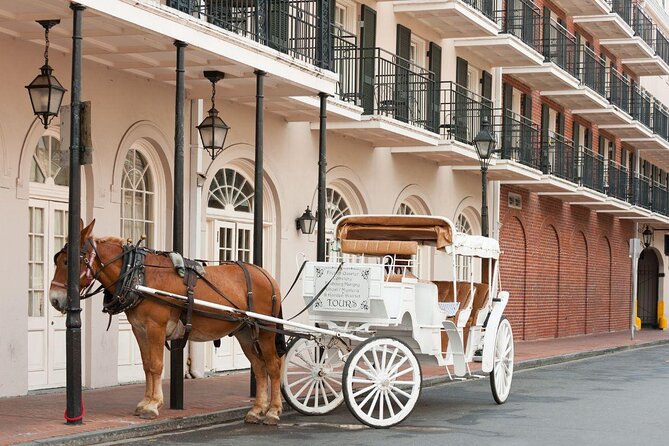
- French Quarter landmarks: Bourbon Street energy, Creole townhouses, Jackson Square stories, all with guide narration
- Garden District architecture: oak-lined streets and 19th-century mansions you can actually picture in your head
- St. Louis Cemetery No. 3 access: an inside look, plus the how-and-why behind above-ground burials
- City Park time: a meaningful stop (about 25 minutes) with Spanish moss oak scenery
- Frenchmen Street + French Market: nightlife culture and the Mississippi-riverfront food-and-craft scene
Getting the Lay of the Land in 3 Hours from Downtown
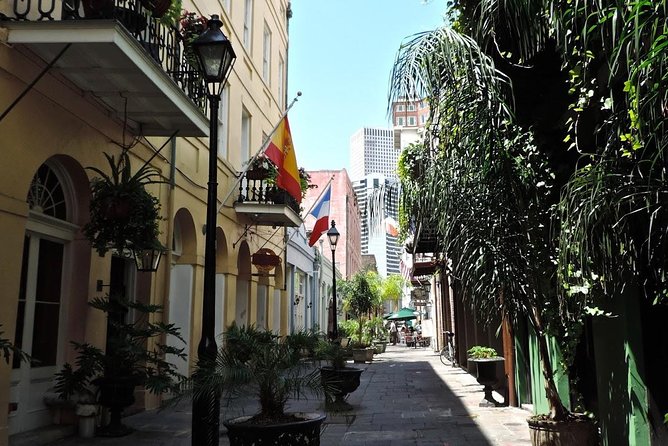
If you’re arriving in New Orleans and feeling slightly overwhelmed, this kind of half-day tour is your shortcut. You get an organized route, air-conditioned vehicle comfort, and a licensed guide talking through what you’re seeing while you’re still fresh enough to absorb it.
The tour runs about 3 hours, and it’s capped at up to 32 people. That size is big enough to be fun and social, but small enough that the guide can still keep things moving and answer basic questions.
You also avoid the classic New Orleans problem: figuring out where to meet. Hotel pickup and drop-off are included from most major downtown hotels, and you’ll get a clear pickup window so you’re not scrambling at the last second.
You can also read our reviews of more city tours in New Orleans



French Quarter Stop: Bourbon Street, Jackson Square, and Creole Townhouse Tales
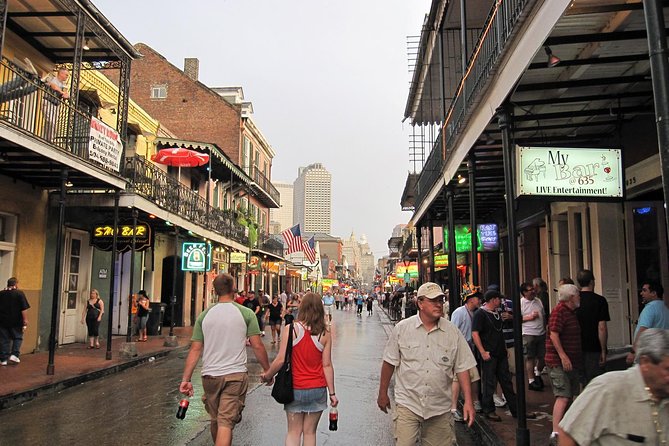
The French Quarter is where New Orleans looks like it’s been running on story time for centuries. From the bus, you’ll soak in the sights and sounds of the most iconic neighborhood—Creole townhouses, the Bourbon Street vibe, and Jackson Square landmarks—while your guide gives you context that’s hard to pick up from walking alone.
This part of the tour works best if you want the “why” behind what you’re seeing. The Quarter is full of symbols and patterns. When someone explains what those mean—without turning it into a textbook—you start to notice details on your own later.
How to use this stop: After the tour, you’ll know which streets feel right for you. If you’re the type who likes people-watching, you’ll probably come back to Bourbon Street. If you prefer photo-worthy corners and slower scenery, Jackson Square becomes your anchor point.
Possible drawback here: If you’re hoping for a long walking tour inside the French Quarter, this won’t be that. You’re seeing a lot from the road, with guided orientation doing the heavy lifting.
Garden District Stop: Oak-Lined Streets and 19th-Century Mansion Views

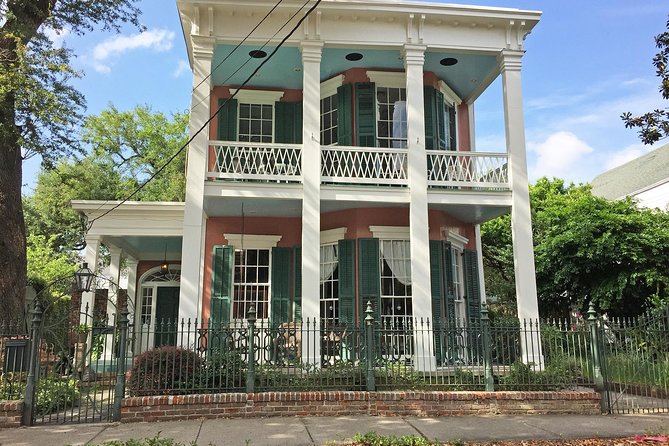
Next comes the Garden District, and it’s a totally different mood. Instead of the Quarter’s hustle, you get oak-lined streets and elegant 19th-century mansions—some still tied to famous New Orleanians. Even from a coach, the change in architecture and street rhythm is obvious.
I love that the guide doesn’t treat it like a postcard neighborhood. You get southern charm plus a sense of how New Orleans neighborhoods differ in identity and layout. This helps you avoid the common mistake of treating the city like one big theme park.
What you’ll likely notice: The Garden District is ideal for slow sightseeing later. If you’re the kind of person who likes to wander and take your time, this stop gives you a mental map you can follow on your own.
Quick tip: If you’re traveling with limited time, treat this stop like planning. When you return later, you’ll already know what kind of streets to look for and where the neighborhood vibe shifts.
St. Louis Cemetery No. 3: How the Cities of the Dead Work
Then you get the moment that most people remember: stepping inside St. Louis Cemetery No. 3. You’ll learn why burials are above-ground, explore ornate tombs, and hear stories tied to notable locals laid to rest there.
This is not a “peek and leave” stop. You’ll have about 20 minutes with admission included, which is enough time to take in the big picture and still feel like you actually did something. The guide’s job here is crucial—cementeries in New Orleans can look confusing if you don’t know what you’re looking at.
What makes this cemetery stop valuable: It turns a visual culture into something you understand. You stop viewing the cemetery as spooky scenery and start seeing it as a neighborhood institution—part of how New Orleans preserves identity over time.
How to make the most of your short time: Keep your eyes up and slow down mentally. Notice patterns: the architecture, the arrangement, and the way guides connect names and stories to specific spaces.
City Park Pass-Through: Spanish Moss Oaks and a Real Break in the Route
After the cemetery, you get a breather at City Park. You’ll spend about 25 minutes, and there’s no admission ticket cost listed for this stop.
City Park matters because it shows a different side of New Orleans—more open space, older trees, and a landscape that doesn’t rely on street music and neon to feel alive. You’ll recognize the Spanish moss vibe right away, and the park is known for lagoons and sculpture gardens that look especially photogenic when the light hits just right.
What you should expect from the stop: Time to look around and reset your brain before heading back into the music-and-market energy.
Small consideration: Since you’re on a timed itinerary, you won’t have hours to wander. Think of this as “see what’s here” time, not “explore everything” time.





Caesars Superdome to Frenchmen Street: How the City Beats in Different Directions

The tour also includes passes by major landmarks, including the Caesars Superdome. It’s instantly recognizable, and the guide frames it as a symbol of resilience—especially connected to the city’s Hurricane Katrina history—and as a venue for concerts and sporting events.
Then you shift into music territory: Frenchmen Street. The tour describes it as the locals’ alternative to Bourbon Street, lined with jazz clubs, funky bars, art markets, and street performers. Even though you’re still on the coach for part of the time, you can feel the energy from the way the guide talks about the scene.
I like that this stop gives you a smart nightlife option. If your time is short, Frenchmen Street helps you hunt for live jazz without only thinking about one street. It’s a practical way to plan your evening based on what fits your taste.
French Market Along the Mississippi: Oldest Public Market Meets Easy Browsing
Finally, you roll into the French Market area, described as America’s oldest public market dating back to 1791 along the Mississippi River. You’ll find open-air stalls with local crafts, souvenirs, and smells tied to Creole spices and freshly fried beignet-style classics.
This is a great last stop because it’s easy to turn into a self-guided finish after the tour. You’ll get the sights and the starting point for what to try, but you still control your spending and how long you linger.
Important for planning: Food and drinks aren’t included. That’s not a bad thing—it keeps the tour price lower—but it means you should treat this as your opportunity to buy snacks you actually want, not as a meal part of the package.
Price and Value: Why $40 Can Make Sense for a First Visit

At $40 per person for about 3 hours, this tour is basically paying for three things:
- Transportation with hotel pickup and drop-off
- A licensed guide and live commentary
- A paid highlight stop: St. Louis Cemetery No. 3 admission included
That cemetery piece alone can feel like the difference between a casual overview and a real city orientation. And the hotel transfer matters more than people think. In New Orleans, traffic, crowding, and shifting street access can eat up your energy. Getting picked up and dropped off keeps your day simple.
Also, the guide-led mix of neighborhoods is the main value. French Quarter, Garden District, cemetery, park, then back into music and market culture is a lot of variety for a single half-day slot. If you’re trying to decide where to spend your remaining time, this tour gives you that compass fast.
Tips to Make the Day Feel Smooth (Not Rushed)
A few practical things can help you get more out of the route.
- Be ready at the pickup window. Pickup happens in a 30-minute window, and you need to be out front where you’re located or the bus may have to leave.
- Plan for weather. The tour requires good weather, and New Orleans can change fast, especially around seasons with storms or heavy rain.
- Bring your appetite, not the meal. Food and drinks aren’t included, so have a plan for what you’ll eat after your market stop.
- Aim to book early if you can. Guides commonly send people off with restaurant and music ideas, and the best time to use that kind of intel is at the start of your trip, not the last day.
On the guide side, names like Gary Kuhn come up in standout experiences for engaging storytelling and helpful place-to-go recommendations. Other guides such as Darren or Darrell also show up in memorable departures for mixing humor with history. If you land with one of these styles, you’ll probably feel like you left with a personalized game plan.
Who This Tour Fits Best (And Who Might Want More)
This is a strong match if you want:
- A first-time orientation in New Orleans and you want the city organized into neighborhoods
- A guided cemetery visit without figuring out logistics on your own
- A blend of architecture, music culture, and iconic sights in a half-day
It might be less ideal if you want:
- Long, deep walking time in one area
- A slow, hour-by-hour cemetery study
- A tour that includes meals or a full-day pace
If you’re traveling with limited time and you want to reduce decision fatigue, this is a smart way to spend a morning or afternoon. You’ll get enough to start choosing your own adventures afterward.
Should You Book This New Orleans City Tour?
I’d book this if you want a guided map of New Orleans fast—French Quarter energy, Garden District elegance, a real inside look at St. Louis Cemetery No. 3, and then music culture on Frenchmen Street plus the French Market riverfront scene.
The best argument in favor is value: hotel pickup/drop-off, air-conditioned transport, live commentary, and cemetery admission all bundled into one short outing. The main trade-off is that you’re moving through multiple neighborhoods with limited time at each, so you’ll need to pick favorites for deeper exploration later.
If you’re early in your trip, you’ll get the most out of it. If you’re near the end, you’ll still enjoy it—but treat it more like a highlight reel than a planning tool.
FAQ
How long is the New Orleans City Tour?
The tour is about 3 hours (approx.).
How much does the tour cost?
It costs $40.00 per person.
Does the tour include hotel pickup and drop-off?
Yes. Hotel pickup and drop-off in Downtown New Orleans are included, from most major downtown hotels.
What areas does the tour cover?
You’ll see the French Quarter, the Garden District, City Park, pass by the Caesars Superdome, visit Frenchmen Street, and explore the French Market area. You also tour St. Louis Cemetery No. 3.
Is the cemetery admission included?
Yes. St. Louis Cemetery No. 3 includes an admission ticket, and the stop is about 20 minutes.
Are food and drinks included?
No. Food and drinks are not included.
What time are the pickups?
There are pickups at 9:30 AM and 1:30 PM. The actual pickup time falls within a 30-minute window.
What ticket format is used?
You’ll receive a mobile ticket.
Are service animals allowed?
Service animals are allowed. Emotional support animals are not permitted.
What if the weather is bad?
The tour requires good weather. If it’s canceled due to poor weather, you’ll be offered a different date or a full refund.
What is the cancellation policy?
You can cancel for free up to 24 hours in advance for a full refund. If you cancel less than 24 hours before the start time, the amount paid is not refunded.