REVIEW · NEW ORLEANS
Whitney Plantation Tour with Narrated Bus Ride from New Orleans
Book on Viator →Operated by K's Luxury Transportation and Tours · Bookable on Viator
Plantation history hits harder when it’s told right. This half-day style tour pairs a structured visit to Whitney Plantation with a narrated ride out of New Orleans, then brings you back across the Bonnet Carre Spillway Bridge. The big draw is the focus on enslaved people’s lives—not the owners’ fantasy version of the past.
I love that Whitney takes real time (about 2.5 hours) and handles the subject with intention: daily life, forced labor, punishment, and the way people were kept divided. I also like how the day uses the bus ride smartly—passing other plantation settings and giving you context along the way—so you’re not just driving somewhere and hoping it makes sense.
One possible drawback: this is emotionally heavy history, and your experience can feel louder or more crowded if there’s an on-site event during your visit. If you’re hoping for a quiet, contemplative walk the whole time, plan for that not always to be guaranteed.
In This Review
- Key highlights you’ll feel in your day
- From St. Louis Cathedral to the plantations: the 5–6 hour flow
- Whitney Plantation: why the 2.5-hour guided visit matters
- The tour’s other plantation stops: Laura, St. Joseph, and the oak-alle y area
- Laura plantation: four generations of French Creole women
- St. Joseph plantation: a wedding gift origin story
- Oak-alle y style stop: sugarcane work and the iconic line of trees
- The Bonnet Carre Spillway Bridge ride: a 45-minute reset
- Price and value: is $86.70 a fair deal?
- Who should book this tour (and who might not)
- What to do the morning of your tour
- Should you book the Whitney Plantation narrated bus tour?
- FAQ
- How long is the Whitney Plantation tour with narrated bus ride?
- Where does the tour start and where does it end?
- What’s included in the price?
- Is lunch or breakfast included?
- Is Wi-Fi available on the bus?
- Does the tour run in bad weather?
Key highlights you’ll feel in your day
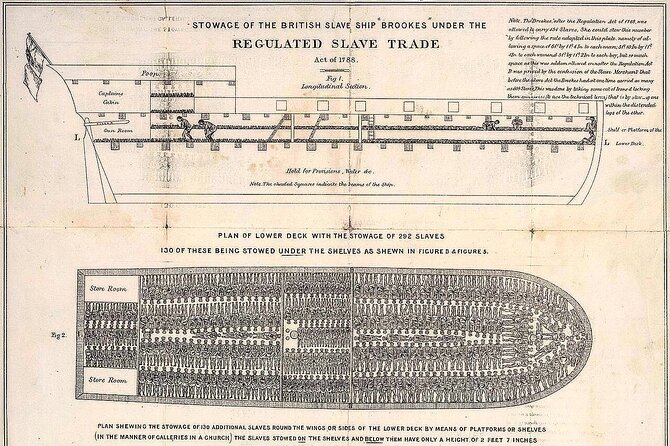
- Whitney Plantation’s enslaved-focused interpretation keeps the story human, specific, and direct.
- About 2.5 hours on-site gives you time to absorb, not just rush past markers and memorials.
- Narrated bus ride from New Orleans adds context for what you’re seeing outside the gates.
- Short stops/passing by other plantation sites (like Laura, St. Joseph, and the oak-alle n area) help connect the region’s patterns.
- A 45-minute return ride over Bonnet Carre Spillway gives you a scenic reset before you’re back in the city.
- Small group size (max 12) makes the day feel more controlled than big shuttle chaos.
From St. Louis Cathedral to the plantations: the 5–6 hour flow
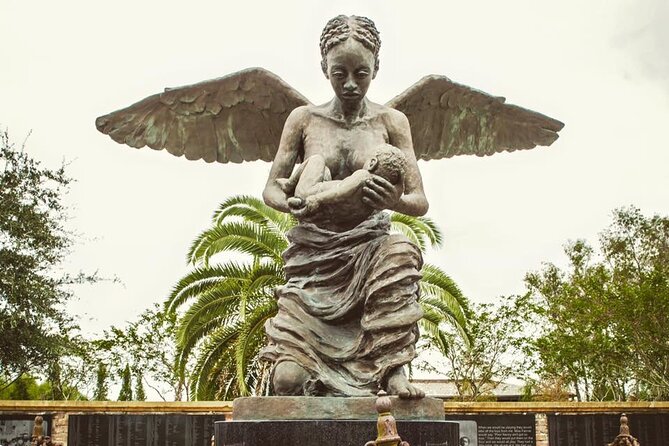
This tour is built like a tight, well-timed “one big destination day,” starting at St. Louis Cathedral (615 Pere Antoine Alley) at 9:00 am. You’ll get pickup offered from your area, usually in a window around 8:00–8:45 am, and the driver’s arrival time is sent the morning of your tour. Since you’re riding together as a small group (maximum 12 travelers), you’re not stuck in a huge lineup, and the day moves efficiently.
Comfort matters on a day like this. You’ll ride in an air-conditioned vehicle, and you’ll have practical perks that keep things smoother—bottled water and a USB charging outlet. There’s no Wi‑Fi on board, so I treat this kind of tour like an “offline day”: bring what you need for the commute, and save your phone use for photos and notes.
If you’re mapping your morning, keep your expectations simple. You’ll start in the French Quarter area, then head out, do the main work at Whitney, and wrap with a scenic drive back to New Orleans. It’s about 5–6 hours total, so it’s long enough to feel like an actual outing, but short enough that you still have time for dinner afterward.
You can also read our reviews of more tours and experiences in New Orleans.


Whitney Plantation: why the 2.5-hour guided visit matters
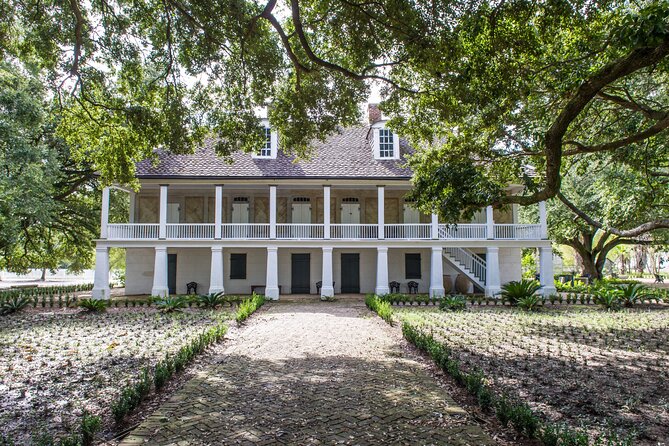
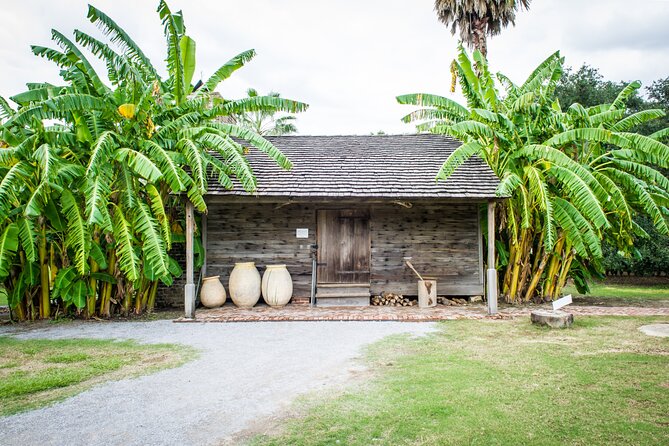
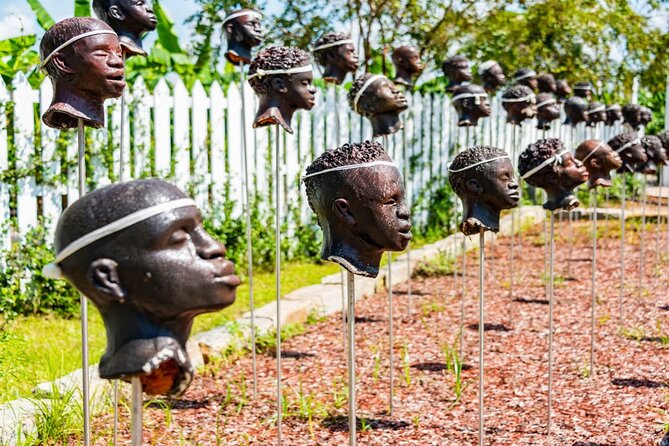
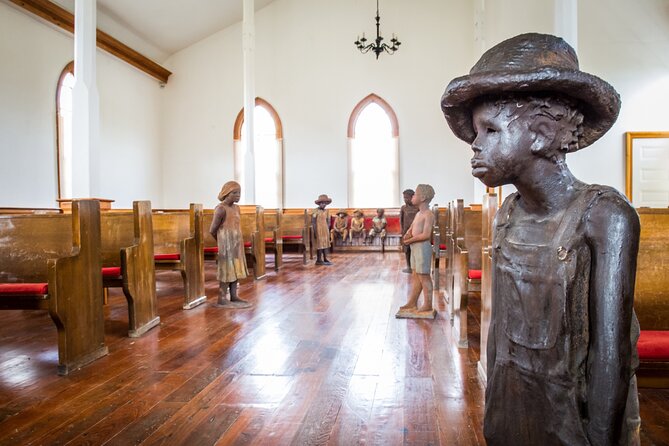
Whitney Plantation is the center of the whole experience, with about 2.5 hours on the grounds. The format is designed to change what you think a plantation tour is supposed to do. Instead of leading with the owners’ house and lifestyle, it tells the story through the lives of the people enslaved there—how they worked, how the system broke them, and how harm was structured into everyday life.
Here’s what makes the Whitney time valuable: you don’t just hear general history. You get guided interpretation that connects day-to-day reality to larger patterns of control. You’ll learn about the Haydel family as part of the plantation’s early ownership story, but the emphasis stays on the people who were enslaved and the memorials that preserve their presence and humanity.
Based on what’s been shared by past visitors, guides at Whitney often do a strong job of keeping the tone respectful and the details clear. Names that have come up include Susan, Justin, and Cheryl—and you can expect a storytelling style that focuses on the human consequences, including punishment and the social engineering used to prevent revolt by keeping people divided.
A quick heads-up: this is not a gentle history lesson. You should expect heavy themes. If you want the kind of day where you can walk, take in the architecture, and call it done, this won’t be that. If you want a more honest account—where the pain and resilience are both part of the lesson—this is exactly the right stop.
Practical tip: wear comfortable shoes and expect outdoor walking. Whitney’s pacing gives you time to look, read, and reflect, but you’ll still be on your feet.
The tour’s other plantation stops: Laura, St. Joseph, and the oak-alle y area
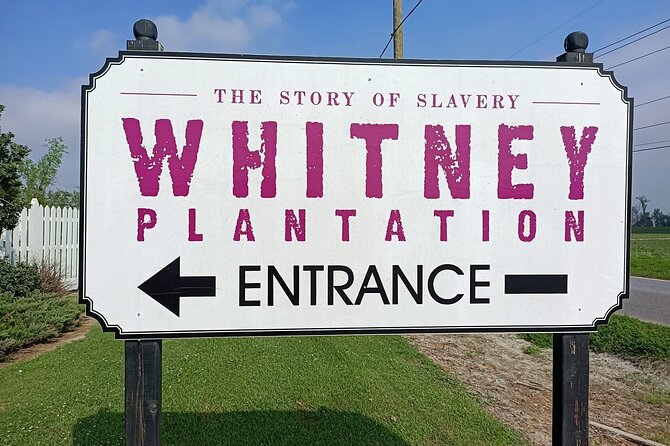
After Whitney, the tour keeps moving through the wider plantation region. The important thing here is to understand what these stops usually feel like. You’re not spending hours inside every plantation site like you did at Whitney. Instead, you’re shown how the region fits together—through passing views, explanation from the bus narrative, and short interpretation moments.
Laura plantation: four generations of French Creole women
You’ll pass Laura, described as a French Creole plantation run by four generations of French Creole women. This is useful because it reminds you that plantation life wasn’t one single template. Ownership and management could shift across generations and cultures, even while the slavery system remained the central engine of wealth.
St. Joseph plantation: a wedding gift origin story
You’ll also pass St. Joseph Plantation, described as a wedding gift from Valcour, one of the wealthiest men of his time. Even though this kind of “origin story” can sound like genealogy, it’s worth paying attention to what it implies: land and people were treated as assets in family fortunes. That context helps you connect the personal stories Whitney centers to the broader economics that made slavery profitable and normal to the people benefiting from it.





Oak-alle y style stop: sugarcane work and the iconic line of trees
The tour includes a historic site interpretation that focuses on the working sugarcane plantation and offers a view of the iconic alley of oak trees. What you take from this part depends on your expectations. If you want pure aesthetics, the oak setting will give you the postcard moment. If you want context, this stop is there to frame what that scenery cost in human labor.
One fair way to judge this section: it supports the day’s main theme by showing the plantation world as a system—different estates, different eras, but tied together by the same forced-labor reality.
The Bonnet Carre Spillway Bridge ride: a 45-minute reset
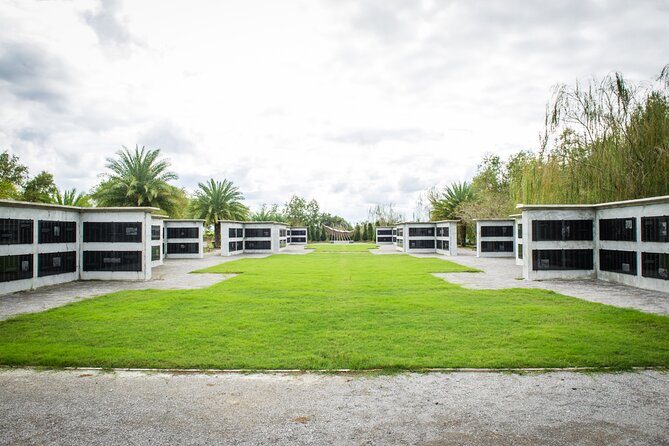
When the hardest part of the day is done, the tour gives you a calmer wrap: a 45-minute ride back to New Orleans that overlooks Lake Pontchartrain from the Bonnet Carre Spillway Bridge.
This isn’t just a ride to get you home. It gives you a break from the intense subject matter—time to breathe, look around, and let your brain catch up. You’ll also get that rare combination of structure and scenery: you’ve been moving with a plan, and then you finish with a view that makes the return feel like an actual moment, not a quick drop-off.
If you’re traveling with family, this is often the best transition point. The kids (and adults too) may still feel the weight of what they learned, and the scenery helps the day land in a more balanced way.
Price and value: is $86.70 a fair deal?
At $86.70 per person, this isn’t the cheapest outing in New Orleans, but it also isn’t overpriced for what’s included—especially if you care about structure and interpretation.
You’re paying for:
- Admission to the plantation tour (so you’re not juggling tickets)
- Round-trip transportation via an air-conditioned vehicle
- Bottled water and a USB outlet
- A guided experience designed around a single major site (Whitney), plus supporting context via the drive and additional stops
Value comes down to one question: do you want an organized, respectful slavery-focused experience with transportation taken care of? If yes, this price starts to make sense fast. The small group size (max 12) also helps. Big buses can turn serious history into a blur. Here, the day is managed to stay coherent.
Where you might question the value is if you only want quick sightseeing and are less interested in the guided interpretation side. In that case, you could spend less doing self-guided outings. But if Whitney is your priority—and you want it done properly—this tour is built for that goal.
Who should book this tour (and who might not)
I think this tour fits best if you fall into one of these buckets:
- First-time plantation visitors who want the most honest entry point. Whitney is the anchor.
- People who want history told from the enslaved perspective, with memorials and real explanations of how the system functioned.
- Solo travelers and couples who like a narrated ride and a plan that keeps you from feeling lost on the way.
- Families with older kids or teens. One review mentioned a visit with kids aged 9 and 14, with everyone finding it accurate and informative—so it can work when your group is ready for the topic.
I’d be more cautious if:
- You’re looking for a purely scenic, easy day.
- You need guaranteed quiet. If an event is happening at Whitney, your experience may be more distracting than you’d want.
What to do the morning of your tour
A few simple habits will make your day run better:
- Confirm your pickup and keep your phone handy. Pickup timing can vary depending on group size and the number of stops, and your cell number is used for the quickest communication.
- Charge your phone before you go. No Wi‑Fi is listed, and the USB charging outlet helps, but you don’t want to rely on it for the whole day.
- Bring a light layer. Air-conditioned buses can feel chilly, and you’ll be outside part of the time.
- Plan dinner after, not during. Since the tour can run up to about 6 hours, save your meal plans for when you’re back in town.
Should you book the Whitney Plantation narrated bus tour?
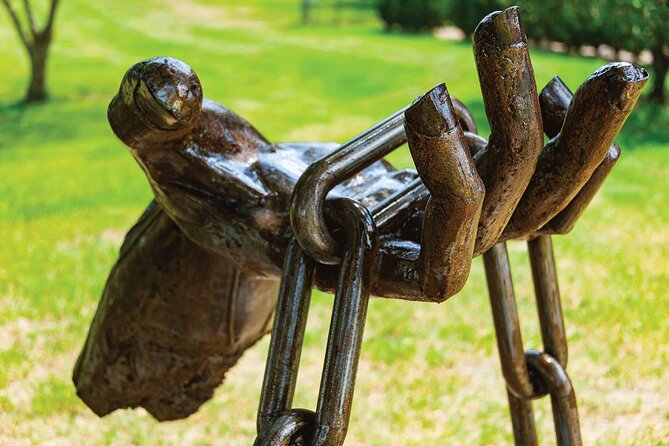
Yes, if your goal is to understand plantation history with the focus where it belongs: the lives and forced labor of enslaved people. The combination of a long, well-handled Whitney visit (about 2.5 hours), a narrated bus day that provides context, and a calmer scenic return over Bonnet Carre makes this a strong choice for people who want both meaning and logistics taken care of.
Book it if you’re ready for serious subject matter and want a respectful, organized experience rather than a random drive and vague explanations. Skip it only if you need a light, distraction-free day or you’re avoiding heavy history.
FAQ
How long is the Whitney Plantation tour with narrated bus ride?
The tour runs about 5 to 6 hours total.
Where does the tour start and where does it end?
It starts at St. Louis Cathedral (615 Pere Antoine Alley, New Orleans) and ends back at the meeting point.
What’s included in the price?
Admission to the plantation tour is included, along with an air-conditioned vehicle, bottled water, and a USB charging outlet.
Is lunch or breakfast included?
No. Breakfast and lunch are not included.
Is Wi-Fi available on the bus?
No. Wi‑Fi on board is not included.
Does the tour run in bad weather?
The experience requires good weather. If it’s canceled due to poor weather, you’ll be offered a different date or a full refund.