REVIEW · NEW ORLEANS
New Orleans Creole Odyssey Small-Group Bike Tour
Book on Viator →Operated by Flambeaux Bicycle Tours · Bookable on Viator
Creole history tastes better on two wheels. This New Orleans bike tour strings together French Quarter streets and Bayou St. John with stops that explain how the city formed and how it keeps changing. You’ll get out of the usual photo loop and ride through real neighborhoods at an easy pace.
Two things I really like: the route stays flat and manageable, so you’re not suffering for culture. And the tour is small, with a maximum of 10 travelers, plus a professional guide and helmet/bike rental.
One consideration: it’s a solid 3-hour ride, and you’ll need good weather to go. If you hate biking in public and crowds, this may feel like more motion than you want.
In This Review
- Key reasons to ride this Creole bike route
- From French Quarter streets to Bayou St. John
- Price and what $55 buys you (bike, helmet, water, guide)
- Your ride plan: the stops that shape the story
- Flambeaux Bicycle Tours: start smart, start easy
- French Quarter: oldest building, early New Orleans context
- Faubourg Marigny: music streets and community energy
- Mid-City: the long ride that turns into real neighborhood time
- St. Louis Cemetery No. 3: burial practices explained
- City Park: a breather and a classic break
- Bayou St. John: where the city meets water
- Congo Square: origins of Jazz in a sacred setting
- What makes the guide talk work (Eric and Gomez are proof)
- The biking reality check: one speed, simple comfort, and footwear rules
- How hard is it really? Who should book (and who should think twice)
- Route feel: getting off the tourist track without feeling lost
- Practical tips so the ride feels smooth
- Should you book New Orleans Creole Odyssey by bike?
- FAQ
- How long is the New Orleans Creole Odyssey bike tour?
- How much does the tour cost?
- What’s included in the price?
- What stops will we see during the ride?
- Is the bike route flat and easy?
- Where does the tour meet?
- What are the age and height requirements?
- What should I wear while biking?
- What happens if the weather is poor or I need to cancel?
Key reasons to ride this Creole bike route
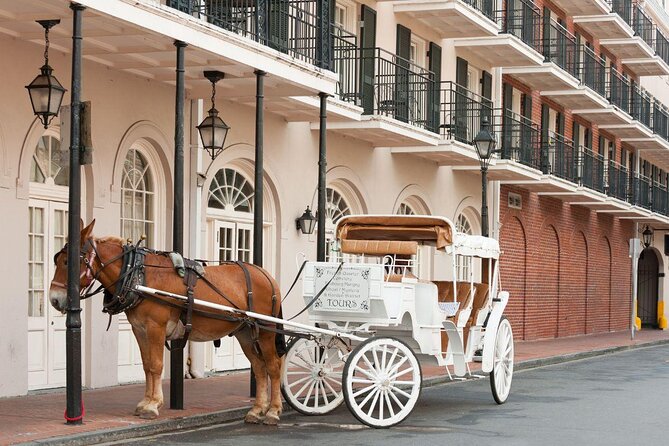
- Small group (max 10) keeps the pace human and the questions flowing
- Easy, flat cycling works for many fitness levels over about three hours
- Big neighborhood mix: French Quarter, Faubourg Marigny, Mid-City, City Park, and more
- St. Louis Cemetery No. 3 adds a very New Orleans kind of storytelling
- City Park + a Cafe du Monde break gives you a real rest mid-ride
- Bayou St. John brings the water-edge view to the edge of town
From French Quarter streets to Bayou St. John
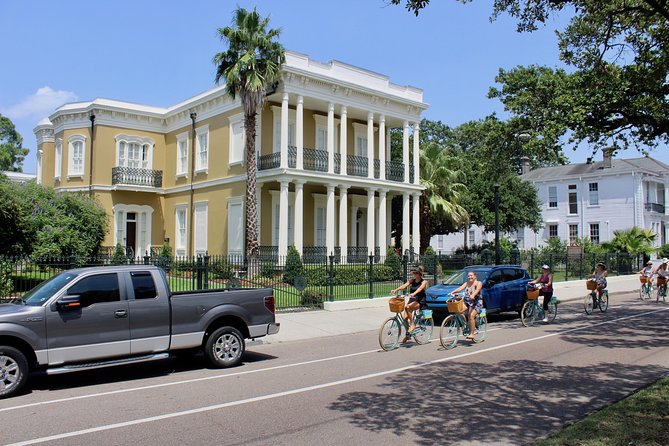
This tour is built like a story: you start in the French Quarter, then work your way outward toward water and greenery. Along the way, you’ll pass some of the places New Orleans people actually use and remember—then you’ll end up at Bayou St. John, where the city softens into something more natural.
What makes this route feel different is the shift in scenery. You don’t just look at landmarks from the sidewalk. You ride through oak-lined stretches, parks, and cemetery lanes, with guide talk timed so you can see what they’re describing.
And yes, you still get the iconic stuff. But you also get the in-between pieces—streets and squares that connect the dots between the city’s founding, Creole culture, and the music that grew out of it.
You can also read our reviews of more cycling tours in New Orleans

Price and what $55 buys you (bike, helmet, water, guide)
At $55 per person for about 3 hours, this is priced like an experience, not just a rental. You’re paying for a professional guide, bike and helmet use, and bottled water—things that add up fast if you’re trying to DIY.
The biggest value here is guidance. New Orleans is famous, but it’s also layered and confusing if you only wander on your own. A good guide can point out what matters, explain why certain places exist where they do, and keep the ride moving without turning it into a long lecture.
There’s also a practical bonus: with a small maximum group size, the tour tends to feel organized rather than chaotic. That matters when you’re navigating mixed traffic and busy streets.
Your ride plan: the stops that shape the story
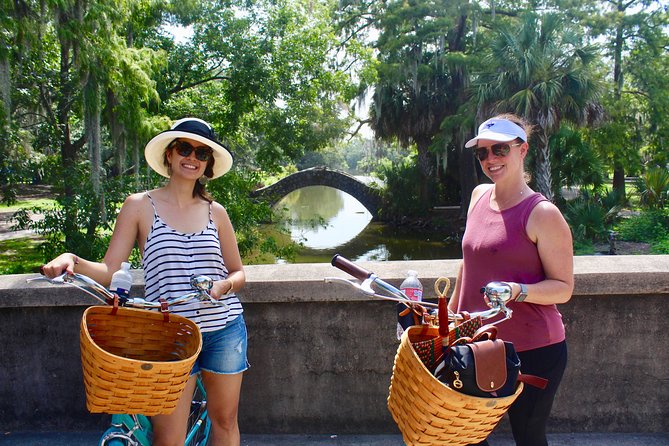
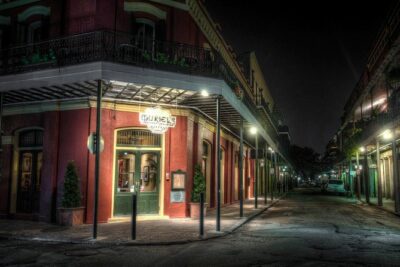
You’ll start at Flambeaux Bicycle Tours at 626 N Rampart St. From there, the tour is paced in short, teach-and-walk chunks, then longer riding blocks.
Here’s how the ride typically unfolds, and what each stop is really for:
Flambeaux Bicycle Tours: start smart, start easy
You meet at the shop, get settled, and roll out from the French Quarter area. This first stretch is mostly about getting oriented—routes, bike comfort, and group rhythm.
It’s also a good moment to ask quick questions. If you’re unsure about the pace or the bike fit, this is where you fix it before you’re out in traffic.
French Quarter: oldest building, early New Orleans context
In the French Quarter, you’ll pause to point out the oldest building in the city. It’s a fast stop, but it sets up the rest of the ride by grounding the tour in real origins, not just later glamour.
Think of this as your launchpad. After this, the route gradually moves you from “famous sights” toward “how the city actually grew.”



Faubourg Marigny: music streets and community energy
Next you head toward Faubourg Marigny, with time on Frenchmen St. This is where New Orleans music culture lives day-to-day, not just on postcards.
The best part of stopping here is how it connects history to sound. You’re not just hearing about Jazz as an idea—you’re moving through the place where it’s part of everyday life.
Mid-City: the long ride that turns into real neighborhood time
Mid-City is a big chunk of the ride—about two hours—so it’s where you really feel the neighborhood scale. This section is mostly about movement through the city’s fabric: avenues, parks, and residential rhythms.
If you’re the type who enjoys “getting bearings” by riding, Mid-City is where you’ll feel most oriented by the end. If you’re prone to getting bored on long rides, bring patience—this leg works best if you’re listening for the guide’s links between places.
St. Louis Cemetery No. 3: burial practices explained
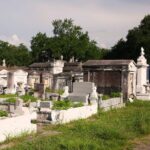
You’ll stop at St. Louis Cemetery No. 3 for about 20 minutes. The guide will explain district burial practices—how locals approached burial and space in a way that’s very specific to New Orleans.
Cemeteries here aren’t background scenery. They’re part of the city’s identity, and they show how culture adapts to place, climate, and community needs.
City Park: a breather and a classic break
Then you roll into City Park, the largest urban park in the city. You’ll also stop near Cafe du Monde’s City Park location for about a 10-minute break.
This is a smart pacing choice. After cemetery depth and neighborhood riding, you get a chance to snack, breathe, and reset before heading toward the water edge.
If you want to time it, go with a short order and keep the break tight. The ride schedule is built around keeping you moving.
Bayou St. John: where the city meets water
The tour finishes by riding along Bayou St. John at the edge of town. The waterway has history tied to Native Americans and early French settlers, so the guide’s story here isn’t just scenic—it’s historical.
This portion is also where the temperature and atmosphere can change. The streets feel different when you’re tracking a natural water line, even if you’re still in the city.
Congo Square: origins of Jazz in a sacred setting
You’ll also make time at Congo Square and learn about the origins of Jazz in this sacred location. This stop gives the tour a cultural anchor that ties together music, community gathering, and heritage.
It’s a good contrast to the bayou. Music roots on one side; water-edge history on the other. Together, they help you understand New Orleans as more than a party town—it’s a place where culture grew from gatherings and shared spaces.
What makes the guide talk work (Eric and Gomez are proof)
The tour is led by a professional guide, and small-group size helps a lot. In the past, guides such as Eric and Gomez have been highlighted for being personable and for sharing a love of the city through clear explanations.
One practical benefit of a strong guide: they can shape the ride so you don’t miss key turns and sights. Several stops are short by design, so you want someone who keeps the group together and explains just enough before you roll to the next place.
If you like asking questions, this style of tour tends to be a good fit. It’s fast enough to be fun, but structured enough that you’re not left guessing what you’re seeing.
The biking reality check: one speed, simple comfort, and footwear rules
This is described as a flat, easy route suitable for most fitness levels. That’s the headline you want.
But biking setup matters. One rider noted the bikes were simple, even a bit old-fashioned, and used a one-speed style. Translation: don’t expect a cushy ride like a mountain bike rental. Go in with reasonable expectations and focus on smooth pedaling and comfortable posture.
Footwear is a big deal here. Flip-flops and slippers are prohibited, and the guide also warns against hazardous footwear. If you’re bringing sandals, choose ones with heel straps. Also choose closed-toed shoes so you’re not dealing with toe strikes or slipping.
And since the tour needs good weather, dress for the day you book, not the postcard version of New Orleans. If it looks rainy, be ready with appropriate rain layers.
How hard is it really? Who should book (and who should think twice)
Minimum age is 13, and everyone must be over 4’11”. That already tells you it’s not set up for tiny riders.
The tour also says you should have a strong physical fitness level. “Easy route” doesn’t mean “sit back.” You’ll still be pedaling for about three hours, including long riding blocks.
So this tour is best for you if:
- You can comfortably bike for extended stretches
- You enjoy learning while moving, not just standing in museums
- You want to see more than the French Quarter without hiring a private car
You might skip it if you:
- Have mobility limits that make biking uncomfortable
- Hate being on a bike in traffic-adjacent streets
- Can’t manage weather-dependent plans
Route feel: getting off the tourist track without feeling lost
A lot of walking tours stay in one zone. This one changes zones. You start in the French Quarter, then you’re quickly pushed into neighborhoods like Faubourg Marigny and Mid-City. That matters because New Orleans isn’t one “thing.” It’s many places with different rhythms.
You also get a mix of themes:
- founding-era context (French Quarter focus)
- culture and music (Faubourg Marigny, Congo Square)
- local burial traditions (St. Louis Cemetery No. 3)
- big-city park life (City Park)
- the water edge history (Bayou St. John)
If you want an organized way to see the “real New Orleans” beyond the usual photo stops, this route is built for that.
Practical tips so the ride feels smooth
Here’s how to make the day easier:
- Wear closed-toed shoes and avoid flip-flops or loose slipper-style footwear.
- Bring weather-appropriate layers. The tour requires good weather.
- Plan for a quick Cafe du Monde break in City Park, and keep it short so you don’t stall the group.
- If you want coffee first, the shop is right next door to Twelfth Night Coffee for hot or cold drinks and pastries.
Also, note the tour uses a mobile ticket, so have your phone ready.
Should you book New Orleans Creole Odyssey by bike?
Book it if you want a smart, efficient way to cover multiple neighborhoods in a few hours and get history that’s tied to what you’re actually riding past. At $55 with bike/helmet rental, water, and a professional guide, it’s solid value for a small-group outing.
Think twice if you dislike physical activity or you’re planning around iffy weather. This tour requires good conditions, and you’ll be happiest if you show up ready to pedal.
If you’re coming in peak season, consider booking ahead. This one is commonly reserved about 23 days in advance, and the group max is 10, so it’s not a tour you want to wait on at the last minute.
FAQ
How long is the New Orleans Creole Odyssey bike tour?
It runs for about 3 hours.
How much does the tour cost?
The price is $55 per person.
What’s included in the price?
You get a professional guide, use of a bicycle, use of a helmet, and bottled water.
What stops will we see during the ride?
You’ll stop at places including Flambeaux Bicycle Tours, the French Quarter, Faubourg Marigny, Mid-City, St. Louis Cemetery No. 3, City Park (including a Cafe du Monde break), Bayou St. John, and Congo Square.
Is the bike route flat and easy?
The route is described as flat and leisurely, suitable for most fitness levels.
Where does the tour meet?
The meeting point is 626 N Rampart St, New Orleans, LA 70116.
What are the age and height requirements?
The minimum age is 13, and all participants must be over 4’11”.
What should I wear while biking?
Dress for the weather and wear closed-toed shoes. Flip-flops and slippers are hazardous and prohibited. Sandals with heel straps are the preferred alternative.
What happens if the weather is poor or I need to cancel?
The tour requires good weather. If it’s canceled due to poor weather, you’ll be offered a different date or a full refund. You can cancel for a full refund if you cancel up to 24 hours in advance.