REVIEW · NEW ORLEANS
The Original ‘Creole and Crescent’ Bike Tour
Book on Viator →Operated by FreeWheelin Bike Tours · Bookable on Viator
New Orleans by bike feels like cheating the traffic gods. This tour links the French Quarter with Creole-era grand homes, live-oak shaded streets, and the birthplace of jazz. I love that it takes you beyond the postcard core into Treme, and I also like the small-group feel with a maximum of 12 riders. If you’re not a confident cyclist, the main drawback is simple: this ride isn’t for people who can’t handle a bike.
I really like the way the route is built around clear “story stops,” not just a slow cruise. You’ll move from the French Quarter to Esplanade Avenue (Millionaires Row), then into City Park and across Bayou St. John via Magnolia Bridge before finishing near Armstrong Park and Congo Square. And from what I can see in the guide experience, you get that mix of humor and safety talk, including guides like Teddy and Laura who kept groups moving and told the kind of local details you remember later.
One thing to consider: it runs on a moderate fitness level and lasts about 2 to 3 hours, so you’ll want to be ready for steady pedaling and frequent turns. Also, the price is a solid value for a guided tour, but you’ll still want to budget for personal spending since food and drinks aren’t included.
In This Review
- Key highlights that make this tour worth your time
- FreeWheelin meets you at the edge of the French Quarter
- Pedal or electric: choose comfort without losing the route
- The French Quarter opener: getting your bearings fast
- Esplanade Avenue and Gayerre Place: Creole mansions and the street of old power
- A quick swing on Frenchmen Street: music culture in miniature
- City Park under live oaks: duels, tragedy, and a break from the streets
- Bayou St. John and Ursuline Avenue: the quiet stretch that makes the ride feel bigger
- Going deep into Treme: real neighborhood life, not a photo set
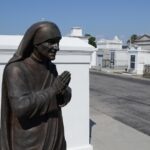
- St. Louis Cemetery No. 3: a respectful stop, not a full cemetery tour
- Congo Square and the jazz origin moment
- Louis Armstrong Park finish: a calm end to a very busy city
- Price and value: why $55 works better than it sounds
- What to expect from the ride: pace, safety, and comfort
- Who this tour is best for (and who should skip it)
- Should you book the Creole and Crescent bike tour?
- FAQ
- How long is the Creole and Crescent bike tour?
- How much does it cost?
- Where do I meet, and where does the tour end?
- What’s included with my ticket?
- Is the tour recommended if I can’t ride a bike?
- Which stop is tied to jazz and Jazz Fest?
- What happens if the weather is bad?
Key highlights that make this tour worth your time
- Small group size (up to 12) keeps the ride calmer and the stories easier to hear.
- Creole Avenue to real neighborhoods: French Quarter to Treme, not just the usual “stay near Bourbon” plan.
- Live oak + bayou sections: City Park shade and a ride along Bayou St. John add real variety.
- Congo Square for jazz roots: a short, focused stop tied to the origins of jazz and Jazz Fest.
- Smart gear included: helmet, water, handlebar bag, bell, and ponchos for rain.
- Pro, safety-forward guiding: guides like Teddy and Laura are known for keeping riders secure while telling stories.
FreeWheelin meets you at the edge of the French Quarter
The tour starts at FreeWheelin Bike Tours & Rentals, 317 Burgundy St. It’s a convenient spot if you’re already planning to spend time in the French Quarter, and the setup is straightforward: you show up, grab your bike, and get rolling from there. You’ll also receive a mobile ticket, which usually makes check-in less of a hassle.
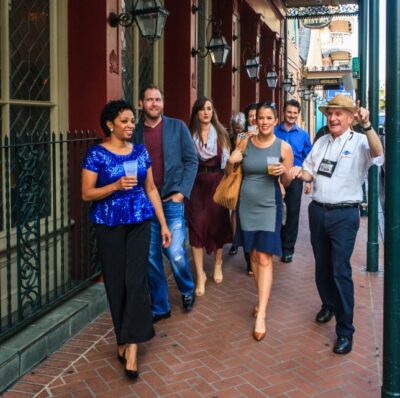
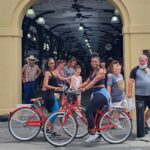
With a small cap of 12 riders, you’re not stuck shoulder-to-shoulder with strangers. That matters on bike tours in New Orleans, where route changes and turns happen fast. It also helps your guide keep an eye on the group without turning the ride into a frantic cattle drive.
You can also read our reviews of more cycling tours in New Orleans
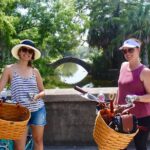
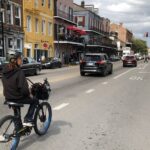
Pedal or electric: choose comfort without losing the route
This is offered in two versions: a pedal bike tour and an electric option. The route and storytelling are essentially the same; the main difference is the bike type. If you want to keep the experience “hands-on” and you’re good with hills and steady pedaling, go pedal. If you’d rather arrive at the later stops with more energy, electric can make the ride feel more relaxed while still giving you that neighborhood-by-neighborhood perspective.
If you’re deciding between the two, I’d match it to your comfort level rather than your pride. This isn’t a lab exercise. It’s a way to see New Orleans efficiently, and you’ll enjoy the stops more when you’re not fighting the bike.
The French Quarter opener: getting your bearings fast
The first stop is in the French Quarter. This is your launching pad: you start the tour there and get the early context for what you’re about to see. It also helps you orient quickly, because once you move out toward Esplanade, the city changes character in a way you can feel.
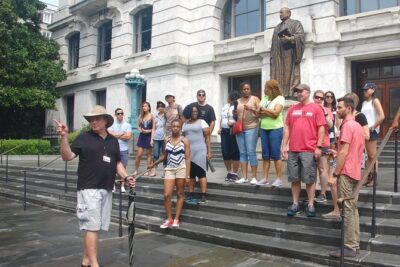
Even though the first stop is short (about 15 minutes), it sets the tone: this is a guided ride with a point of view, not a random pedal around famous corners. You’ll also get your first look at how the guide keeps everyone together while pointing out details you might miss if you were walking at your own pace.
Esplanade Avenue and Gayerre Place: Creole mansions and the street of old power
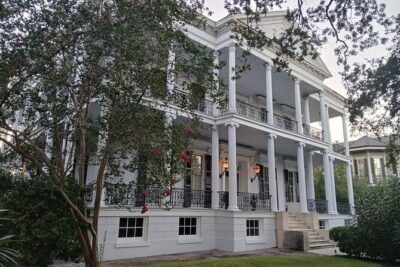
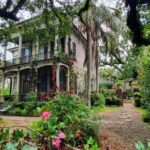
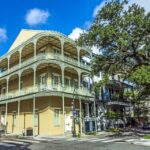
Next up is Esplanade Avenue, sometimes called Avenue of the Creoles or Millionaires Row. You ride along a long stretch—listed as 4+ miles—toward City Park. This is where the tour earns its “Creole” name in a big way.
What I like about this portion is the pairing of scale and story. The mansions and grand homes are visually impressive, but the value is in understanding who lived there and how that social power helped shape New Orleans culture. It’s one of those stretches where you can almost hear history in the architecture.
You also stop at Gayerre Place to see the monument Peace, the Genius of History. It’s a brief pause, but these are the kinds of small stops that make the ride feel intentional. The tour doesn’t just point; it gives you a reason to look.
A quick swing on Frenchmen Street: music culture in miniature
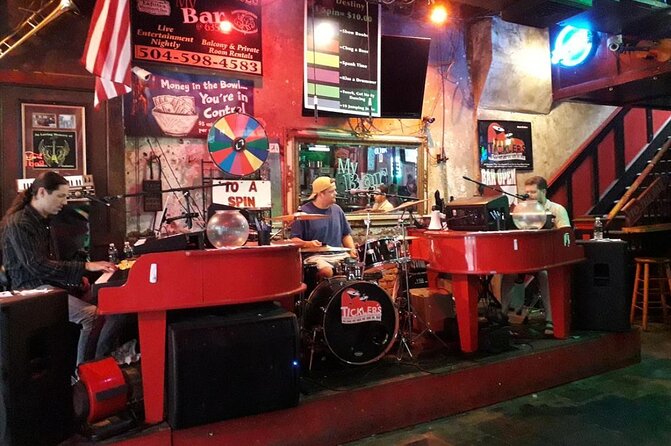
Frenchmen Street is next, with a short stop of about 5 minutes. This is an efficient way to touch the area that locals associate with the live music scene—without trying to turn your bike tour into an all-night event.
If you’re a music fan, think of it as a “yes, you’re in the right city” moment. If you’re not, it still helps you understand why New Orleans has such a strong sense of rhythm and identity.



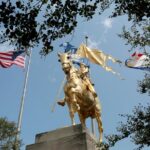
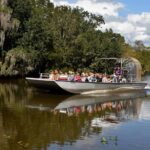
City Park under live oaks: duels, tragedy, and a break from the streets
City Park is one of the ride’s mood-shifters. You pedal through a grove of thousand-year live oaks, then stop to hear stories set in that setting. The tour includes about 20 minutes in the park area.
This is where the bike tour becomes more than sightseeing. The shade and the green space soften the city’s pace, so you feel a change in temperature and energy. The stories linked to duels and tragedy are also a reminder that places hold more than scenery; they hold human stakes. It’s not just “pretty park,” it’s “this is where big moments happened.”
When you leave City Park, you cross over Bayou St. John via Magnolia Bridge and head toward Treme. That transition is smooth and logical, and it keeps you from spending the day only in one micro-neighborhood.
Bayou St. John and Ursuline Avenue: the quiet stretch that makes the ride feel bigger
You ride along Bayou St. John for a while and then turn into the neighborhood of the same name. The stop is around 20 minutes, and there’s another history lesson along Ursuline Avenue, lined with live oaks.
The bayou segment gives you that “New Orleans is more than streets” feeling. Even if you’ve seen photos, being on a bike alongside the water and under tree cover changes the experience. It also breaks up the more urban portions of the route so the day doesn’t blur together.
Going deep into Treme: real neighborhood life, not a photo set
Treme is a key reason this tour gets such strong ratings. The ride takes you into the neighborhood, not just skimming the edge. The tour lists about 20 minutes here.
Unlike other tours that stay at the popular surface level, this one is described as going deeper into Treme and showing the version of the neighborhood you don’t usually see in filmed portrayals. Since the guides have local connections, you may get the kind of friendly neighborhood interaction that makes the whole day feel more human than scripted. The tour info points to greetings from friends in the neighborhood—smiles, waves, and local-style warmth.
This is also where the guided storytelling matters most. When you’re physically in the place, the stories land differently. You start to understand why people in New Orleans talk about neighborhood identity with real pride.
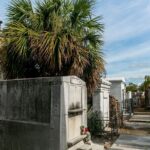
St. Louis Cemetery No. 3: a respectful stop, not a full cemetery tour
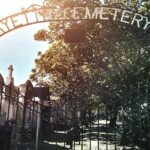
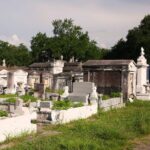
Next comes St. Louis Cemetery No. 3, with about 10 minutes on site. Important detail: the tour does not provide a full guided tour of the cemetery. Instead, it’s a brief stop to hear stories about the burial process, with a photo opportunity and a short stroll among the tombs.
That structure is smart. It keeps the tour moving while still giving you the “this is why New Orleans cemeteries matter” moment. You get the context without turning it into a long, standing-heavy detour.
If you’re curious about how the city handles remembrance, this stop gives you just enough to make the cemetery feel like part of the larger story, not a separate attraction you rushed through.
Congo Square and the jazz origin moment
The final big thematic stop is Congo Square (about 10 minutes). This is where it all comes together: it’s described as the birthplace of jazz music and tied to the origins of Jazz Fest.
The best part of this stop is its focus. You’re not just looking at a landmark; you’re connecting it to the sound and cultural events that still define the city today. By this point, you’ve moved through Creole architecture, parkland shade, bayou streets, and Treme neighborhood rhythms. Then you land on Congo Square, and the day clicks.
It’s also a good place to take photos and absorb the meaning before you wrap up.
Louis Armstrong Park finish: a calm end to a very busy city
You’ll also ride through Louis Armstrong Park as you near the end of the tour. The stop time listed for Armstrong Park is about 10 minutes, and the tour winds up back at the broader Congo Square area.
This final stretch matters because New Orleans can feel nonstop. Finishing with a fountain-filled, tree-lined ride gives your brain a little quiet before you head back into the city chaos. It’s a good pacing choice for a 2–3 hour outing, especially if you have dinner plans afterward.
Price and value: why $55 works better than it sounds
At $55 per person, this tour isn’t a “cheap quick hit.” But for a guided, small-group bike route that links multiple major areas—French Quarter, Esplanade, City Park, bayou, Treme, a cemetery stop, and Congo Square—you’re paying for time, context, and logistics handled for you.
You also get the practical stuff built in: bottled water, a helmet, a handlebar bag, and a bell, plus ponchos for rainy weather. That’s not just comfort; it reduces planning stress. You don’t have to worry about carrying gear or improvising if weather shifts.
Then there’s the guide component. The tour information highlights an established company with 13 years in business and thousands of top ratings. Guides like Teddy and Laura show up in the feedback as friendly, funny, and attentive to safety and flow—exactly what you want when you’re riding through lively streets.
What to expect from the ride: pace, safety, and comfort
The tour is listed as 2 to 3 hours, and the fitness level is described as moderate. That means you should expect continuous riding with frequent story stops, plus city navigation moments. If you’re comfortable biking and you enjoy walking a bit when needed, you’ll be fine.
Safety is built into the experience. Helmets are provided, and the bike comes with a handlebar bag and bell so you have basic control and awareness while moving in a group. The included structure matters, especially for first-timers.
One practical consideration: it’s not recommended for people who cannot ride a bike. That’s fair. A bike tour is only fun when everyone can control their bike safely.
Also note that the tour is described as requiring good weather. If weather forces a change, you should expect the operator to handle it by offering a different date or refund.
Who this tour is best for (and who should skip it)
This tour is ideal if you want a guided shortcut through New Orleans that still feels authentic. You’ll likely enjoy it most if you’re:
- Seeing the city for the first time and want a cohesive route
- Interested in Creole influence, neighborhood life, and jazz roots
- Comfortable riding for 2–3 hours at a moderate pace
- Traveling with mixed ages, since the tour has a track record of accommodating a range of riders (including a 67-year-old and an 11-year-old in one example)
Skip it if you’re set on a very slow, mostly flat walking pace. Also skip it if you’re unsure on a bike. The tour won’t politely pause itself for a shaky ride.
Should you book the Creole and Crescent bike tour?
If you want a single, well-structured way to connect New Orleans’ French Quarter to Creole-era stories, then push into City Park, bayou space, and Treme before ending at Congo Square, this one is an easy yes. The value comes from the full route, the included gear, and guides who keep safety and storytelling on the same level.
Book it if you’re excited by neighborhoods, not just famous streets. Don’t book it if bike riding isn’t your thing or if you’re hoping for an extremely gentle ride. In the right match, it’s one of those tours that gives you both perspective and momentum—exactly what a limited vacation needs.
FAQ
How long is the Creole and Crescent bike tour?
The ride runs about 2 to 3 hours.
How much does it cost?
The price is $55.00 per person.
Where do I meet, and where does the tour end?
You meet at FreeWheelin’ Bike Tours & Rentals, 317 Burgundy St, New Orleans, LA 70112, and the tour ends back at the meeting point.
What’s included with my ticket?
You get the use of a bicycle, bottled water, a helmet, a handlebar bag and bell, and complimentary ponchos for rainy weather.
Is the tour recommended if I can’t ride a bike?
No. It is not recommended for individuals who cannot ride a bike. If that’s you, you should not book a bike tour.
Which stop is tied to jazz and Jazz Fest?
Congo Square is described as the birthplace of jazz music and the origins of Jazz Fest.
What happens if the weather is bad?
The experience requires good weather. If it’s canceled due to poor weather, you’ll be offered a different date or a full refund. If you cancel for other reasons, the experience is non-refundable and cannot be changed.