REVIEW · NEW ORLEANS
60-minute Tremé Walking Tour & Photo Experience
Book on Viator →Bookable on Viator
Street corners tell the truth in Tremé. This private walk turns New Orleans into a place you understand, with stops that most visitors miss—and guidance for getting better photos along the way.
I especially like the personal attention you get from your local guide, and the way the tour pairs neighborhood storytelling with practical photo support. Another big plus: you spend time at the Mardi Gras Museum of Costume and Culture with admission included.
One thing to plan for: the timing is fairly tight (about 1 hour to 1.5), and not every stop’s admission is included—plus the tour requires good weather to run.
In This Review
- Key Highlights You’ll Actually Feel On This Walk
- Why Tremé Changes How You See New Orleans
- Backatown Coffee Parlour: Old Storyville Energy, New-Day Conversations
- Storyville District: Policy, Not Pageantry
- Charity Hospital and the Medical Center of Louisiana: What Katrina Changed
- Tremé and I-10: When a Highway Redraws a Community
- Mardi Gras Museum Time: Costumes, Culture, and Grassroots Traditions
- The Photo Experience: How You Get Better Shots Faster
- About the Guide: Hollis and the African American Perspective
- Price and Value: Why $15 Can Make Sense Here
- Practical Planning: Meeting Point, Timing, and Getting Around
- Who This Tour Suits Best
- Should You Book This Tremé Walking Tour?
- FAQ
- How long is the 60-minute Tremé Walking Tour & Photo Experience?
- How much does the tour cost?
- Is this a private tour?
- Where do I meet, and where does the tour end?
- Is the tour offered in English?
- Is Mardi Gras Museum admission included in the price?
- What happens if the weather is poor?
Key Highlights You’ll Actually Feel On This Walk
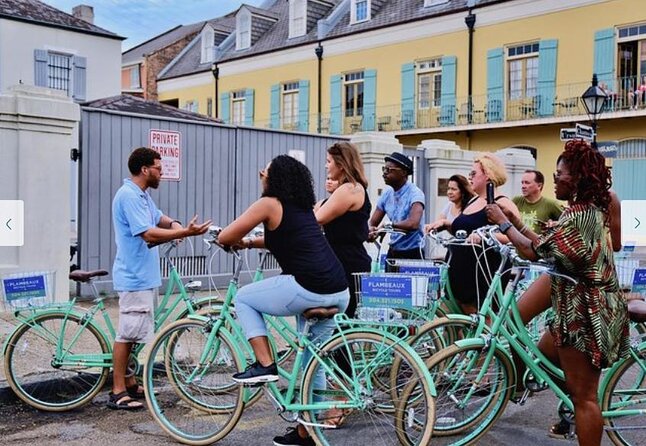
- Private, local guide time for your group, not a big mixed crowd
- Photo assistance so you’re not just walking and hoping for the best shot
- Backatown Coffee Parlour at the site of old Storyville, with a real-neighborhood gathering vibe
- Charity Hospital / MCLNO context tied to what happened after Hurricane Katrina
- Tremé and the I-10 impact explained with a human lens, not a headline summary
- Mardi Gras Museum admission included while you wrap up near Conti Street
Why Tremé Changes How You See New Orleans
Tremé isn’t a museum district. It’s a working neighborhood, and the stories here land differently than the classic French Quarter script. This tour keeps you off the usual shortcut route and focuses on places that shaped daily life—then and now.
The pace matters. You’re on your feet for about an hour to 1.5 hours, with short stop times that keep momentum up. That makes it a great fit if you want real context without losing your whole day.
The private setup also helps you get answers in the moment. If you care about what you’re seeing—music, public systems, segregation-era policy, community survival—you can ask questions instead of waiting for a group lecture.
You can also read our reviews of more walking tours in New Orleans


Backatown Coffee Parlour: Old Storyville Energy, New-Day Conversations
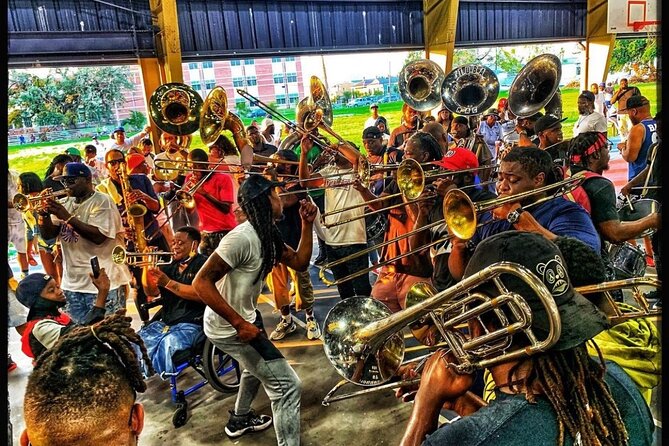
Your first stop is Backatown Coffee Parlour, and the tour frames it as more than a caffeine break. It sits at the very site of old Storyville, the notorious red-light district that existed in New Orleans from the late 1890s into the 1910s.
What I like about starting here is the contrast. Storyville is often taught as scandal and spectacle, but Backatown is presented as a neighborhood gathering space—somewhere that’s meant to cultivate conversations and keep local energy moving forward.
A quick practical note: the stop is about 10 minutes and admission is not included. So think of it as an orientation moment—grab a drink if you want, then keep walking.
Storyville District: Policy, Not Pageantry
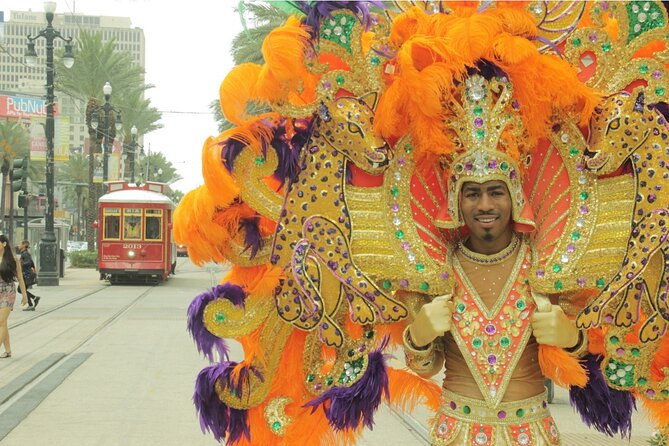
Next comes the Storyville District, tied to the period when prostitution was regulated by municipal ordinance. The tour shares the mechanics: city leaders created guidelines and legislation to control where it could happen.
You’ll hear the name Sidney Story in connection with the district. That’s a key detail, because it shifts the story from gossip to governance—how rules were written, enforced, and used to shape who had power.
The stop time is short—around 10 minutes—and admission isn’t included. Still, it’s one of the clearest ways to connect the dots between music legend mythology and the legal reality of the time.
Charity Hospital and the Medical Center of Louisiana: What Katrina Changed
Then you move into one of the most important stops on the route: the Medical Center of Louisiana at New Orleans East Campus, tied to Charity Hospital.
This is where the tour gives you the broader public-health story. Charity Hospital wasn’t just a hospital—it was part of a teaching system that served the city. After Hurricane Katrina, the building and plans for reopening were complicated and ultimately shifted away from the original site.
The tour specifically points to the period right after the storm: then-governor Kathleen Blanco said Charity Hospital would not reopen as a functioning hospital. The Louisiana State University System owned the building and later chose to incorporate Charity into a new city medical center in lower Mid-City, with the newer facility completing in 2015 under the name University Medical Center New Orleans.
Stop time is about 10 minutes, and admission is free here. If you want to understand the long ripple effects of Katrina on institutions—not just neighborhoods—this is the moment that gives you that lens.
Tremé and I-10: When a Highway Redraws a Community
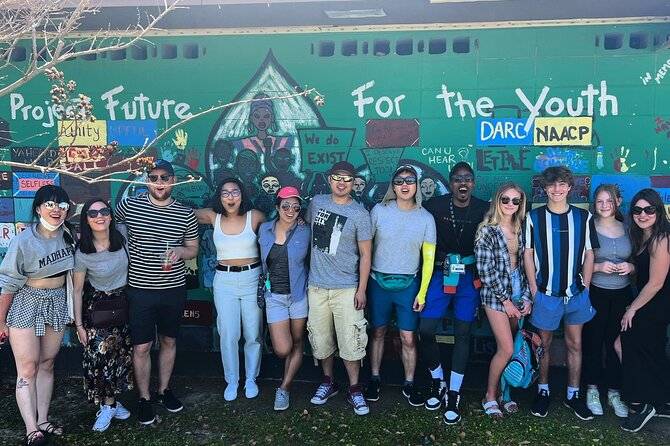
After that, the tour returns you to Tremé itself and zeroes in on a very specific kind of change: infrastructure.
For decades, the elevated stretch of Interstate 10 running above North Claiborne Avenue has been cast as a villain that damaged the historic African American community. The tour explains how the highway affected homes, businesses, and even a famous strand of oak trees when it was built more than half a century ago.
This stop is only around 10 minutes, but it’s powerful because it doesn’t treat harm as an abstract idea. It talks about the neighborhood’s imagined future—what residents hoped for, including removal or closure from traffic—and then connects that to new federal funding support aimed at helping neighborhoods like Tremé.
Admission is free at this point. Bring comfortable shoes here. Even if the stop is brief, you’re walking through a place where the built environment affects daily life.




Mardi Gras Museum Time: Costumes, Culture, and Grassroots Traditions
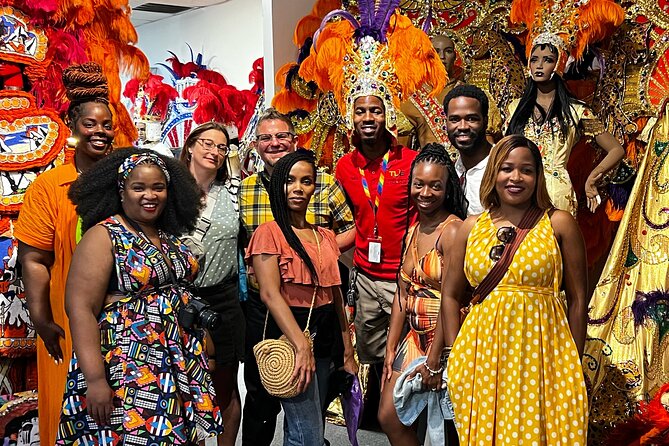
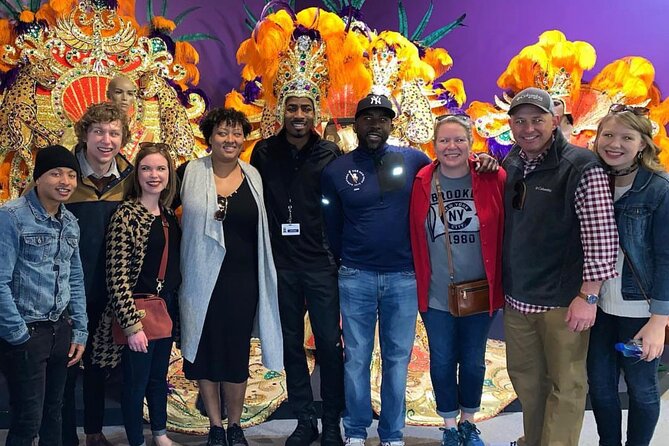
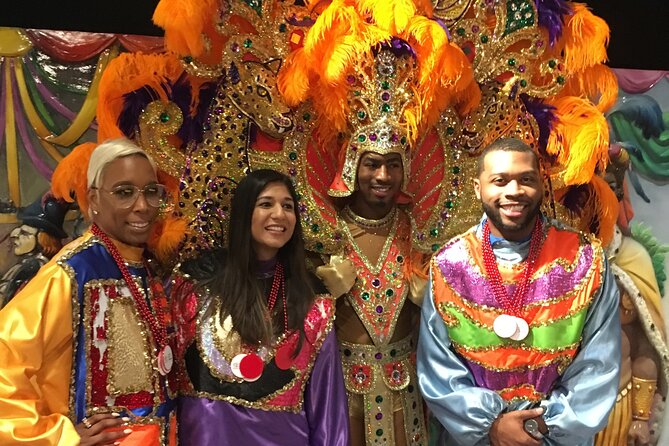
You finish at the Mardi Gras Museum of Costume and Culture. This is the tour’s most “fun on purpose” stop, and it matters because it keeps the day from becoming only heavy.
The museum is described as a contemporary celebration of grassroots Mardi Gras traditions. Instead of just showing parade glitz, it emphasizes creativity and local pageantry—the kind that grows from community practice, not just corporate spectacle.
You’ll have about 20 minutes here. Admission is included, which is a real value perk at the end of a walking tour. Your route also ends at 1010 Conti St, near the museum, so it’s a clean handoff back into your day.
The Photo Experience: How You Get Better Shots Faster
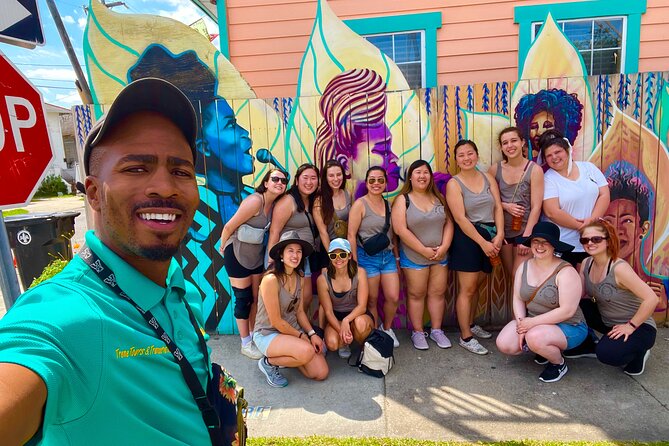
This tour is described as a photo experience with help taking great photos, and that’s exactly how I’d use it if you care about pictures but don’t want to spend your day stuck fiddling with settings.
In practical terms, the value is that you’re not wandering alone. Your guide can help you decide where to stand, when to move, and how to frame the scene so you capture the neighborhood’s story—not just a random street corner.
If you’re a couple, it’s also a nice setup because you’re doing it together with one person managing the flow. You’re likely to come away with photos that feel intentional: people, street texture, the scale of historic sites, and the contrast between past and present.
One more detail from the experience style: the guide may use audio from documentaries as part of the storytelling. That can make it easier to connect what you’re seeing with what you’re hearing, instead of treating the stops like a checklist.
About the Guide: Hollis and the African American Perspective
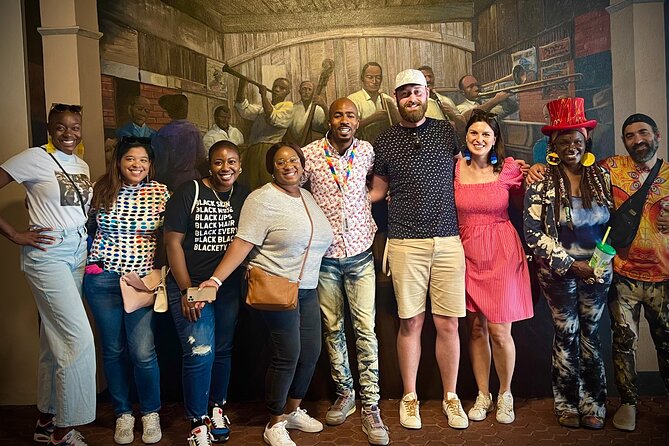
The guide name that shows up in the feedback is Hollis, and the common thread is clarity and comfort. People highlight that he knows the city history and makes guests feel at home while sharing stories from an African American perspective.
That matters because New Orleans history can get flattened into a tourist-friendly version. A guide like Hollis helps you keep the focus where it belongs—on who lived through the changes and how those decisions were experienced on the ground.
People also mention helpful recommendations. That’s where you can turn this tour from a one-hour event into a whole-trip upgrade: you leave with suggestions that fit the neighborhoods you just learned about, not just the standard itinerary.
Price and Value: Why $15 Can Make Sense Here
At $15 per person for about 1 hour to 1.5 hours, this tour is priced like an “entry ticket” to a deeper look—not like a premium museum day.
Here’s the value logic:
- Mardi Gras Museum admission is included, so you’re not paying extra for your final stop.
- The Medical Center of Louisiana stop is free, so your costs stay predictable there.
- Some other stops are short and list admission as not included (Backatown Coffee Parlour and the Storyville District).
So you’re paying mainly for the guide time, the route design, and the photo help. If you like structure and want to avoid spending hours researching Tremé’s most meaningful touchpoints on your own, this is the kind of deal that can be worth it.
Practical Planning: Meeting Point, Timing, and Getting Around
You’ll meet at 301 Basin St #1 and the tour ends at 1010 Conti St. The route is set up near public transportation, which helps if you don’t want to rely entirely on ride-shares for short legs.
Confirmation is received at the time of booking, and the tour uses a mobile ticket. That’s simple day-of logistics, especially when your schedule is already crowded with other New Orleans plans.
Duration runs about 60 minutes to 90 minutes on average, and the tour is often booked around 8 days in advance. If you’re traveling during peak weekends, it’s smart to book early so you get a time that fits your day.
Who This Tour Suits Best
This walk fits best if you:
- want a private guide instead of a large group
- care about the city’s history through the experiences of the Black community
- like photography but want help getting better results
- have limited time and still want more than the typical “seen-it” highlights
It’s also a good choice for first-time New Orleans visitors who feel overwhelmed by the city’s size and story load. You’ll leave with a clearer map of why Tremé matters, and that makes later sightseeing easier.
Should You Book This Tremé Walking Tour?
If your idea of a great New Orleans day includes neighborhood context, real names and real turning points, and a guide who can talk about the city without sanding down the edges, I’d book it.
The main reasons to hesitate are simple: it’s weather-dependent, and the stop times are brief. If you want long museum-style reading time at each location, you might prefer a longer tour or add your own independent time at the places that call to you most.
Still, for the price and the mix—Storyville-era context, Charity Hospital’s post-Katrina shift, Tremé’s I-10 impact, plus Mardi Gras Museum admission—it’s a solid way to spend an hour or so on the street where history is still part of the air.
FAQ
How long is the 60-minute Tremé Walking Tour & Photo Experience?
The tour lasts about 1 hour to 1 hour 30 minutes.
How much does the tour cost?
It costs $15.00 per person.
Is this a private tour?
Yes. It’s a private tour/activity, so only your group participates.
Where do I meet, and where does the tour end?
You start at 301 Basin St #1, New Orleans, LA 70112, USA, and the tour ends at 1010 Conti St, New Orleans, LA 70112, USA.
Is the tour offered in English?
Yes. The tour is offered in English.
Is Mardi Gras Museum admission included in the price?
Yes. Admission is included for the Mardi Gras Museum of Costumes and Culture stop.
What happens if the weather is poor?
The experience requires good weather. If it’s canceled due to poor weather, you’ll be offered a different date or a full refund.