REVIEW · NEW ORLEANS
New Orleans French Quarter: A Tasty Tour with a Local
Book on GetYourGuide →Operated by Intrepid Urban Adventures · Bookable on GetYourGuide
New Orleans has a way of feeding your curiosity fast. This French Quarter walking tour pairs classic Creole bites with quick history stops, all in 2.5 hours with a small group. Expect tasty samples that add up to a full meal, plus a guide who can explain why the food tastes the way it does.
What I like most is the pacing and the portion logic. You get a beignet to kick things off, then you move into the French Market for a full hour of sampling and local color, and the food keeps coming at each stop so you’re never stuck waiting for the next taste. Guides named in feedback, including Neil and Kaffey, are especially praised for tying each bite to the city’s story.
One thing to consider: the tour does not consistently handle vegetarian or other dietary requirements. Food options and where you eat can shift by season, so if you have restrictions, you’ll want to plan carefully.
In This Review
- Key highlights worth planning for
- 2.5 hours, $89, and why this feels like real value
- Meeting at Jackson Square: the smart way to orient yourself
- Cabildo, St. Louis Cathedral, and Presbytere: the sights that explain the city’s layers
- French Market hour: where your tastings turn into a plan
- Gumbo, with the argument baked in
- French Quarter wandering: more than beignets, even when beignets lead
- Praline finale: pecans and sugarcane do the sweet work
- Sustainability and the vibe: a B Corp touch and practical comfort
- Guide quality is the real differentiator
- What’s included (and what isn’t) so you don’t get surprised
- Who should book this tasting tour?
- Practical tips so you enjoy every bite
- Should you book this French Quarter tasting tour?
- FAQ
- How long is the New Orleans French Quarter food tour?
- Where do I meet the guide?
- How many people are in the group?
- What food is included in the tour price?
- Are drinks included?
- Do they accommodate vegetarian or other dietary requirements?
- Is the tour good for children?
- What if I need to cancel?
- Is the tour carbon neutral?
Key highlights worth planning for
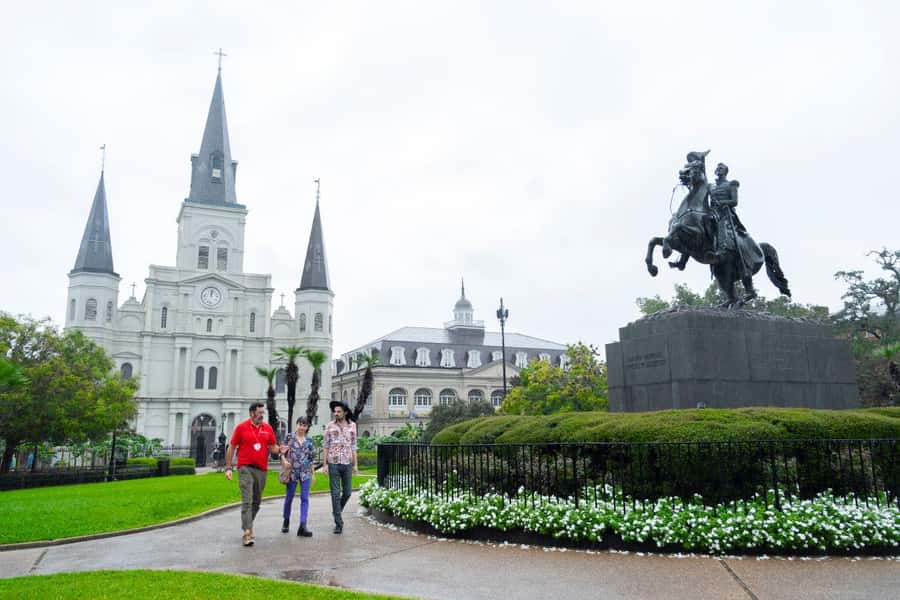
- Jackson Square start: you meet at the Andrew Jackson statue, right where the Quarter’s energy begins
- French Market sampling hour: a focused block of tastings in America’s oldest public market
- Gumbo with context: you’ll hear why gumbo sparks arguments and how versions vary across New Orleans
- Praline finale: a sweet finish made with locally grown pecans and sugarcane
- Small group size: capped at 12 for more back-and-forth and personalized attention
- Food adds up to a meal: 4 food stops and 5 samples, with the total designed to equal a full meal
2.5 hours, $89, and why this feels like real value
At $89 per person, this tour isn’t a cheap snack loop. It’s priced more like an organized food-and-history intro to the French Quarter, with guided stops and multiple tastings that are intended to add up to a full meal’s worth of food. That’s the key idea: you’re not paying for one highlight. You’re paying for a sequence.
The small group size (maximum 12) also changes the feel. In a bigger crowd, you’d spend your time weaving and catching up. Here, you’re more likely to get direct answers, faster explanations, and a guide who can notice if anyone needs a moment.
Duration matters too. Two and a half hours is short enough to fit right into a first day (or a lunch break), but long enough to cover the Quarter’s main sights and still include real tastings.
You can also read our reviews of more tours and experiences in New Orleans.

Meeting at Jackson Square: the smart way to orient yourself
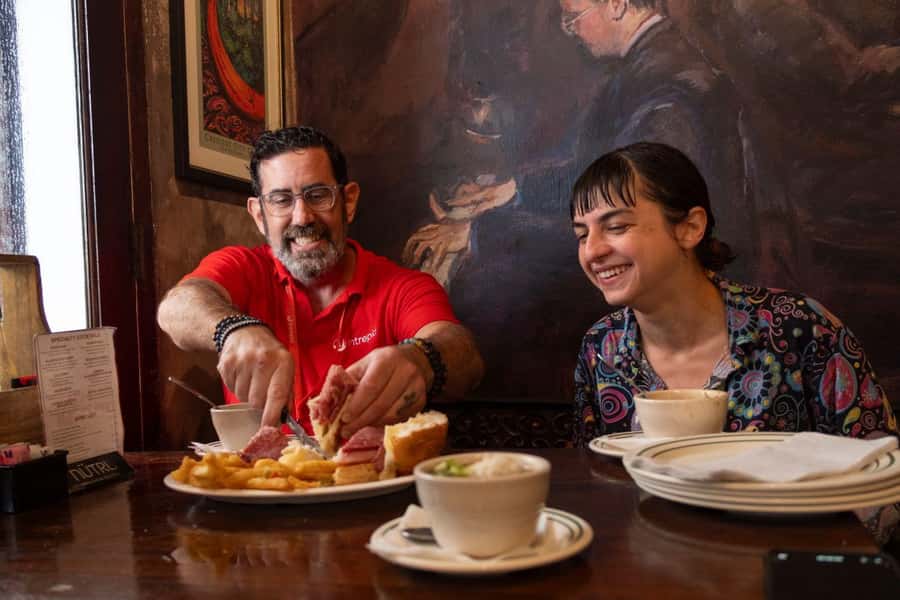
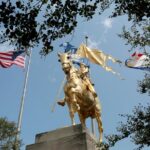
You start at Jackson Square, next to the Andrew Jackson statue. It’s a good meeting point because it’s central, easy to find, and it gives you a quick “big picture” anchor before you start wandering.
From there, you’ll move into guided sightseeing alongside the food stops. That blend is the whole point: you taste your way through the Quarter, but you also learn what you’re looking at—cathedrals, civic buildings, and the market that shaped daily life.
If you’re the type who likes to understand a place before you start snapping photos, this approach works well. You’ll know what the buildings are and why people historically cared about them—then you’ll connect that context to what you eat.
Cabildo, St. Louis Cathedral, and Presbytere: the sights that explain the city’s layers
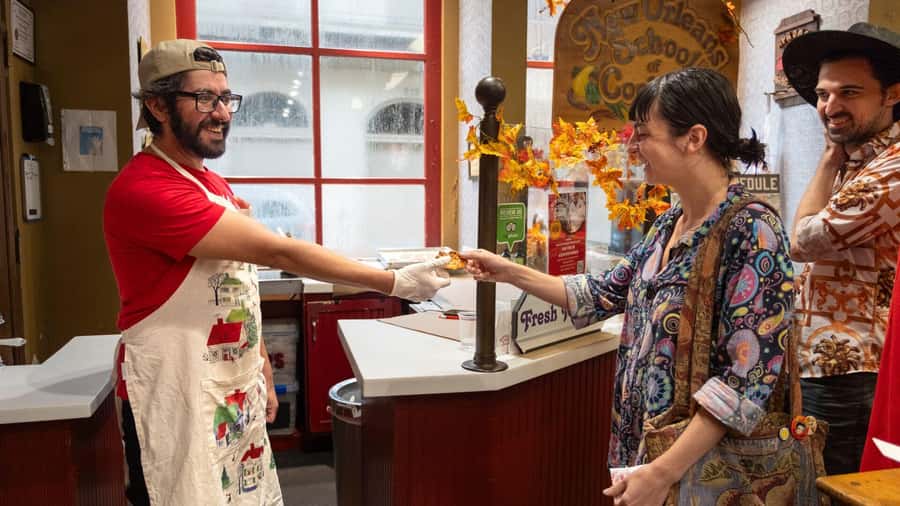
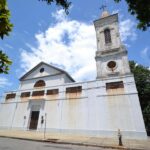
This is more than a “walk and eat.” You also get guided visits at three major landmarks: the Cabildo, St. Louis Cathedral, and Presbytere.
- The Cabildo stop gives you a civic anchor. It’s the kind of building that helps you understand that New Orleans isn’t only about music and food—it’s also about institutions and local power.
- St. Louis Cathedral is the emotional and architectural centerpiece. Seeing it while the guide ties it to the wider story helps you place the Quarter’s cultural mix into something more concrete than a postcard.
- Presbytere rounds out the trio, so you’re not just passing by major landmarks. You’re being pointed toward what matters, then you move on to market and tastings.
Even if you’ve visited New Orleans before, I’d still consider these guided stops worthwhile. They give you a framework for the food later. When someone explains why a dish exists, you notice flavors differently.
French Market hour: where your tastings turn into a plan
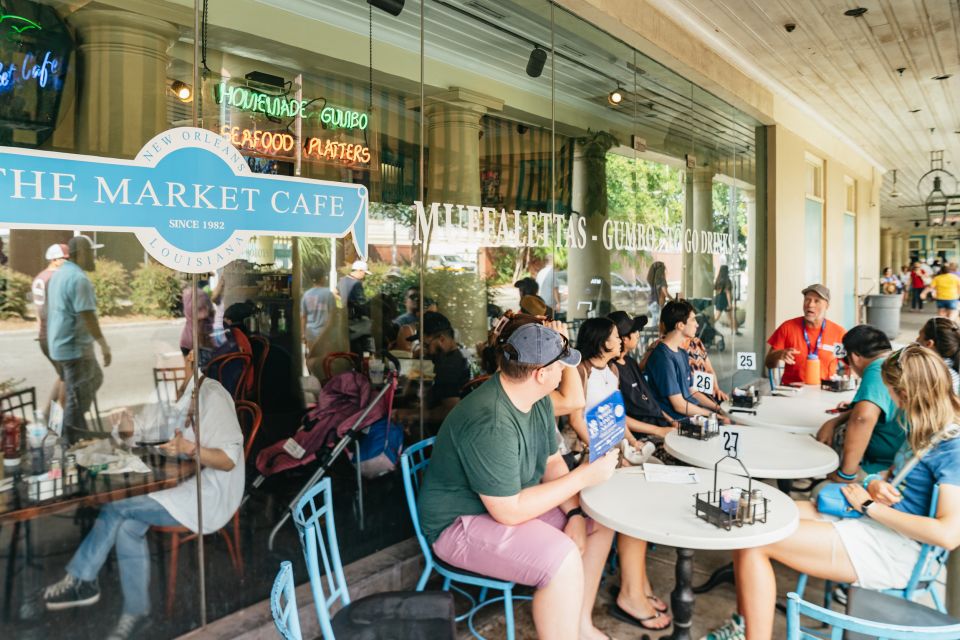
One stop you’ll really appreciate is the French Market visit—about an hour of guided time that includes sightseeing, walking, food tasting, and a market visit. You’ll get samples while you’re inside the market atmosphere, not after you’ve left it behind.
This is also where you meet the local texture of the Quarter in a way that’s hard to recreate on your own. The French Market is the kind of place where sellers and visitors keep the energy moving. Your guide acts like a translator: they help you understand what you’re tasting and why it fits the New Orleans pattern.
Expect the sampling to be designed, not random. Food options and exact stops can vary by season, but the tour structure is built so the total amount of included food equals a full meal.
If you tend to get overwhelmed by choices, the market hour is a stress-reducer. You’re given a pathway, and you just follow it.
Gumbo, with the argument baked in
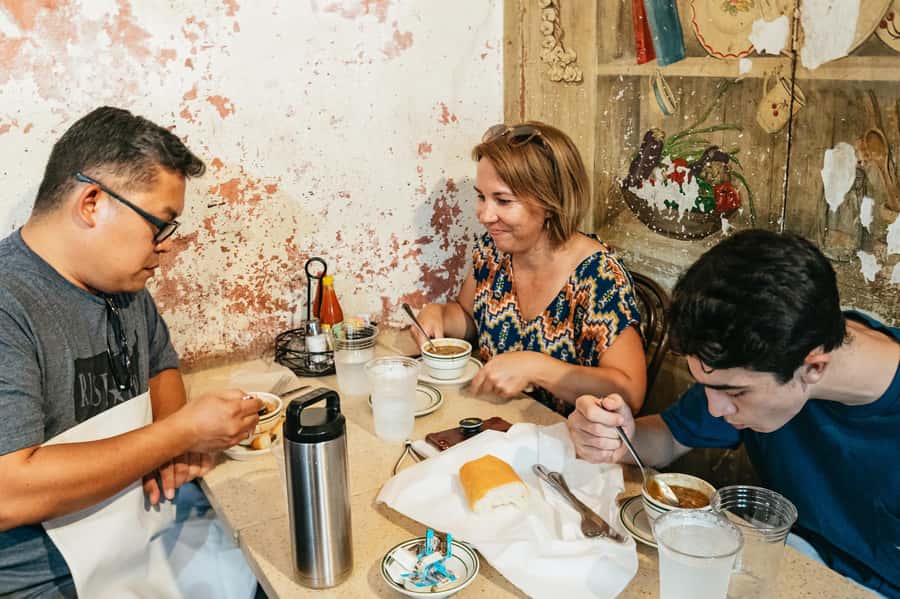
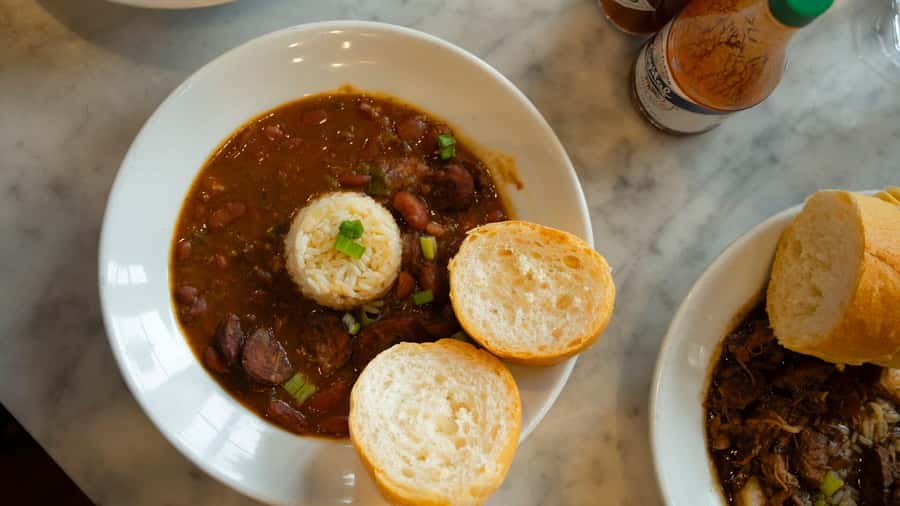
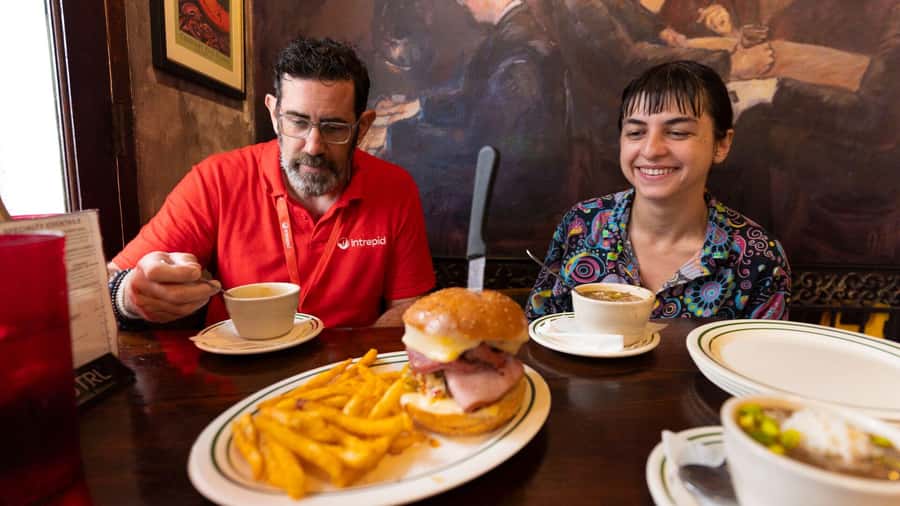
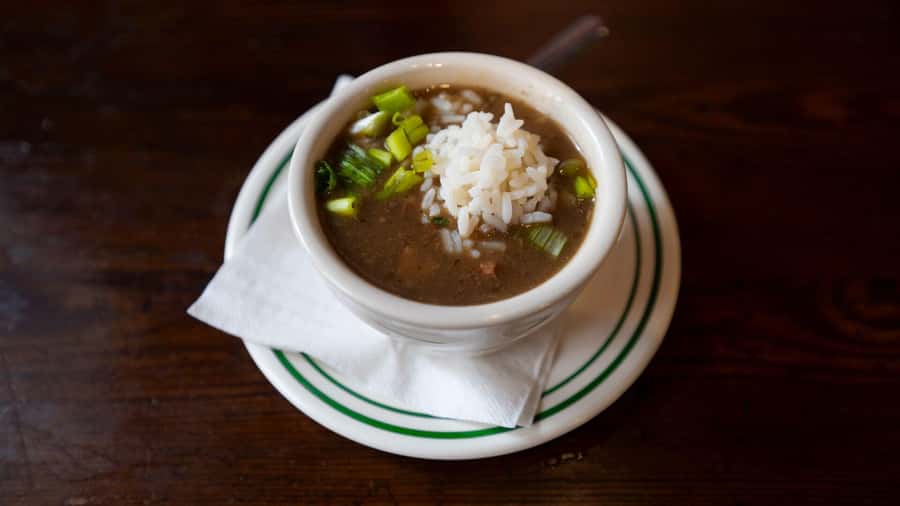
No French Quarter food tour is complete without gumbo, and this one treats it like more than a bowl on a menu. You’ll dig into a cup of gumbo and hear about the spicy debate behind it—how different cooks defend their version, and why gumbo can change from one neighborhood or family to another.
What I like about this approach is that it makes gumbo feel less like a single recipe and more like a living tradition. You don’t need to know the whole history to get it. You just need context for why there’s disagreement. That turns a tasting into a conversation you can carry with you after the tour.
Also, notice the wording: you’re tasting a cup. This is important. You’re not getting stuffed and then forced to keep walking. You’re getting enough to recognize the flavor profile, while still saving room for the next stops.




French Quarter wandering: more than beignets, even when beignets lead
You’ll start with a beignet, New Orleans’ famous deep-fried sweet, before the tour broadens into more traditional dishes. Beignet first makes sense. It’s iconic, it’s easy to understand, and it gets your taste buds awake for the savory stuff that follows.
After that, your route includes another block of French Quarter guided walking with food tasting (about an hour). This section is where the tour can include other classic favorites you might see on menus—things like gumbo plus additional Cajun-style comfort and sandwich-style local bites. One reason this works so well is that the guide connects each item to the broader regional mix, not just the restaurant.
In other words, you’ll taste, then you’ll understand what kind of New Orleans cooking you’re actually eating.
Praline finale: pecans and sugarcane do the sweet work
The last stop lands on something very New Orleans: praline made from locally grown pecans and sugarcane. It’s a fitting ending because it shifts the tour from savory intensity to sweet closure.
Praline is also a good example of how the Quarter’s food can feel both simple and specific. A sweet made with local ingredients doesn’t need to be complicated to be memorable. The guide’s explanation is what helps it stick.
If you’re the kind of traveler who wants one or two things you’ll remember long after you leave, this is it. Sweet endings are memorable because you’re not fighting the heat, walking, and noise anymore—you’re just finishing.
Sustainability and the vibe: a B Corp touch and practical comfort
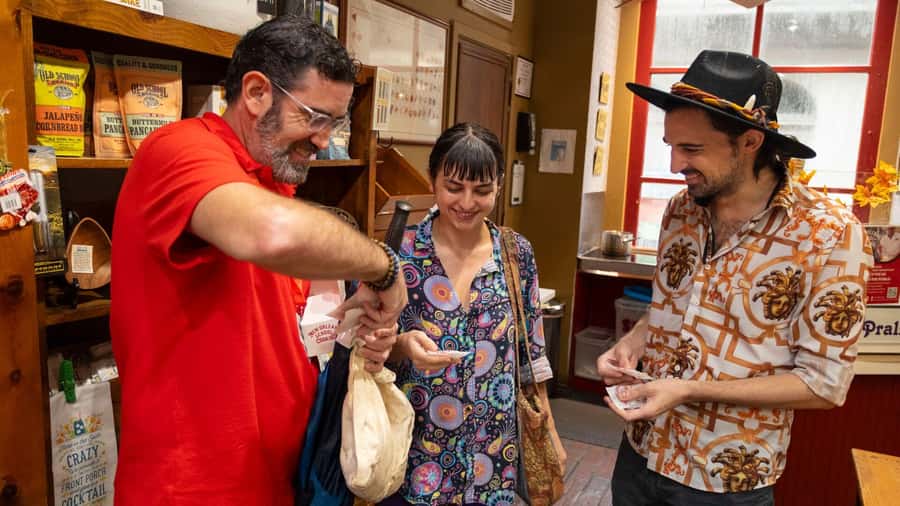
The tour is carbon neutral and operated by a B Corp certified company. That doesn’t change the taste of gumbo, of course, but it does signal something about the company’s priorities, which I appreciate when I’m choosing between tours.
Comfort can matter in New Orleans, especially in hot weather. In feedback tied to this tour, guides are praised for looking out for shade, water, and even A/C when needed. I wouldn’t assume that every day is identical, but it’s a good sign that the guide team takes comfort seriously.
Guide quality is the real differentiator
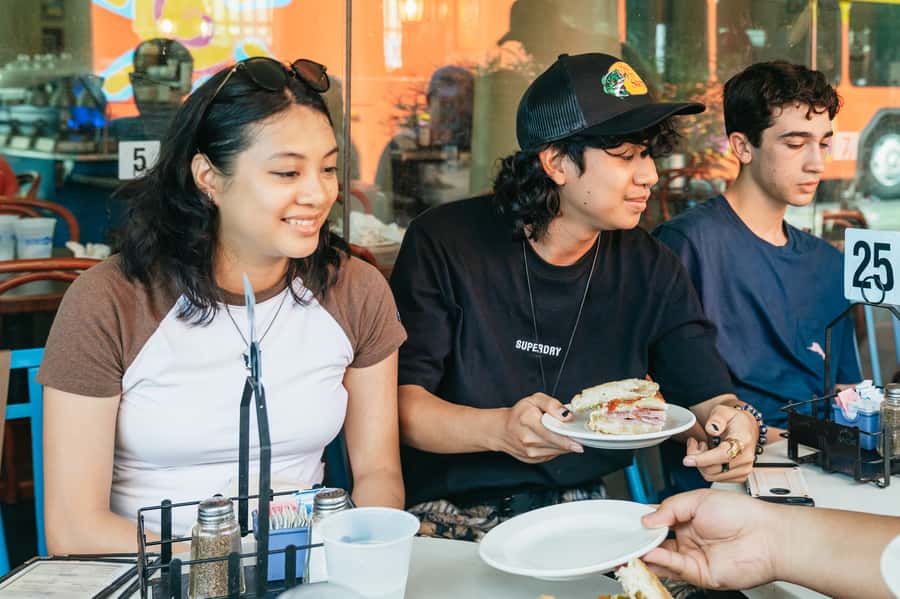
Lots of tours promise history and food. What separates this one is the guide’s storytelling, and the evidence shows up in the names people mention—Neil, Kaffey, Chip, Pepe, and Denise appear repeatedly in feedback. The common thread is that they don’t just read facts. They connect the dishes to where they came from and how the city’s culture shaped them.
You’ll likely leave with:
- a better sense of how Creole and Cajun influences show up on menus,
- a clearer idea of why people debate gumbo,
- and a few pronunciation and order-style tips you can use when you eat again on your own.
And since this is a small group capped at 12, you’re not just a passive listener. You can ask questions and get answers that actually fit what you’re holding in your hand.
What’s included (and what isn’t) so you don’t get surprised
Included:
- guided walking tour with a local English-speaking guide
- 4 food stops and 5 food samples
- the tour is designed so the total food included equals a full meal
Not included:
- drinks (so you’ll want to plan for bottled water or a drink on your own if you want one)
- additional food beyond what’s part of the planned samples
Because food options and portion sizes can vary by season and exact stops, treat it like a flexible plan rather than a fixed menu. The good news is the tour keeps the total amount of included food consistent with a full meal.
Diet note: the tour features visits to places that are not always able to cater for vegetarians and other dietary requirements. If that applies to you, I’d treat this as a “check first” situation rather than a “hope for the best” one.
Who should book this tasting tour?
This is a great fit if you:
- want a first-day orientation to the French Quarter without planning every stop,
- like learning the story behind what you’re eating,
- enjoy a structured route but still want personalization through a small group.
It’s also ideal if you’d rather do a short, guided walking experience than spend your day figuring out where to eat, what to order, and how much to pay.
If you’re on a strict diet or need reliable vegetarian options, you’ll need to think twice. The tour can’t guarantee dietary accommodation across all stops.
Practical tips so you enjoy every bite
- Eat breakfast lightly, not heavily. The included food is designed to equal a full meal, and the tour stretches across multiple stops.
- Wear shoes you can walk in comfortably. You’ll be out in the Quarter and you’re moving between sights and tastings.
- Bring a water plan. Drinks aren’t included, though comfort help may happen depending on the guide and conditions.
- If you have allergies or dietary needs, plan ahead. Since not every stop can cater, you’ll want clarity on what’s possible before you go.
Should you book this French Quarter tasting tour?
Yes, if you want a guided, small-group intro that turns the French Quarter into something you understand through food. At $89, the value comes from the full sequence: guided sightseeing plus multiple tastings that add up to a full meal, capped with praline made with locally grown pecans and sugarcane.
I’d skip it or research it more closely if you need consistent vegetarian or other dietary accommodation, because the tour can’t promise that every venue will be able to handle it.
If your goal is to get your bearings fast and leave with full “how New Orleans tastes” context, this one is an easy win.
FAQ
How long is the New Orleans French Quarter food tour?
It runs for about 2.5 hours.
Where do I meet the guide?
Meet your guide at Jackson Square next to the Andrew Jackson statue.
How many people are in the group?
The tour is limited to a maximum of 12 passengers.
What food is included in the tour price?
You get 4 food stops and 5 food samples. You can expect items such as beignet, gumbo, and praline, plus other local dishes depending on the day and season.
Are drinks included?
No, drinks are not included.
Do they accommodate vegetarian or other dietary requirements?
The tour visits establishments that are not always able to cater for vegetarians and other dietary requirements, so you should plan carefully if you have restrictions.
Is the tour good for children?
Yes, it’s child-friendly. Children under age 6 can join for free.
What if I need to cancel?
You can cancel up to 24 hours in advance for a full refund.
Is the tour carbon neutral?
Yes. It’s listed as carbon neutral and operated by a B Corp certified company committed to using travel as a force for good.