REVIEW · NEW ORLEANS
New Orleans: 9th Ward Hurricane Katrina History Tour
Book on GetYourGuide →Operated by Treme Luxury Experience Tours & Transporation · Bookable on GetYourGuide
Katrina still shapes the blocks. This small van tour takes you through the Ninth Ward and other hard-hit areas, guided by a local with deep neighborhood ties and the kind of context you only get from someone who lived it—at least in part—alongside New Orleans’ recovery. If you want more than headlines, the stops are aimed at the places where the city’s fate changed.
I especially love how Hollis blends personal, lived-in perspective with clear, objective explanation of what happened and what followed. I also like that the tour hits multiple “layers” of the story: the physical damage points, the memorial space, and the rebuilding efforts you can still see today.
One thing to consider: the route is flexible, so the exact stops (or specific viewpoints) can shift due to weather, construction, or local events. If your schedule is tight, it’s smart to keep expectations flexible for a smooth hour.
In This Review
- Key highlights that make this tour worth your time
- The Ninth Ward is where Katrina turns into a neighborhood story
- Hollis on the mic: why the guide matters more than the vehicle
- Levee breach viewpoints along the Mississippi River and Lake Pontchartrain
- Old St. Claude Hospital and the Katrina memorial: a stop that asks you to slow down
- Make It Right homes: rebuilding efforts you can actually see
- Musicians’ Village: culture returning with scars still visible
- Fats Domino’s home: a reminder that the story goes beyond tragedy
- How the one-hour format works for real understanding (and when it doesn’t)
- Practical tips I’d use before you go
- Who this Ninth Ward Katrina history tour is best for
- Should you book this tour?
- FAQ
- How long is the Ninth Ward Hurricane Katrina history tour?
- How much does it cost?
- How many people are in the group?
- Where do we meet for the tour?
- Does the route stay the same?
- Can I get a refund if my plans change?
Key highlights that make this tour worth your time
- A local guide named Hollis who ties Katrina facts to everyday neighborhood life
- Levee breach viewpoints tied to the Mississippi River and Lake Pontchartrain
- Hurricane Katrina Memorial at Old St. Claude Hospital in the Ninth Ward area
- Rebuilding projects on the ground such as Make It Right homes and Musicians’ Village
- A stop connected to Fats Domino’s home, a reminder of culture beyond disaster
- Small group size (up to 7), so questions don’t get lost
The Ninth Ward is where Katrina turns into a neighborhood story
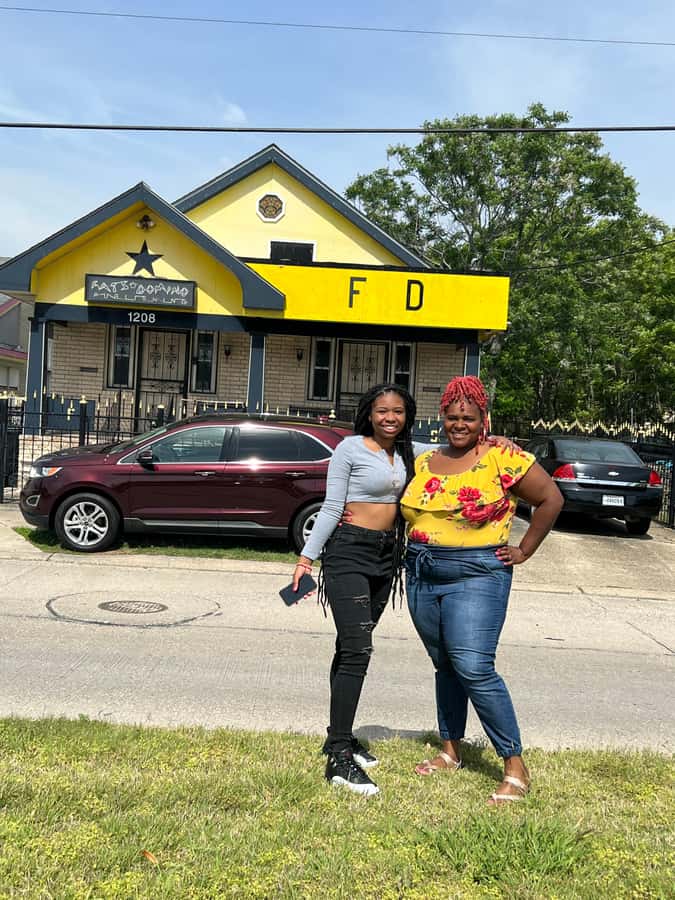
The Ninth Ward isn’t just a chapter in a textbook. It’s a set of streets, homes, and community rhythms that got interrupted in a brutal, sudden way. On this tour, the emphasis stays on the long aftermath, not just the initial flood-and-fire version of the story that fits neatly on a news segment.
You’ll also notice how the tour format supports understanding. With a van and a guided route, you get to connect the dots between physical locations and human impact. It’s not an all-day crawl through distant sites. Instead, it’s focused, efficient, and built around the places that still carry meaning in everyday New Orleans life.
And yes, you’ll see recovery. But the recovery is shown honestly: in stages, in patches, and with reminders that rebuilding is not the same thing as erasing loss. That tone helps you understand why people in New Orleans talk about Katrina with both grief and determination.
You can also read our reviews of more historical tours in New Orleans



Hollis on the mic: why the guide matters more than the vehicle
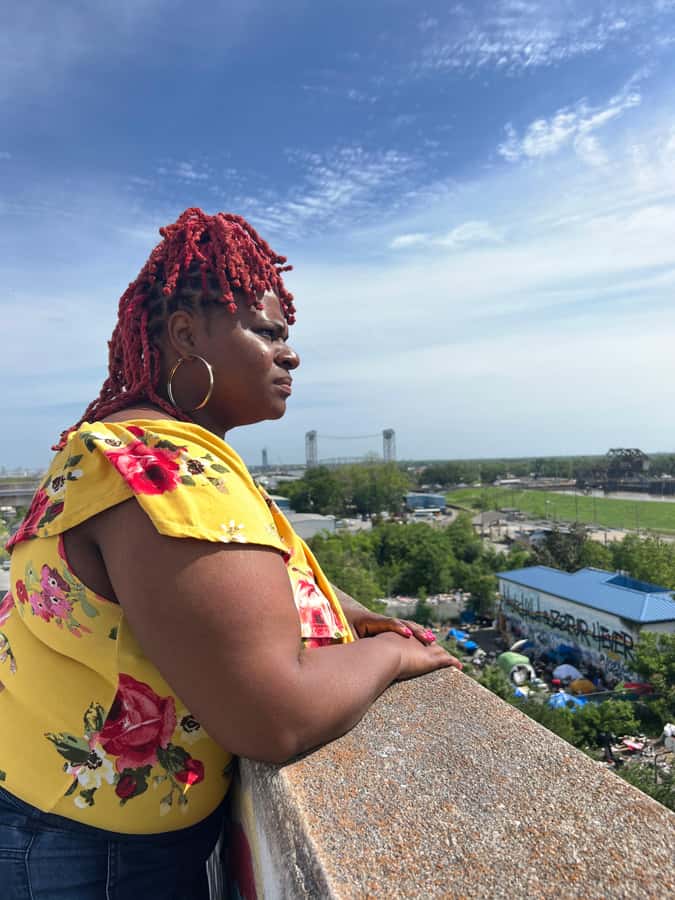
This tour’s biggest advantage is the guide. Multiple write-ups highlight Hollis as a local pillar who doesn’t just recite facts. He shares real stories, then frames them in a way that helps you make sense of the wider picture—how decisions and systems affected the neighborhood, and how residents experienced the consequences.
I like that the tone is both personal and structured. You’re not left with emotion alone, and you’re not treated to detached history either. Several accounts say Hollis used photos while driving and explained how high the water was, then connected that to what residents were dealing with before and after.
The other practical win: small group. With a limit of 7 participants, Hollis can answer questions as you go. That turns the tour into a conversation, especially if you’re curious about why certain areas recovered faster than others, or how community life looks two decades later.
Levee breach viewpoints along the Mississippi River and Lake Pontchartrain
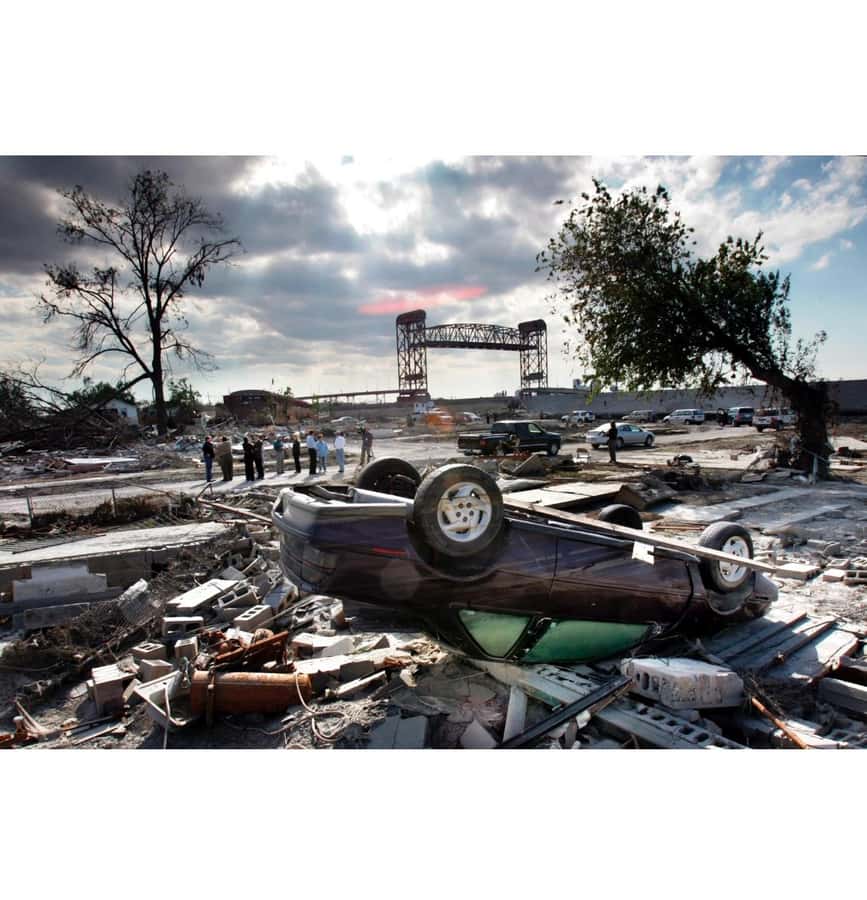
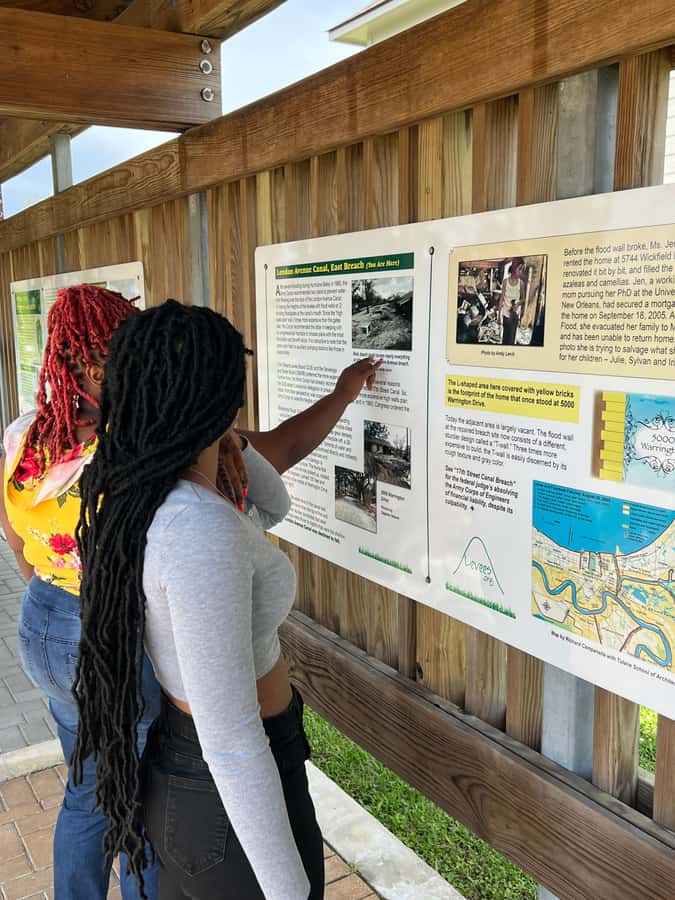
A key part of this tour is seeing sites tied to the most catastrophic levee breaches—specifically along the Mississippi River and Lake Pontchartrain. This is where the story becomes physical. Instead of learning about water on a map, you’re looking at the kind of geography that shaped how flooding moved.
What makes these stops useful is that they’re tied to explanation. In accounts of the tour, Hollis points out locations linked to the incoming water and discusses how it affected homes and streets. Some visitors also describe seeing foundations left from homes that once stood. That’s the brutal reality behind the words levee failure—buildings, blocks, and daily life were changed fast.
Drawback to keep in mind: because the tour route can be adjusted, you might not see every exact view you pictured when you booked. Still, the core focus stays the same: you’re being guided to the locations that anchor the Katrina story in the landscape of the city.
Old St. Claude Hospital and the Katrina memorial: a stop that asks you to slow down
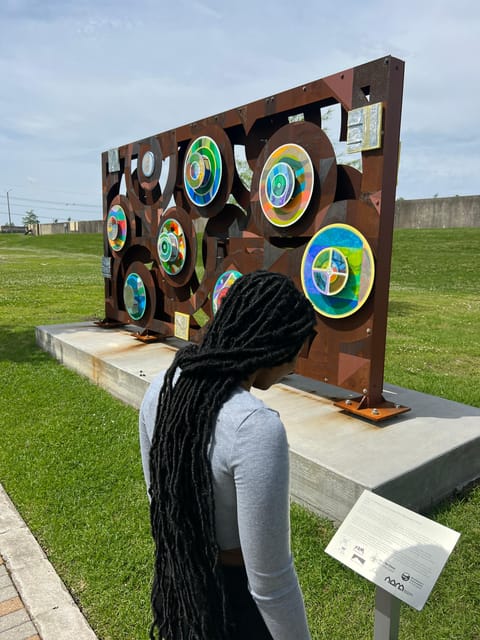
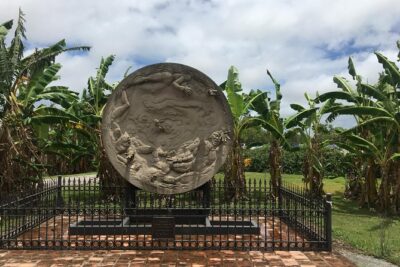
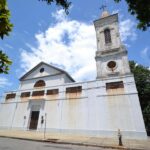
The emotional center of the tour is the Hurricane Katrina Memorial located at Old St. Claude Hospital in the Ninth Ward area. This is the kind of stop where the point isn’t photos-for-everyone. It’s remembrance and respect.
What I’d expect here: the guide helps set context so you understand why the memorial is placed where it is, and how it relates to the neighborhood that lived through the crisis. Several write-ups specifically call out that this is a meaningful, respectful moment—less about checking a box, more about grounding what you’ve just learned with a public space for remembrance.
If you’re the type who handles heavy history well, this stop will feel like the tour’s emotional punctuation. If you’re not, give yourself permission to take it slowly. Standing quietly for a moment can do more than trying to consume every detail in one pass.
Make It Right homes: rebuilding efforts you can actually see
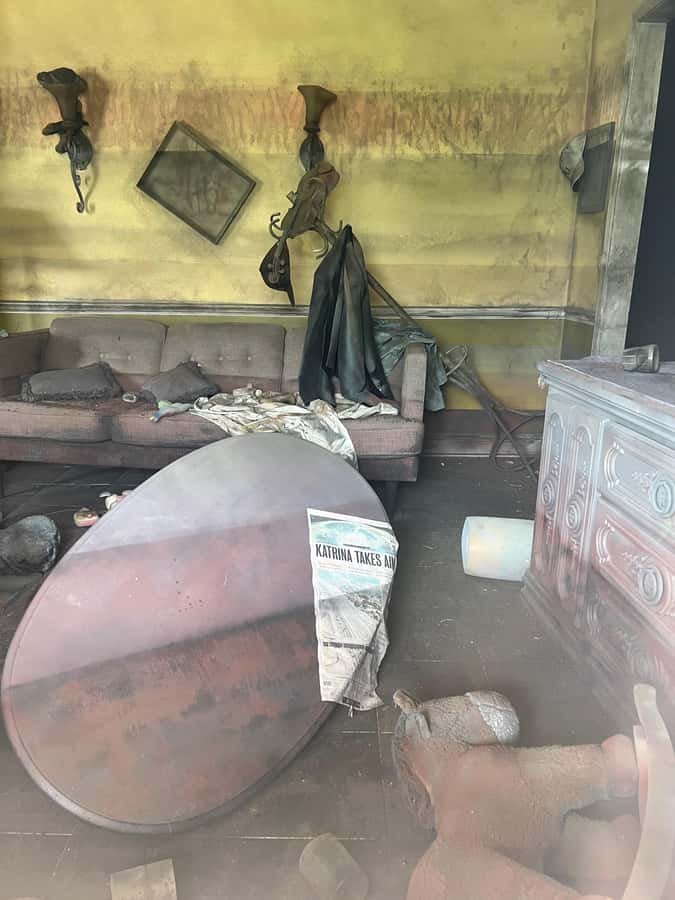
After the memorial, the tour shifts toward recovery on the ground. One of the named rebuilding stops is Make It Right homes. This is a chance to see what people built after the storm and what that effort looked like in real life, not just as an idea.
Why this matters: Katrina didn’t end with the floodwater. It ended up as decisions—what got built, where people returned, what stayed abandoned, and what new plans tried to do in a changed city. Seeing a rebuilding project in person helps you understand how recovery can be tangible even when it isn’t evenly experienced.
In many cities, you can drive past redevelopment without thinking. This tour is set up to make you look closely. Hollis’s explanations help connect the physical site to the human story behind it, and you get a better sense of what “recovery” means in the Ninth Ward, where the timeline stretched long after the cameras moved on.





Musicians’ Village: culture returning with scars still visible
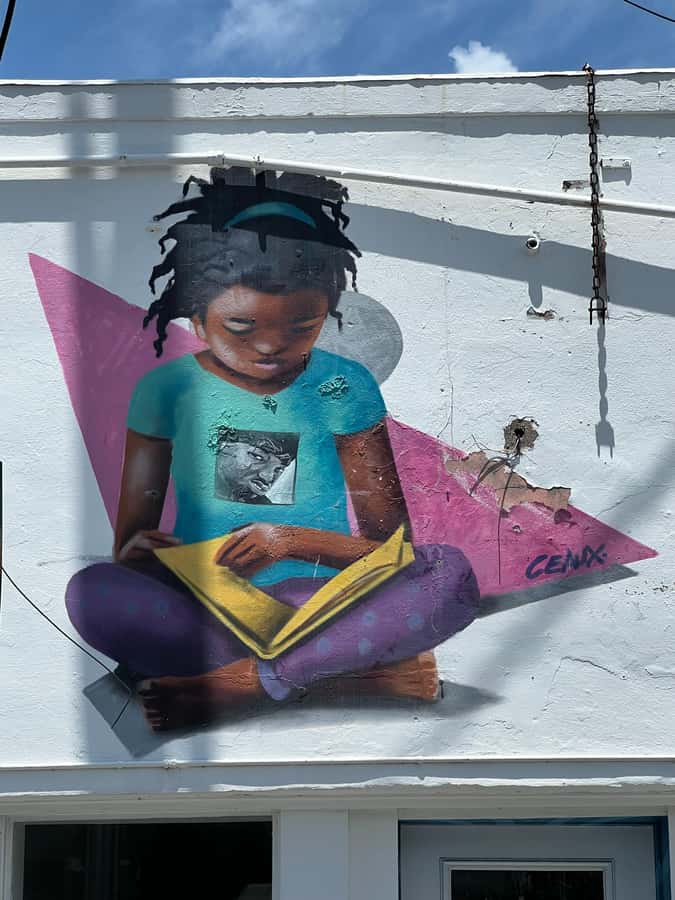
Another specific recovery stop is Musicians’ Village. New Orleans is music on the surface, and resilience underneath. Katrina hit culture too—people, venues, jobs, and gathering places. So seeing this kind of project on the route feels less like sightseeing and more like proof that the city’s identity kept trying to re-form.
This is also one of the smartest “value” choices in a short one-hour experience. You’re not only learning about disaster. You’re seeing how New Orleans tries to keep making a future. And because the tour is guided, you’re not left guessing what you’re looking at.
Potential drawback: since the tour is only one hour, the stops can include drive time and quick photo moments. You’ll likely leave with a strong sense of direction and context, but not the level of slow, lingering observation you might want if you were planning a longer day focused only on restoration sites.
Fats Domino’s home: a reminder that the story goes beyond tragedy
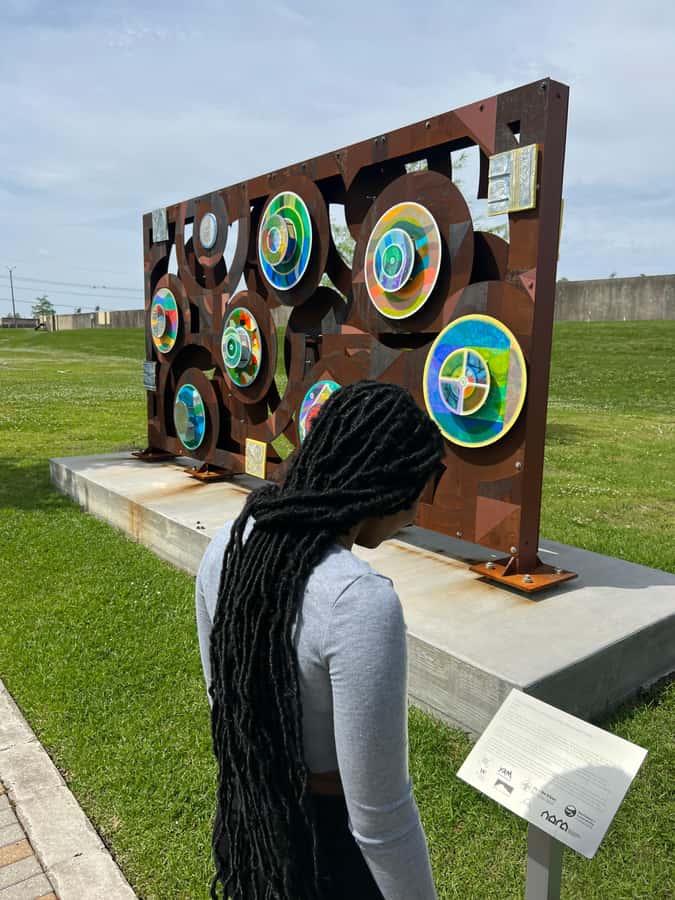
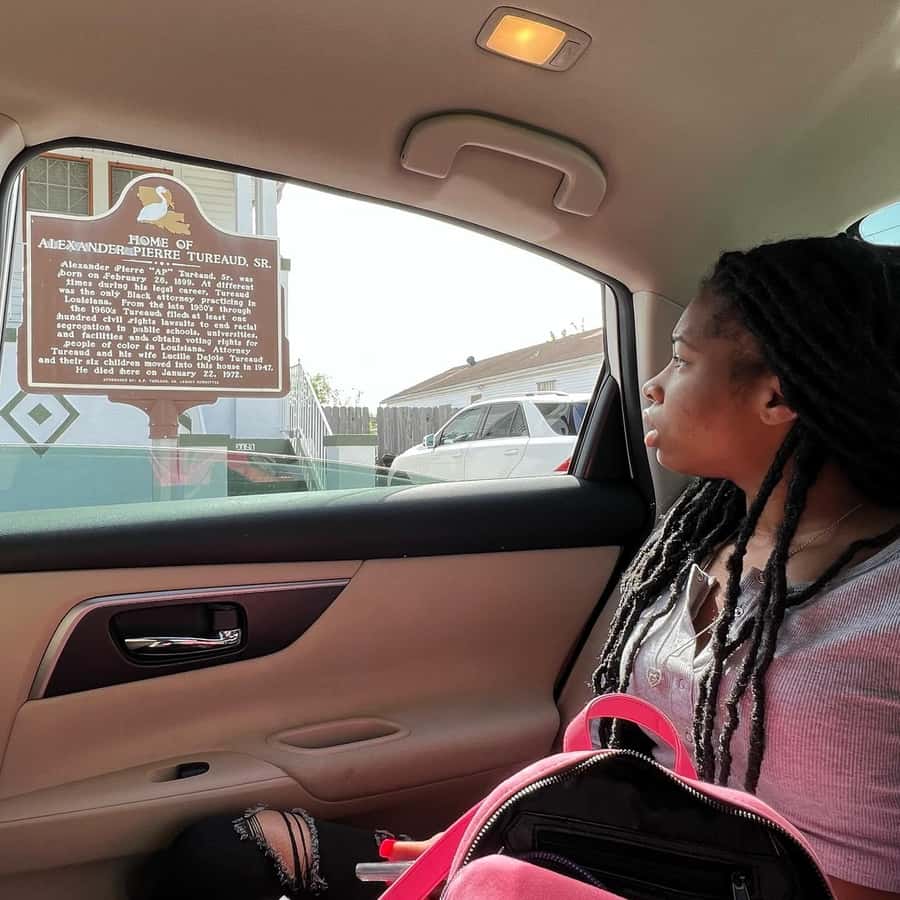
The tour also includes a stop at Fats Domino’s home. It’s a culture marker, and I like that the tour doesn’t let Katrina be the only lens. Fats Domino is part of New Orleans’ musical identity, and including his home helps you remember what existed here before the storm—and what still matters after.
This stop works especially well if you’re doing New Orleans sightseeing with multiple priorities. The French Quarter and the streetcars can be pure fun. But Katrina history adds depth, and a cultural landmark like this gives that depth a heartbeat.
You might find this section lighter in tone than the memorial. That balance matters because it prevents the experience from turning into only grief. You leave understanding both the harm and the continuing spirit.
How the one-hour format works for real understanding (and when it doesn’t)
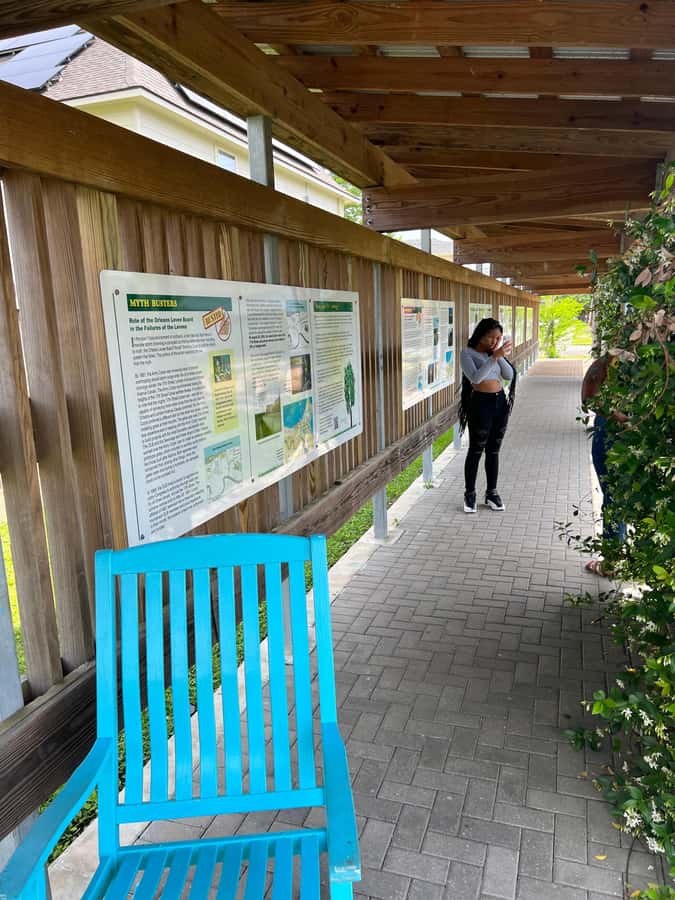
At $25 per person and about one hour, this tour sits in a sweet spot for visitors who want Katrina context without sacrificing a whole day. The small group size (up to 7 participants) helps the short duration feel more like a guided lesson than a rushed checklist.
Here’s the trade-off: one hour limits how much time you can spend at each stop. The experience is designed for key viewpoints and key locations, with some areas where you can stop and wander or take pictures. That works well if your goal is perspective and clarity. It doesn’t work as well if you’re hoping for deep, step-by-step historical analysis at one site for a long time.
If you’re the kind of person who likes to ask lots of questions, the group size helps. One write-up notes that attendees were able to discuss Katrina with the guide and with each other, which is exactly what you want in a short tour: the conversation makes the time feel bigger than sixty minutes.
Practical tips I’d use before you go
Because the tour route can change, you should treat the schedule as guided flexibility rather than a fixed script. Plan to be ready for the van route to shift depending on conditions.
Also, meeting-up details matter. The tour requires you to call to confirm the meeting location the day before. One account suggests the meeting location can be a bit tricky—like being at a restaurant building with multiple entrances—so I’d treat that confirmation call as non-negotiable. Ask which entrance or side you should use, and arrive a few minutes early so you’re not circling after you’ve already waited.
Finally, since the tour covers serious subject matter, it’s okay to come with a light plan for your afternoon. Don’t overbook immediately after if you know you get emotionally affected by history. You’ll likely want some quiet time to process.
Who this Ninth Ward Katrina history tour is best for
This tour is ideal if you:
- Want a small-group guide-led experience focused on Katrina’s impact in the Ninth Ward
- Prefer a mix of memorial, geography, and recovery projects in a short timeframe
- Like learning from a local guide named Hollis who can explain what you’re seeing and why it matters
- Are pairing Katrina history with classic New Orleans sightseeing and want the context that makes the city click
It may be less ideal if you:
- Need every stop to match a strict checklist, with zero flexibility
- Want multi-hour, slow museum-style history sessions
- Prefer tours that are less emotionally direct
Should you book this tour?
Yes, I think you should book it if your goal is understanding Katrina as a neighborhood story, not just a disaster headline. The value is strong for the price because you get access to multiple meaningful locations in one hour, guided by someone with real community ties and the ability to answer questions on the spot.
If you’re sensitive to heavy history, go in with care and give yourself time to reset afterward. And if you’re picky about exact stop order, remember the route can change, and some stops may be swapped for alternatives based on local conditions.
FAQ
How long is the Ninth Ward Hurricane Katrina history tour?
The tour duration is listed as 1 hour. Starting times vary, so you should check availability for the schedule.
How much does it cost?
The price is $25 per person.
How many people are in the group?
The group is limited to 7 participants, and it’s led by a live English-speaking guide.
Where do we meet for the tour?
You’re asked to call to confirm the meeting location the day before the tour. The tour ends back at the same meeting point.
Does the route stay the same?
The route is flexible and may change due to weather, construction, or local events. Some stops, including specific historical sites, might be substituted with alternative locations.
Can I get a refund if my plans change?
Free cancellation is available up to 24 hours in advance for a full refund.