REVIEW · NEW ORLEANS
New Orleans Jazz Walking Tour
Book on Viator →Operated by Tours By NOLA - New Orleans Local Artists · Bookable on Viator
Jazz legends, mapped by foot. This New Orleans Jazz Walking Tour strings together Louis Armstrong Park, the Jazz Museum tied to Louis Armstrong, Congo Square, and ends on Frenchmen Street for live music.
I like the way it pins jazz to real people you can point at—Louis Armstrong, Jelly Roll Morton, and Charles Buddy Bolden among them—plus the landmarks that explain why they mattered. I also like that the licensed NOLA guide brings the sound to the streets, and you may hear it referenced through music examples (guides like Robin and Harris Parson show up in the guide lineup).
The main thing to plan for is simple: you’ll be standing a lot, and the tour is weather-dependent, so bad conditions can change plans.
In This Review
- Key things that make this tour worth your time
- A 2-hour walk built around four places that shaped jazz
- Stop 1: Louis Armstrong Park and the pioneer stories you can see
- Stop 2: The New Orleans Jazz Museum at St. Pierre Hotel
- Stop 3: Congo Square and the Treme thread
- Stop 4: Frenchmen Street and the live jazz pay-off
- What you get from a NOLA local guide (and why it matters)
- Price and value: $35 with free admissions and a live-music finale
- Logistics that actually affect your comfort
- Who should book this jazz walking tour
- Should you book?
- FAQ
- FAQ
- Where does the tour start?
- Where does the tour end?
- How long is the New Orleans Jazz Walking Tour?
- What is the price?
- Is live jazz included?
- Are the admissions included?
- What language is the tour offered in?
- What kind of fitness level do I need?
- Do I need to bring snacks?
- What happens if weather is bad?
Key things that make this tour worth your time
- Free admission stops (you’re not paying extra as you move between key sites)
- Louis Armstrong Park’s pioneer monuments and dance-hall connections
- The New Orleans Jazz Museum linked to St. Pierre Hotel and Armstrong
- Congo Square’s sacred-ground story, plus context for Treme
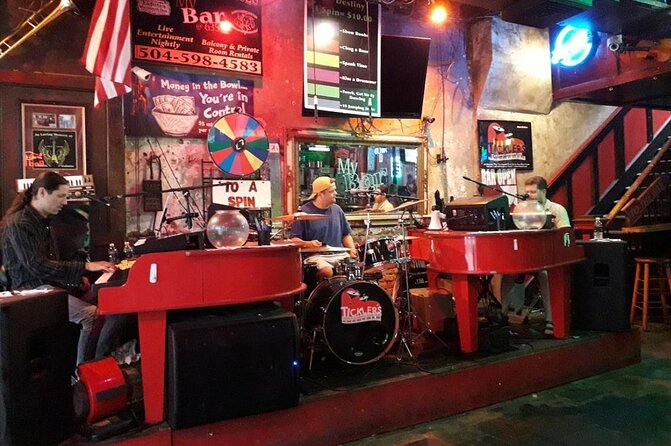
- Frenchmen Street live music, with well-known venues like Snug Harbor, Maison, and the Spotted Cat
- Small-group feel with a maximum of 28 people
A 2-hour walk built around four places that shaped jazz
For $35 per person, this tour gives you a focused run through some of the most jazz-relevant ground in New Orleans without turning the day into a scavenger hunt. The route is designed to be about two hours total, and you’ll move step by step between landmarks tied to early jazz pioneers and the places where the city’s music culture gathered.
You start at Louis Armstrong Park (701 N Rampart St) and finish on Frenchmen Street (near the live-music strip). You get a mobile ticket, and the tour is offered in English, which makes it easy to read the plan ahead of time.
A practical heads-up: the tour requires moderate physical fitness and says you must be able to stand for a long period of time. If your legs need frequent breaks, you’ll want to plan your day so you’re not already running on empty.
Group size is kept to a maximum of 28. That’s big enough to feel social, but small enough that you can still ask questions and hear the guide without competing for attention.
You can also read our reviews of more walking tours in New Orleans



Stop 1: Louis Armstrong Park and the pioneer stories you can see
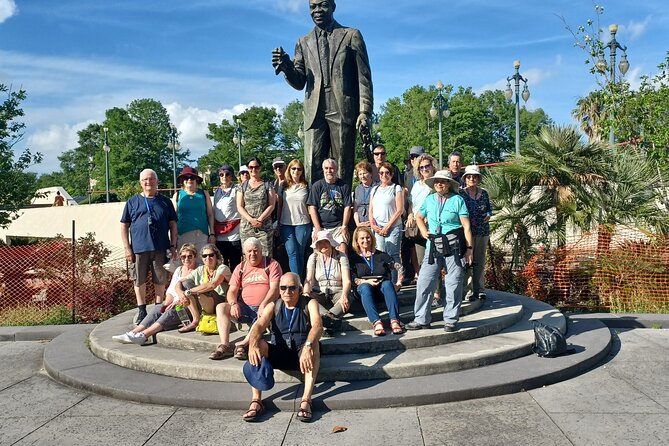
Louis Armstrong Park is a smart first stop because it sets the tone fast: jazz isn’t treated like a museum piece here. You’re directed toward monuments and locations connected to early jazz figures and even the early dance-hall world that helped the music travel.
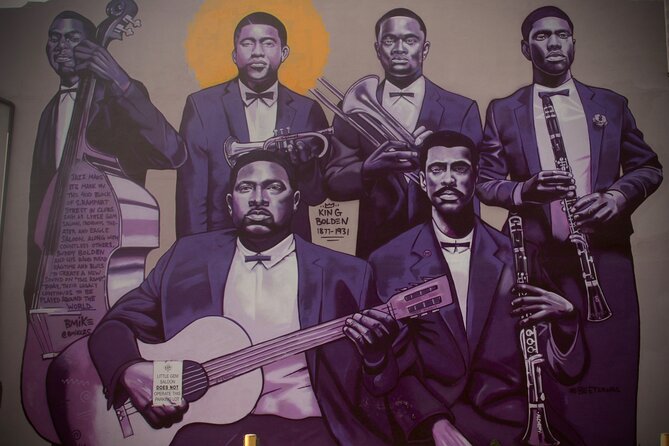
Expect about 40 minutes at this first stop. The guide connects the dots between the people and the physical space around you, naming legends like Louis Armstrong, Jelly Roll Morton, and Charles Buddy Bolden, plus others. It’s one thing to know names from records. It’s another to stand in a place where the city honors those origins with monuments and public memory.
One reason I’d put this first is pacing. By the time you hit later stops—Congo Square and then the museum—you’ll already have a baseline for what the guide is talking about. If you’re the type who likes to understand why a location matters (not just that it exists), this start works.
Admission at this stop is free. That matters because it keeps the total cost locked in—no surprises once you’re standing there with your shoes tied.
Stop 2: The New Orleans Jazz Museum at St. Pierre Hotel
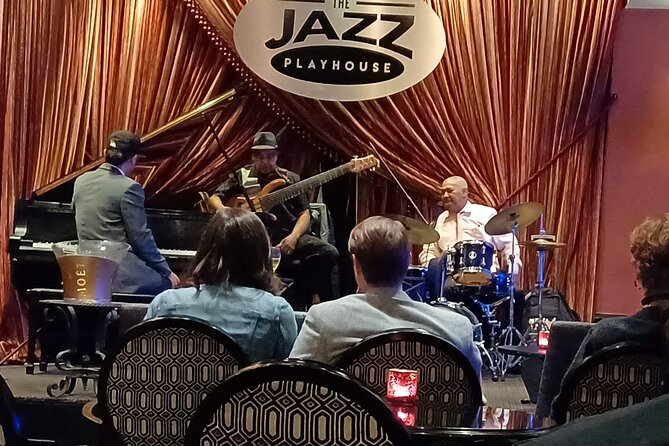
Next comes the New Orleans Jazz Museum connection, tied to the St. Pierre Hotel, where Louis Armstrong stayed when he performed in New Orleans. This stop runs about 40 minutes, and it’s a great place to switch from “streets and symbols” to “context and details.”
The value here is the location link. Seeing jazz history paired with the actual hotel connection helps the story feel grounded in the real rhythms of performance life—who came through, where artists stayed, and how the music scene moved city to city.
Admission here is also free, so you’re not paying twice for museum time. And because the tour stays on the guided story side of things, you’re not stuck wandering alone with a phone and a map.
If you love when a guide explains how the music connects to everyday life—venues, performances, and social space—this is usually the stop where it clicks. If you’re short on patience for indoor reading, just lean on the guide to keep things spoken and moving.
Stop 3: Congo Square and the Treme thread
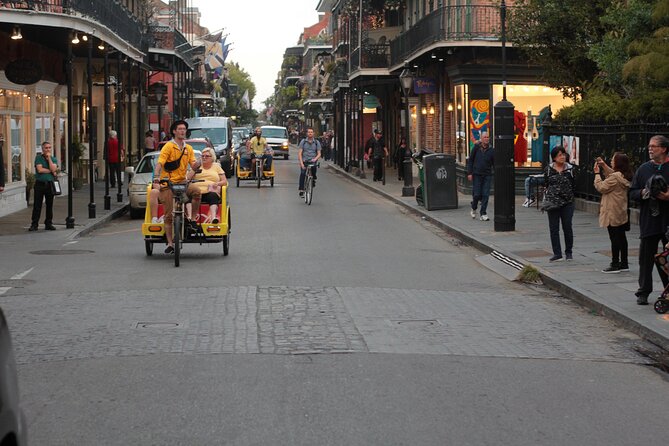
Congo Square is one of those New Orleans stops that carries weight, even before the guide starts talking. You’ll spend about 20 minutes exploring the area tied to its reputation as a sacred gathering ground—along with the story that jazz’s origins were discovered here.
This stop also brings in Treme, described as the oldest African American neighborhood in the country. That context matters because it turns Congo Square from a single-point legend into part of a wider neighborhood story—community life, continuity, and how musical traditions travel through people, not just through instruments.
A good way to think about this stop: enjoy it as a place with layered meaning, but stay open to the guide’s framing. The tour describes jazz origins as something that’s supposed to have been discovered here, so you’re learning the story as New Orleans tells it, not checking it like a lab report.
Admission at this stop is free. The real “ticket price” is your attention. Short stop, strong atmosphere—good combo when the rest of the walk builds toward live music.
Stop 4: Frenchmen Street and the live jazz pay-off
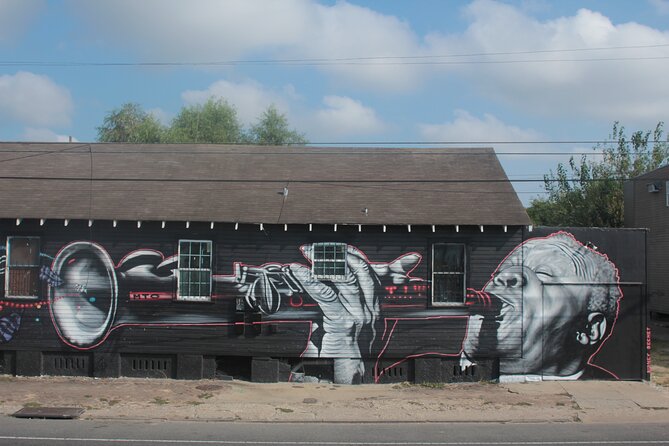
The final stretch is Frenchmen Street, about 20 minutes at the end where you listen to live jazz. This is the moment when the tour stops being just history and starts sounding like the present.
Frenchmen Street is famous for music on the street, and the tour points you toward the classic venues in the area, including the Snug Harbor, the Maison, and the Spotted Cat. Since the tour ends here, you’re set up to keep going on your own afterward if you want.
If you’re wondering what the “live music” part is really like, here’s the practical answer: you’re finishing in a place where the music is the main event, not a backdrop. You’ll get the guided explanation, then you can decide how long to stay once the tour ends.
Also, Frenchmen Street is described as having a family-friendly vibe for younger visitors. That’s useful context when you’re traveling with mixed ages—there’s room for people who want music but not necessarily late-night bar energy.



What you get from a NOLA local guide (and why it matters)
The included guide is listed as a Native of NOLA and licensed, and also described as a cultural ambassador. That’s not just marketing language. In practice, it tends to show up in how the guide answers questions and how they connect the music to social life, architecture, and the city’s feel.
From past experiences with guides in this program, two things show up again and again: big enthusiasm, and storytelling that doesn’t stop at the facts. Guides such as Robin and Harris Parson are singled out for turning jazz into a real-time soundtrack—using music examples during the walk and tying the stops to how the city itself changed over time.
One more practical note: the narration and framing can lean toward adult understanding. A parent shared that the tour might not be the best fit for younger kids, even while a guide can still be warm and patient with questions. If you’re bringing children, I’d read that as advice to pack snacks, keep expectations realistic, and consider whether your kids are into music history as a concept.
Price and value: $35 with free admissions and a live-music finale
At $35, this is priced like a smart add-on to your day rather than a huge budget item. The “value math” is that key stops include free admission tickets, and you’re paying mostly for the guided interpretation and the route design that connects the landmarks.
You also get the built-in payoff: you finish with live jazz on Frenchmen Street. That’s not a small bonus in a city where live music is everywhere, but not always easy to understand or choose from.
The tour does not include snacks, lunch, or dinner. So I’d treat it like a true walking block in your day. Eat before you start, or plan a quick bite afterward on Frenchmen Street so you don’t turn “two hours of jazz” into two hours of low-energy grumpiness.
Logistics that actually affect your comfort
This isn’t a sit-down show. You’ll walk between stops and you’ll be standing for long stretches, so wear shoes you trust. The tour also runs only with good weather, and if weather cancels the experience, you’ll be offered a different date or a full refund.
One more thing to note: a recent experience described a situation where the guide got ill and communication wasn’t timely. That’s rare, but it’s a reminder to double-check any day-of info and keep your booking details handy—especially if you’re tight on timing in New Orleans.
Finally, the tour operates with a minimum of 2 people and has a cap at 28. So if your group is just one person looking for a solo experience, you’d need to ask about private tour options.
Who should book this jazz walking tour
I’d point you toward this tour if you want:
- a guided way to connect famous jazz names to real New Orleans places
- a short, walkable plan that ends with live music
- a local guide who can explain how jazz fits the city, not just the recording catalog
I’d think twice if:
- you struggle with standing for long periods
- you need frequent breaks or you’re traveling with someone who can’t handle walking in the French Quarter area
It also works well if this is your first jazz-focused stop. Several people like the idea of learning the context early so the rest of the city makes more sense when you wander on your own.
Should you book?
Yes, if your goal is to understand how jazz grew from people, neighborhoods, performance spaces, and memory—then end your walk with live sound. The combination of Armstrong Park monuments, the Jazz Museum at St. Pierre Hotel, Congo Square/Treme context, and Frenchmen Street makes this one of the cleaner “2-hour learning + payoff” choices in New Orleans.
I’d especially book it early in your trip, so you can carry the story with you while you explore. If you’re sensitive to standing time or the weather’s iffy, adjust your schedule so you have a flexible plan for rain or heat.
FAQ
FAQ
Where does the tour start?
The tour starts at Louis Armstrong Park, 701 N Rampart St, New Orleans, LA 70116.
Where does the tour end?
The tour ends on Frenchmen Street, New Orleans, LA.
How long is the New Orleans Jazz Walking Tour?
It runs for about 2 hours.
What is the price?
The price is $35.00 per person.
Is live jazz included?
Yes. The tour includes live jazz music on Frenchmen Street near well-known venues such as Snug Harbor, the Maison, and the Spotted Cat.
Are the admissions included?
Yes. The tour lists admission tickets as free at Louis Armstrong Park, the New Orleans Jazz Museum, Congo Square, and the Frenchmen Street portion.
What language is the tour offered in?
The tour is offered in English.
What kind of fitness level do I need?
You should have a moderate physical fitness level and be able to stand for a long period of time.
Do I need to bring snacks?
Snacks, lunch, and dinner are not included, so you’ll want to plan food separately.
What happens if weather is bad?
This experience requires good weather. If it’s canceled due to poor weather, you’ll be offered a different date or a full refund.