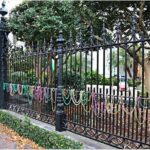
Big tombs and bigger stories in 90 minutes. This guided walk ties together the French Quarter’s landmark sights with a visit to St. Louis Cemetery No. 1, including the legends around Marie Laveau. You also get stops that anchor you fast—Jackson Square, St. Louis Cathedral, and the nearby streets people recognize from TV and films.
I really like how you get a guide who talks through what you’re actually looking at—burial customs, why those tombs are built the way they are, and who the key figures were. I also like the small-group feel (up to 16 people) and how guides such as Charlotte, Jaimie, and Tamara can turn the walk into a chat, with practical tips on where to eat and what to do next.
One thing to plan for: the walking and the cemetery time can feel brutal in hot weather. If you’re going in summer, treat it like a serious workout, not a stroll—bring water and wear breathable shoes.
In This Review
- Quick reasons this tour is worth your time
- French Quarter to St. Louis Cemetery No. 1: how the experience flows
- Timing, start/end, and the walk pace you should expect
- Hitting Jackson Square and St. Louis Cathedral: the center of the map
- Hermann-Grima House and Armstrong Park: learning the Quarter beyond the postcard
- TV and movie locations: seeing the Quarter with new eyes
- St. Louis Cemetery No. 1: tombs, customs, and Marie Laveau’s legend
- August heat reality: what to pack and how to pace yourself
- What you’re paying for: $20 value, plus cemetery admission
- Guide styles you can look for (Charlotte, Jaimie, Tamara)
- Who this tour suits best
- Should you book this French Quarter and cemetery tour?
- FAQ
- How long is the New Orleans French Quarter and Cemetery Walking Tour?
- How much does the tour cost?
- Where does the tour start and end?
- What time does the tour begin?
- Is the St. Louis Cemetery No. 1 admission included?
- What’s included in the tour price?
- What’s the maximum group size?
- Are children and service animals allowed?
Quick reasons this tour is worth your time
- French Quarter orientation fast: you start near 710 St Louis St and end at Jackson Square, so you leave with your bearings.
- St. Louis Cemetery No. 1 visit: you get a guided look at tombs, burial customs, and notable names like Marie Laveau.
- Landmarks plus street-level stories: you pass famous sights and also learn why the Quarter developed the way it did.
- Guide energy you can feel: named guides in the feedback include Charlotte, Jaimie, and Tamara, with lots of friendly context.
- Built for photos and next stops: you’ll also be pointed toward favorite local establishments after the tour.
French Quarter to St. Louis Cemetery No. 1: how the experience flows
This tour is a focused one-and-a-half-hour plan built around one core idea: the French Quarter is not just pretty buildings. It’s a layered place where religion, family burial traditions, and street life all overlap. You’ll walk through the Quarter first, then head to St. Louis Cemetery No. 1, the oldest cemetery in operation in New Orleans.
Once you’re in the cemetery, the tone changes. The guide shifts from streets and architecture to tomb construction, family vault logic, and the stories people attach to specific resting places. If you’ve heard Marie Laveau’s name and wondered what’s legend and what’s local tradition, this stop is the point where everything becomes more concrete.
The best part is how the guide connects the sights you see (Jackson Square, St. Louis Cathedral, prominent houses) to the people and customs that shaped them. That makes the walk more than a checklist.
You can also read our reviews of more walking tours in New Orleans



Timing, start/end, and the walk pace you should expect
You’ll meet at 710 St Louis St, New Orleans, LA 70130 with a 10:45 am start time, and the tour ends at Jackson Square (New Orleans, LA 70116). The total duration is listed as about 1 hour 30 minutes, with the cemetery portion timed at around 30 minutes.
This is a walking tour, so the “how fast?” question matters. Even at a comfortable pace, you’ll be on your feet, moving between major points in the Quarter and then standing around to see tombs and hear explanations. Keep this in mind if you’re someone who easily gets winded or needs frequent breaks.
Also note the tour cap: maximum of 16 travelers. That usually helps the guide keep track of the group, answer questions, and maintain a steady rhythm—especially inside the cemetery, where space can feel tight.
Hitting Jackson Square and St. Louis Cathedral: the center of the map
Your walk hits two of the Quarter’s anchors early on: Jackson Square and St. Louis Cathedral.
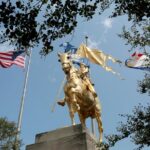
Jackson Square is described as the heart of the city and where it all began, so you’re not just stopping for a photo. You’ll learn why this area matters historically, and how it fits into the layout of the Quarter. It’s one of those places that makes more sense after someone gives you the backstory.
St. Louis Cathedral is another key stop. It’s noted as the oldest, continuously operating cathedral in the United States. That detail changes the vibe: you’re not looking at a single building in isolation. You’re looking at a living institution that has stayed present while the city around it changed.
If you want a practical takeaway, ask the guide what you’re looking at in terms of the Quarter’s street plan and how these landmarks relate. That’s how the rest of the walk becomes easier to understand.
Hermann-Grima House and Armstrong Park: learning the Quarter beyond the postcard
While the headline sights are the easiest to photograph, this tour also includes stops that help you understand the Quarter as a real neighborhood.
You’ll pass (and be guided through context for) the Hermann-Grima House and Armstrong Park. These stops are useful because they show you that the French Quarter isn’t only “historic downtown.” It’s a place with people, property, and changing use over time.
In a guided format, houses like Hermann-Grima become more than facades. A good guide ties them to the social and cultural forces that shaped who had power, who had money, and how that showed up in architecture. With a park stop like Armstrong, you get contrast: you see the open space that breaks up the dense streets, which also helps your eyes after the busier blocks.
This is also where the guide’s local knowledge can help. The tour description highlights that you’ll get tips on local establishments you might like next. If you’re trying to make dinner decisions without wasting time, this is the moment to listen closely.
TV and movie locations: seeing the Quarter with new eyes
One of the tour’s stated highlights is that you’ll pass locations where well-known TV shows and movies were filmed. Even without naming every production, this matters for two reasons.
First, it helps you recognize the streets and corners you’ve seen on screen. When you can picture a scene you’ve watched, you understand the physical space much faster.
Second, the guide can point out why filmmakers pick certain views—how the street angles frame the architecture, where the light hits, and which blocks deliver that classic “New Orleans” look. It turns the walk into a kind of visual decoding game.
If you care about photography, this is a good tour to take early in your trip. You’ll know where to aim your camera later without trying to “hunt” around the Quarter.



St. Louis Cemetery No. 1: tombs, customs, and Marie Laveau’s legend
The cemetery stop is the emotional center of the tour. St. Louis Cemetery No. 1 is described as the oldest cemetery in operation in New Orleans, and the guide uses that to explain burial customs you might not expect.
You’ll learn why it seems there is always enough room for another person in a family tomb. That explanation is important because it gives you a reason for what you’re seeing. Those vault-style arrangements aren’t random. They’re tied to tradition and how families planned for death over time.
Inside the cemetery, you’ll also hear about key tombs and figures, including:
- Tomb of Marie Laveau, often called the Voodoo Queen
- Society Tombs
- Musician’s Tomb
This is the moment where the tour becomes more than “old rocks.” The guide’s job is to connect the names to what the cemetery represents—social identity, public memory, and the way New Orleans holds onto stories.
If you want practical guidance here, it’s simple: listen for the guide’s explanations about the tomb categories and family vault logic, not just the names. When you understand the system, the cemetery stops feel like random points and start feeling like a structured place.
August heat reality: what to pack and how to pace yourself
One of the clearest considerations from the feedback is heat. Someone described an August heat index around 115 with no breeze in the cemetery. That’s not a small detail—it’s the difference between enjoying the tour and feeling miserable.
So here’s how you should plan:
- Bring water and take small sips regularly.
- Wear breathable clothing and shoes you can walk in for the full block-to-block route.
- If you’re sensitive to heat, consider going earlier in the day or plan extra breaks before and after.
Even when the guide is doing their best to keep the group comfortable, the cemetery is outdoors and New Orleans weather doesn’t negotiate. A guide named Charlotte was specifically noted for trying to keep people cool, which tells you the situation can get intense.
Also, remember you’re spending time looking down paths and up at stonework and vault details. If your legs or balance aren’t great, take it slow and use your eyes first, not your rushing.
What you’re paying for: $20 value, plus cemetery admission
The tour price is $20 per person, and it runs about 1.5 hours. The escort/host is included, which is what you’re really buying: a licensed guide who knows the city stories and can explain what’s in front of you.
One important caveat: the cemetery portion lists admission ticket not included. That means the $20 is for the tour guide and walking components, but you may still pay an entry fee for St. Louis Cemetery No. 1 separately. Plan for that so the final total doesn’t surprise you.
Is $20 a good deal? In my view, yes—especially if it’s your first time in the French Quarter and you want orientation plus context in a short window. But the math works best if you value guided interpretation. If you mostly enjoy wandering without someone talking, you might feel a bit “talked at” instead of moved through.
Guide styles you can look for (Charlotte, Jaimie, Tamara)
A walking tour lives or dies on the guide. From the names called out in the feedback—Charlotte, Jaimie, and Tamara—you can infer what “good” looks like here.
What stands out is a mix of:
- Friendly, story-based explanations
- Clear city and history context
- An effort to manage the group in hot weather
If you show up asking a question (even something simple like what to notice at Jackson Square or what to expect in the cemetery), these guides sound like they’ll actually answer instead of delivering a script and moving on.
I’d also recommend taking the chance to ask for practical local suggestions. The tour description promises the guide will share tips on favorite local establishments, and that’s often where the real value shows up—where you go after the tour ends at Jackson Square.
Who this tour suits best
This is a strong fit if:
- You want a first-time French Quarter experience with a clear plan
- You’re curious about Marie Laveau and want the cemetery context that goes with the legend
- You like walking tours that include landmark sight-seeing plus structured explanations
- You prefer a smaller group (up to 16)
It’s less ideal if:
- You hate walking in heat and sunlight
- You want long time in the cemetery with minimal group pacing (the cemetery stop is about 30 minutes)
- You don’t want to pay extra for cemetery entry on top of the $20 tour price
Should you book this French Quarter and cemetery tour?
I’d book it if you’re spending a limited amount of time in New Orleans and you want a guided hit list that actually makes sense. The combination of Jackson Square + St. Louis Cathedral + cemetery tomb stories is the kind of shortcut that helps you enjoy the rest of the city instead of just collecting photos.
But book with eyes open: plan for heat, wear solid shoes, and budget for cemetery admission since it’s not included. If you do those things, you’ll come away understanding how the French Quarter’s streets connect to its burial traditions—and you’ll be able to see the legends, not just hear the names.
FAQ
How long is the New Orleans French Quarter and Cemetery Walking Tour?
It’s about 1 hour 30 minutes.
How much does the tour cost?
The price is $20.00 per person.
Where does the tour start and end?
It starts at 710 St Louis St, New Orleans, LA 70130, and ends at Jackson Square, New Orleans, LA 70116.
What time does the tour begin?
The start time listed is 10:45 am.
Is the St. Louis Cemetery No. 1 admission included?
No. Admission ticket is not included.
What’s included in the tour price?
An escort/host is included.
What’s the maximum group size?
The tour has a maximum of 16 travelers.
Are children and service animals allowed?
Children must be accompanied by an adult, and service animals are allowed.