REVIEW · NEW ORLEANS
New Orleans: Guided Sightseeing Bike Tour
Book on GetYourGuide →Operated by Buzz Nola Bike Tours and Rentals · Bookable on GetYourGuide
New Orleans rolls by on two wheels. You’ll get French Quarter architecture and a stop at an above-ground cemetery, all tied to stories you can actually picture. I like how the route mixes big landmarks with street-level details, so you don’t just pass by—you understand what you’re seeing. One thing to consider: this is a true biking tour, and it runs rain or shine unless severe weather starts, so comfy weather gear matters.
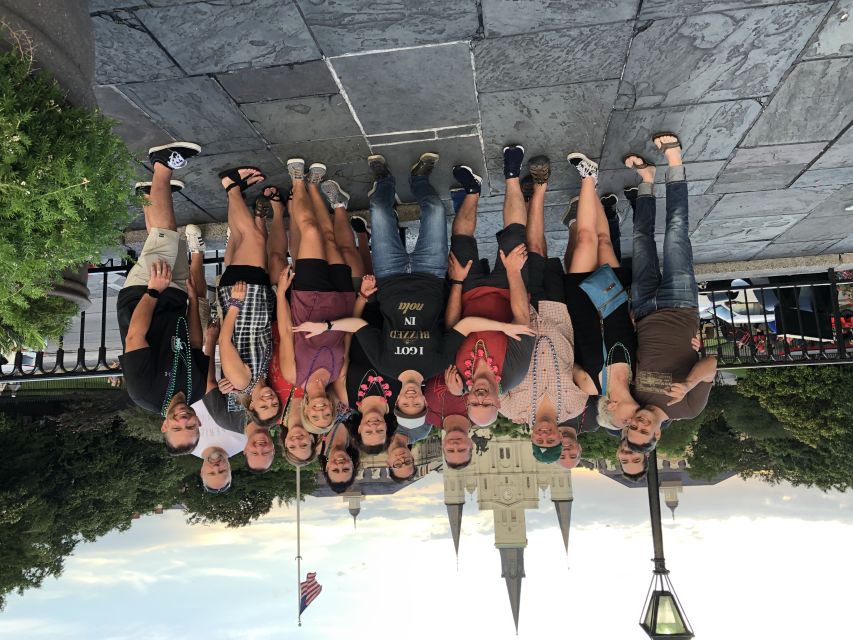
The best part is the pacing in a small group capped at 10, with time for photos and short stops instead of a rushed sprint. You’ll meet at Buzz Nola Bike Tours, fit with a helmet and a bike (many rides use electric-assist, which helps a lot in New Orleans heat). The only drawback for some people is simple: it’s not suitable if you can’t ride a bike or if you’re under 12.
Key highlights you’ll feel on the ride
- French Quarter + Mississippi River overlook: see the point of the river that looks toward Jackson Square
- Esplanade Avenue shade and mansions: oak trees plus old Creole homes along the route
- Faubourg Marigny flavor: the neighborhood vibe that ties into Frenchman Street
- Above-ground cemetery visit: learn how New Orleans funeral traditions work in practice
- City Park live oak + Cafe Du Monde: a quick beignet stop inside the park area
- Wildlife spotting along the way: keep an eye out for turtles and colorful tropical birds
In This Review
- First stop: Buzz Nola Bike Tours, helmets, and a smooth start
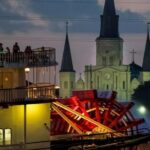
- French Quarter streets and the Mississippi River view toward Jackson Square
- Esplanade Avenue: oak-tree shade and the feeling of old mansions
- Faubourg Marigny and Frenchman Street: neighborhood charm without the maze
- City Park live oaks, Cafe Du Monde, and a break that doesn’t kill your momentum
- Above-ground cemetery: the funeral traditions you can see and understand
- Bayou of St. John: turtles, tropical birds, and a calmer ride
- Armstrong Park and Congo Square: jazz roots on the route
- Price and value: is $52 for a 3-hour guided bike tour worth it?
- Who should book this bike tour, and who should skip it?
- Should you book Buzz Nola’s French Quarter to Congo Square bike tour?
- FAQ
- How much does the New Orleans guided sightseeing bike tour cost?
- How long is the tour?
- Where do I meet the guide?
- What’s included in the price?
- Is food included?
- Is the tour okay for children?
- Do I need to be able to ride a bike?
- What about weather?
- Can I bring alcohol or drugs?
First stop: Buzz Nola Bike Tours, helmets, and a smooth start
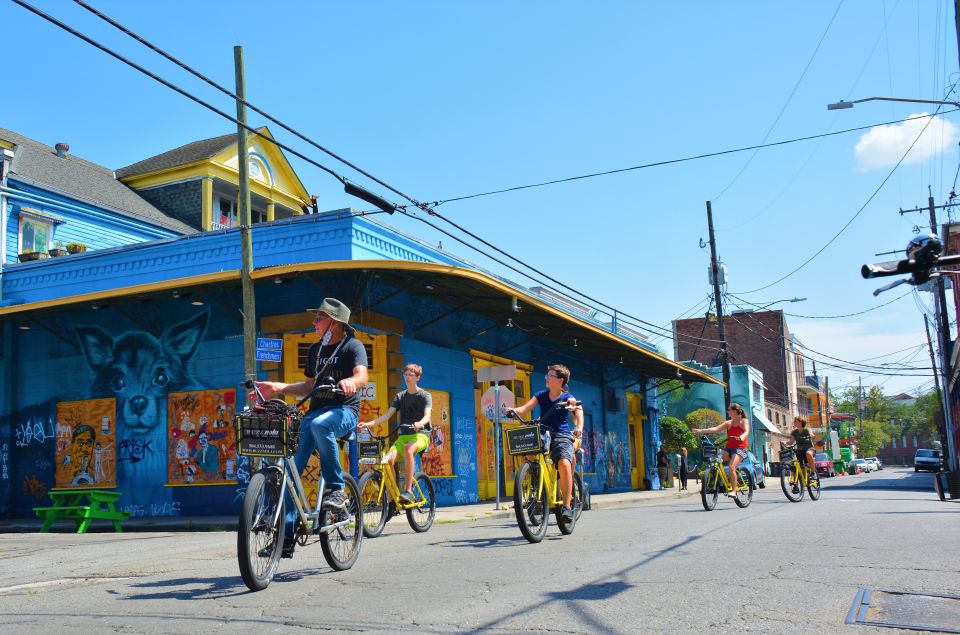
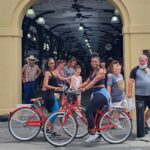
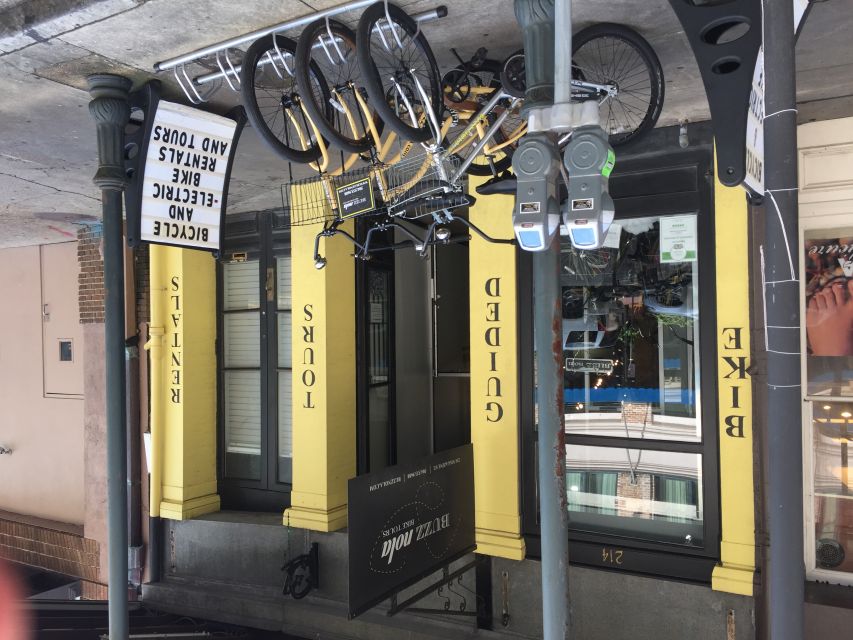
Check-in happens at Buzz Nola Bike Tours, and you’ll want to arrive about 15 minutes early. After you find the group, you’ll get helmet fitted and a bicycle rental, plus bottled water for the ride. The tour is set for about 3 hours, so the day stays efficient without feeling like you’ve spent all afternoon traveling.
Because the group stays small (max 10), you usually get clearer guidance at intersections and when the route shifts from “pretty streets” to “real traffic.” That matters in New Orleans, where pedestrians, bikes, and cars all share space. In the reviews, people specifically call out guides keeping things moving and directing riders through traffic, which is exactly what you want when you’re sightseeing on two wheels.
If you’re sensitive to coordination challenges, double-check that you’re comfortable riding in a city environment before booking. You’ll also be happier if you bring comfortable clothes you can bike in, and weather-appropriate layers for sudden changes.
French Quarter streets and the Mississippi River view toward Jackson Square
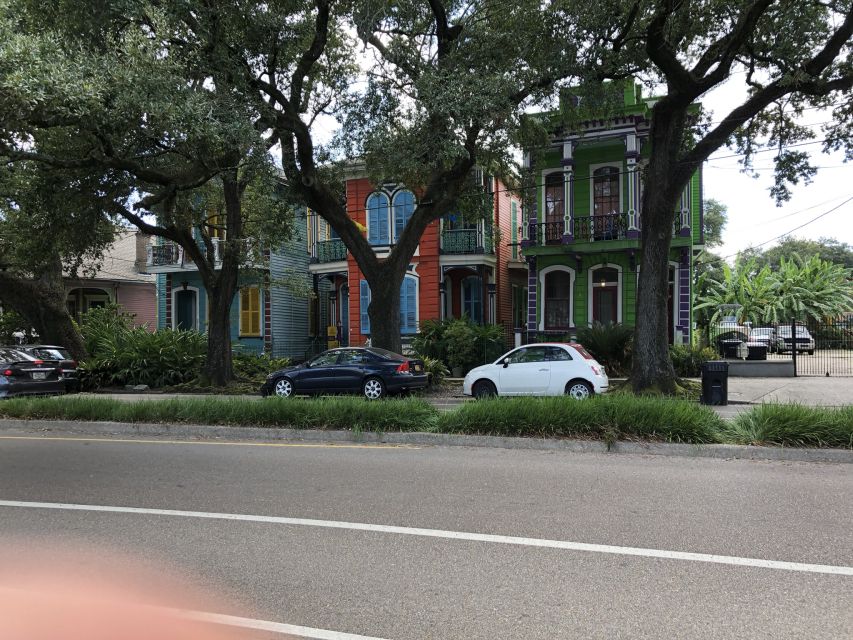
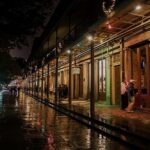
The tour is built around seeing the French Quarter and then shifting your perspective to the Mississippi River. You’ll ride through the area and learn about the people and architecture that shaped the neighborhood. Even if you think you know the French Quarter already, this approach helps you connect street corners and building styles to the city’s story.
Then comes the signature view: you’ll reach the part of the Mississippi River that overlooks Jackson Square. That’s a great moment because it changes the geometry of the trip. Instead of only looking “down streets,” you’re looking across water toward one of New Orleans’ best-known public spaces.
This segment is also a good reminder that New Orleans is a city of angles. Views from river points can feel more dramatic than postcard photos, and you’ll probably start noticing how many routes funnel toward Jackson Square from nearby streets.
You can also read our reviews of more cycling tours in New Orleans


Esplanade Avenue: oak-tree shade and the feeling of old mansions
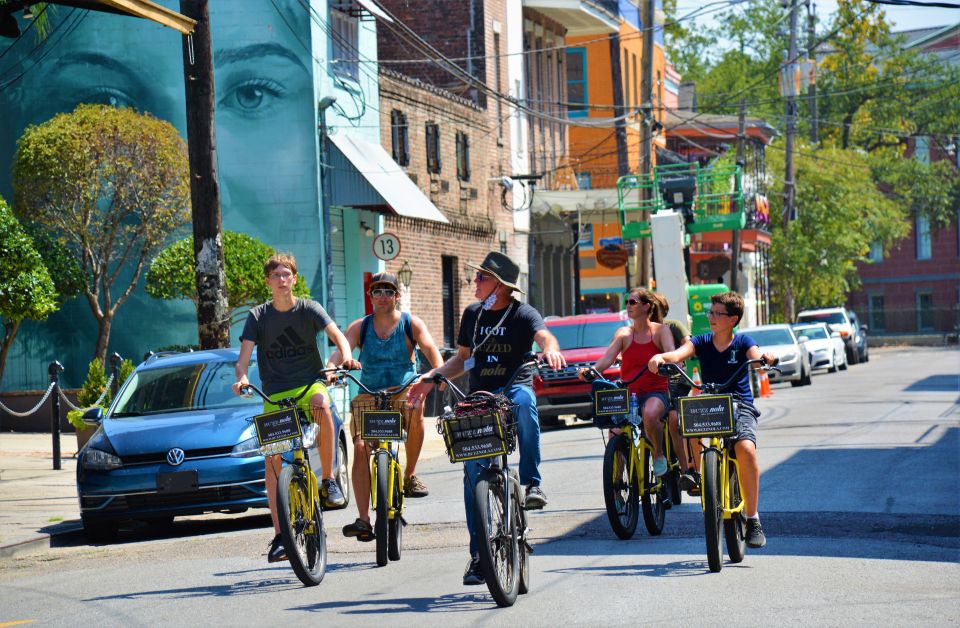
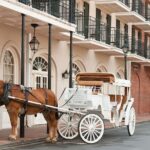
After the main Quarter sights, you’ll head down Esplanade Avenue. This is where the tour slows just a touch in your body, even if the schedule stays tight, because the trees provide natural shade and a calmer rhythm. The ride is described as a chance to admire oak trees and old mansions, and that’s exactly what you’ll be doing—gliding past long stretches that feel designed for walking families and carriages long before bikes.
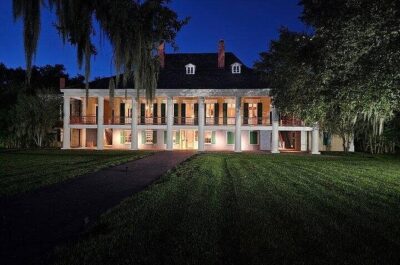
This road also makes a useful stop for practical sightseeing. You get a different “scale” view of the city—big homes, wide spacing, and the feel of grander streets—so the French Quarter doesn’t end up being the only story you remember.
If you’re taking photos, this is a smart section to do it at your comfort pace. You’ll be moving, but you’ll also have enough consistent scenery to frame shots without constantly dodging crowds.
Faubourg Marigny and Frenchman Street: neighborhood charm without the maze
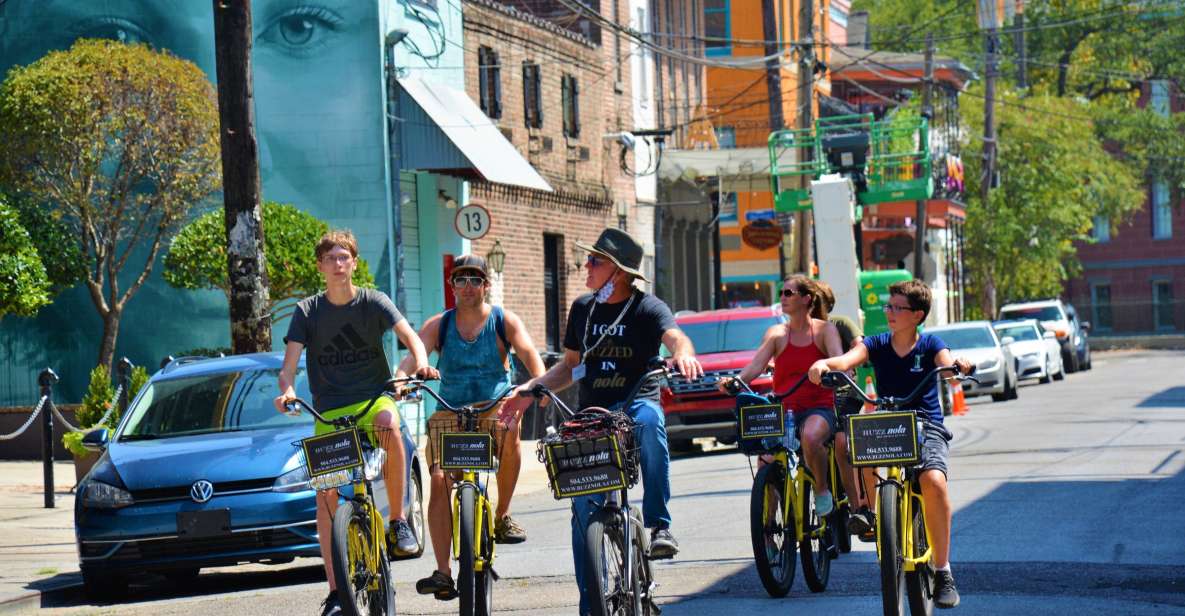
Next up is Faubourg Marigny, a historic district dating back to the early 1800s. The big win here is that Marigny gives you a neighborhood feel rather than a single landmark obsession. You’ll hear why the area’s reputation connects to Frenchman Street, which is famous for its music scene.
What I like about this stop is the way it balances the tour. After the French Quarter’s more tourist-heavy streets, Marigny feels like a different New Orleans chapter. You’re still in the city’s historic footprint, but the mood shifts—more “lived-in” and less museum-like.
The ride through this neighborhood also helps you understand how New Orleans spreads out. You start to see that the city’s identity isn’t trapped inside one grid. It threads through districts that have their own personalities.
City Park live oaks, Cafe Du Monde, and a break that doesn’t kill your momentum
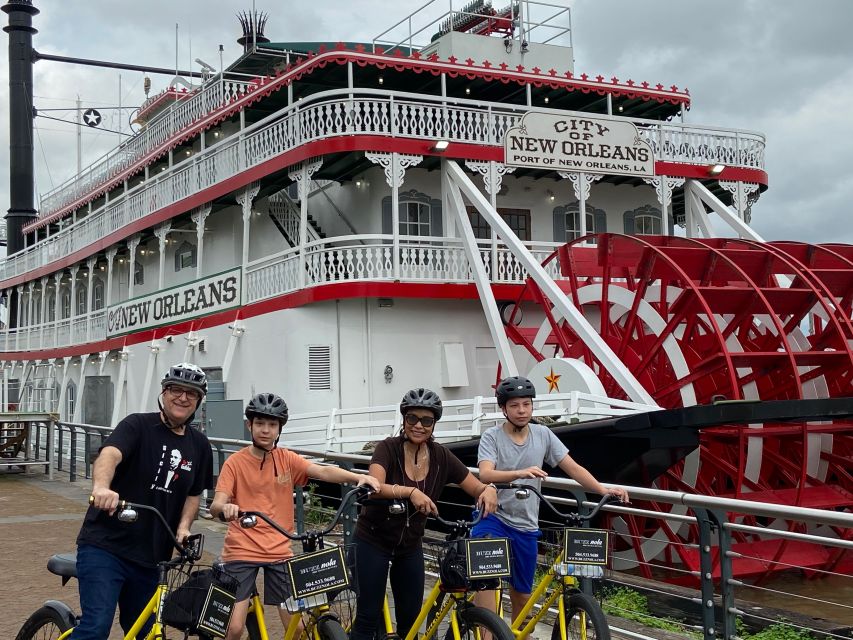
City Park is part of the loop, and it’s built for a ride that feels like it can breathe. You’ll pass through the park area and get a chance to see one of the largest mature live oak trees in the world. That’s the kind of landmark you can’t fully get from a quick drive-by, because you get to feel its scale as you move under it.
There’s also a brief stop at Cafe Du Monde in the park area, where you can buy beignets. It’s not a full meal included, but the stop is practical: it gives you a taste without locking you into a long sit-down. If you do buy something, plan on keeping it manageable while you ride—powdered sugar and bike seats don’t mix.
This section is also a nice reset if you’ve been under sun most of the earlier ride. Even a short park segment can change how the rest of the tour feels.
Above-ground cemetery: the funeral traditions you can see and understand
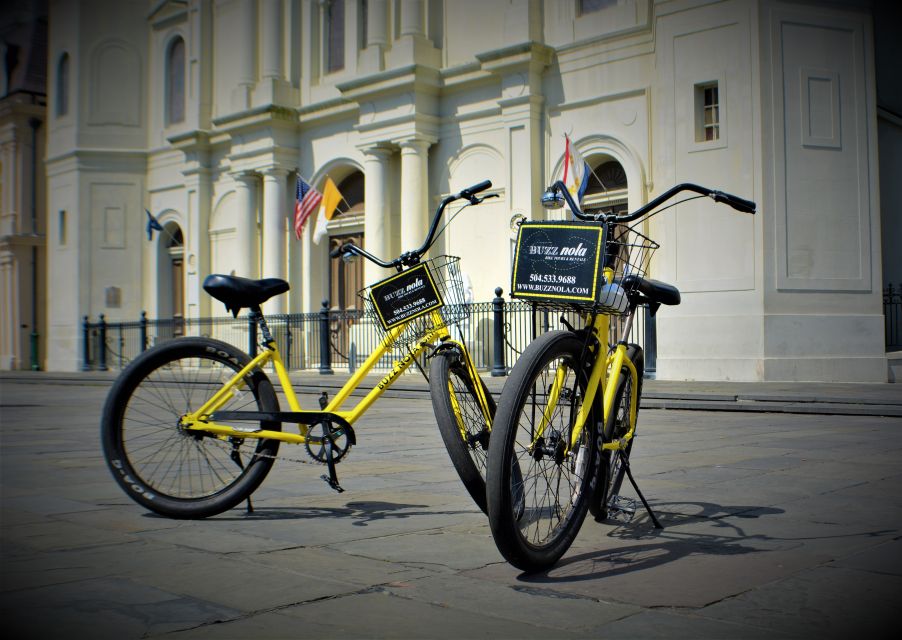
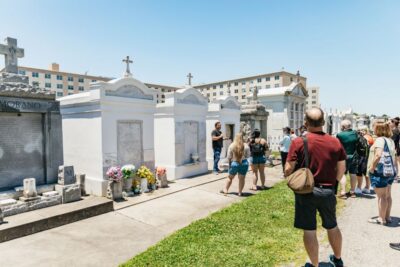
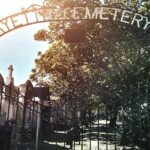
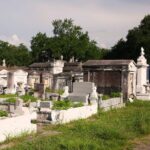
One of the most distinctive parts of the tour is the visit to an above-ground cemetery. The guide shares how New Orleans funeral traditions work, which is important because these cemeteries aren’t just scenery. They connect directly to local beliefs and practical realities, and you’ll learn the logic behind what you’re seeing.
Cemeteries can be intimidating if you expect them to feel like a quiet “do not touch” stop with no context. This tour avoids that by pairing the sight with explanation, so you understand why above-ground burials exist and how the community treats remembrance.
It also gives you contrast. After bright streets and open views, a cemetery stop can make the city feel more complex, more human, and more grounded in lived culture. It’s the kind of moment that tends to stick because it reframes New Orleans beyond parties and parades.
You can also read our reviews of more guided tours in New Orleans





Bayou of St. John: turtles, tropical birds, and a calmer ride
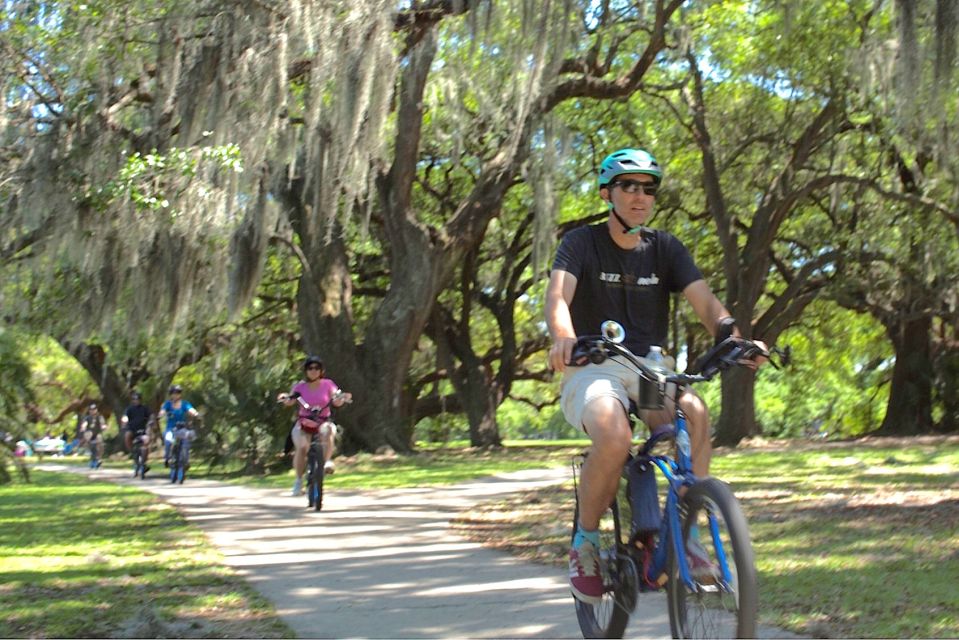
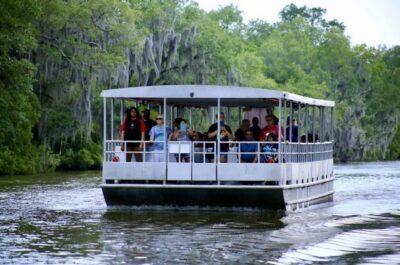
Then the route shifts toward the Bayou of St. John, described as tranquil. This is where the tour becomes less “big landmark hunting” and more “slow noticing.” Along this stretch, you’ll be encouraged to keep an eye out for wildlife, including turtles and colorful tropical birds.
Even if you don’t spot animals instantly, the value here is the tone change. The bayou route gives you a break from street bustle, and it’s a good place to steady your pace after faster moving sections. You’ll likely notice the air feels different when you’re near water and greenery, and the ride can feel smoother overall.
If you’re the type who likes watching for details—shadows, birds, anything moving—you’ll enjoy this part the most. It’s also a great chance to take photos without feeling like you’re fighting for space.
Armstrong Park and Congo Square: jazz roots on the route
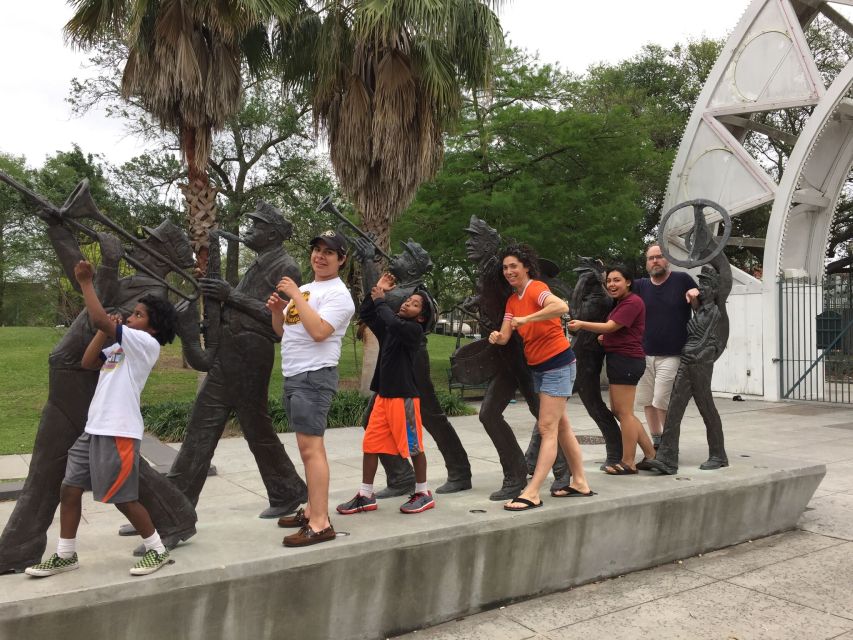
The tour heads through Armstrong Park and toward Congo Square, described as the heart of New Orleans’ jazz traditions. This is more than a named stop. It’s a point where the city’s music identity becomes physical: open space, history you can connect to daily life, and a sense of gathering.
I like that the tour places Congo Square after calmer segments. By the time you reach it, you’re not just tired—you’re ready for a cultural moment. The ride gives you momentum into that stop, but you’re also primed to listen and absorb.
If you want a quick way to understand why New Orleans music matters, this sequence works. You’re learning in transit, then you arrive at a location tied to that cultural thread.
Price and value: is $52 for a 3-hour guided bike tour worth it?
At $52 per person for about 3 hours, this tour can be great value if you want guided structure without spending the whole day indoors or stuck in slow transit. You get a bicycle rental and helmet, bottled water, and a live English guide. Food isn’t included, so you’re responsible for what you buy (like beignets if you choose), but the tour is designed around short stops rather than long restaurant breaks.
The small group size (up to 10) is a big part of the value. With that cap, the guide can actually manage the ride and keep everyone together. In the reviews, people mention how guides helped with traffic navigation and kept the experience smooth, which is exactly what you’re paying for when you’re biking through a busy city.
This price also makes sense for first-timers. New Orleans can be overwhelming on foot, and driving between key sights burns time. A guided bike tour connects multiple neighborhoods in one outing, including French Quarter architecture, river views toward Jackson Square, City Park, and Congo Square.
Who should book this bike tour, and who should skip it?
This tour is a strong fit if you want an organized way to see several classic New Orleans areas in a single morning or afternoon window. It also works well if you enjoy a mix of architecture, culture, and nature. You’re not only looking at buildings—you’re learning funeral traditions, searching for wildlife, and riding through park and bayou settings.
It’s not a fit if you can’t comfortably ride a bike, or if you’re under 12. The tour also isn’t suitable if you’re over 300 lbs (136 kg). Those limits are worth respecting because they affect safety and how the guide can manage the group.
If you’re picky about comfort in the heat or sun, bring the basics: water is provided, but you’ll still want sunscreen and weather-appropriate clothing.
One more tip: different guides can change the feel of a tour. Reviews highlight guide names like Jeffrey (mentioned as a historian with good energy) and Adam (called knowledgeable and friendly). If you see a booking option with either name, it’s worth choosing when possible.
Should you book Buzz Nola’s French Quarter to Congo Square bike tour?
I’d book it if you want a 3-hour guided route that hits major landmarks while still giving you neighborhood texture. The blend is smart: French Quarter and Jackson Square views, Faubourg Marigny streets, a City Park oak-tree moment, an above-ground cemetery visit with real context, and a calmer ride through the bayou and parks.
Skip it if you hate biking in cities or you’re not up for weather that can shift quickly. Since it runs in rain or shine unless severe weather starts at the beginning of the tour, plan to dress for that reality.
If you’re weighing it against doing everything on your own, this tour is the more efficient choice. It gives you structure and explanation, and the guided traffic handling lets you focus on the sights instead of route anxiety.
FAQ
How much does the New Orleans guided sightseeing bike tour cost?
The price is $52 per person.
How long is the tour?
The tour lasts 3 hours.
Where do I meet the guide?
Meet at Buzz Nola Bike Tours. Check in is 15 minutes before the tour starts.
What’s included in the price?
The tour includes a guided bike tour, bicycle rental and a helmet, and bottled water.
Is food included?
Food isn’t included, though there is a brief stop where you can buy beignets.
Is the tour okay for children?
No. It isn’t suitable for children under 12.
Do I need to be able to ride a bike?
Yes. The tour isn’t suitable for people who can’t ride a bike.
What about weather?
The tour runs in rain or shine unless severe weather occurs at the start time.
Can I bring alcohol or drugs?
No. Intoxication and alcohol and drugs aren’t allowed.