
REVIEW · NEW ORLEANS
Oak Alley Plantation and New Orleans City Tour
Book on Viator →Operated by Southern Style Tours and Transportation · Bookable on Viator
Cane fields and city streets in one day. This combo tour stitches together Oak Alley Plantation and major New Orleans neighborhoods with live narration from the driver/guide, plus air-conditioned transport that keeps the day moving. You’ll pass the French Quarter and roll by historic mansions along Esplanade Avenue before your plantation time on the Mississippi River.
Two things I really like: the hotel pickup and drop-off make it easy to avoid taxis and timing stress, and the mix of stops is smart for limited time. If you’re lucky with guides such as Gary for the city portion or KP for the plantation ride, you’ll get stories and practical context, not just a route readout.
One drawback to plan around: the day can feel time-tight, especially if you want lunch that isn’t built into the schedule. Also, Oak Alley’s interpretive focus can land emotionally, so come with the mindset that this is more than scenery.
In This Review
- Key things to know before you go
- Seven hours that actually cover the best parts of New Orleans
- Pickup timing and the small-group comfort factor
- New Orleans City Park and Morning Call Cafe: coffee, beignets, quick reset
- French Quarter, Esplanade Avenue mansions, and where the story shifts
- Garden District mansions, Faubourg Tremé roots, and the Ninth Ward look
- Warehouse District, the WWII Museum area, Contemporary Arts Center, and a cemetery stop
- Oak Alley Plantation: cane fields, filming trivia, and the emotional part
- Timing reality: no real lunch buffer and why that affects your day
- How the included stuff stacks up against the $110 price
- Who this tour fits best (and who should consider something else)
- Should you book Oak Alley and the New Orleans city tour?
- FAQ
- What time does pickup start, and when does the tour begin?
- How long is the Oak Alley Plantation and New Orleans City combo tour?
- Does the tour include admission tickets?
- Is food included in the price?
- Is hotel pickup and drop-off included?
- How large is the group?
- What language is the tour conducted in?
- Can I cancel for a full refund?
Key things to know before you go

- Hotel-to-hotel convenience: Round-trip transport saves you time and hassle in a city that loves traffic.
- Max group size of 14: Smaller than most buses, which can mean easier questions and a calmer ride.
- City Park coffee break: Morning Call Cafe beignets are included, with about 30 minutes on the clock.
- Neighborhood coverage beyond the postcard: Ninth Ward, Garden District, Faubourg Tremé, and Warehouse District all show up.
- Above-ground tomb views: You’ll briefly stop at a cemetery so you can see why New Orleans burial styles look the way they do.
- Oak Alley is beautiful and heavy: The preserved grounds are stunning, but the slavery-related history is part of the story.
Seven hours that actually cover the best parts of New Orleans
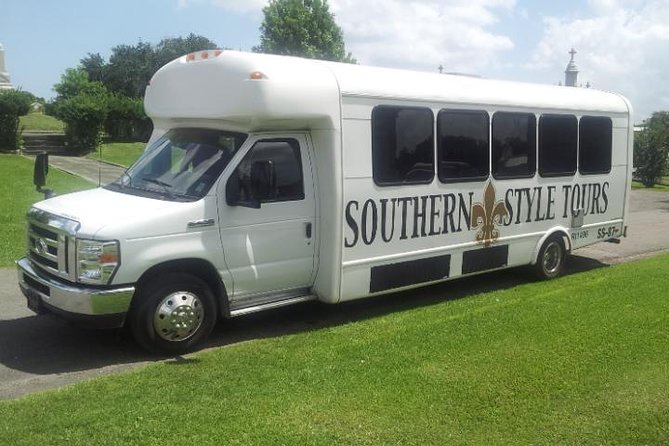
A combo tour like this is built for the reality that most trips don’t give you a full day for one thing. Here, you get plantation time plus a city loop on the same ticket, with included admission for the major stops and guided narration along the way.
The route also works because it doesn’t only stick to one “iconic” area. You’ll see the French Quarter approach, then shift into Garden District mansions, pass through Faubourg Tremé, and get a look at the Ninth Ward—areas that tell different chapters of the city in the same day.
And yes, the ride matters. This is an enclosed, air-conditioned minibus that runs every day, rain or shine, which is a big deal when you’re dealing with New Orleans weather and limited daylight.
You can also read our reviews of more city tours in New Orleans



Pickup timing and the small-group comfort factor
The day starts early-ish: pickup is typically between 8:00am and 8:30am, with the tour start listed at 9:00am. That timing is why the day can include both the city loop and Oak Alley without feeling completely chopped up.
The vehicle is a practical choice—air-conditioned, enclosed, and sized so the group stays under 14 travelers. I like small groups because you can hear your guide better and ask questions without shouting over a crowd.
That said, road conditions and traffic happen. Some passengers have described rougher ride moments on highways and delays due to congestion. It helps to wear comfy shoes, keep a light layer handy, and expect that New Orleans driving can be… a personality.
New Orleans City Park and Morning Call Cafe: coffee, beignets, quick reset
The first scheduled stop that feels like a breather is New Orleans City Park. You’ll visit Morning Call Cafe for about 30 minutes, and the ticket is included.
This is the kind of stop that helps you handle the rest of the day. One round of coffee and beignets is basically a small fuel-up before you head back out for neighborhoods, cemeteries, and then the plantation.
Plan this moment like a traveler, not a spectator. If you want photos, do them fast. If you want to sit and linger, you might feel rushed here because the tour keeps moving and the clock matters.
French Quarter, Esplanade Avenue mansions, and where the story shifts
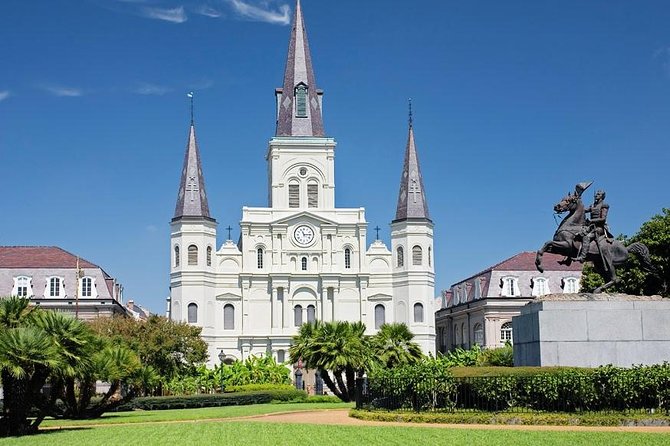
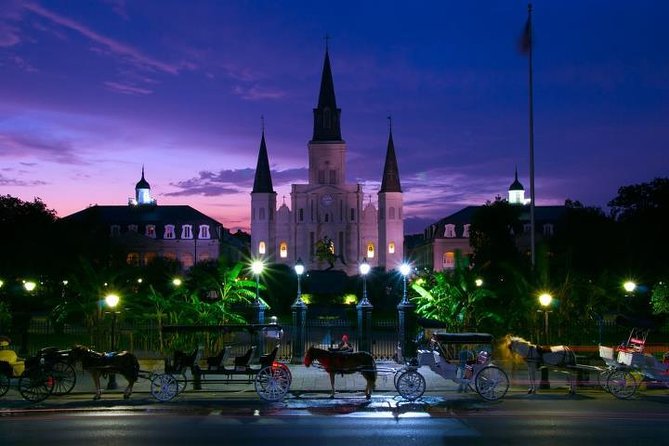
The city portion is framed as more than scenic cruising. You’ll pass through the French Quarter area and then travel past mansions along Esplanade Avenue, which is a clean way to get oriented quickly.
From there, the narration is meant to give you context for what you’re seeing—especially when the city changes from stately boulevards to places impacted by Hurricane Katrina.
If you care about understanding New Orleans as more than architecture and nightlife, this is one of the main reasons this combo works. It doesn’t treat every stop as a photo opportunity. It tries to connect people, places, and events.
Garden District mansions, Faubourg Tremé roots, and the Ninth Ward look
You’ll see the Garden District, with its wide, orderly streets and big homes. It’s the kind of area where the visuals are easy, but the guide adds value by explaining what you’re looking at and why it developed the way it did.
Then you move through Faubourg Tremé, described in the tour as one of the oldest African-American neighborhoods in the country, dating back to the 1700s. That time anchor matters, because it helps you realize this isn’t a trendy stop—it’s an old community with deep roots.
Next comes the Ninth Ward, the neighborhood devastated by Hurricane Katrina. This is where the city tour turns sobering. If you prefer lighter narration all day, this part might feel like a pivot.
Still, for me, this is one of the most valuable elements of the whole day: you’re not stuck in only the cheerful postcard version of New Orleans.





Warehouse District, the WWII Museum area, Contemporary Arts Center, and a cemetery stop

The Warehouse District portion is a smart addition because it points you toward places many visitors want to see but don’t always fit in. You’ll pass the area of the World War II Museum, and you’ll also go by the Contemporary Arts Center, one of the country’s early art institutions.
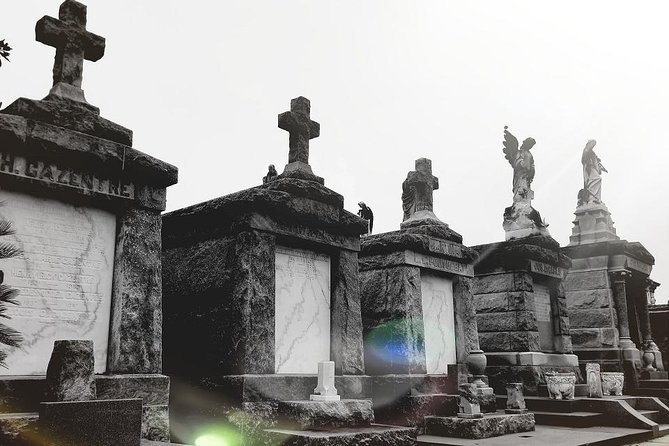
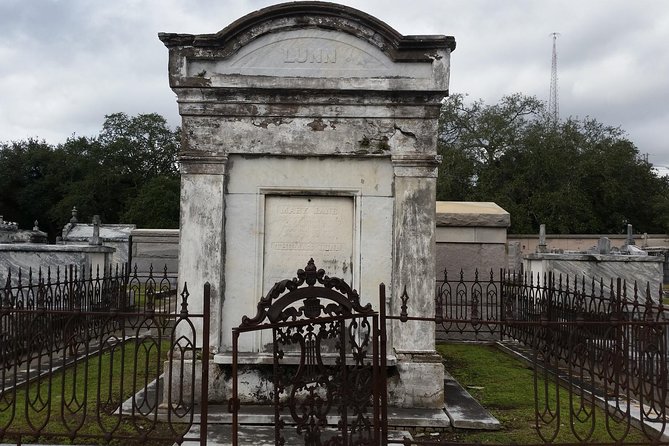
Then there’s the quick cemetery stop. New Orleans does burial differently, and you’ll get a look at the distinctive above-ground tombs during a brief stop.
Because this is time-limited, don’t expect a long cemetery wander. Think of it as a first-hand visual that helps you understand what you’ll notice later if you visit a cemetery again on your own.
Oak Alley Plantation: cane fields, filming trivia, and the emotional part

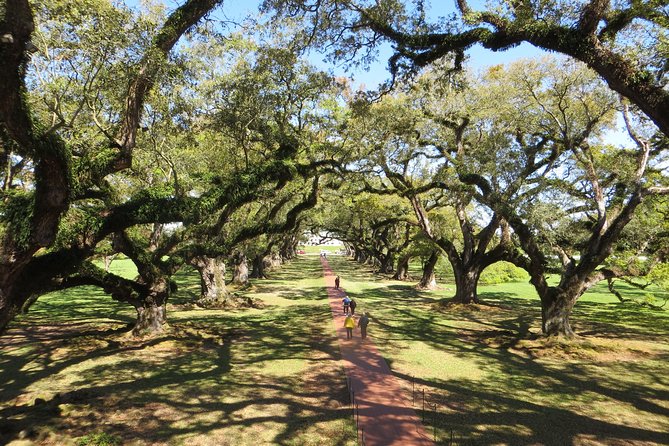
Oak Alley Plantation sits on the Mississippi River between New Orleans and Baton Rouge, and it’s famous for its long lines of trees and its preserved plantation grounds. The tour notes that movies such as Interview with the Vampire and Midnight Bayou were filmed there—handy trivia that makes the setting feel familiar once you’re on site.
The plantation portion runs about 2 hours, and admission is included. You can choose morning or afternoon departure time for that portion, depending on what you booked, but either way you’ll be there long enough to tour the main experience without it turning into a full half-day project.
Here’s the part to take seriously: Oak Alley’s slavery-related history is not glossed over. One of the most praised notes from passengers is that the property is beautifully preserved—but also that the history can hit hard. If that theme is important to you, plan for an emotionally real experience, not just pretty gardens.
A few practical expectations based on reported on-site experiences:
- The guides and hosts can be informative, and the sugarcane-related film is part of what people find memorable.
- Photo time can be limited inside certain areas of the house, so if photos are a priority, treat it like a “watch and capture fast” situation.
- Some visitors wish they had longer for the exhibits and gift shop area, which suggests the tour format doesn’t linger everywhere.
If you have mobility needs, it’s worth noting the tour includes a way for some upstairs-room viewing via a video option for people who may have trouble climbing stairs. That’s a helpful detail if you’re deciding whether to go.
Timing reality: no real lunch buffer and why that affects your day
This is the part I want you to plan around. The schedule can feel like two parts that connect tightly rather than one smooth continuous block.
You’ll do the city portion, then head to Oak Alley, and the day ends with hotel drop-off. But the city and plantation sections can feel close enough together that lunch becomes tricky. Some passengers have said they struggled to find time to eat properly between stops and that the window between drop-off and next pickup can be short.
So here’s my advice: treat this like a day tour where food is on you. Bring a snack you like, and if you can, plan a meal either before the tour starts or immediately after you get back.
Also, expect that traffic or mechanical issues can happen anywhere. There’s at least one account of a return-side bus mechanical problem where another vehicle was brought in, but communication during those moments may not feel perfect. Keep your phone available and stay flexible.
How the included stuff stacks up against the $110 price
At $110 per person, you’re paying for more than a bus ride. Your ticket covers:
- Hotel pickup and drop-off
- Transport in an air-conditioned minivan
- Live driver/guide narration
- Admission tickets for both the City Park stop and Oak Alley Plantation
- Mobile ticket access (so you’re not scrambling with paperwork)
Food and drinks are not included, which is normal for a combo tour. But when you look at the cost, the inclusion of admission tickets is a big part of the value.
What I like about this pricing model is that it turns uncertainty into a checklist. You’re not wondering whether you’ll have time to buy tickets on your own. You’re also not paying separate admission plus separate transport while trying to coordinate timing.
If you’re the kind of traveler who hates wasting time on logistics, this kind of “pay once, get a plan” structure tends to feel worth it.
Who this tour fits best (and who should consider something else)
This combo works best if you:
- Want a one-day overview of New Orleans plus a major plantation stop
- Like getting context as you travel, not only when you’re standing still
- Appreciate smaller group touring (max 14 travelers)
It may be less ideal if you:
- Want long, unhurried time inside the main house or exhibits at the plantation
- Plan to spend most of the day eating in between major blocks
- Prefer city tours that stay lighter and avoid Katrina-related context
In other words: if you want a fast, guided “best hits with meaning,” this fits. If you want maximum freedom and deep time at every stop, you’ll probably feel the schedule pressure.
Should you book Oak Alley and the New Orleans city tour?
My take: yes, if you’re short on time and want the convenience. The value is in the included admissions plus hotel transport plus live narration, and the day covers several parts of the city that most first-timers don’t see in one pass.
But book with eyes open. Bring a snack, don’t count on lunch fitting perfectly, and be ready for the emotional weight of Oak Alley’s slavery-related story. If you can handle that, you’ll come away with both the pretty plantation setting and a clearer, more complete sense of New Orleans beyond the postcard streets.
If weather turns bad, the tour notes it can be canceled due to poor weather and you’ll be offered a different date or a full refund. That’s a comforting safety net when you’re traveling in months when rain is part of the forecast.
FAQ
What time does pickup start, and when does the tour begin?
Pickup is between 8:00am and 8:30am, with the tour start time listed as 9:00am.
How long is the Oak Alley Plantation and New Orleans City combo tour?
The duration is approximately 7 hours.
Does the tour include admission tickets?
Yes. Admission tickets are included for the City Park stop (including Morning Call Cafe) and for Oak Alley Plantation.
Is food included in the price?
No. Food and drinks are not included.
Is hotel pickup and drop-off included?
Yes. Hotel pickup and drop-off are included.
How large is the group?
This tour has a maximum of 14 travelers.
What language is the tour conducted in?
The tour is offered in English.
Can I cancel for a full refund?
Yes. You can cancel up to 24 hours in advance for a full refund. If you cancel less than 24 hours before the start time, the amount you paid is not refunded. If the tour is canceled due to poor weather, you’ll be offered a different date or a full refund.