REVIEW · NEW ORLEANS
New Orleans: French Quarter Walking Tour
Book on GetYourGuide →Operated by 504tours · Bookable on GetYourGuide
Two hours, and the French Quarter tells it all. This walk from 529 St. Ann Street pairs Cafe du Monde beignets (watching them get made) with the city’s survival story, including hurricane and Katrina lessons in plain language. I also like that the route isn’t just pretty-streets shopping; it keeps pulling you toward the places where New Orleans made hard choices and kept moving.
One thing to think about: the tour runs rain or shine, so plan for solid, all-day walking and shoes you won’t mind getting damp.
In This Review
- Key Highlights You’ll Actually Feel
- French Quarter Stories Start at 529 St. Ann Street
- Watch Beignets Get Made at Cafe du Monde
- Hurricanes, Katrina, and How New Orleans Thinks Ahead
- Jackson Square to the Ursuline Convent: From Parade Ground to Colonial Grit
- Danny Barker’s House and the Stop at Preservation Hall
- Macaroni Factories and Sicilian Immigrant Footprints
- The Great Fire of 1788 at the House of Vincente Nunez
- Former Slave Markets and Jean Francois Merieult’s Role
- Madame de Pontalba’s Story and the Way the Tour Lands Back at Jackson Square
- Price, Timing, and Value for a $50 2-Hour Walk
- Should You Book This French Quarter Walking Tour?
- FAQ
- Where does the tour start?
- How long is the walking tour?
- How much does it cost?
- What’s included in the tour price?
- Is food or drink included?
- Is the tour wheelchair accessible and does it run in the rain?
Key Highlights You’ll Actually Feel
- Beignet-making at Cafe du Monde: you’ll watch the pastries get made, then understand why they matter in Quarter life
- Hurricanes and Katrina, explained on the street: not just headlines, but how a coastal city thinks ahead
- Jazz preservation with a real person in the mix: you’ll hear how Danny Barker helped protect traditional jazz
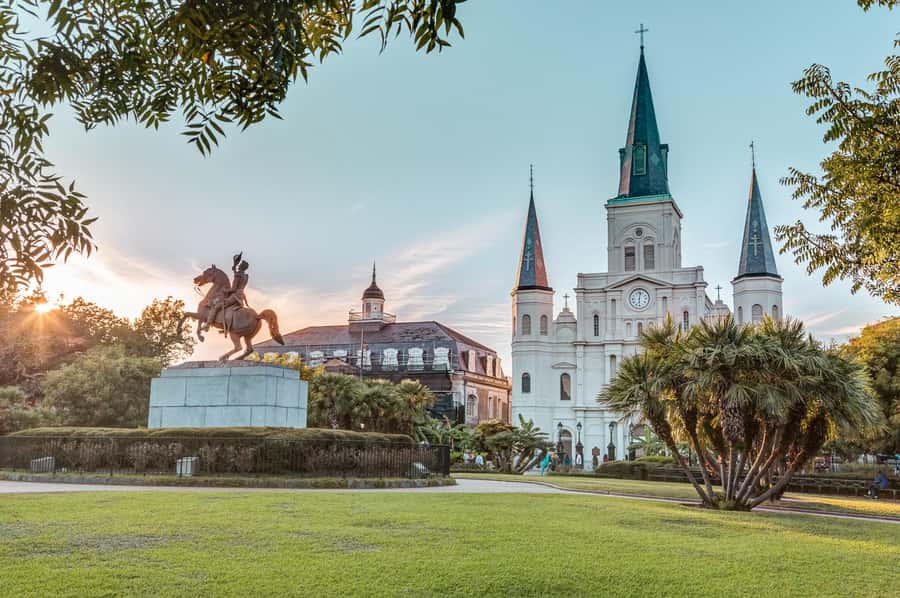
- A focused historical route around Jackson Square: from parade-ground origins to the street performances of today
- Hard stops on slavery and the slave trade: you’ll visit former slave market locations and learn about Jean Francois Merieult
- Preservation Hall as the jazz punctuation mark: a final stop that anchors the whole music story
French Quarter Stories Start at 529 St. Ann Street
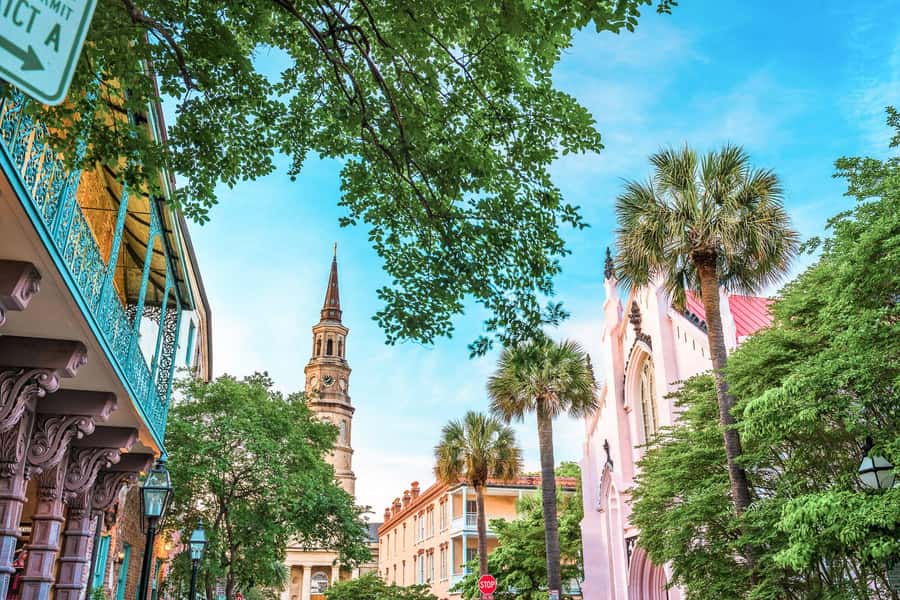
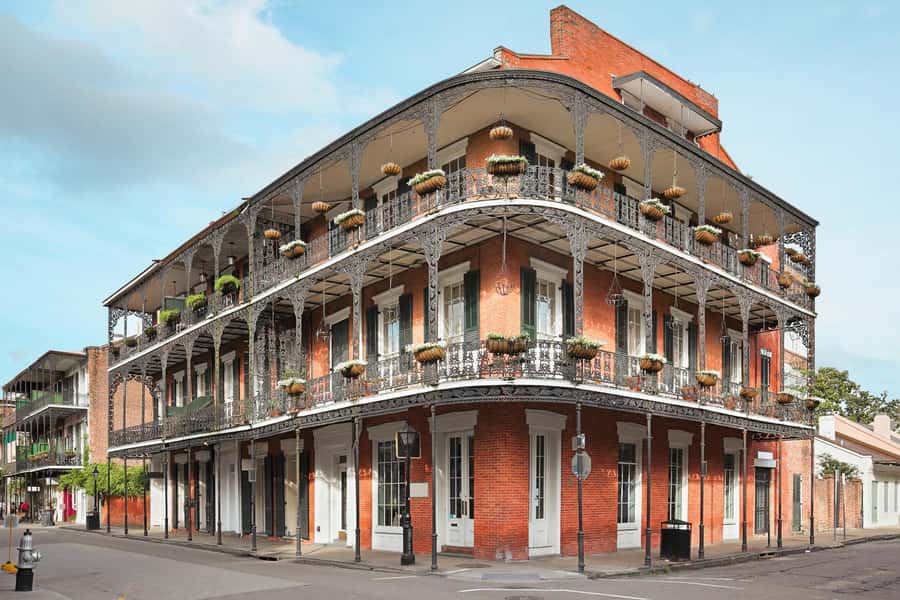
This tour kicks off in a specific spot for a reason. Go to the former Louisiana Welcome Center at 529 St. Ann Street, in the lower Pontalba Rowhouse by Jackson Square. If you’re facing the river, it’s left of Jackson Square, mid-block, and you’re about half a block from the corner of Chartres Street at St. Ann. St. Ann is pedestrian-only in that stretch, which makes the early part of your walk feel easy and traffic-free.
Look for your 504tours guide outside that storefront area. Today, the space is used by Oyster restaurant Fives Bar, so the key is simple: you’re meeting at the Welcome Center spot, not inside a museum.
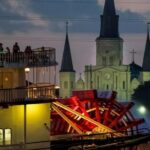
The start area also gives you a quick orientation. Jackson Square historically served as a parade ground, and now it’s full of street life, from musicians to tarot readers and performers. That contrast matters, because the guide uses it as a living backdrop while teaching you the Quarter’s deeper layers.
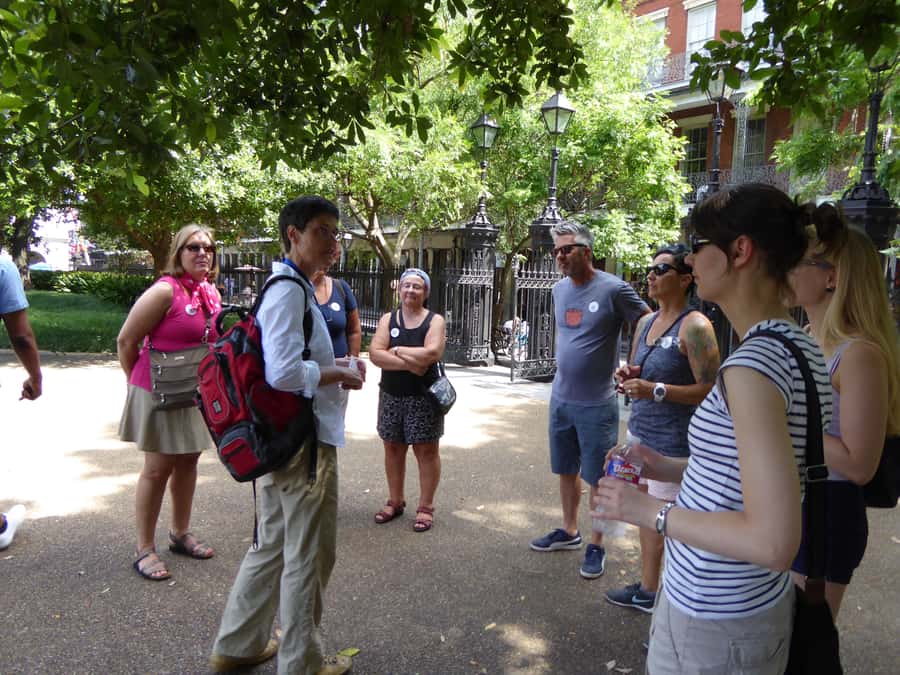
And in the experience’s best moments, you can tell the guide’s doing more than reciting facts. People often note how engaging the tour guide is and how willing they are to answer questions. One guide name that comes up is Regine, and the common thread in feedback is how friendly, tuned-in, and helpful she is when you want extra context or recommendations after the walk.
You can also read our reviews of more walking tours in New Orleans


Watch Beignets Get Made at Cafe du Monde
Yes, you’ll see Cafe du Monde mentioned as a highlight, and here’s the practical difference: you’re not just stopping for a treat. You’ll watch the famous beignets get made. That matters because the Quarter is full of spots where you can buy a snack and move on, but this tour slows the moment down just enough to show the rhythm behind it.
Even if you’re not a food-obsessed traveler, watching beignet production gives you a small, sensory anchor for everything else you’ll hear on the walk. It connects food to daily culture and to the way the French Quarter has long been a place where visitors and locals mix at the street level.
One more note: food and drink aren’t included. So if you want to taste something beyond what you learn from watching, plan to pay separately. The point of this tour is the guided walk and the stories.
Hurricanes, Katrina, and How New Orleans Thinks Ahead
New Orleans is an “on-the-edge” city. You feel it in the streets and the geography, but the tour gives you a focused reality check: the guide explains how New Orleans has protected itself from the threat of hurricanes and what happened with the deadly storm Katrina.
I like that this doesn’t get treated like a gloomy lecture. It’s handled as part of the city’s decision-making. When you understand that storms are a repeating threat, it changes how you read everything else, including architecture, neighborhoods, and why some areas and institutions evolved the way they did.
For you, this is the kind of stop that makes the rest of the Quarter feel less like a theme park and more like a real place responding to real risks. You’ll walk away with more than trivia. You’ll walk away with a sense of why the city’s resilience is built into daily life.
Jackson Square to the Ursuline Convent: From Parade Ground to Colonial Grit
After the start, the route heads downriver along the old French Market toward the Ursuline Convent. This is the oldest building in the Mississippi Delta from Colonial times, and the tour uses that age to set the mood: you’re standing in a structure that outlasted waves of change.
The convent stop also brings in human scale. The nuns who came here in the early 1700s are described as adventurous and courageous, which helps you imagine the place not just as architecture, but as a mission in a hard world.
Here’s a drawback to consider, depending on your pace: this is a walking tour that emphasizes sights and stories, so you won’t have the long, slow museum time that some people want. If you’re craving a lot of in-building detail, you might use this tour as your “orientation layer,” then come back later on your own.
Still, the walk-to-building format is what makes the tour work. You’ll keep linking time periods—Colonial-era decisions, French Quarter development, and modern street life—without feeling like you’re flipping through a textbook.
Danny Barker’s House and the Stop at Preservation Hall
Jazz shows up everywhere in New Orleans, but this tour is careful about making it specific. You’ll pass the house of Danny Barker, a legendary banjo player known among the city’s jazz musicians for helping preserve traditional jazz.
That’s more than a name-drop. Barker’s role is framed as preservation, meaning he didn’t just perform—he helped protect a sound and a tradition. For you, that makes the “jazz everywhere” idea less generic. You’re hearing the story of who mattered and why their efforts had long-term effects.
Then you get a final musical anchor at Preservation Hall. The tour treats it as the holy grail of traditional jazz. Even if you don’t know the details going in, the stop gives you a clear target for your next night out. You’ll leave with a better sense of what to seek when you want authentic jazz, not just any band with brass on stage.



Macaroni Factories and Sicilian Immigrant Footprints
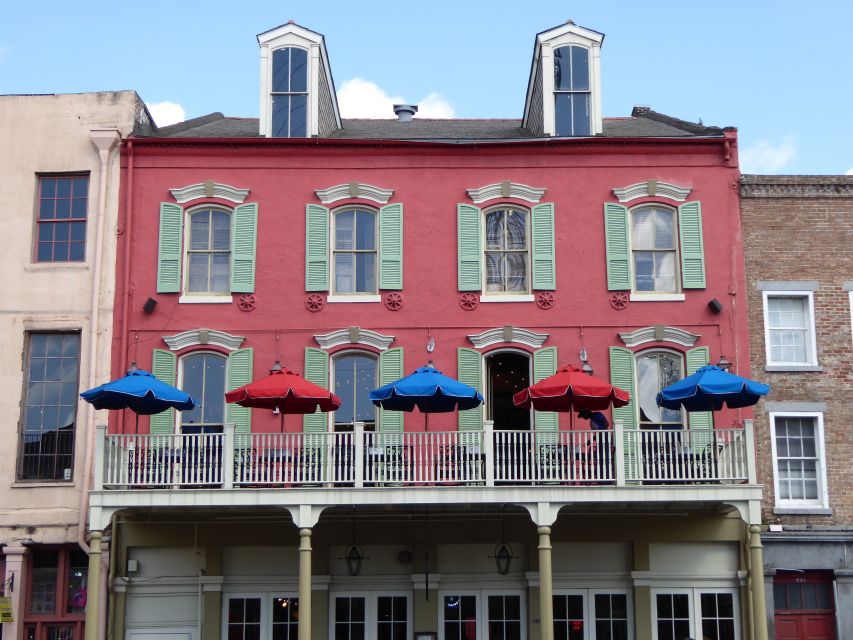
On the way, you’ll pass one of the many former macaroni factories in the lower French Quarter. This is where the tour gets a little less obvious and a lot more interesting: it points to the major role that Sicilian immigrants played in the city’s history.
Why this is valuable: food and industry are tied to money, jobs, and community. When a tour only highlights kings, churches, and famous musicians, you miss how everyday labor shaped what the French Quarter became. Here, you’re seeing proof that the Quarter’s story includes immigrants building work—and building a future.
The practical trade-off is that you may not be able to “see” the factory itself the way you’d see a fully restored landmark. The tour gives you context so you can recognize what you’re looking at, even when the building’s past isn’t obvious at first glance.
The Great Fire of 1788 at the House of Vincente Nunez
Next comes one of the Quarter’s darker pivot points: the Great Fire of 1788. You’ll stop at the house of Vincente Nunez, a Spaniard whose carelessness is said to have started the fire that destroyed 80% of the city.
This is one of those stops where the guide’s job really matters. Fires, disasters, and sudden destruction can sound like “then bad things happened.” The tour frames it as a turning point—an event so big that it reshaped the city afterward. When you hear the number, 80%, you start to understand why New Orleans developed certain ways of building and planning.
For you, this stop can be emotionally heavy, but it’s also a strong way to connect the dots between urban design and real-world outcomes. The Quarter isn’t just pretty balconies and photo angles. It’s also a city rebuilt after major shocks.
Former Slave Markets and Jean Francois Merieult’s Role
No French Quarter tour worth your time avoids the brutal parts of the city’s past. This one includes stops at several former slave markets and explains the role of Jean Francois Merieult, described as an influential and powerful Creole businessman and slave trader.
The value here is not just that the topic is included. It’s that the tour gives you names and power structures. Understanding who held influence helps you see slavery as a system run through business, politics, and economics—not just as background cruelty.
One consideration: if you’re traveling with younger kids or sensitive visitors, this may be tough. That said, feedback from families with children points to the tour being manageable, likely because the guide keeps explanations organized and tied to specific places rather than getting lost in scattered details.
If you want a tour that treats the Quarter like it’s telling the truth—even the hard truth—this is a strong choice.
Madame de Pontalba’s Story and the Way the Tour Lands Back at Jackson Square
The walking loop finishes back at Jackson Square. You’ll hear the story about Madame de Pontalba, a French baroness and businesswoman who had an eye for beautiful architecture.
This ending matters because it ties the whole tour together. Early on, Jackson Square feels like an open-air performance zone. By the end, you understand it as a space shaped by power, money, building choices, and rebuilding after catastrophe.
Madame de Pontalba also gives you a different lens: not just “what happened,” but “how someone used resources to shape the look and feel of the place.” It’s a fitting close to a route that covers survival, music, immigrant industry, fire, and forced labor.
Price, Timing, and Value for a $50 2-Hour Walk
The price is $50 per person for a 2-hour guided walk. For a city where many experiences charge extra for basic orientation, this one feels like it’s priced around the guiding itself: the route, the context at each stop, and the specific content, like beignet-making and named historical figures.
You also get a real practical win: the tour is built for efficiency. Two hours is long enough to learn multiple layers, but short enough to still plan a good afternoon or evening afterward. That also pairs well with the way the tour encourages you to keep exploring after, since the guide can help point you toward what fits your interests.
A couple of small logistics notes that affect value in real life:
- The tour takes place rain or shine, so solid clothing matters.
- No food or drink is included, so if you want to eat at Cafe du Monde or anywhere else, budget for that separately.
- Languages are English and German.
- It’s listed as wheelchair accessible, and you’ll be walking in a pedestrian-friendly area around the Square and French Market.
If you like tours where the guide answers questions and adjusts to your interests, this kind of feedback shows up often. People also highlight that the guide gives tips for the rest of your days in New Orleans, which can be worth real money in a city where time is limited.
Should You Book This French Quarter Walking Tour?
Book it if you want a French Quarter experience that mixes the fun with the facts. The beignets moment at Cafe du Monde is a great way to start with something enjoyable, and the route quickly turns into more than postcard sights. If you care about how New Orleans handled hurricanes, what Katrina changed, why Danny Barker mattered for traditional jazz, and how slavery and major disasters shaped the city, this tour hits those points in a structured way.
Skip it only if you want a long, free-form wander or you dislike hearing about harsh history in walking-distance chunks. Also, if you’re someone who needs museum-style time inside buildings, you may want to pair this with additional solo stops afterward.
Overall, if your goal is to leave the French Quarter understanding it better than when you arrived, this is a strong use of two hours.
FAQ
Where does the tour start?
The tour starts outside the former site of the Louisiana Welcome Center at 529 St. Ann Street, in the lower Pontalba Rowhouse by Jackson Square.
How long is the walking tour?
It lasts about 2 hours.
How much does it cost?
The price is $50 per person.
What’s included in the tour price?
You get a 2-hour guided walk through the French Quarter, beginning at the storefront at 529 St. Ann Street near Jackson Square.
Is food or drink included?
No. Food and drink are not included.
Is the tour wheelchair accessible and does it run in the rain?
Yes, it is wheelchair accessible, and it runs rain or shine.