REVIEW · NEW ORLEANS
New Orleans French Quarter Food Tour: Cajun, Creole and Culture
Book on Viator →Operated by Intrepid Urban Adventures - USA · Bookable on Viator
That first bite can change how you see a city. This New Orleans French Quarter Food Tour turns classic Cajun and Creole dishes into an easy walking day with real local context. You’ll hit Jackson Square and the French Market, then spend the heart of the French Quarter sampling the kinds of flavors New Orleans is built on.
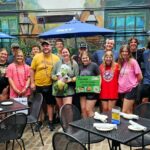
Two things I like a lot: the stops connect food to place (not just eating for eating’s sake), and the small group size (max 12) keeps it personal with a guide like Christy, Andre, Neil, Kaffey, or Chip leading the way. One thing to keep in mind: if you’re expecting a pure “food-only” experience, this tour is also a story-and-history walk, so not every stop will feel like a tasting-heavy moment.
One possible drawback: substitutions for vegetarian or other diets are not guaranteed at every location. The guide can share recommendations, but you may need to plan a little in advance if your needs are strict.
In This Review
- Key takeaways before you book
- French Quarter food is easiest when you have a map and a guide
- Jackson Square: Andrew Jackson, St. Louis Cathedral, and a quick start
- French Market: America’s oldest public market with real snack energy
- The French Quarter stretch: gumbo, spice, Po’boy or Muffuletta, and desserts
- Your tastings are designed like a full meal
- Hot sauce tasting teaches you how New Orleans does heat
- You might also see specialty swap-ins like alligator sausage
- Cajun vs. Creole: the story that makes the food make sense
- Walking logistics you can actually plan around
- Price and value: what $81.10 buys you in real terms
- Dietary needs: what you can control, and what you can’t
- Who this tour fits best (and who might skip it)
- Should you book the New Orleans French Quarter Cajun and Creole Food Tour?
- FAQ
- How long is the New Orleans French Quarter food tour?
- Where does the tour start?
- How many food samples are included?
- Is the tour suitable for vegetarians or people with dietary restrictions?
- How much walking is involved?
- Is it family friendly?
Key takeaways before you book
- Max 12 people means you get real time with your guide, not a crowd shuffle.
- 5 food samples plus hot sauce tasting adds up to a full meal for most people.
- Jackson Square + French Market gives you context before the French Quarter eating starts.
- Cajun and Creole focus helps you understand why the food tastes the way it does.
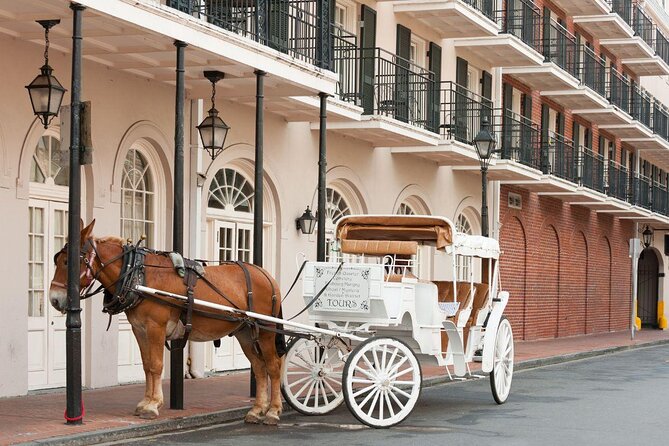
- Relaxed walking pace covers about 1.5 miles (2.4 km) over roughly 14 blocks.
- Menus vary by season and vendor availability, so be flexible and ask questions.
French Quarter food is easiest when you have a map and a guide
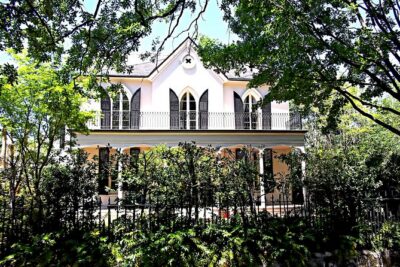
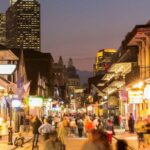
New Orleans can feel like sensory overload at first. This tour smartly uses food as your guide. You start with major landmarks, then move into the French Quarter streets, where the tastings act like signposts for the city’s food culture.
I like that the tour is built for orientation. You learn how Cajun and Creole cuisine grew out of different communities, not just what to eat. And you get practical flavor context, including a hot sauce tasting that explains Louisiana’s spice heritage in plain terms.
The group format matters. With a cap of 12, you’re more likely to get direct answers. And in real life, that’s the difference between wandering for hours and leaving with a short list of places you actually want to try next.
You can also read our reviews of more food & drink experiences in New Orleans
Jackson Square: Andrew Jackson, St. Louis Cathedral, and a quick start
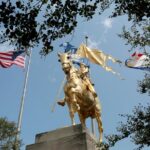
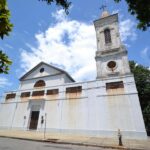
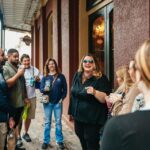
Your first stop is Jackson Square, where the equestrian statue of Andrew Jackson sits at the center. Your guide meets the group near the statue, facing St. Louis Cathedral, so it’s an easy visual landmark—ideal when you’re arriving from somewhere else in town.
What makes this start work is timing and mood. You get the famous postcard setting right away, then your guide threads food stories into what you’re seeing around you. It’s not a long stop, so it helps you get oriented without turning the tour into a sit-and-listen session.
Also, the stop is admission-free, which matters when you want a tour that moves. You’re not waiting in lines or paying extra just to get the day rolling.
French Market: America’s oldest public market with real snack energy
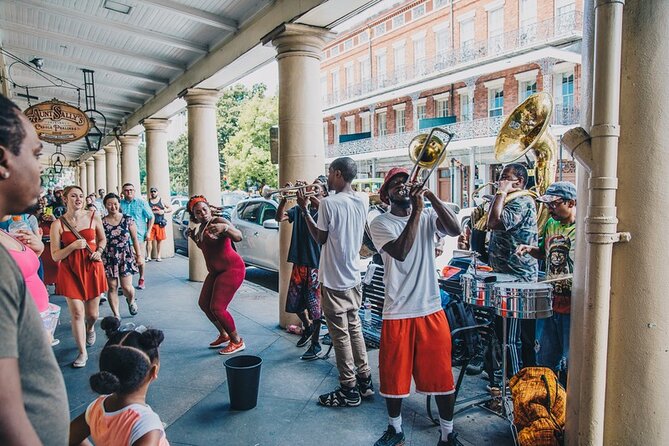
Next comes the French Market, often described as a place where the city’s food culture shows up in everyday life. This stop is about 30 minutes, with time to walk through and sample local bites while your guide adds context to what you’re eating and seeing.
Why I think this is a strong pairing: it bridges the landmark world of Jackson Square with the lived-in food world of the Quarter. You’re learning about the past while you’re surrounded by people shopping, selling, and grabbing food on the go.
This is also where you can pick up the kind of practical insight that helps later. If you notice certain vendors or flavors, you can use that information to plan your own return visits after the tour ends.
And because it’s admission-free, you’re paying for the guidance and tastings, not for entry fees.
The French Quarter stretch: gumbo, spice, Po’boy or Muffuletta, and desserts
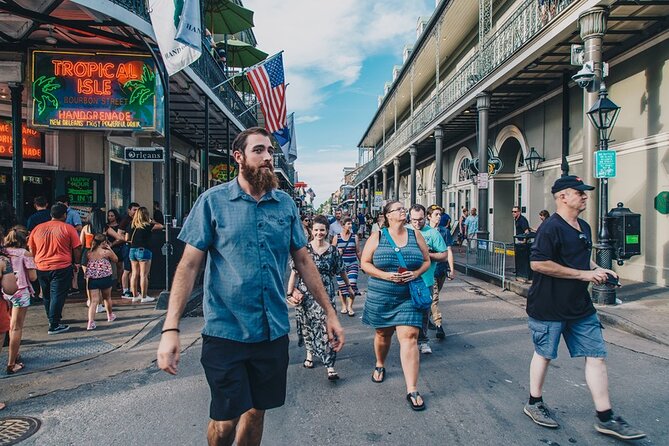
The main eating happens in the French Quarter portion, where you’ll stroll the historic streets and work through classic New Orleans flavors. You’re looking at about 1 hour 30 minutes here, and the pacing stays relaxed with regular stops. That matters, because you’re eating while walking—slow enough to enjoy, fast enough to keep momentum.
Your tastings are designed like a full meal
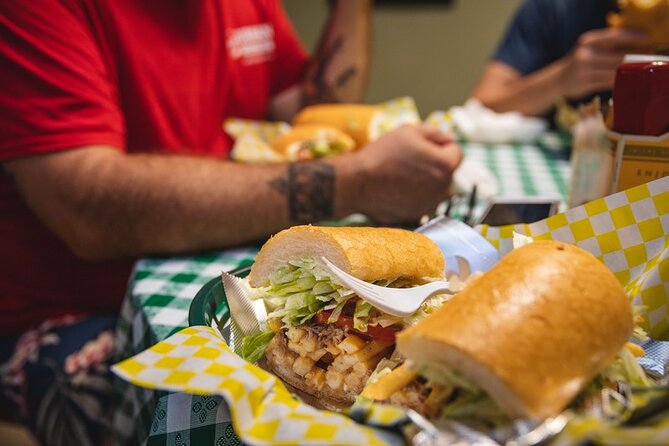
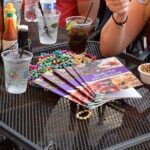
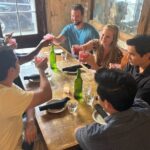
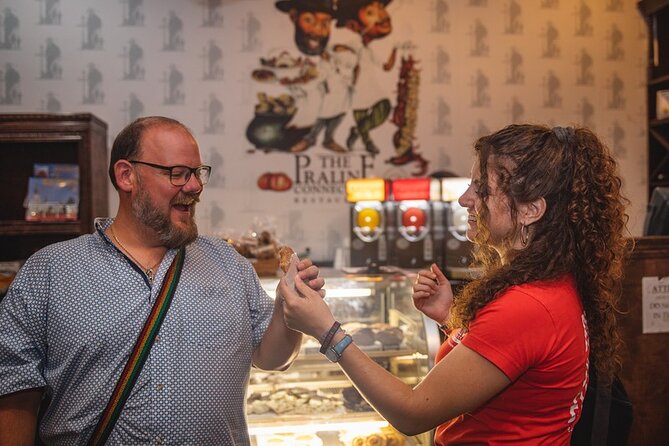
The tour includes 5 food samples, typically featuring items like gumbo, beignet, and a sandwich sample such as a Po’boy or Muffuletta. It also includes hot sauce tasting and a sweet finish with pralines. Depending on the day, you may see choices like jambalaya or red beans and rice.
Here’s how the lineup usually feels as a meal:
- Starter: gumbo (chicken & andouille or seafood, based on what’s available)
- Main: Po’boy or Muffuletta (with olive salad and Italian meats for the muffuletta sample)
- Another hearty plate: jambalaya or red beans and rice
- Dessert: beignet (fresh and hot)
- Dessert 2: pralines (New Orleans-style candied pecans)
Even without the exact menu repeating every day, the structure stays consistent. You’re not getting tiny crumbs meant to tease you—you’re getting enough to leave properly fed.
You can also read our reviews of more tours and experiences in New Orleans

Hot sauce tasting teaches you how New Orleans does heat
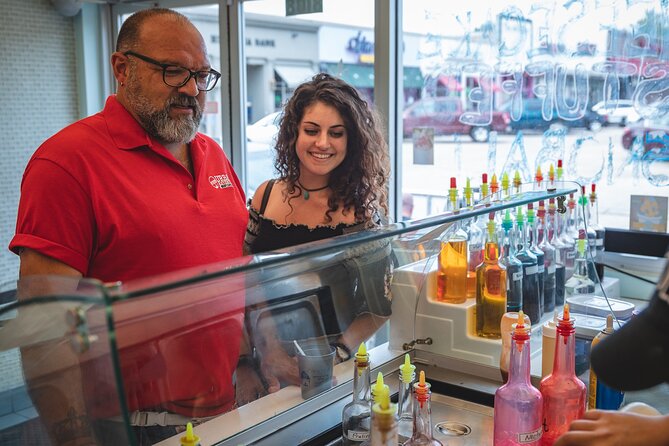
A big part of the experience is the hot sauce tasting and the explanation behind Louisiana’s spice heritage. In practice, this helps you understand why heat here isn’t just pain-on-a-plate. It’s part of balancing flavors, adding depth, and tying modern habits back to older traditions.
If you like spice, this is the moment to pay attention. If you don’t, taste thoughtfully and ask for help. The guide can steer you, and this is where a good guide really shows up.
You might also see specialty swap-ins like alligator sausage
Menus can vary with season and vendor availability, and some guides have included items like alligator sausage on similar routes. So if you have a specific food you hope to try, it’s worth asking your guide what’s likely that day, rather than assuming the menu example is the only option.
Cajun vs. Creole: the story that makes the food make sense
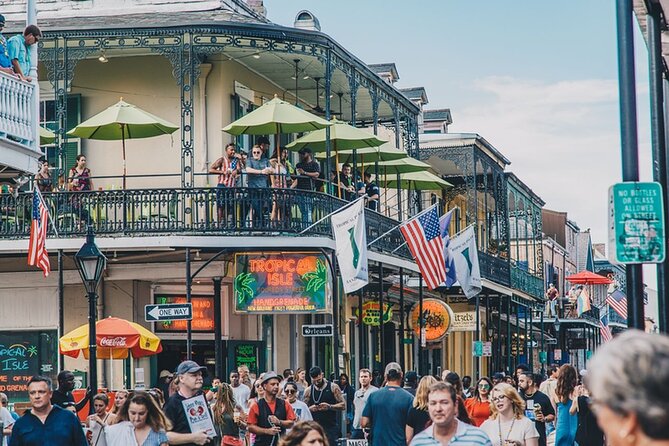
New Orleans food can look like one big melting pot from a distance. The tour’s big value is that it explains the split in plain language—Cajun roots, Creole influences, and how Southern cooking became the shared language of the region.
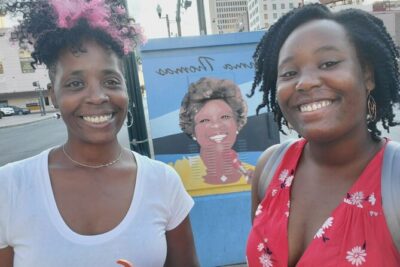
This is where the best guides shine. In past groups, guides like Andre and Neil have tied dishes to the people and places behind them, and they’ve answered questions as you walk. With Christy, the emphasis was on food plus confidence for exploring afterward—so you don’t just eat and leave; you start seeing the city’s patterns.
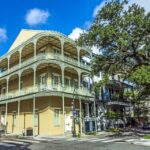
Chip has been a strong example of how food can act like a compass for architecture and neighborhood layout. You’re not only learning what to eat, but how the Quarter’s streets and landmark geography connect to how people lived and cooked.
And yes, some tours can feel heavier on storytelling than you expected. One review note in this set points out that it’s not a pure “food sampling every few minutes” experience. That’s a fair consideration. If your ideal day is constant snacks, go in knowing this is a walk-with-tastings + history format.
Walking logistics you can actually plan around
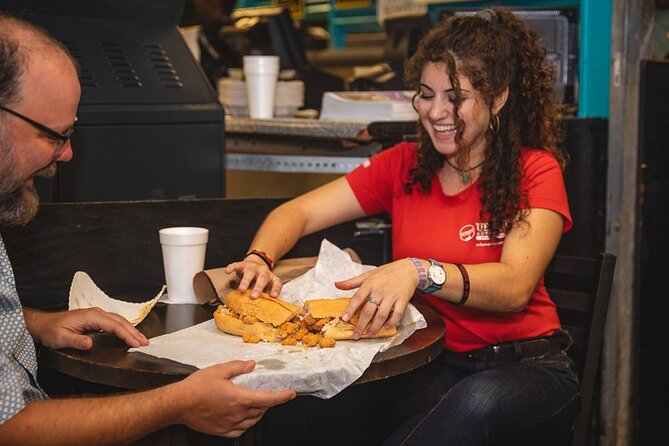
This is a walking tour covering about 14 blocks (roughly 1.5 miles / 2.4 km) on foot. The pace is described as relaxed, with regular stops, so you should be able to do it comfortably even if you’re not training for a marathon.
One practical win: it ends at Jackson Square. That means you can loop into more exploring right away—dinner planning, photo time, and post-tour wandering all become easier.
Also, it’s family-friendly. The tour is suitable for families, with children under 4 joining free, and a reduced child price for ages 4 to 11. If you’re traveling with kids, this is one of the easier ways to teach them about New Orleans without dragging them into museums for hours.
Price and value: what $81.10 buys you in real terms
At $81.10 per person, you’re paying for a guided, small-group experience with multiple stops and multiple tastings—not just a single restaurant meal.
Here’s what you get for that money:
- A local English-speaking guide
- A walking route covering key landmarks and the French Market
- 5 food samples plus hot sauce tasting
- A beignet and pralines to finish the meal the right New Orleans way
- A total food amount designed to equal a full meal
In New Orleans, food alone can easily run that number once you add drinks, tips, and the classic tourist trap meals you didn’t intend to buy. This tour bundles the tastings and the guidance together, which is why it tends to feel good value—especially on a first visit.
Group size and consistency matter too. When the tour caps at 12, it’s easier for the guide to manage questions, pacing, and any needs that come up.
Dietary needs: what you can control, and what you can’t
If you’re vegetarian or have a special diet, read this part carefully. The tour states that some stops are not always able to accommodate vegetarian or other dietary requirements. Substitutions may not be available at all locations.
The good news is that your guide will be happy to provide recommendations for where you can purchase suitable alternative food during the tour. That can turn a frustrating situation into a workable one—especially if you’re willing to treat the tour as a guide-led route rather than a guaranteed fixed menu for every dietary pattern.
My advice: contact in advance if the company offers that option, and make sure you clarify your needs early. Then bring a little flexibility. The menu varies by season and vendor availability, so your “best case” plan is possible, but your “every stop matches my diet perfectly” plan is not guaranteed.
Who this tour fits best (and who might skip it)
This tour is a strong fit if:
- You want a first-day orientation to the French Quarter with food as the thread
- You like guided storytelling that connects dishes to where they come from
- You prefer a small group walk rather than a big bus-style tour
- You want to leave fed, not just sampled
It may feel less perfect if:
- You want constant tastings at short intervals with minimal talking
- You need guaranteed vegetarian or allergy-safe substitutions at every single stop
- You’d rather do the French Quarter at your own pace with zero structure
Still, even if your food preferences are specific, it’s worth asking questions during booking. Guides like Kaffey and Neil have been described as attentive to individual food tastes and limitations on past tours, though the tour’s general policy still warns that not every stop can guarantee substitutions.
Should you book the New Orleans French Quarter Cajun and Creole Food Tour?
I’d book this tour if you’re visiting New Orleans for the first time and you want an efficient, friendly way to learn the city through food. The combination of Jackson Square + French Market + French Quarter tastings hits both landmarks and lived-in flavor culture. The included lineup—gumbo, Po’boy or Muffuletta, jambalaya or red beans, beignets, pralines, and hot sauce tasting—adds up to a real meal.
Book it especially if you like learning from a guide who connects the dots. In this set, guides like Christy, Andre, Neil, Chip, and Kaffey stand out for making history feel tied to what you’re eating, not like a lecture happening over your plate.
You might skip it if your top priority is a nonstop parade of snacks, or if you need strict dietary substitutions at every stop. In those cases, ask hard questions before you commit, and plan a backup snack strategy.
If the French Quarter is your must-do and you want to understand Cajun and Creole cuisine beyond the hype, this is a solid choice.
FAQ
How long is the New Orleans French Quarter food tour?
It runs for about 2 hours 30 minutes.
Where does the tour start?
The meeting point is at 701 Decatur St, New Orleans, LA 70116, near Jackson Square.
How many food samples are included?
The tour includes 5 food samples, such as beignet, gumbo, and a Po’boy sample, plus other items that may vary by availability.
Is the tour suitable for vegetarians or people with dietary restrictions?
Some stops may not always accommodate vegetarian or other dietary needs, and substitutions may not be available at every location. Your guide can offer recommendations for where you can purchase suitable alternatives during the tour.
How much walking is involved?
Expect about 14 blocks, roughly 1.5 miles (2.4 km), with a relaxed pace and regular stops.
Is it family friendly?
Yes. Children under 4 can join free of charge, and children aged 4 to 11 have a reduced child price.