REVIEW · NEW ORLEANS
New Orleans: Felicity Plantation Guided Tour
Book on GetYourGuide →Operated by St. Joseph Planting and Manufacturing CO LTD · Bookable on GetYourGuide
Felicity Plantation has movie-set drama with real stakes. This guided stop pairs Greek Revival meets Creole architecture with a working sugarcane farm still active today, and it uses the rooms and grounds to explain what life meant for enslaved and free laborers. The main thing to consider is that it is not suited for wheelchair users or people with mobility impairments, since you’ll be walking around the property.
One more reason I think it works: the guide storytelling is focused and human. You’ll also get practical context for the Mississippi River plantations, plus film-and-TV recognition in the same place—so it feels like you’re learning and looking at the setting at the same time.
Key highlights worth planning for
- Greek Revival + Creole influence in a mid-1800s home built between 1844 and 1847
- A sugarcane operation still running today, linking past and present fields
- Clear interpretation of enslaved and free labor connected to the estate
- On-site film and TV connections, including Skeleton Key and 12 Years a Slave
- A small, guided walkthrough of the house and grounds (about 90 minutes total)
- English-language live guide who brings the property’s stories to life
In This Review
- Felicity Plantation on the River Road: What Makes This Tour Special
- The Greek Revival Home (Built 1844–1847) You’ll Actually Remember
- A Working Sugarcane Farm Still Operating Under the Same Ownership
- The Stories of Enslaved and Free Laborers (And Why It’s Not Just “Facts”)
- Movie and TV Filming Connections You Can Spot Without Being a Film Geek
- How the 90 Minutes Flow: From Check-In to House and Grounds
- What you can realistically do during the walk
- What may be less comfortable
- Price and Value: Is $24 Worth It for a 90-Minute Tour?
- Getting There, What to Bring, and Simple Tour Rules
- Bring
- Don’t bring / avoid
- Who Should Book Felicity, and Who Might Want a Different Option
- Should You Book Felicity Plantation Guided Tour?
- FAQ
- How long is the Felicity Plantation guided tour?
- How much does the tour cost?
- Where do I check in for the tour?
- What is included in the ticket price?
- Is transportation or food included?
- Is the tour wheelchair accessible?
Felicity Plantation on the River Road: What Makes This Tour Special
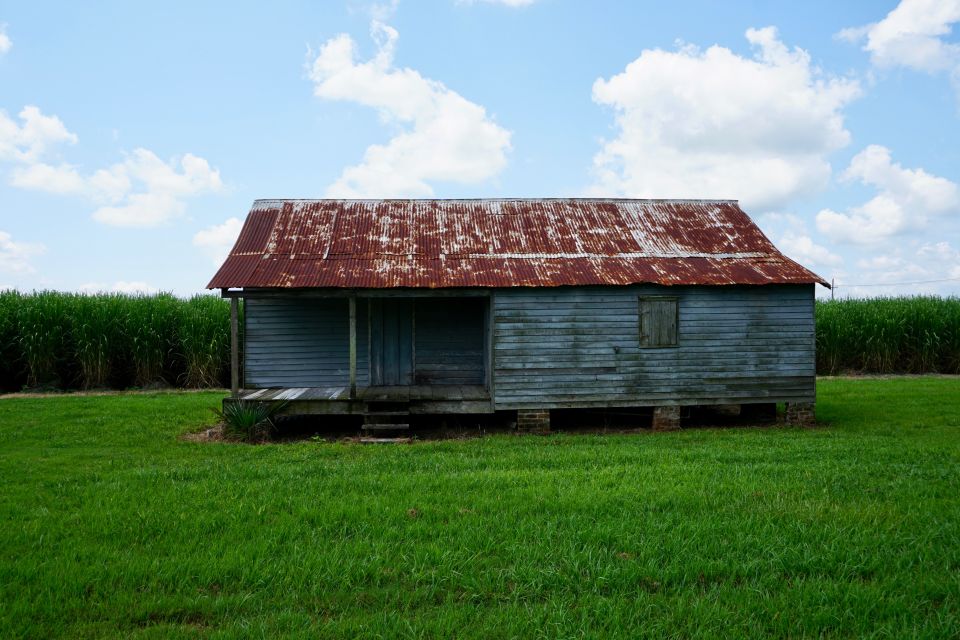
If you’ve done the big-name plantation tours and felt like you were watching history from a distance, Felicity Plantation plays differently. It’s the sister property to St. Joseph Plantation, and it combines a striking mid-19th-century house with the reality that sugarcane farming is still happening. That matters, because you’re not only seeing buildings. You’re seeing a working agricultural system that connects directly to the plantation economy.
I also love that the tour doesn’t treat labor as a vague background detail. The guide interpretation focuses on the people—enslaved and free laborers—who lived and worked here. You’re guided through the preserved home and grounds, but the conversation keeps coming back to what the estate required to function.
The other big advantage is value. At $24 per person for a 90-minute guided experience, you’re paying for a focused visit that blends architecture, agriculture, and cultural context without turning it into an all-day commitment.
The Greek Revival Home (Built 1844–1847) You’ll Actually Remember
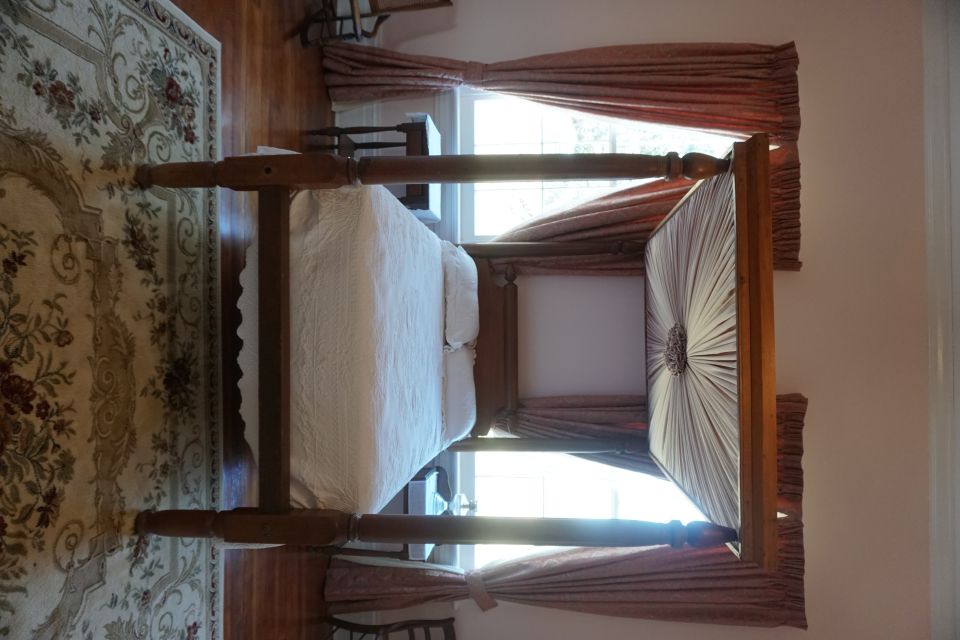
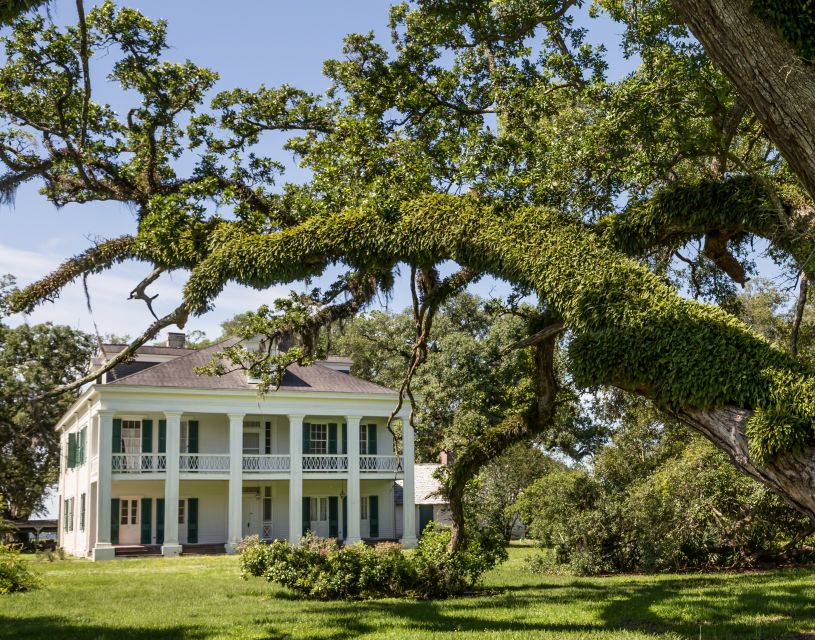
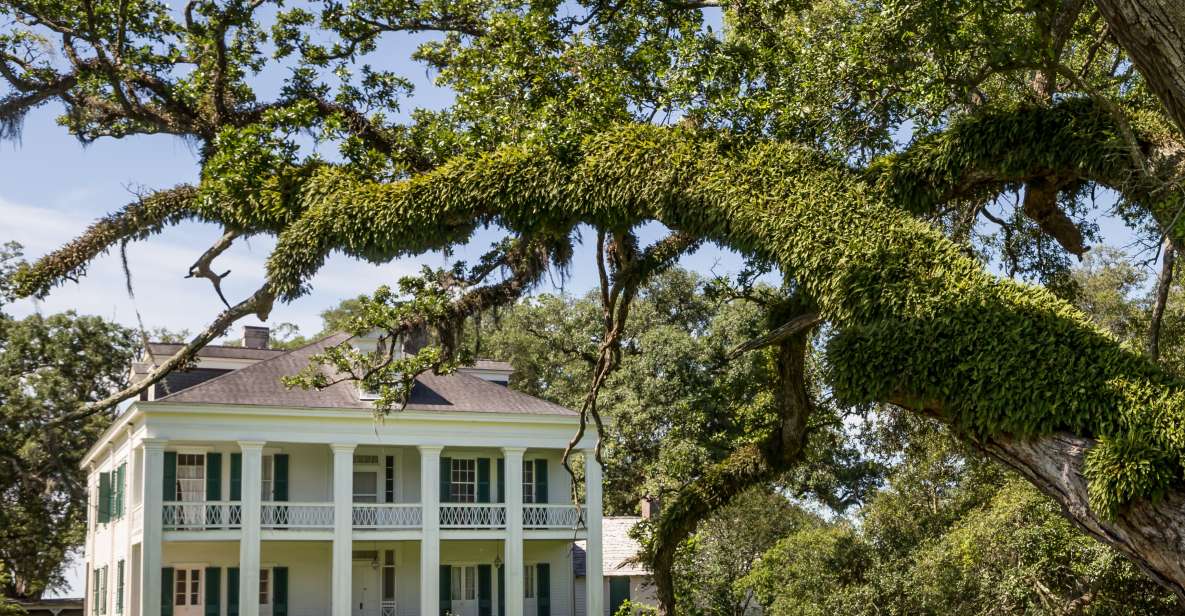
Felicity is one of those plantation houses that looks unmistakable once you’ve seen it. Construction dates to 1844 to 1847, and the result is a blend: Greek Revival style with a strong Creole influence. That mix gives the house a particular presence along the Mississippi River, and it’s part of why the property has become so recognizable.
Here’s the useful part for your trip planning: this isn’t just a pretty backdrop. The architecture is a way to read the period and the mindset behind the plantation system—how wealth, taste, and power were displayed in wood, plaster, and layout. When your guide points out features, you’ll likely start noticing how design can communicate status, function, and hierarchy.
Also, Felicity is often described as a key landmark along the Mississippi River corridor. Even if you don’t know architectural terms, you’ll understand the vibe quickly: this place was meant to be seen, and it’s still visually strong today.
You can also read our reviews of more guided tours in New Orleans


A Working Sugarcane Farm Still Operating Under the Same Ownership
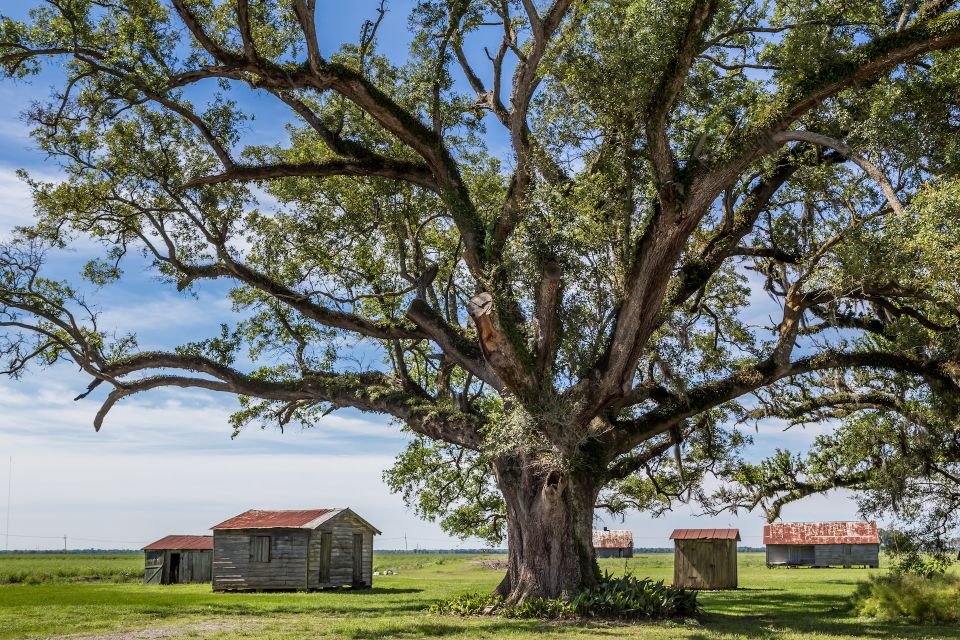
One reason Felicity feels different is that it isn’t frozen in time. In 1877, the Waguespack family purchased Felicity along with neighboring St. Joseph at a sheriff’s sale. By 1901, those estates were combined into a single sugarcane operation of about 2,500 acres, and the plantation continues under the same ownership today.
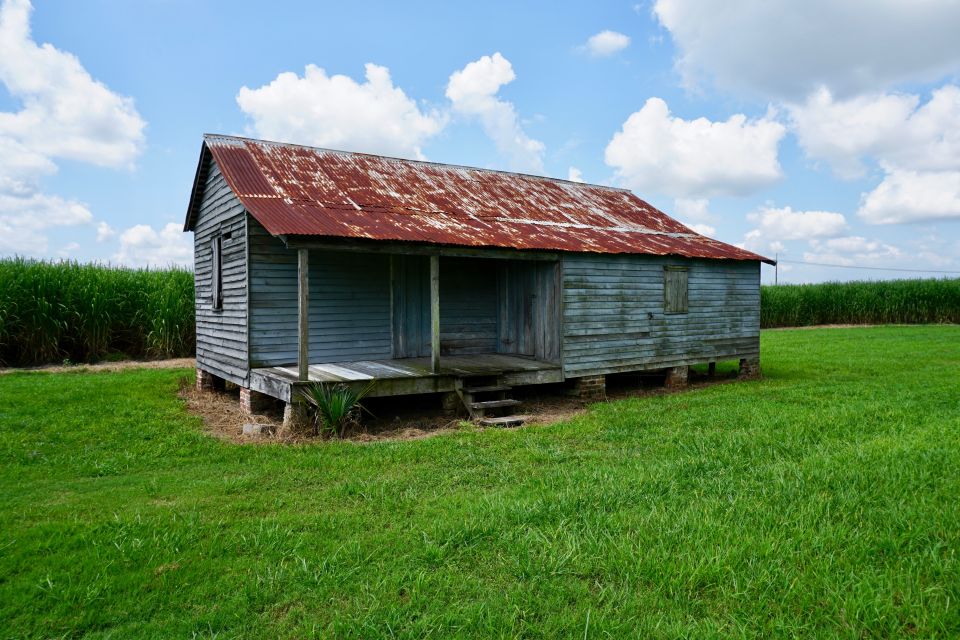
So when you’re on the grounds, you’re not only walking past historic structures. You’re seeing how the land is still used. Sugarcane is still grown and harvested here, which creates a direct line between the plantation’s past and its present role as both a historic site and a functioning farm.
What to pay attention to: your guide will connect agriculture to the human story. That connection can be uncomfortable, but it’s also where the tour becomes genuinely informative. Farming wasn’t separate from the plantation system; it powered it.
The Stories of Enslaved and Free Laborers (And Why It’s Not Just “Facts”)
Plantation tours can go two ways: either they skim the surface, or they tell the truth and accept that it’s heavy. Felicity’s guided interpretation includes the realities of enslavement, and it also acknowledges what happened after emancipation—generations of workers who remained and continued sustaining the plantation well into the 20th century.
That matters because the plantation economy didn’t end overnight. Even when legal conditions changed, the labor system, social structure, and economic reliance on the fields often carried forward in new forms. A tour that mentions only enslaved people, and then stops, leaves you with a distorted timeline. Here, the emphasis on both enslaved and free laborers gives you a broader view of how life functioned across time.
And it’s not just academic. You’ll be shown how the estate’s privilege and hardships shaped daily existence. If you’re hoping to understand the region’s culture and agriculture without ignoring the cost, this is the part of the tour that does the most work.
One useful note: the tour is guided, so you’re not left to guess what you’re looking at. That interpretation helps you connect the home, the fields, and the labor system into one story.
Movie and TV Filming Connections You Can Spot Without Being a Film Geek
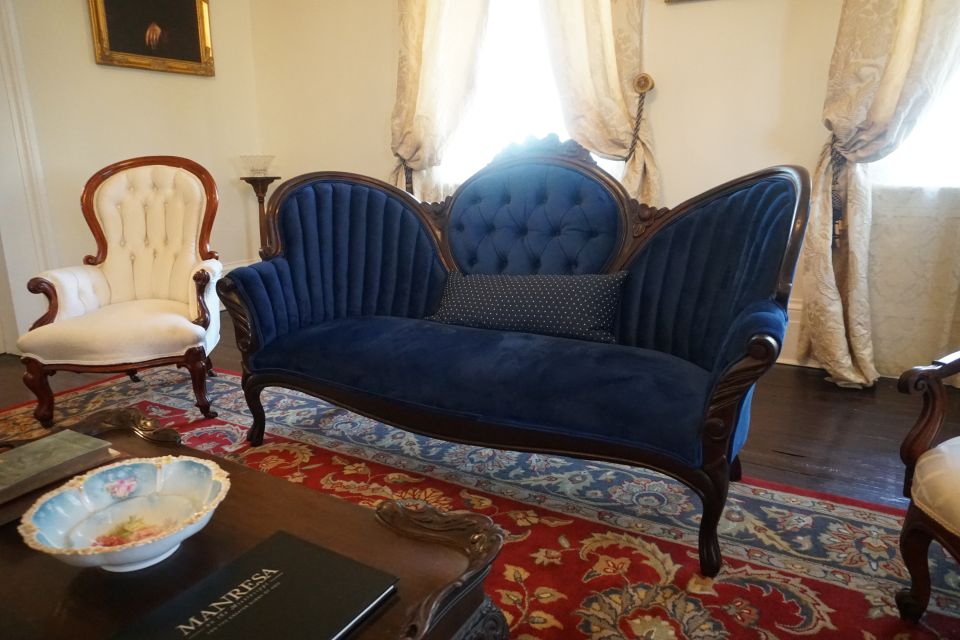
Felicity has been used as a setting for several well-known productions, and your guide may help you recognize filming connections as you move through the property. According to the tour description, the site appears in titles including:
- Skeleton Key
- 12 Years a Slave
- the remake of Roots
- Underground
- Filthy Rich
This is handy for you even if you don’t binge historical TV. Seeing the same exterior or dramatic setting referenced in film and then hearing how it connects to real plantation life creates a useful tension. It helps you hold two ideas at once: the place can look cinematic, and it can also represent real human suffering.
If you like details, one of the standout comments from past visitors is how the setting can feel surreal. They even mentioned adorable little foxes on the grounds. You can’t plan on spotting wildlife, but it’s a reminder that the property isn’t just staged for photos—it’s an outdoor working environment too.
How the 90 Minutes Flow: From Check-In to House and Grounds
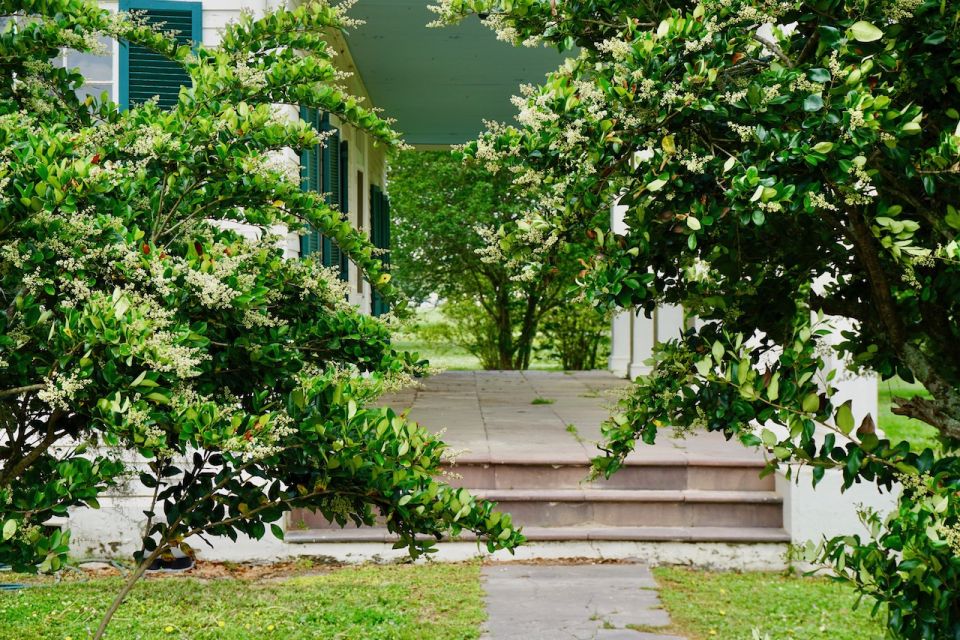
The tour centers on Felicity Plantation, and it’s designed as a guided experience (English live guide). The total visit time is 90 minutes, and the ticket includes the guided tour plus an option to walk around and view the grounds.
The practical rhythm usually goes like this: you’ll check in, meet your guide, and then spend your time inside the preserved home and on the property grounds. This format is a big part of the value. You’re not wandering alone trying to decode what matters. You have context as you look.
You should also expect a guided focus that connects architecture to life and labor. In other words, your guide isn’t just reciting facts like a brochure. The tour narrative is built around the people tied to the house and the fields, and you’ll likely leave with a clearer sense of how the estate operated as an agricultural business.





What you can realistically do during the walk
- Take in the home’s visual features that represent the Greek Revival and Creole blend
- Follow the guide’s explanation of how the plantation functioned
- Use your free time to walk the grounds at your own pace within the tour structure
What may be less comfortable
You’ll be on your feet. The property is not listed as suitable for wheelchair users or visitors with mobility impairments. Even if you’re fine with walking, wear shoes you trust, and don’t count on the tour being a sit-down lecture the whole time.
Price and Value: Is $24 Worth It for a 90-Minute Tour?
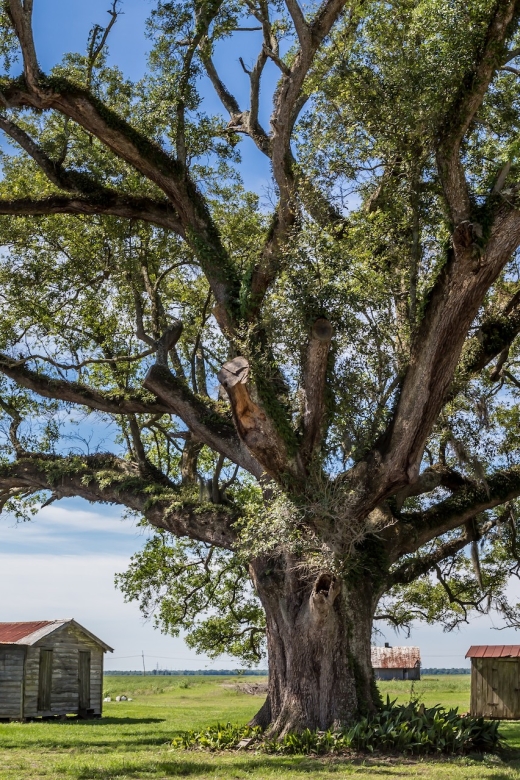
At $24 per person for about 90 minutes, this is one of the more straightforward-priced plantation tours in the area. You’re not paying for transportation, and food and drinks aren’t included—but you are paying for a guided experience that combines three things that often get separated elsewhere: the house, the labor interpretation, and the working sugarcane context.
Here’s how I’d judge the value if you’re comparing options:
- Included guidance: you’re getting a live English tour guide, not a self-guided ticket
- Skip the ticket line: your time is more likely spent actually touring
- Working farm context: you’re connected to current agriculture, not just preserved rooms
- Focused duration: 90 minutes is long enough for meaningful explanation without swallowing your whole day
If your goal is to understand the plantation system through the lens of architecture plus the field economy, this is a good fit. If you want a multi-hour, deep museum-style experience with lots of stops, you might prefer a longer itinerary elsewhere. But for many travelers, Felicity hits the sweet spot: enough time to learn, not so long that you lose momentum.
Getting There, What to Bring, and Simple Tour Rules
Check-in happens at the gift shop next door at St. Joseph Plantation, located at 3535 LA-18, Vacherie, LA 70090. Plan to arrive at least 15 minutes early so you can get checked in before the tour starts.
Bring
- Comfortable shoes (you’ll be walking the grounds)
Don’t bring / avoid
- Alcohol and drugs are not allowed
- Bare feet aren’t allowed
Also remember food and drinks are not included. If you’re pairing this with other stops in the region, have a plan to eat before or after.
Who Should Book Felicity, and Who Might Want a Different Option

This tour is especially good for you if you want:
- A guided plantation visit with interpretation that includes labor realities
- Architecture you can actually look at, not just “drive-by” scenery
- A chance to see how a plantation estate connects to a working sugarcane farm
- Film-and-TV recognition alongside real-world context
It’s less ideal if:
- You need wheelchair access or mobility-friendly routing, since it isn’t suitable for wheelchair users
If you’re traveling with kids, it can work—but you’ll want to consider how they handle serious historical themes. The tour does include stories of enslavement and the ongoing labor system after emancipation, so it’s not a purely light, casual outing.
Should You Book Felicity Plantation Guided Tour?
I’d book this if you want a compact, meaningful tour that ties together mid-1800s architecture, sugarcane agriculture, and human stories instead of treating the plantation house as a postcard. The $24 price for 90 minutes is also a strong reason to choose it—especially if you’re building a River Road day and you don’t want something that drags on.
Choose it with confidence if you value clear guide storytelling and you’re ready to learn the uncomfortable parts of plantation life. Skip it if you need wheelchair-friendly access or if you’re looking for a mostly entertainment-first outing.
If your travel style is: see the setting, understand what it meant, then move on—you’ll probably enjoy Felicity Plantation a lot.
FAQ
How long is the Felicity Plantation guided tour?
The tour lasts about 90 minutes in total.
How much does the tour cost?
Tickets are $24 per person.
Where do I check in for the tour?
Check in at the gift shop next door at St. Joseph Plantation, 3535 LA-18, Vacherie, LA 70090.
What is included in the ticket price?
Your ticket includes the guided tour of Felicity Plantation, with an option to walk around and view the grounds. It also notes skip the ticket line.
Is transportation or food included?
No. Transportation, food, and drinks are not included.
Is the tour wheelchair accessible?
No. The tour is not suitable for wheelchair users or people with mobility impairments.