REVIEW · NEW ORLEANS
New Orleans: Airboat Swamp & City and Katrina Tour Combo
Book on GetYourGuide →Operated by Louisiana Tour Company · Bookable on GetYourGuide
Alligators and Katrina stories in one packed day. This combo is interesting because you get New Orleans context in a comfortable minibus and then trade streets for an open-air airboat in the wetlands. Two things I especially like: hotel pickup (so you don’t waste time wrangling transit) and the way the day connects landmarks to real post-Katrina recovery. One drawback to think about: food and drinks are on your own, so you’ll want to plan for snacks between the city portion and swamp time.
The structure makes sense if you want both the postcard and the harder stuff. You’ll see major sights like Jackson Square, St. Louis Cathedral, and The Cabildo, then you’ll cross into areas that were heavily affected by Hurricane Katrina and learn what rebuilding actually looks like. After that, you’ll go for speed, wildlife spotting, and Cajun wetland history, guided by people who know the swamp.
In This Review
- Key moments that make this combo tour work
- How the full day flows: from minibus comfort to swamp-speed thrills
- The city portion: getting oriented in New Orleans with a real guide
- Jackson Square to St. Louis Cathedral and The Cabildo
- Esplanade Avenue, City Park’s Dueling Oaks, and a short stroll with a big payoff
- St. Charles Avenue and the Garden District: elegance plus a pop-culture thread
- The Lower Ninth Ward after Katrina: learning what rebuilding looks like now
- The swamp and airboat portion: how speed, wildlife, and Cajun wetland life fit together
- The airboat itself: why it feels like a machine from another planet
- Alligators and wildlife: what you should expect
- Weather reality: open boat, so plan to get wet
- What to bring (and what to avoid) for an airboat day
- Price and value: $140 for pickup, a guide, cemetery admission, and an airboat
- Who should book this Katrina + airboat combo
- Should you book this New Orleans airboat and Katrina day?
- FAQ
- How long is the tour?
- Does the tour include hotel pickup and drop-off?
- What city sights are covered during the New Orleans part?
- Is the airboat ride included?
- What’s included with the price?
- Are meals included?
- What should I bring for the airboat?
- Who can’t participate in the airboat portion?
- Is cancellation free if I change plans?
Key moments that make this combo tour work
- Hotel pickup and drop-off: You start from your accommodation and end back there, which matters in a city with traffic and detours.
- A 3-hour city-and-Katrina minibus tour: You’re not just looking; you’re learning why each place fits into the story of the city.
- St. Louis Cemetery No. 3 on foot: You’ll get the chance to experience one of the most famous New Orleans burial traditions up close (with admission included).
- Airboat speed with stadium-style seating: Fast rides, close wildlife encounters, and photo stops led by the captain.
- Wildlife odds are season-dependent: In colder months, you have better than a 50/50 chance of seeing an alligator; in warmer months, seeing one is more likely.
- Wetlands knowledge beyond a thrill ride: Expect lessons on how Cajuns lived in the wetlands outside New Orleans.
How the full day flows: from minibus comfort to swamp-speed thrills
This is a full-day combo built around two very different modes of travel: a guided city loop first, then a swamp adventure with an airboat. The total time is about 450 minutes (7.5 hours), and while the city and swamp order is designed to be logical, it can shift based on availability and weather. Translation for you: plan for a long, active day rather than a quick taste.
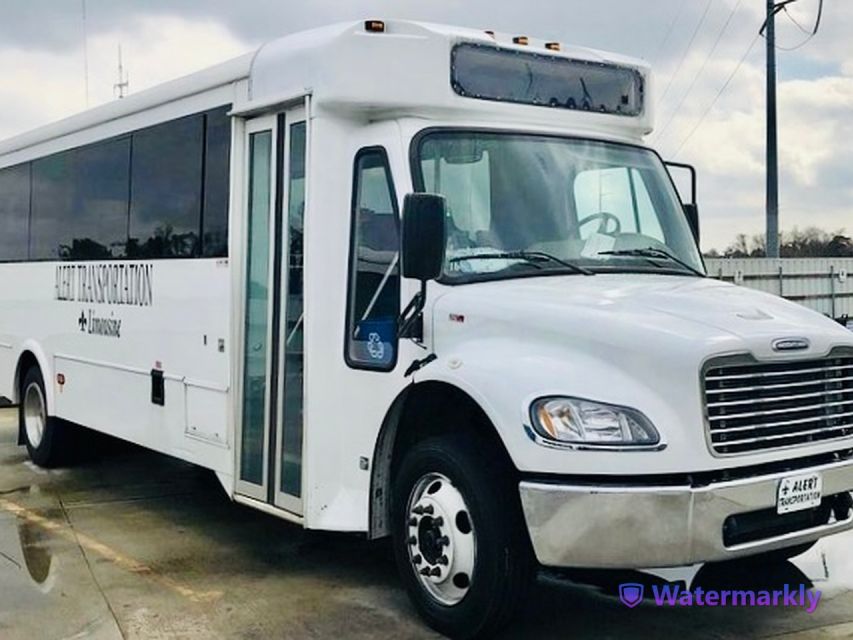
You’ll get hotel pickup with a 30-minute window (between roughly 9:30 AM and about 10:00 AM), and you should watch for a bus marked Alert Transportation. That early start helps you fit both the city and the wetlands without running the day ragged.
Once you’re onboard, the city portion is run by a licensed guide and handled in an air-conditioned minibus. Then you move out to the swamp for the airboat ride, which is conducted in an open boat—so weather turns into part of the experience, not a side note.
You can also read our reviews of more city tours in New Orleans



The city portion: getting oriented in New Orleans with a real guide

I love guided orientation tours that do more than point and name. This one is built for that. In about 3 hours on the minibus, you’ll cover key landmarks and also the areas hit hardest by Hurricane Katrina, with explanations focused on rebuilding and what life looks like now.
Your timing here is practical: it’s long enough to see multiple neighborhoods, but not so long that you’re stuck listening forever. You’ll get breaks in the form of photo stops and walking time at at least one major site.
If you’re the type who wants to understand the city before you wander independently later, this part does the heavy lifting. It also gives you a map in your head, which makes your later self-guided exploring much easier.
Jackson Square to St. Louis Cathedral and The Cabildo
The day starts with some true “you’re in New Orleans” landmarks: Jackson Square, St. Louis Cathedral, and The Cabildo (the former seat of Spanish colonial city hall). Seeing these early matters because you’re about to spend the rest of the day thinking about the city’s layered past and its post-disaster reality.
Jackson Square is one of those places where the architecture and layout teach you a lot just by looking. St. Louis Cathedral reinforces the religious and civic weight of the French Quarter area. The Cabildo is valuable because it connects you to the Spanish colonial thread, which is easy to miss if you only focus on Creole or French eras.
If you want to get more out of your later French Quarter time, treat this as your warm-up lap. You’ll likely walk through these areas again later with clearer context—and fewer “wait, what is this?” moments.
Esplanade Avenue, City Park’s Dueling Oaks, and a short stroll with a big payoff
One of the best parts of the city segment is how it mixes famous sights with something a little less “checklist-y.” Passing century-old homes on Esplanade Avenue gives you a feel for the residential New Orleans that many people skip when they only chase the Quarter’s crowds.
Then you’ll head toward City Park’s Dueling Oaks, a recognizable stop that signals you’re moving beyond the central French Quarter. This is where the tour quietly does something smart: it helps you see New Orleans as a whole city, not just a single district.
You also get walking time at a standout location: a unique above-ground cemetery included with St. Louis Cemetery No. 3 admission. The tour includes time on foot and explains the reasons behind the burial tradition. Even without you being a cemetery person, this is one of the most distinct “only-in-New-Orleans” experiences you can fit into a day.
St. Charles Avenue and the Garden District: elegance plus a pop-culture thread
Next up is St. Charles Avenue, leading you toward the Garden District—often called the American side of the city compared with the French Quarter. This stop changes the mood fast. The architecture and street feel more like a different city, which helps you appreciate how New Orleans grew in different directions.
You’ll pass the residence of Anne Rice, which adds a cultural hook beyond architecture. If you’ve read any of her work, this kind of passing recognition can make the neighborhood feel even more personal.
This section is also a nice contrast to the Katrina-focused parts of the day. You get a reminder that the city has always been about more than crises—people built neighborhoods, developed styles, and kept living. The contrast makes the later recovery discussion hit harder, because you can see what’s being protected and restored.




The Lower Ninth Ward after Katrina: learning what rebuilding looks like now

The Lower Ninth Ward stop is the emotional center of the city tour. You’ll witness areas most impacted by Hurricane Katrina and hear about how residents are rebuilding. This is not a “look at the tragedy” moment; it’s meant to explain the long aftermath and what recovery requires.
For you, that means the tour doesn’t just deliver a timeline—it gives you a lens. Once you understand what the city experienced, you’ll read the landscape differently when you see newer development or long-standing damage.
One practical point: keep your expectations realistic. A minibus tour can’t show everything, and it can’t replace on-the-ground visits with local organizations. But it can give you the foundation you’d need to explore responsibly on your own afterward.
The swamp and airboat portion: how speed, wildlife, and Cajun wetland life fit together
After the city segment, you head to the swamp area for the airboat ride. This is where the day turns into pure adrenaline, but it’s also where the tour proves it’s more than just thrill-seeking.
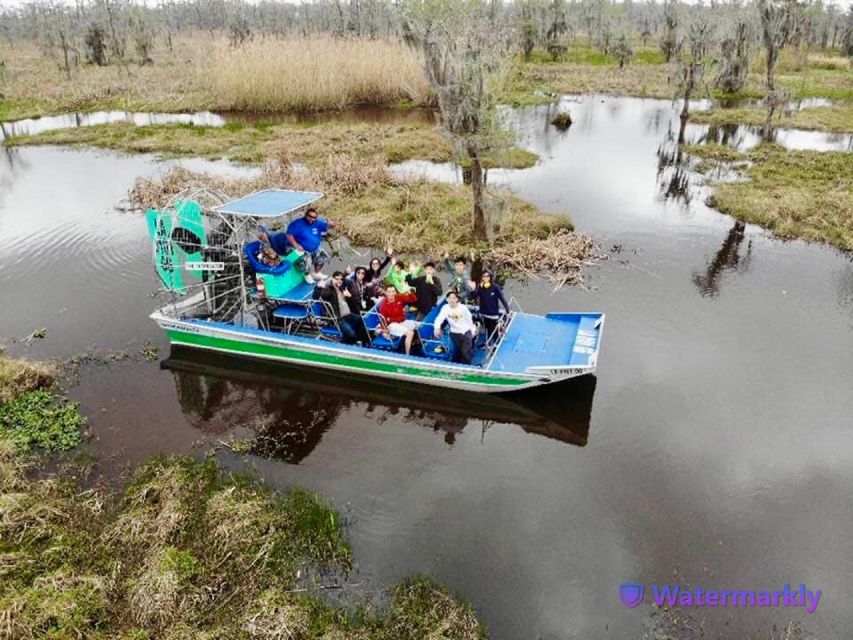
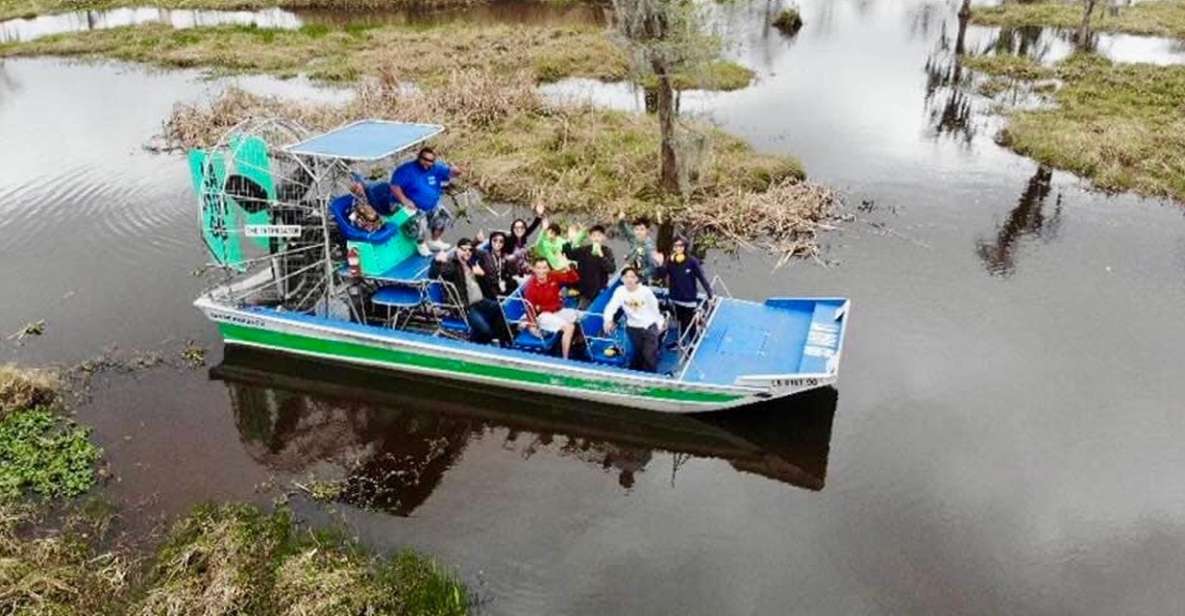
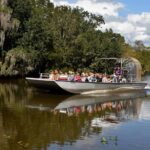
The airboat ride is designed with stadium-seated seating and includes photo stops guided by a local captain. The captain’s job here isn’t only steering; it’s spotting wildlife and interpreting what you’re seeing in the marsh, swamp, and lake mix.
The airboat itself: why it feels like a machine from another planet
You’ll be on an airboat powered by a 454 Chevy engine, reaching speeds up to 35 mph. The big detail is the fan: it blows air at 200+ mph, which helps the boat ride over and through shallow, tricky water.
It’s built to navigate inches-deep water—places you can’t access by foot or normal car roads. For you, that means the ride is not just a loop; it’s a practical way to get into habitat.
Alligators and wildlife: what you should expect
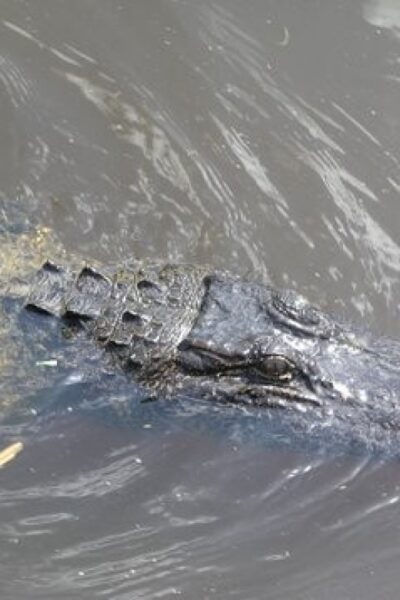
If you’re hoping for wildlife, you’re in the right place. The tour focuses on close encounters with alligators, and the captains are experienced at finding where to look. The odds are spelled out clearly for you:
- In the colder months, you have a better than 50/50 chance of seeing an alligator.
- In warmer months, you’re more likely to see one.
And it’s not only alligators. You might spot species like bald eagles, pelicans, osprey, or owls. The route is described as unique each time, meaning you’re not guaranteed the same sights from day to day.
Weather reality: open boat, so plan to get wet
This part is crucial. The airboat is performed in an open boat. If it rains, you will get wet. The good news is you can purchase inexpensive rain ponchos at the swamp tour gift shop.
Also note the tour is not a casual sit-and-watch. It’s high-speed and physical in the way you brace your body and hold on as the boat cuts through water. That’s part of the fun, but it’s also why the safety rules matter.
What to bring (and what to avoid) for an airboat day
I like that the company sets expectations clearly, because it helps you come prepared.
Bring:
- Sunscreen
- Comfortable shoes
- Sportswear
- If it’s colder: a coat and long pants
- If it’s hot and sunny: a hat
For gear, you don’t need to bring hearing protection—it’s provided. You’re also in a better position than you think for wildlife spotting because the captain guides photo stops and knows where animals tend to be.
Avoid surprises:
- Airboat tours are in an open boat, so you might get wet if rain hits.
- Because of the ride’s nature, the tour is not suitable for pregnant women and for people with neck or back problems.
- Children must be 48 inches tall to sit and wear a seat belt.
- If you’re under 3 ft 9 in (120 cm), this isn’t a match.
If you’re traveling with mobility or comfort concerns, consider that the airboat rules are strict. That’s not punishment; it’s how they keep the ride safe.
Price and value: $140 for pickup, a guide, cemetery admission, and an airboat
At $140 per person for about 7.5 hours, the value depends on what you’d otherwise pay for separately. Here’s what you’re getting for your money:
- Hotel pickup and drop-off
- Air-conditioned minibus transportation
- A licensed guide and guided city tour
- St. Louis Cemetery No. 3 admission
- Educational swamp tour plus airboat ride
- Experienced airboat captains
- Hearing protection provided
Food and drinks are not included, though there’s a snack and souvenir shop with items you can purchase like candy, chips, sandwiches, muffins, and drinks. That means the tour is set up as a bundled experience, but you’ll still want a plan for snacks.
I think this price makes sense if you want:
1) city orientation plus Katrina context without navigating traffic on your own, and
2) a real swamp transport setup (airboat captains and wildlife spotting), not just a basic countryside drive.
If you already have a car and plan to handle cemetery and swamp logistics independently, the value would be less obvious. But for most visitors, the included pickup, guide, and admission make this feel like time purchased—not just tickets bought.
Who should book this Katrina + airboat combo
This works best for people who want more than two separate activities. It’s built for you if you like structure—seeing the biggest landmarks with context—and then switching gears to an active, nature-led ride.
You’ll enjoy it most if:
- You want a guided foundation for future self-exploring in New Orleans
- You care about understanding what happened in Katrina and how rebuilding is progressing
- You’re open to wildlife and speed, and you’re okay with an open-air ride that can get wet
You might reconsider if:
- You’re sensitive to long days or open-boat rain exposure
- You or your group falls under the ride restrictions (pregnancy, neck/back issues, or height requirements)
Should you book this New Orleans airboat and Katrina day?
I’d book it if your ideal day includes a guided walkthrough of major landmarks, a serious look at Katrina’s impact, and then a high-energy swamp ride with wildlife potential. The combination is smart: it teaches you how the city got where it is, then gives you a very New Orleans contrast—wetlands, Cajun life, and fast airboat travel.
Just be honest with yourself about comfort and meals. Pack sunscreen, bring long pants if it’s cool, and plan to buy snacks on your own during the day. If that fits your style, this is a strong choice for a single full day in New Orleans.
FAQ
How long is the tour?
The total duration is about 450 minutes, which is roughly 7.5 hours.
Does the tour include hotel pickup and drop-off?
Yes. Pickup at your New Orleans accommodation is included, and you’ll also be dropped off at included locations.
What city sights are covered during the New Orleans part?
You’ll visit landmarks such as Jackson Square, St. Louis Cathedral, and The Cabildo, plus sights along Esplanade Avenue and St. Charles Avenue. You’ll also see areas that were most impacted by Hurricane Katrina.
Is the airboat ride included?
Yes. The experience includes an airboat ride with photo stops guided by the captain.
What’s included with the price?
Hotel pickup and drop-off, transportation by air-conditioned minibus, a licensed guide, guided tour, St. Louis Cemetery No. 3 admission, the educational swamp tour, and the airboat ride (with experienced captains and hearing protection provided).
Are meals included?
No. Food and drinks are not included, but there is a snack and souvenir shop where you can purchase items.
What should I bring for the airboat?
Bring sunscreen, comfortable shoes, and sportswear. On colder days, a coat and long pants help. On sunny days, bring a hat.
Who can’t participate in the airboat portion?
Pregnant women and people with neck or back problems can’t participate. Children must be at least 48 inches tall.
Is cancellation free if I change plans?
Yes. You can cancel up to 24 hours in advance for a full refund.