REVIEW · NEW ORLEANS
New Orleans: Traditional City and Estate Tour
Book on GetYourGuide →Operated by Tours by Isabelle · Bookable on GetYourGuide
One morning, the city feels like a story. This 4-hour New Orleans Traditional City and Estate Tour strings together the French Quarter, St. Louis Cemetery #3, and City Park so you get context, not just snapshots. I especially like the way the tour moves from famous streets to quieter corners, then back to the classic Uptown look with Esplanade Avenue mansions and St. Charles Avenue views.
The big thing to weigh is pacing. You do spend a fair amount of time riding in the vehicle between stops, so if you want nonstop walking and frequent photo stops, plan on being a little patient.
In This Review
- Key highlights worth aiming for
- A 4-hour sweep that keeps you moving, but not rushed
- French Market and the French Quarter: get your bearings fast
- Old U.S. Mint, Esplanade Ave mansions, and Bayou St. John scenery
- St. Louis Cemetery #3: above-ground burial makes sense here
- City Park and the Besthoff Sculpture Gardens: a calm 1-hour reset
- Lake Pontchartrain levees and the Causeway’s big-picture view
- Uptown classics: Carrollton, Tulane and Loyola, streetcar line, and St. Charles Avenue
- What’s included, what’s not, and how to plan your day
- Who this tour suits best (and who should be cautious)
- FAQ
- How long is the New Orleans Traditional City and Estate Tour?
- What’s included in the price?
- Is food included?
- What language is the tour guide?
- Are umbrellas provided?
- Are there any limits on bags?
- Should you book this tour?
Key highlights worth aiming for
- French Market tastings and a real sense of local food history before the streets get dramatic
- St. Louis Cemetery #3, where you’ll learn why New Orleans burials are above ground
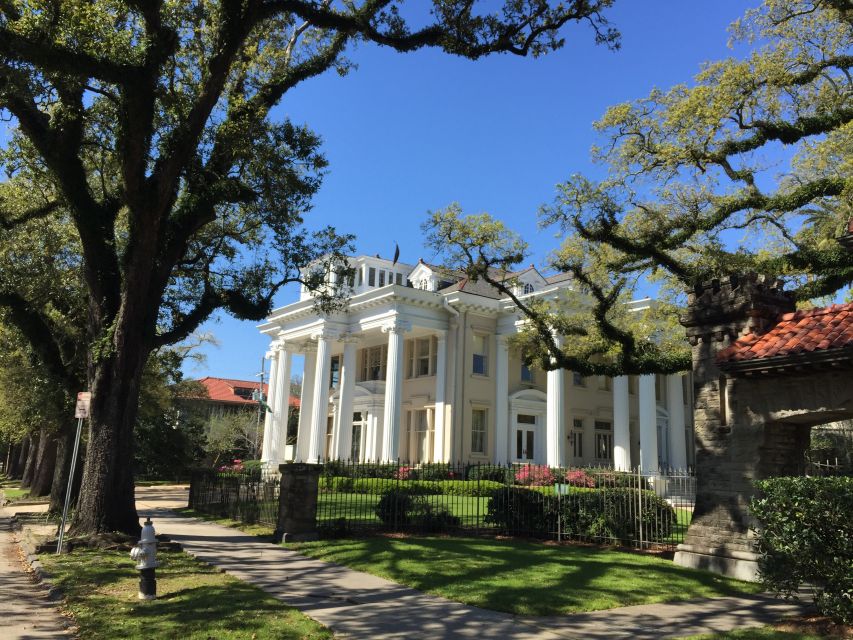
- Esplanade Avenue mansion walking, including the kind of details you miss when you rush through
- City Park’s Besthoff Sculpture Gardens for a full 1-hour visit in a shady, live-oak setting
- Lake Pontchartrain levees and the Causeway perspective, plus a look at St. Charles Avenue and its streetcar vibe
A 4-hour sweep that keeps you moving, but not rushed
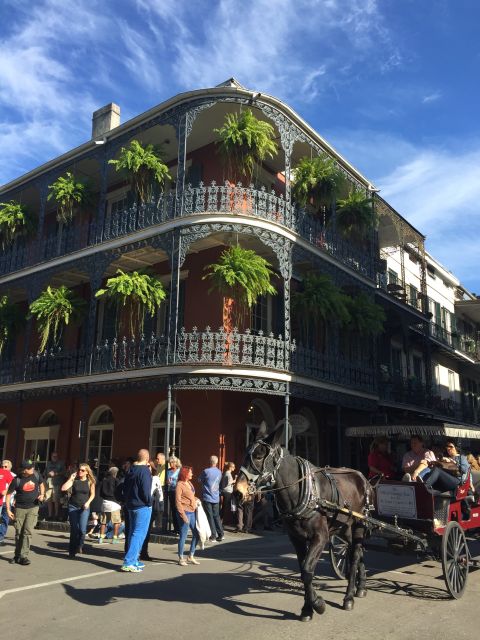
For $96, you’re buying a guided route that hits a lot of New Orleans in a single half-day: downtown icons, Uptown grandeur, and a long stop in City Park. The value here is the handoff between neighborhoods—your guide ties it together so you’re not just collecting names.
The tour runs about 4 hours, with hotel pickup included. That matters in a place where distances and parking can eat time. I also like the practical touch: the company provides umbrellas if it rains, and the tour uses a quality audio system so you’re not stuck playing guessing games whenever the group gets loud.
One note that affects how you’ll enjoy it: you’ll be in a vehicle between some stops. A recent guest praised the small vehicle approach because it helps maneuver through tight areas like near Bourbon Street. Still, expect seated time.
You can also read our reviews of more city tours in New Orleans



French Market and the French Quarter: get your bearings fast
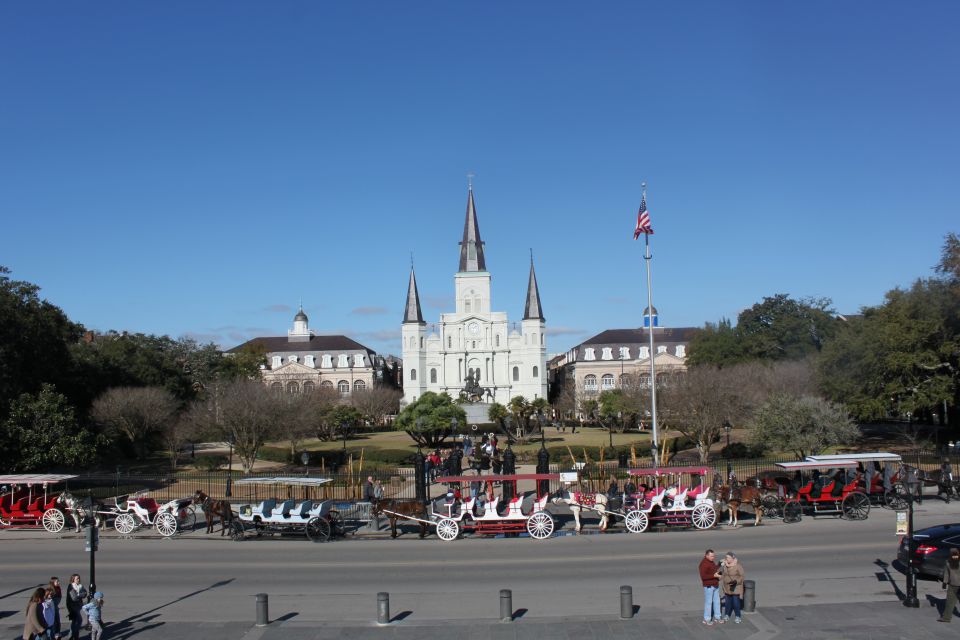
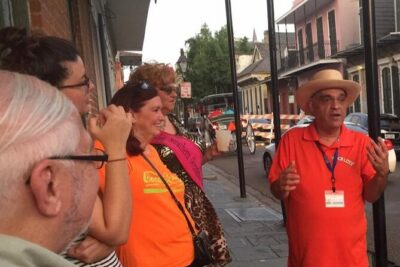
The first real stop is the French Market, where you get a taste of New Orleans’ culinary story right away. This is a smart opener. Instead of launching straight into postcard scenes, you start with food culture, then you’re ready to notice what you see next.
From there, the tour brings you through the French Quarter and helps you understand why it looks the way it does. You’ll also get a guided pace that’s easier than trying to map everything yourself with a tight schedule. If this is your first or even your second visit, it helps to have someone pointing out what’s worth slowing down for.
Practical tip: if you’re the kind of person who loves photos, watch for the moments when you’re actually out on foot. The best pictures usually come right after you park and before you head back into the vehicle.
Old U.S. Mint, Esplanade Ave mansions, and Bayou St. John scenery
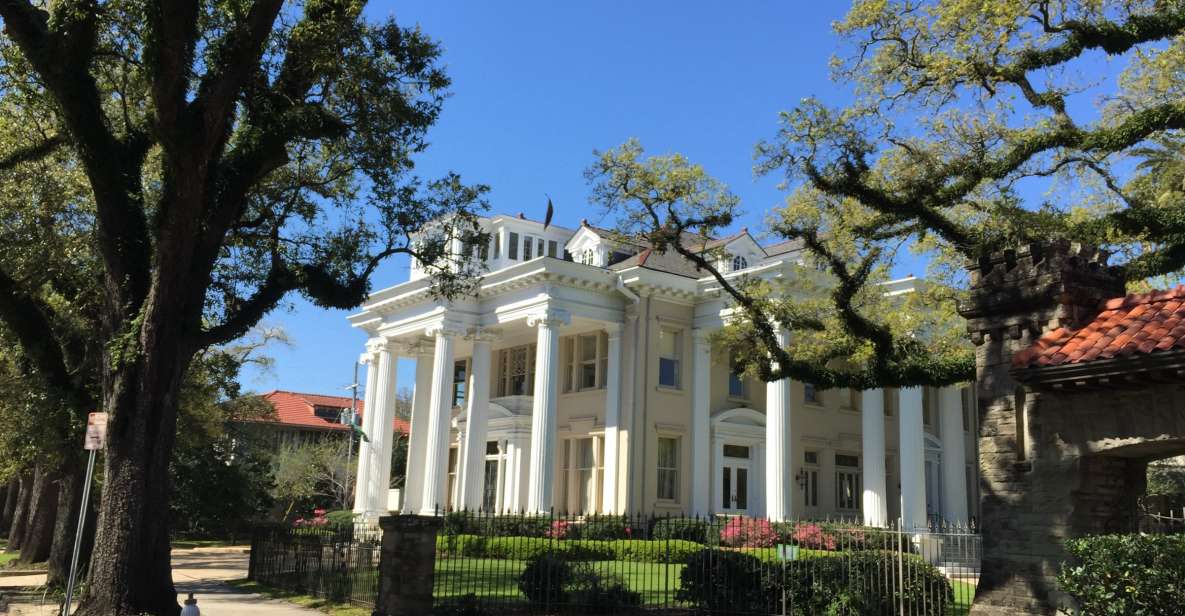
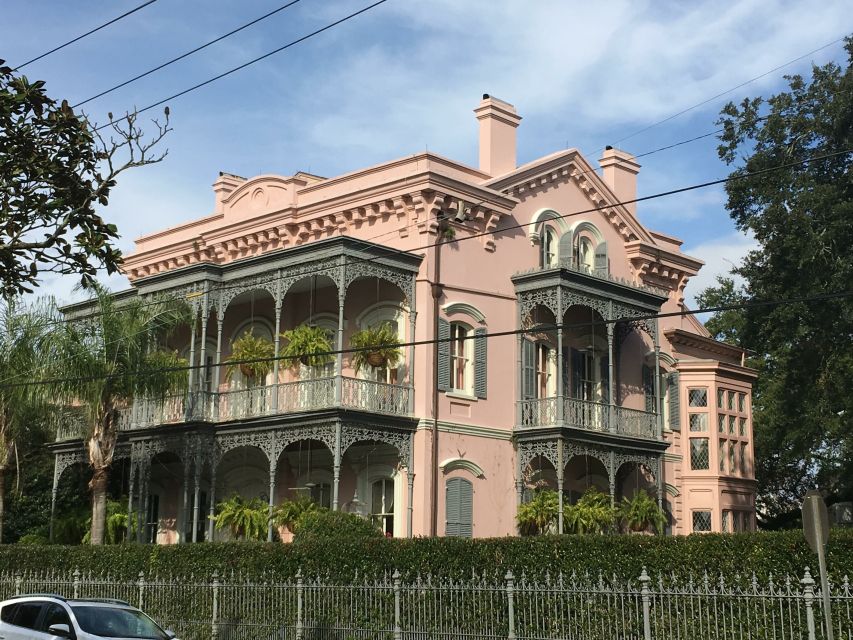
Next you’ll head toward the old U.S. Mint, a stop that sets the tone for the city’s older power centers. After that comes the part many people come for: the mansions along Esplanade Avenue.
You’ll walk along the area and follow your guide through the stately streets where it’s easy to imagine daily life a century ago. This is where New Orleans history becomes visible. You can see how the grand facades relate to the city’s layout and why certain neighborhoods feel built for long-distance social display.
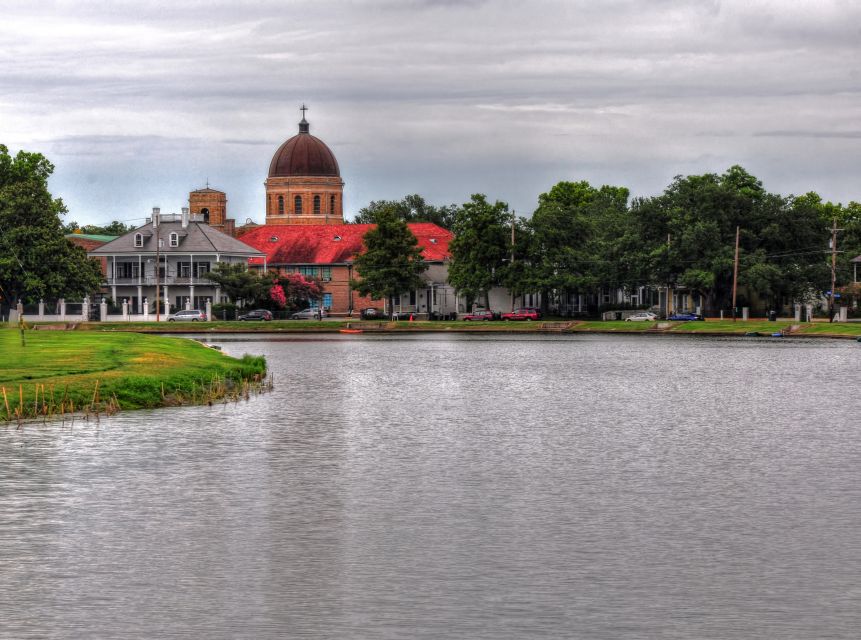
The tour also passes along Bayou St. John, which is a nice contrast to the denser, more chaotic energy you may associate with downtown. Even when you’re just viewing from the route, it helps balance the day. It’s one of those in-between moments that makes the itinerary feel like a loop through the city, not a checklist.
St. Louis Cemetery #3: above-ground burial makes sense here
Then you step into St. Louis Cemetery #3, one of the most fascinating stops on the route. What makes it special is how it teaches you the “why” of New Orleans cemeteries.
In this city, many burial structures are above ground because New Orleans sits below sea level. Your guide explains that quirk in a clear way, and suddenly the cemetery doesn’t feel weird or random—it feels logical. You’ll also see famous residents tied to the city’s story, which turns what might be a somber place into a meaningful historical lesson.
A cemetery tour is also a lesson in etiquette. You’ll want to dress appropriately and keep your voice low. Bring a steady mindset: this is not a quick photo pit stop. Give it the respect it deserves, and you’ll get more out of the explanations.
City Park and the Besthoff Sculpture Gardens: a calm 1-hour reset
City Park is where the tour earns its title as an estate-style highlight. You’ll drive through the park first and get key visual anchors, including the antique carousel and centuries-old live oaks.
But the main event is the 1-hour tour of the Besthoff Sculpture Gardens. The gardens cover about 8 acres, built around walking paths, water features, and two lagoons. Expect a slow, shaded visit where the artwork and the landscape feel designed to be seen together.
Why this stop is worth the time: it breaks the pattern of street noise and heat you can get in New Orleans. The walking paths plus the live oaks create natural pauses, so even if your day started with big landmarks, you leave City Park feeling like you experienced something quieter and more intentional.
Photo tip: you’ll likely find the best light under the canopy. If it’s sunny, aim for shaded corners and water-adjacent angles rather than chasing bright glare.





Lake Pontchartrain levees and the Causeway’s big-picture view
After City Park, the tour turns outward toward the levee system along Lake Pontchartrain. This part is great if you like understanding how a place works, not just what it looks like.
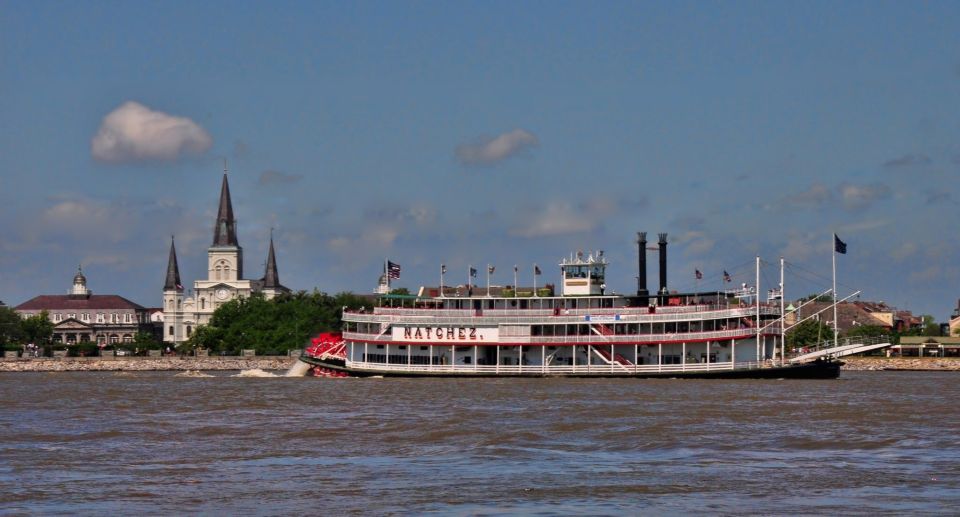
Your guide walks you through how the levee system functions and you’ll see the Causeway—including the note that it’s the longest of all Causeway bridges. Even from the viewpoint and route, you’ll get a sense of scale: New Orleans isn’t sitting still on an island of beauty. It’s engineering beauty, too.
Then the itinerary transitions back uptown, which makes the whole day feel connected: you start with cultural foundations, move through neighborhoods, and end with a technical look at the city’s relationship to water.
Uptown classics: Carrollton, Tulane and Loyola, streetcar line, and St. Charles Avenue
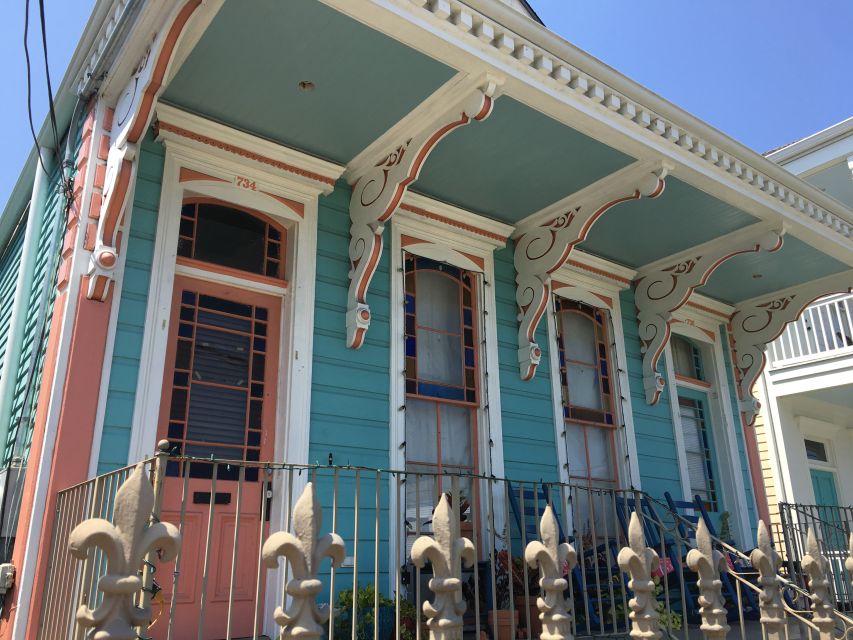
Uptown New Orleans is where the city shows off its long-street elegance. The tour heads toward Carrollton and passes areas tied to Tulane and Loyola Universities. It’s a reminder that New Orleans isn’t only about old buildings—it also has modern energy from students and community life.
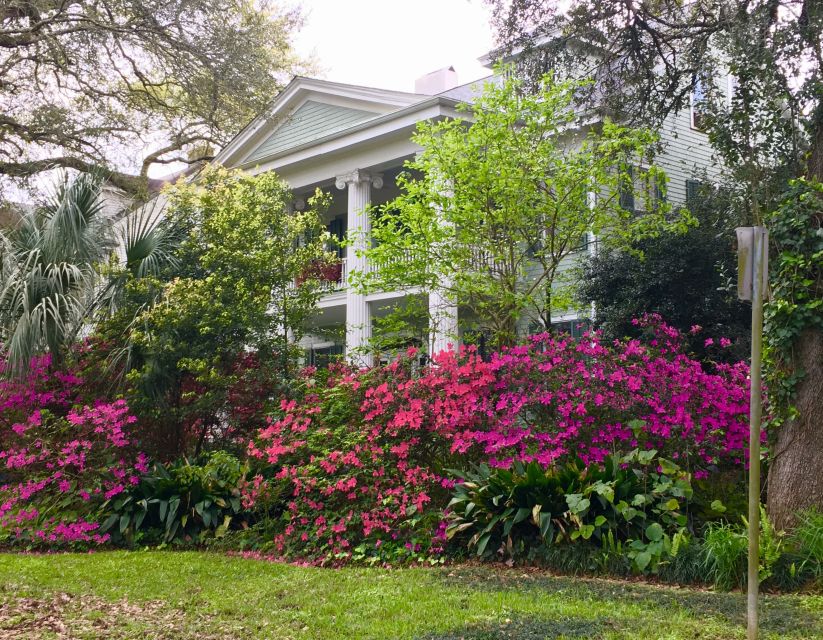
You’ll also see the 160-year-old streetcar line, which is a big part of how people experience the city. Then comes St. Charles Avenue, known for its grand colonial mansions. This is another stretch where the guided explanation helps you notice more than just impressive fronts. You’ll understand why these streets feel ceremonial—wide lines, planned sightlines, and the streetcar as a moving centerpiece.
Near the end of the tour, you’ll head back downtown around the Superdome and through the business district, then return you to your hotel. That final loop helps you connect uptown grandeur with downtown reality, instead of treating them as separate New Orleanses.
What’s included, what’s not, and how to plan your day
Included:
- Hotel pickup
- A knowledgeable guide
- Umbrellas if it rains
- A quality audio system so you can hear clearly
Not included:
- Food and beverages
- Gratuity
This matters because the tour includes a food-related moment at the French Market, but it doesn’t replace lunch. The good news is you’ll have opportunities to purchase snacks and drinks at gift shops along the route. I’d plan a light meal around the edges—either before you go or after you’re back—so you’re not hungry while you’re trying to listen.
Also remember the rule about luggage: no luggage or large bags are allowed. If you’re traveling with big gear, you’ll want to store it before the pickup.
Camera strategy: since the itinerary mixes walks and drives, think of it like this—photographs happen best when you’re out on foot at stops like Esplanade Avenue and the cemetery. During longer drives, you’ll still get views, but don’t count on perfect angles for close shots.
Who this tour suits best (and who should be cautious)
This tour fits you if:
- You want a guided overview that links neighborhoods together
- You like variety—streets, a cemetery, park gardens, and waterfront infrastructure
- You’d rather ride with help than spend your time self-navigating
It may be less ideal if:
- You’re very sensitive to time seated. A past participant noted that the tour included a lot of bus time and that some views and photo chances were limited.
- You only want stops where you can freely walk and shoot pictures constantly.
A small bit of advice helps either way: wear comfortable shoes and expect a mix of short walks and longer transfers. If you show up ready for that rhythm, you’ll feel the itinerary is well-paced instead of interrupted.
FAQ
How long is the New Orleans Traditional City and Estate Tour?
It lasts about 4 hours.
What’s included in the price?
You get hotel pickup, a live English guide, umbrellas in case of rain, and a quality audio system.
Is food included?
No. Food and beverages are not included, though there are opportunities to buy snacks and drinks at gift shops.
What language is the tour guide?
The tour is offered in English.
Are umbrellas provided?
Yes. Umbrellas are provided in case of rain.
Are there any limits on bags?
Yes. Luggage or large bags are not allowed.
Should you book this tour?
Yes, if you want a guided half-day that connects New Orleans’ main storylines—French Quarter character, Esplanade Avenue mansion grandeur, the cemetery’s above-ground burial logic, and City Park’s Besthoff Sculpture Gardens for a full hour. It’s also a good value when you factor in pickup and the time saved not figuring out routing on your own.
Skip or consider alternatives if you hate being in a vehicle for long stretches. If you can tolerate that tradeoff, you’ll come away with a clearer sense of how downtown, uptown, and the park all fit together.