REVIEW · NEW ORLEANS
New Orleans French Quarter Architecture Walking Tour
Book on Viator →Operated by NOLA Tours · Bookable on Viator
Architecture lessons on the route to Bourbon Street. This New Orleans French Quarter architecture walking tour turns “pretty buildings” into real clues about style, power, and survival. You’ll cover the essentials in about two hours, with landmark stops like St. Louis Cathedral and the civic buildings around Jackson Square.
I really like the 14-person max group size, because it keeps the pace relaxed and makes it easy to ask questions. I also like that the walk mixes design with people—Creole women and local history show up right alongside the architecture, with guides such as Caroline, Eva, Janet, Doug, Angela, Guy, and Phant leading the way.
One consideration: the French Quarter is loud and busy, so hearing every detail can take effort at times—bring your best “focus face.” Also, it’s an outdoor walk, so plan for sun or cold.
In This Review
- Key points worth knowing before you go
- Starting at 523 St Ann St: a walk that stays human
- French Quarter orientation: spotting history in plain sight
- Jackson Square: the skyline lesson behind the postcard view
- St. Louis Cathedral and Cabildo: how power changed materials
- The Presbytere: a smaller building with a big role
- Chartres Street: the Spanish-to-American timeline you can walk
- Royal Street: building ID tips you’ll use later
- The guides make it: Caroline, Eva, Janet, Doug, Angela, Guy, Phant
- What $40 buys you (and what it doesn’t)
- Timing, weather, and comfort basics that actually matter
- Should you book this French Quarter architecture walk?
- FAQ
- FAQ
- How long is the French Quarter architecture walking tour?
- How much does the tour cost?
- What group size should I expect?
- Is the tour offered in English?
- Where do I meet the guide?
- What’s included in the price?
- What should I bring or wear?
- Does it operate in bad weather?
- Can I take a service animal?
Key points worth knowing before you go
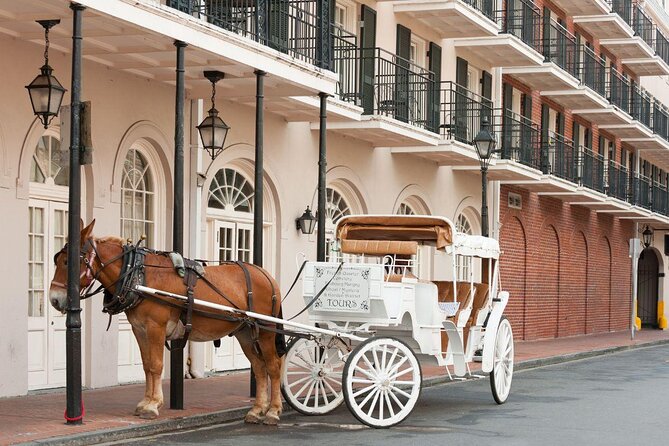
- Small group (max 14) keeps things conversational, not lecture-style.
- Landmark stops include Jackson Square’s Cathedral area, plus Cabildo and the Presbytere.
- French vs Spanish influence is the theme, with clues you can spot on your own afterward.
- Stroll time on Chartres Street links the Spanish Era to later American changes.
- Royal Street gives you practical tips for identifying building types while you shop or grab a bite.
Starting at 523 St Ann St: a walk that stays human
The tour starts at 523 St Ann St, and it ends right back where you meet. Expect about 2 hours total—enough time to learn the key architectural story of the Quarter without turning it into a marathon. You’ll use a mobile ticket, and it runs in English.
The whole setup is built for a steady walking pace. With a cap of 14 people, you’re not stuck shoulder-to-shoulder while trying to hear a guide over street noise, and you’re more likely to get your questions answered.
If you’re traveling at peak season, I’d plan to book early. This one is typically snapped up about 23 days in advance on average, so later dates can disappear.
You can also read our reviews of more walking tours in New Orleans



French Quarter orientation: spotting history in plain sight
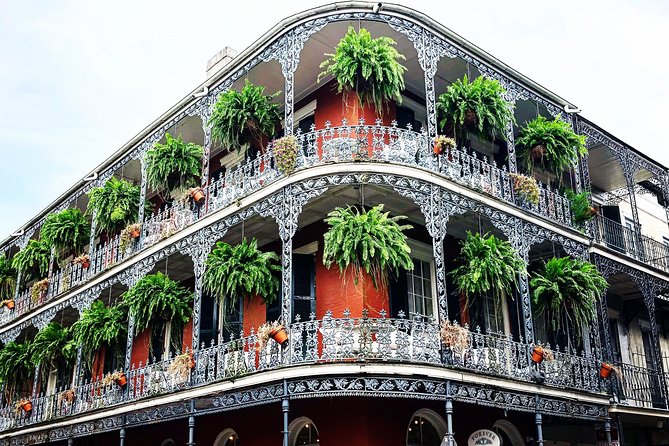
You begin with an intro right in the French Quarter, where your guide sets the stage. This part matters because New Orleans architecture isn’t just decoration—it’s how the city adapted to its climate, its politics, and its mix of cultures.
This is also where you’ll get oriented to the neighborhood’s big visual cues. The tour highlights landmark architecture you’ll recognize later, including the Ursuline Convent area and the broader French Quarter look that ties back to older European styles.
One practical payoff here: once you learn what to look for—rooflines, street-facing details, building massing—you start seeing patterns everywhere. That turns random wandering into purposeful wandering.
Jackson Square: the skyline lesson behind the postcard view
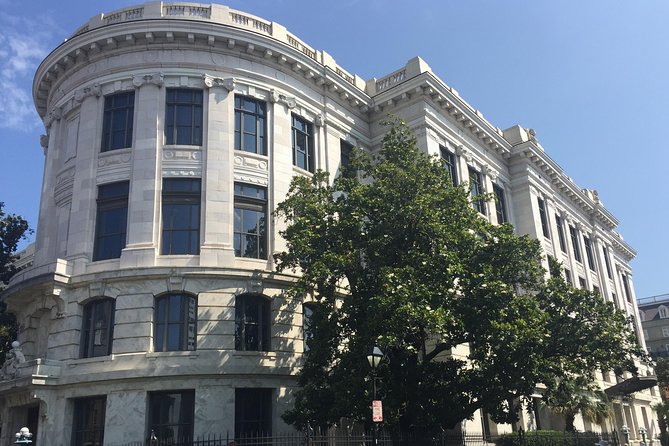
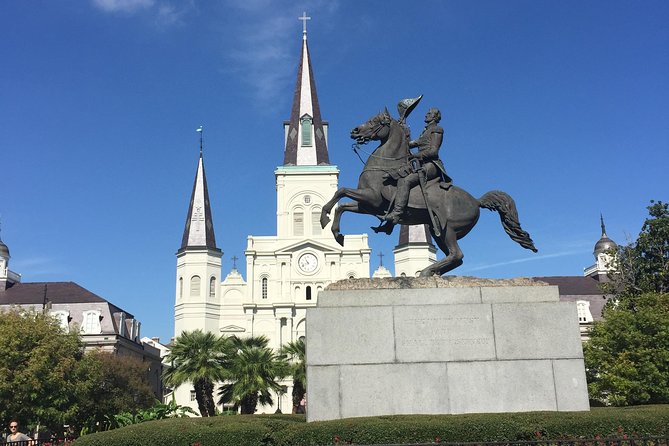
Next comes Jackson Square, where the guide walks you through the main buildings lining the park. You’ll talk about the St. Louis Cathedral area, plus Cabildo and the Presbytere, so you understand why this space became such a focal point.
You’ll also hear about the Pontalba Buildings—a key story if you want to understand how residential and commercial life shaped the square’s edge. It’s the kind of background that makes the place feel less like a scenic stop and more like a living stage where different eras left their fingerprints.
Why this stop is worth your time: Jackson Square isn’t just a view. It’s a map of civic and religious influence, all packed into a small radius.
St. Louis Cathedral and Cabildo: how power changed materials
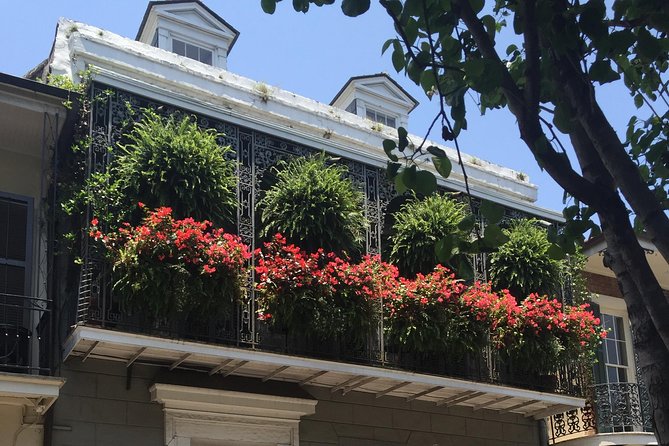
At St. Louis Cathedral, you’ll hear the story of how the site began in a much humbler way—starting as a wooden parish church and later becoming the cathedral you see now. It’s a simple timeline, but it hits hard because you can literally connect it to what stands in front of you.
Then you move to the Cabildo, where the guide focuses on its historical era, significance, and building style. This is where the architecture stops feeling abstract and starts feeling like a record of who had authority—and how that authority got expressed in brick, layout, and form.
A tip for enjoying both of these stops: stand in a position where you can see at least one façade and one corner detail. Cathedrals and civic buildings reveal a lot when you change your angle.
The Presbytere: a smaller building with a big role
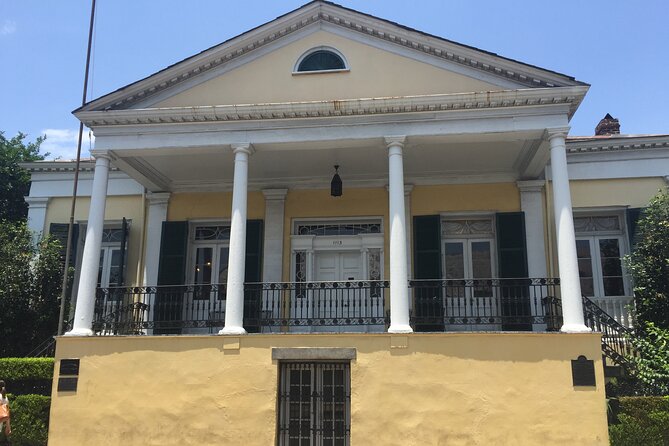
The Presbytere stop is brief, but it’s designed to round out the Jackson Square trio. You’ll get the building’s history and its current status, so it doesn’t feel like a background actor sitting beside the bigger cathedral.
This stop is useful if you like structure: it helps you learn the “who’s who” of the square, instead of just snapping photos and moving on.
If you’re the kind of traveler who likes to return later and read what you’ve already learned, this is one of those stops that pays off on the second lap.




Chartres Street: the Spanish-to-American timeline you can walk
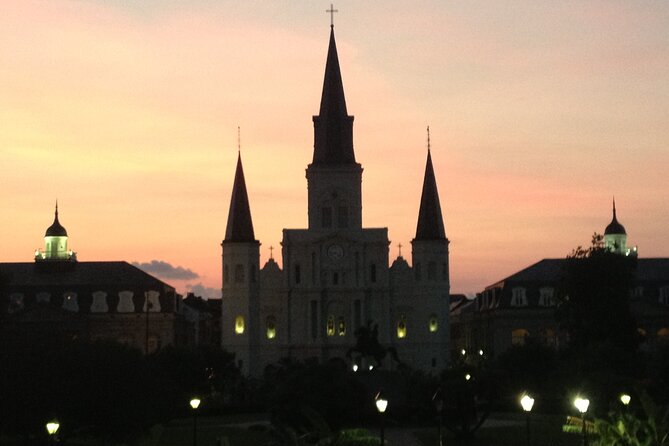
You’ll spend time on Chartres Street, and this is where the architecture theme gets specific. The guide connects buildings across the Spanish Era into the American Period, so you’re not just collecting facts—you’re understanding change over time.
Chartres Street is ideal for this lesson because it’s a long stretch where you can keep your “spotting skills” active. You’re essentially doing a live version of architectural comparison, moving from one kind of detail to another as you walk.
This is also a stop where the guide’s explanations tend to make future self-guided wandering easier. You’ll likely find yourself looking up at details you’d normally ignore.
Royal Street: building ID tips you’ll use later
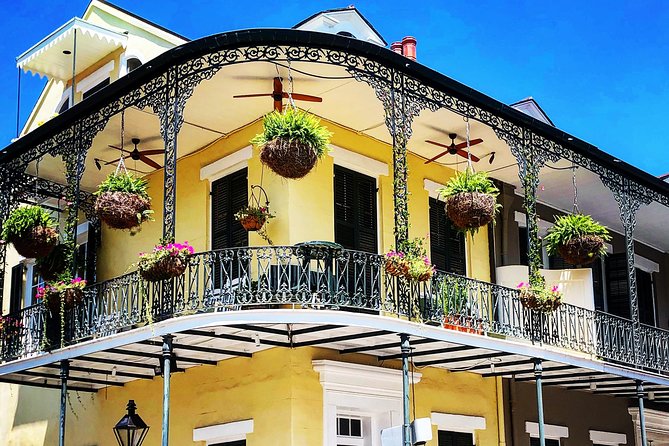
The tour ends with a stroll along Royal Street, another great walking corridor for shops and places to eat. The difference here is what you’re learning while you stroll.
You’ll practice how to identify different types of buildings—so you start separating “I like that” from “I know why it looks that way.” It’s a small skill, but it changes your whole experience of a city. Suddenly you’re not just passing time; you’re collecting visual evidence.
This is also a nice moment to ask last questions. If you picked up a theme you want to explore more—materials, stylistic influences, or the way local life shaped design—this is the time to lock it in.
The guides make it: Caroline, Eva, Janet, Doug, Angela, Guy, Phant
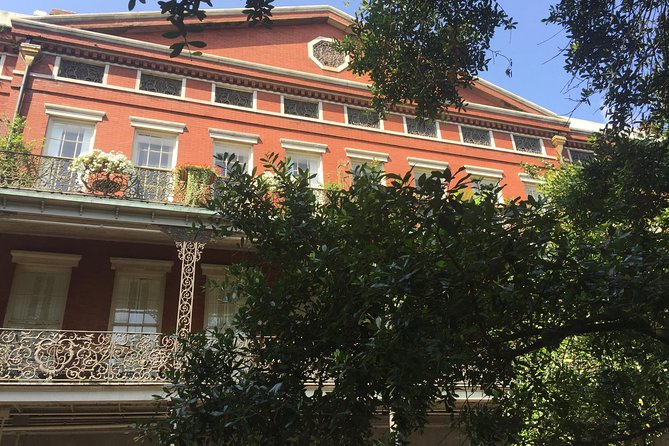
One standout theme from the tour’s overall reputation is the guides’ mix of facts and storytelling. Names you may see include Caroline, Eva, Janet, Doug, Angela, Guy, and Phant—each with a clear love for New Orleans and a style that keeps the pace friendly.
You’ll hear more than architecture labels. Story threads like the role of Creole women and other local influences show up alongside building history. That’s not just “nice flavor.” It helps explain why certain features exist in the first place.
Some guides also bring visual aids—one guide used a binder with photos and materials that matched the buildings on the route. Even if your guide doesn’t use a binder, expect a guided approach where the key points feel tied to what you’re seeing.
What $40 buys you (and what it doesn’t)
At $40 per person, this is priced like a true learning experience rather than a quick orientation walk. The big value is the licensed, insured local guide plus the small group limit, which keeps your questions from getting buried.
You should also know what’s not included. The tour doesn’t include transportation to or from attractions, and there’s no hotel pickup or drop-off. So you’ll need to arrive on your own at the meeting point on time.
If you’re in the French Quarter for only a short window, this is often a good use of one morning or afternoon slot because it gives you a framework. That framework then makes your later self-guided exploring more satisfying.
Timing, weather, and comfort basics that actually matter
This experience requires good weather, and if it’s canceled due to poor conditions, you’ll be offered a different date or a full refund. It’s an outdoor walk, so think ahead.
Bring comfortable walking shoes—the Quarter’s streets can be uneven. Consider an umbrella if rain is in the forecast, and pack sunscreen if you’re going in warmer months. If it’s cold, dress in layers; one cold-day outing reportedly felt easier thanks to smart pacing and getting people to sunnier sides when possible.
One more practical note: street noise can make details harder to catch. If you tend to drift when you’re on vacation, give this your best attention span for the first 15 minutes. After that, the pattern-spotting starts to feel natural.
Should you book this French Quarter architecture walk?
Book it if you want a first-stop architecture lesson that stays friendly, small, and question-friendly. It’s ideal for couples, families, and solo travelers who like mixing design with real context—especially if you’d like to understand French and Spanish influence and see how that shaped what you’ll notice during the rest of your trip.
Skip it (or pair it) if you’re expecting a very technical, classroom-style breakdown where every term is tested and every detail is methodically dissected. This tour is built around storytelling and practical identification, so it may feel more like a smart guided stroll than a deep architecture seminar.
If you’re wondering when to go, pick a time when you can walk calmly and concentrate. You’ll get more out of it.
FAQ
FAQ
How long is the French Quarter architecture walking tour?
It runs for about 2 hours.
How much does the tour cost?
The price is $40.00 per person.
What group size should I expect?
The tour is limited to a maximum of 14 travelers.
Is the tour offered in English?
Yes, it’s offered in English.
Where do I meet the guide?
The tour starts at 523 St Ann St., New Orleans, LA 70116 and ends back at the same meeting point.
What’s included in the price?
The price includes a licensed, insured, local guide with extensive knowledge of the area.
What should I bring or wear?
Wear comfortable walking shoes, and consider sunscreen and an umbrella.
Does it operate in bad weather?
It requires good weather. If it’s canceled due to poor weather, you’ll be offered a different date or a full refund.
Can I take a service animal?
Yes, service animals are allowed.