REVIEW · NEW ORLEANS
New Orleans: Culinary Bike Tour with Lots Of Food
Book on GetYourGuide →Operated by A Street Tour Named Desire · Bookable on GetYourGuide
Three hours in New Orleans can be a lot more than transportation. This culinary bike tour turns the ride into a moving table, with three food stops and stories that connect what you eat to where the city came from.
I love the combo of easy, flat riding and “come hungry” portions of Cajun and Creole favorites, including boiled shrimp, crawfish pies, and gumbo. My other favorite part is the way guide Jeff makes the food feel personal, tying flavors to the city’s long cultural mix and daily life.
The main drawback is simple: you’ll be eating plenty, but extra drinks aren’t included, so keep that in mind if you plan to make it a full-day party.
In This Review
- Key Points You Should Care About
- Why This New Orleans Food-and-Bike Combo Works
- Meeting at 634 Elysian Fields Ave and Rolling Out Smoothly
- Faubourg Marigny: Flat Streets and the Feeling of the City
- Tremé / Lafitte: Regional Food With Real Cultural Context
- Back in Faubourg Marigny: Local Snacks That Keep the Momentum
- St. Roch New Orleans: Another Regional Stop and the City’s Texture
- What You’ll Eat (and Why the Guide’s Stories Matter)
- Bike Tour Value: Is $104 a Good Deal for Three Hours?
- Who Should Book This Tour (and Who Might Hesitate)
- Should You Book This Culinary Bike Tour in New Orleans?
- FAQ
- Where does the tour start?
- How long is the tour?
- How many food stops are included?
- What dishes are highlighted on the tour?
- Is the tour guided, and in what language?
- How many people are in the group?
- Is the bike ride flat and easy?
- What’s included in the price?
- Are extra drinks included?
- What if I don’t see the bikes at the meeting point?
- FAQ
- How does the cancellation work?
- Is there a pay-later option?
Key Points You Should Care About
- Small group feel with a max of 10 participants, so you actually hear the guide
- Three all-inclusive food stops to refuel without constant detours
- Flat, scenic riding at a languid pace, so you can focus on the streets and stories
- Jeff’s food-and-history storytelling, with plenty of culture behind the menu
- Neighborhood variety across Faubourg Marigny, Tremé/Lafitte, and St. Roch
- Architecture and street details come up naturally as you bike
Why This New Orleans Food-and-Bike Combo Works
New Orleans has a way of making food feel like local history. The flavors aren’t random, and they don’t exist in a vacuum. They’re built from who lived here, what ingredients showed up, and what people decided was worth repeating.
This tour is smart because it matches the city’s rhythm. Instead of sitting still and doing the same museum-style explanation, you ride through real neighborhoods while the guide links dishes to context. You get the “you are what you eat” idea in a practical way: you taste, you listen, then you look around and start connecting dots yourself.
And yes, you’ll still get plenty of classic New Orleans food. But what makes it more useful is how it’s framed—gumbo isn’t just gumbo, and shrimp isn’t just shrimp. You learn the cultural logic behind choices like spices, seafood boils, and the way ingredients shape character.
You can also read our reviews of more food & drink experiences in New Orleans
Meeting at 634 Elysian Fields Ave and Rolling Out Smoothly
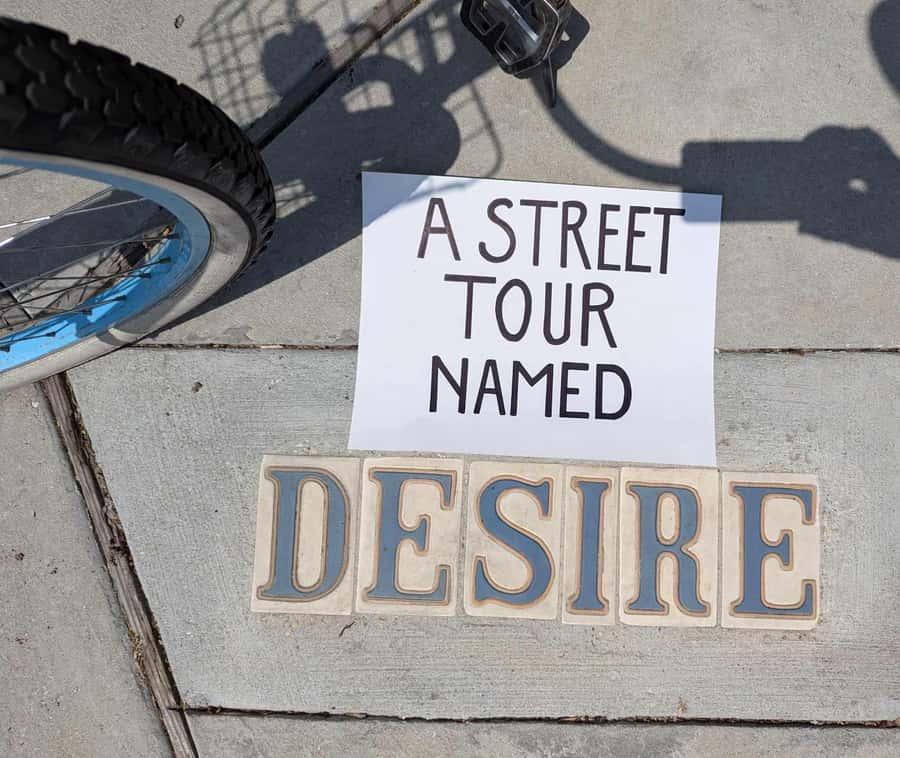
Your tour starts at 634 Elysian Fields Ave. This is the kind of meeting point that’s easy once you’re standing in the right spot, but the practical tip is to check for bikes out front. If you don’t see them, look around the corner on the Royal Street side of Washington Square Park.
From there, you get a bike and something to carry a small bag. You also get water, which matters because you’re out for three hours and you’ll be eating at multiple stops. The pacing is intentionally relaxed—this isn’t a spin-class tour. It’s designed so you can talk, listen, and take in street life without constantly braking or stretching your endurance.
For me, that calm logistics piece is part of the value. When a tour handles the “how do we move people” part well, you actually enjoy the content instead of thinking about sore legs and tangled locks.
Faubourg Marigny: Flat Streets and the Feeling of the City
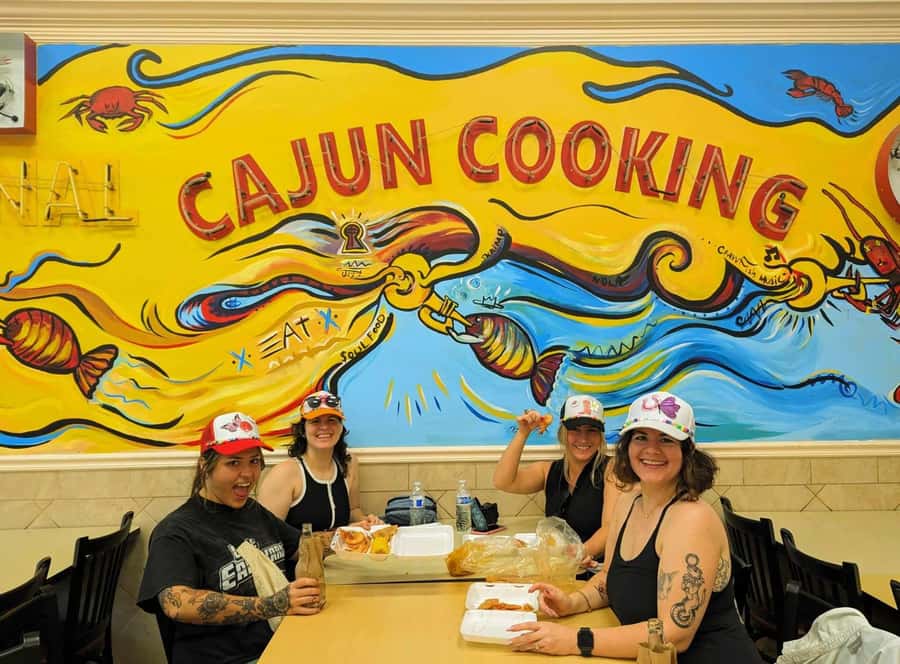
The first riding segment heads into Faubourg Marigny, and the whole experience is built on an important promise: you’ll cruise through scenic and flat streets. That matters in New Orleans. The city is full of personality, but walking can be slow and exhausting if you’re bouncing between neighborhoods all day.
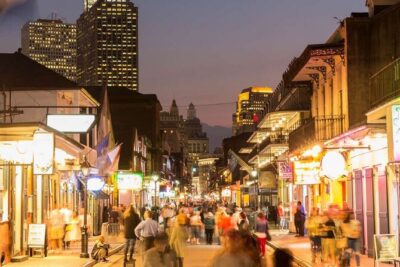
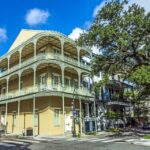
Biking gives you something walking doesn’t: a steady glide past the details. You get enough speed to keep moving through the city, but not so much that everything turns into a blur. If you like architecture and street design, this part can be especially interesting, since the guide adds explanations as you roll.
One small note: the tour’s relaxed pace is great for most people, but it also means you’re not constantly on the move for long stretches. Think of it like a guided stroll with wheels, built around food stop timing instead of pure sightseeing speed.
Tremé / Lafitte: Regional Food With Real Cultural Context
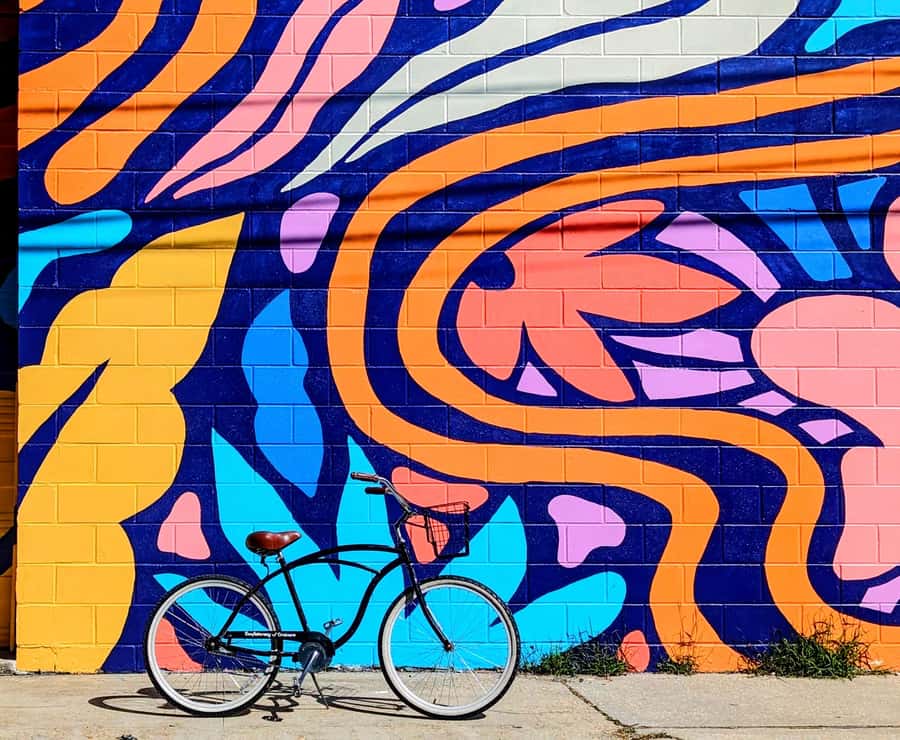
Next you head toward Tremé / Lafitte, where you’ll have a regional food stop lasting about 30 minutes. This is where the tour shifts from “nice ride” to “okay, now we’re eating for a reason.” The guide connects dishes to the cultural mix that shaped New Orleans cuisine over time—about 300 years of influences, choices, and traditions.
This stop is also a good example of why the tour feels more meaningful than a standard tasting crawl. The guide isn’t just listing what you’re eating. They frame why certain flavors became favorites and how cooking traditions travel through generations. Even if you’re not a food scholar, the story style makes it easier to remember what you tasted and why it mattered.
You’ll likely recognize the kinds of dishes being highlighted from New Orleans’ Cajun and Creole identity. Expect the flavors to be bold, not timid—this is the city where gumbo and seafood dishes are treated like everyday classics, not special-occasion decoration.
Back in Faubourg Marigny: Local Snacks That Keep the Momentum
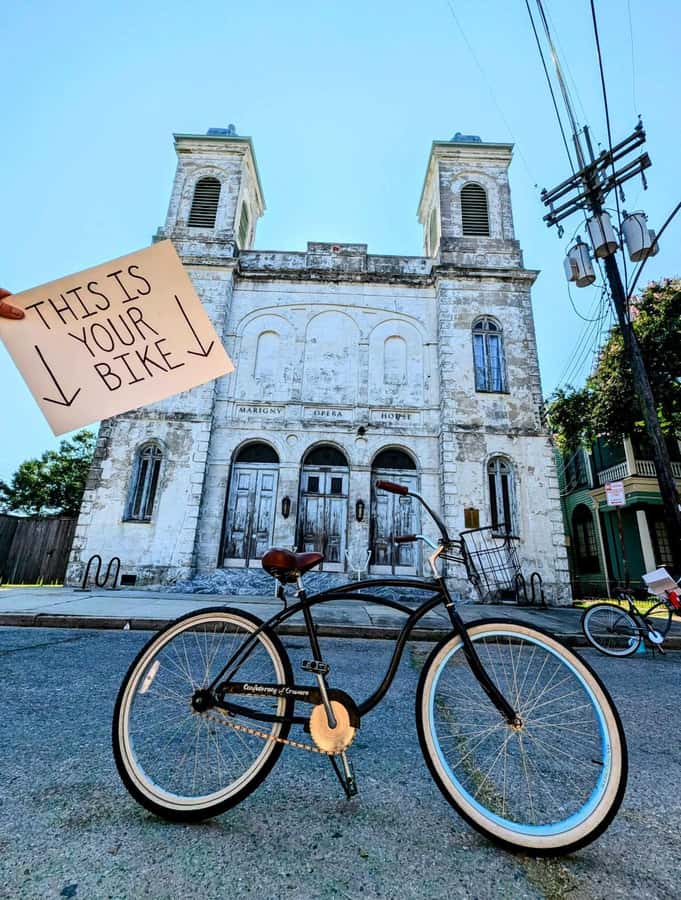
After that first regional stop, you’re back in Faubourg Marigny for another quick bite—about 30 minutes. This segment feels like the tour’s “keep your energy steady” section. You’re already eating your way through Cajun and Creole favorites, so this stop isn’t about tricking you with a tiny taste.
Instead, it’s about momentum. The snacks help you stay comfortable for the next longer food stop and the rest of the ride. They also keep the experience from feeling like a single meal at the start and then waiting around until the end.
A practical mindset helps here: treat each stop as part of a sequence, not separate events. You’re building a flavor map of the city—shrimp and seafood notes, the comfort-food feeling of pies, and the gut-check warmth of gumbo—so the local snacks slot in as connective tissue between the bigger plates.
If you tend to snack casually while traveling, you’ll appreciate that this tour keeps you fueled without turning the day into a sugar-and-empty-calories festival.
You can also read our reviews of more tours and experiences in New Orleans

St. Roch New Orleans: Another Regional Stop and the City’s Texture
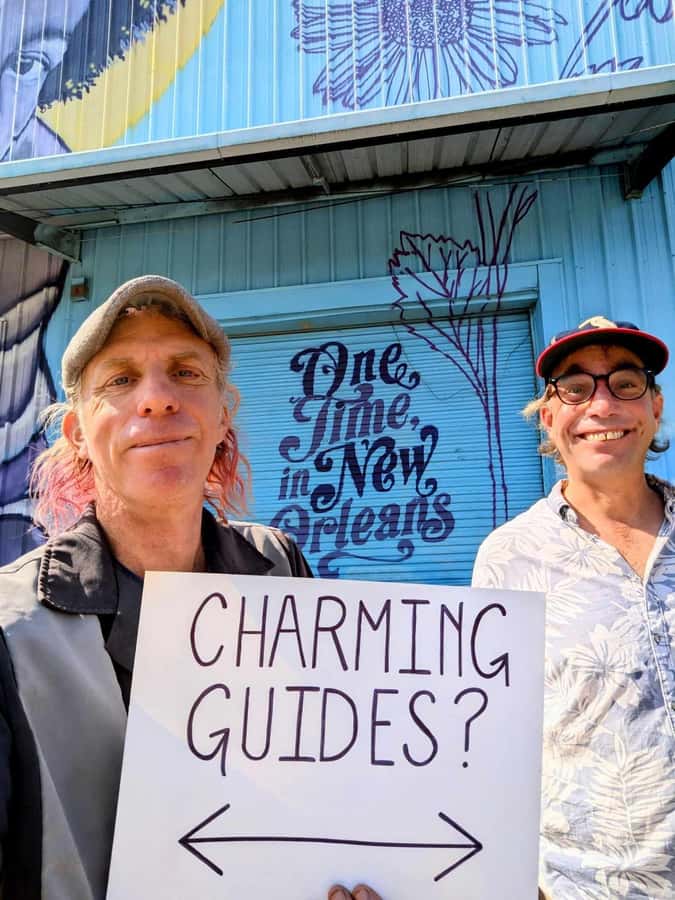
The last big neighborhood segment lands you at St. Roch New Orleans, with a regional food stop lasting about 45 minutes. Longer time at the table usually means a slower pace, more conversation, and a better chance to actually taste and compare flavors without feeling rushed.
This is also where the tour’s street-sense storytelling starts to click. The guide has been weaving culture and history into the meal rhythm, and by the time you reach St. Roch, you’re primed to notice how ingredients and cooking methods connect to place. You’re not just eating in a vacuum—you’re eating while moving through the living geography of New Orleans.
One more reason this stop is valuable: it gives you enough time to ask the guide about food choices you didn’t think to research before arriving. If you care about spicy levels, seafood preferences, or what makes one stew style different from another, this is the moment to clarify and learn how locals talk about food.
What You’ll Eat (and Why the Guide’s Stories Matter)
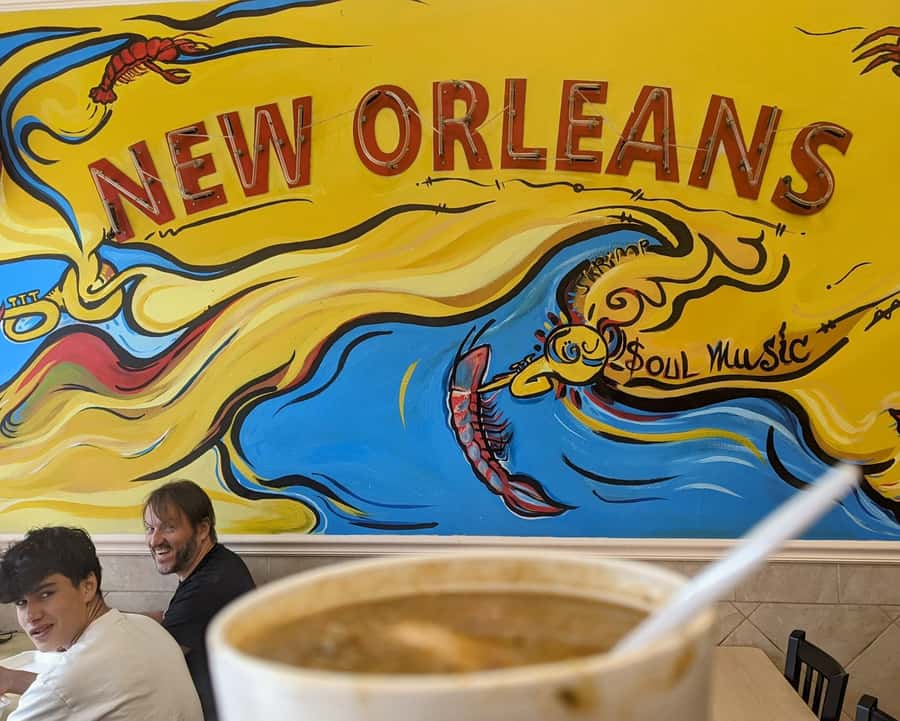
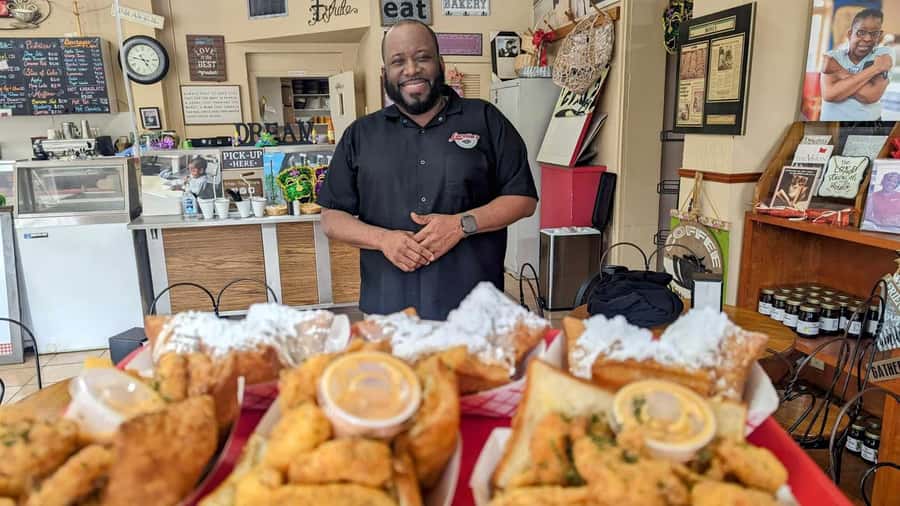
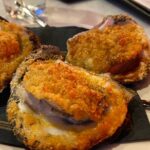
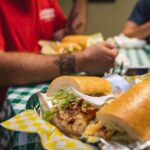
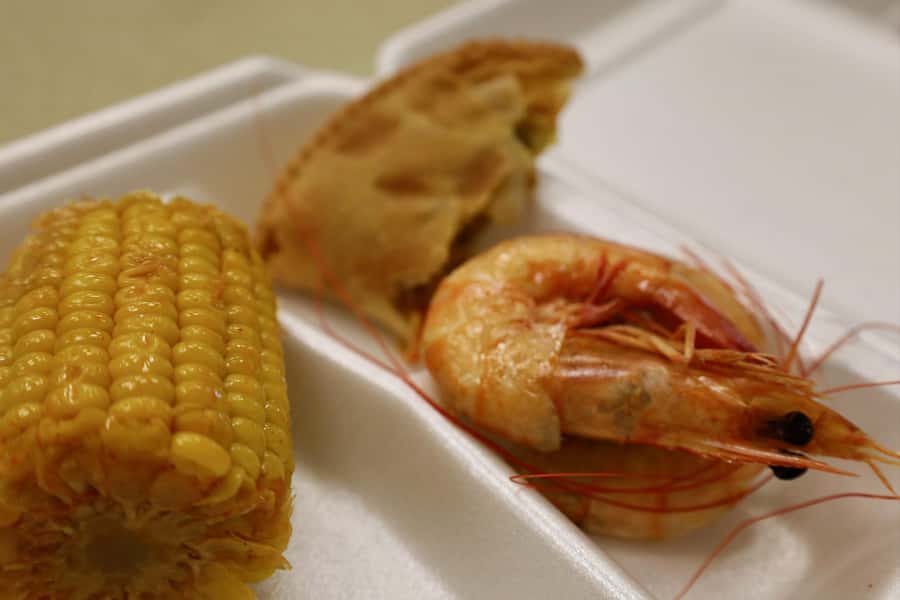
The tour’s highlights are clear: you’ll enjoy boiled shrimp, crawfish pies, and gumbo. That’s a strong core set because it hits both comfort and identity. Gumbo is the obvious centerpiece, but crawfish pies and shrimp bring texture and variety, so your meal doesn’t blur into one flavor category.
The deeper value is how the guide ties each dish to cultural choices. The tour frames cuisine as something people use to connect with one another. You hear ideas like how different meats get chosen for red beans, which spices show up in seafood boils, and how culinary preferences become part of everyday conversation.
That kind of storytelling is useful because it changes how you’ll eat later. After this tour, you’ll recognize patterns. You’ll be more likely to ask what makes a gumbo style different, or why a crawfish dish feels distinct depending on who’s cooking it. In a city where food is a language, that’s a real upgrade.
Oh, and there’s a tip worth listening to. If you’re on a morning tour, plan to skip breakfast. The tour is built to make you leave full and inspired, not nibbling your way through “a few bites” and then hunting for dinner.
Bike Tour Value: Is $104 a Good Deal for Three Hours?
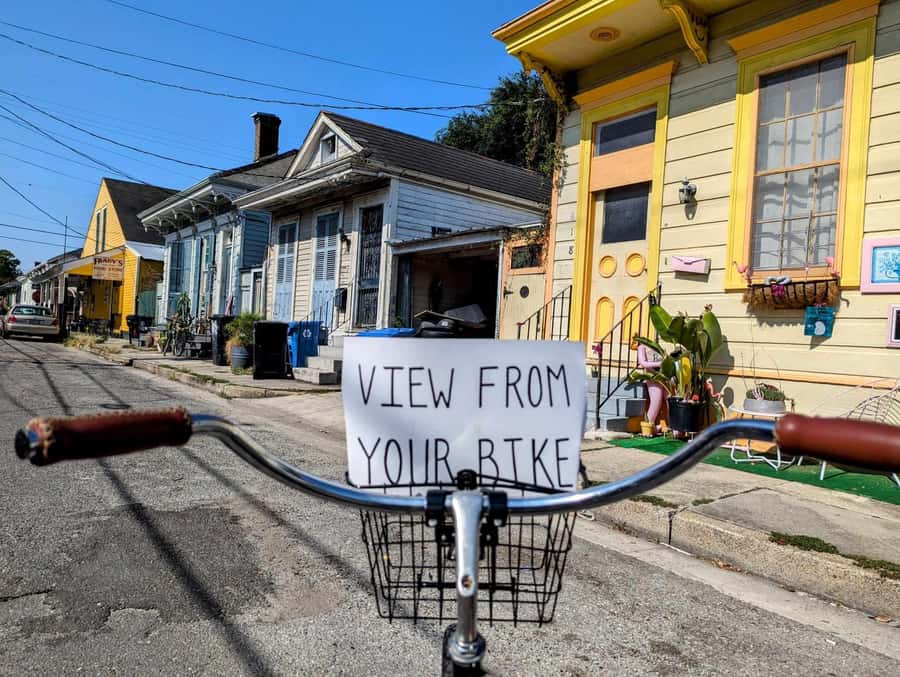
At $104 per person for a three-hour experience, you’re paying for more than food. You’re paying for guided interpretation, timed stops, and the logistics of moving between neighborhoods on bikes.
Because the tour includes three all-inclusive food stops, plus the bike, basket for a small bag, and water, it’s easier to think in “cost per experience” terms. If you were to do a self-guided food day, you’d still need to plan stops, figure out what you can realistically eat without overeating, and spend extra time lining everything up. Here, you’re getting a structured route and a guide who explains what you’re tasting.
And the guide quality seems to matter. The tour guide Jeff is praised for being passionate, charming, and funny in a way that keeps the conversation moving with the food. That matters because food tours only work when you actually want to keep listening.
One more practical consideration: extra drinks along the way aren’t included. If you like to order beverages with meals, decide how much you want to budget beyond the tour price.
Who Should Book This Tour (and Who Might Hesitate)
This tour is a great fit if you:
- want to eat multiple Cajun and Creole dishes without doing all the planning yourself
- enjoy hearing how culture shapes food, not just where to find it
- like an active activity that’s still relaxed and conversation-friendly
- prefer small groups (it’s limited to 10 participants)
It might be less ideal if you:
- don’t want to eat seafood or prefer very limited spice/flavor
- would rather taste independently without a guide’s interpretation
- are looking for a sightseeing-focused ride with minimal eating
If you’re the type who likes to slow down and learn while you’re in motion, this fits the bill.
Should You Book This Culinary Bike Tour in New Orleans?
Yes—especially if you come hungry and you want more than a checklist of New Orleans foods. The combination of three food stops, a relaxed flat ride, and Jeff’s story-led approach makes it feel like a real introduction to the city’s culinary personality.
Book it if you want to leave with both a full stomach and better instincts for what to order later. I’d also say this is a smart early or mid-trip plan: it gives you context, so your future meals make more sense.
If you prefer not to ride a bike or you’re not up for multiple tastings, then choose a different approach. But for most people who want authentic food experiences with minimal fuss, this one is worth your time.
FAQ
Where does the tour start?
It starts at 634 Elysian Fields Ave.
How long is the tour?
The tour runs for 3 hours.
How many food stops are included?
There are 3 food stops, all included.
What dishes are highlighted on the tour?
The highlights include boiled shrimp, crawfish pies, and gumbo.
Is the tour guided, and in what language?
Yes, it’s a live tour guide in English.
How many people are in the group?
The group is limited to 10 participants.
Is the bike ride flat and easy?
The tour highlights flat, scenic streets at a relaxed, languid pace.
What’s included in the price?
Included: 3 food stops, a bike, a basket for a small bag, and water, plus an awesome guide.
Are extra drinks included?
No. Any extra drinks along the way are not included.
What if I don’t see the bikes at the meeting point?
Meet in front of the provider’s shop. If you don’t see bikes out front, look around the corner on the Royal Street side of Washington Square Park.
FAQ
How does the cancellation work?
You can cancel up to 24 hours in advance for a full refund.
Is there a pay-later option?
Yes. You can reserve now and pay later, keeping travel plans flexible.