
REVIEW · NEW ORLEANS
Audubon Aquarium and Insectarium Ticket
Book on Viator →Operated by Audubon Nature Institute Inc. · Bookable on Viator
Audubon Aquarium and Insectarium is a smart, weather-proof way to spend a half-day in New Orleans, with 3600+ animals and interactive hands-on moments. I love that you can go from Caribbean sea life to the Amazon Rainforest under one roof, then pivot to the insect and butterfly side for a full nature menu. One thing to plan for: walking adds up, and parts of the exhibits can be tough if you use a manual wheelchair or have limited stamina.
You’ll get a high-quality aquarium experience with an AZA-accredited collection, plus hands-on features like the Shark Discovery Touch Pool and a long underwater tunnel. I also like that the ticket price bundles the main aquarium and insectarium admission (no surprise add-ons needed to enjoy most of it). The possible drawback is simple: some areas require decent mobility, and a couple exhibits may not work well for everyone’s comfort level.
In This Review
- Key things I’d plan around
- Audubon Aquarium and Insectarium: What you’re really buying for $42.77
- Entering the aquarium: where the Caribbean-to-Amazon story starts
- The Shark Discovery Touch Pool (the hands-on payoff)
- The 30-foot Great Maya Reef tunnel
- Gulf of Mexico and the “big wow” exhibit
- The Amazon Rainforest gallery: where the exhibit becomes a mini ecosystem
- A note if you use a manual wheelchair
- Insectarium and butterfly garden: the part families often remember
- VR is an optional add-on you should think about
- Timing your visit: how to make 2–3 hours feel effortless
- What to know about tickets: mobile entry, and my practical backup plan
- How it feels for different kinds of visitors
- Small disappointments worth knowing
- Should you book Audubon Aquarium and Insectarium?
- FAQ
- How long does the Audubon Aquarium and Insectarium visit take?
- What’s included in the ticket price?
- Is food included?
- Is the VR experience included?
- Is the ticket mobile?
- Is the attraction accessible for wheelchair users?
Key things I’d plan around
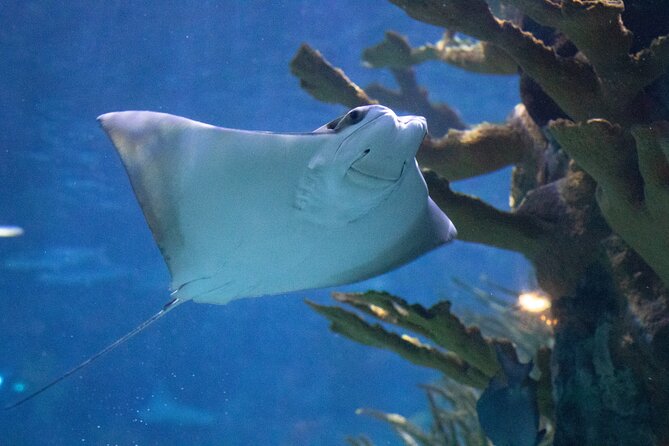
Shark and stingray touch moments: A hands-on pool experience makes the aquarium feel less like a hallway and more like a science stop.
Great Maya Reef tunnel: A 30-foot-long tunnel lets you watch animals swim through the habitat from inside the action.
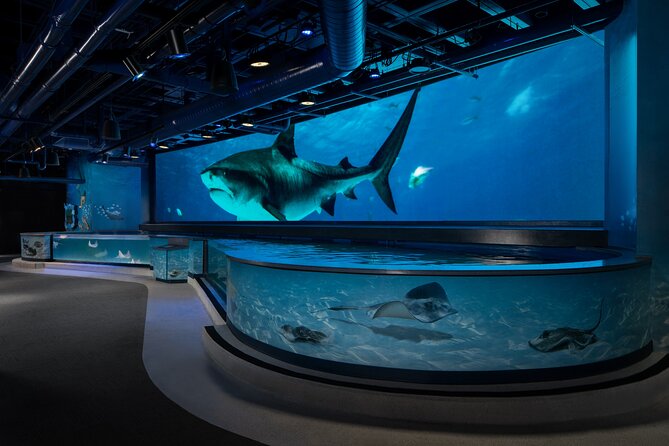
Big Gulf of Mexico habitat: You’ll see their large-scale saltwater setup, including the 450,000-gallon Gulf exhibit.
Amazon Rainforest gallery: Expect plants, free-flying birds, and aquatic surprises like piranhas/pacus plus a snake.
Butterfly garden usually wins: Several family-focused visits call out the butterfly area as the highlight.
Mobility is the real wildcard: Natural stone flooring and certain immersive setups can be hard without the right endurance or support.
Audubon Aquarium and Insectarium: What you’re really buying for $42.77
At about $42.77 per person, this ticket is basically paying for a full indoor “nature playground” in New Orleans. You’re not just looking at tanks. You’re moving through animal habitats that are themed like the Caribbean, the Amazon, and the Gulf of Mexico—then finishing with the insect-and-butterfly world in the same building.
The value comes from the mix. Aquariums can sometimes feel repetitive: walk, stare, walk, stare. Here, you get multiple environments (ocean and rainforest) plus interactive features and insect/butterfly programming. Even if you don’t linger, it usually gives you enough variety to feel like you got your money’s worth.
It also helps that it’s timed for a half-day visit. Plan for 2 to 3 hours at a comfortable pace, longer if you stop for touch areas and extra butterfly time.
You can also read our reviews of more tours and experiences in New Orleans



Entering the aquarium: where the Caribbean-to-Amazon story starts

The aquarium is right by the French Quarter, so it’s an easy add-on before dinner or after a morning of walking. You’ll also find it is near public transportation, which matters in New Orleans when parking can turn into a whole side quest.
Inside, the attraction is the scale and the themed layout. You’re looking at more than 3,600 animals across over 250 species, and it’s AZA-accredited. That accreditation isn’t just paperwork—it’s usually a sign the facility takes animal care seriously, which changes how the whole experience feels.
You’ll move through habitats that link the ocean to river-and-coast life. The aquarium’s pitch is big-picture ecology, but it lands best when you slow down for the “in-between” moments: the way habitats connect, the signage, and the way animals seem to occupy different zones rather than floating in one endless display.
The Shark Discovery Touch Pool (the hands-on payoff)
One of the most memorable parts is the Shark Discovery Touch Pool. This is the kind of exhibit that turns a casual visit into a story you’ll actually remember later. If you like interactive experiences, this is where you’ll feel the difference.
Do keep expectations realistic. It’s not a whole aquarium of sharks. It’s a touch pool moment that’s designed for close contact with specific animals. Still, it’s one of those “worth the line, if there’s one” stops.
The 30-foot Great Maya Reef tunnel
Another standout is the 30-foot-long tunnel where you can see aquatic creatures swimming through the Great Maya Reef habitat. Watching animals move overhead and around you feels more immersive than standard viewing windows.
If you’re traveling with kids, this is also a nice moment for “stop and point.” Everyone can look in the same direction, and it’s easy to keep attention without trying too hard.
Gulf of Mexico and the “big wow” exhibit
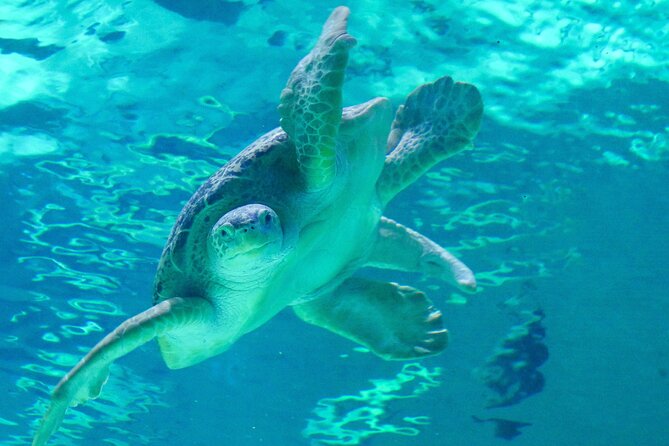
The aquarium’s largest exhibit is the 450,000-gallon Gulf of Mexico habitat. That number alone sounds impressive, but what you’ll actually notice is the scale of space and the way the animals have room to move.
When facilities put a lot of water volume into one display, it usually means more natural movement patterns. That’s the part that reads as impressive from the viewing area—less frantic pacing, more normal swimming routes. It also helps the experience feel like a real ecosystem, not a set of props.
Still, it’s worth saying that aquarium sizes and animal visibility can be variable. Some visitors felt certain displays were smaller than expected, and a few weren’t impressed by a specific animal behavior. If you go in expecting every tank to be “high action” all the time, you might feel a little let down.
The balanced way to approach it: focus on the habitats, interactive elements, and the themed journey, not only whether an animal happens to be fully active during your viewing window.
You can also read our reviews of more tours and experiences in New Orleans

The Amazon Rainforest gallery: where the exhibit becomes a mini ecosystem
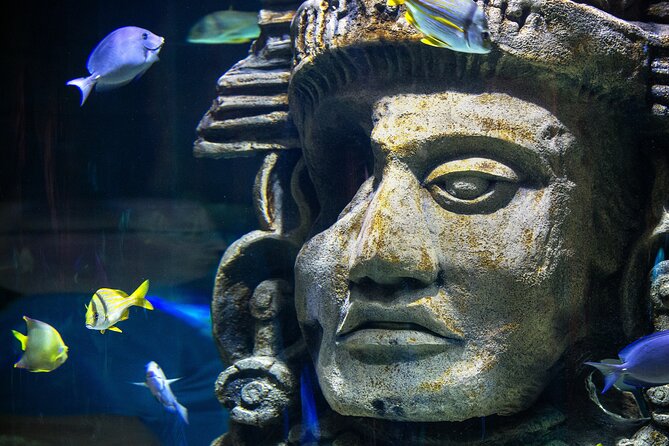
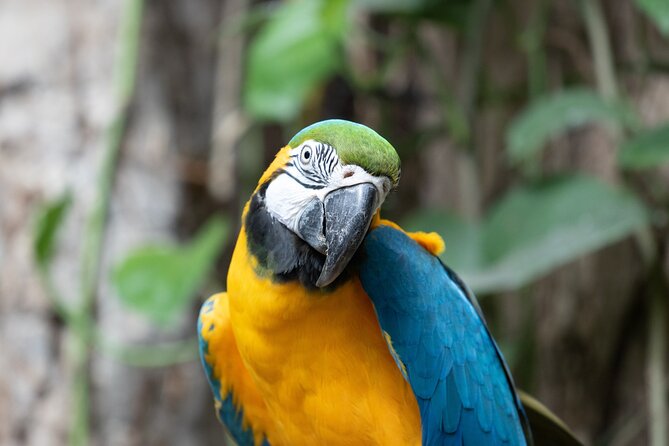
The Amazon Rainforest gallery is one of the best parts of the indoor circuit. You’ll see lush plant life and free-flying birds, and the aquatic side includes animals like piranhas and pacus. There’s also an anaconda snake mentioned as part of the experience.
This is the section that makes the visit feel like more than a typical aquarium walk-through. The visuals shift. The lighting feels different. The animals feel like they belong in a space, not just in a tank.
If you’re someone who likes animal behavior, the Amazon area offers more chances to notice how animals relate to their environment—especially with birds and the mix of aquatic and terrestrial elements.
A note if you use a manual wheelchair
This is where accessibility becomes a real decision point. One review mentioned that the Amazon immersion exhibition was impossible for them, and they were too tired to continue into the insectarium. The same review also flagged natural stone flooring as hard to roll across.
If you use a manual wheelchair (or push one), I’d plan extra time and energy. Don’t assume every part of the gallery is smooth and easy to navigate.
Insectarium and butterfly garden: the part families often remember
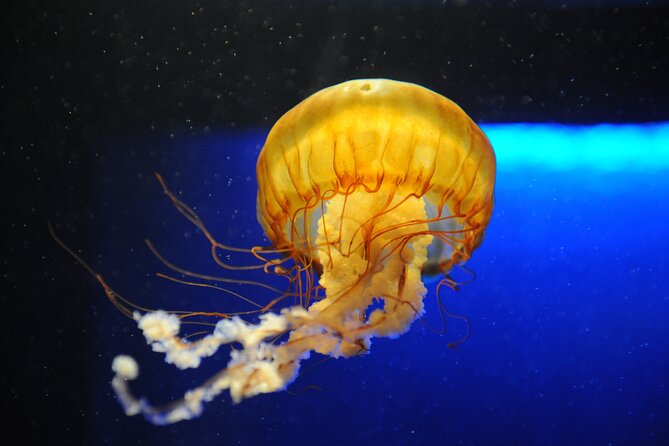
After the aquarium, the experience shifts toward insects and butterflies. The insect side is often where kids get excited, especially when there are interactive elements.
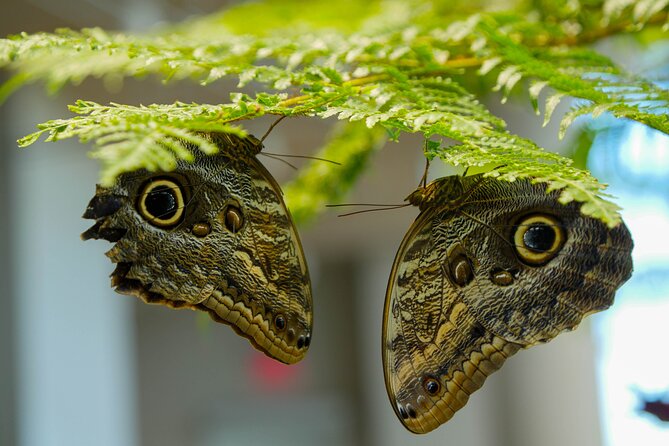
Several family-focused reviews singled out the butterfly garden (also described as the butterfly room) as the favorite. It’s also called out for beauty and a sense of wonder—exactly the vibe you want for traveling with children.
There’s also mention of interactive insect activities, including kids doing things like eating bugs as part of the experience. I can’t promise what you’ll get day-to-day, but the overall theme is clear: this isn’t just static display. It’s built to get people participating.
If you care about a well-rounded nature stop, this insect and butterfly portion is what prevents the visit from feeling like “just fish.” It turns your route into an animal variety show: ocean life, rainforest life, then bugs and winged creatures.
VR is an optional add-on you should think about
A VR experience is not included and costs $10 per person. If you’re the type who loves tech and wants the extra “wow,” it can be worth budgeting for.
But if you’re visiting with limited time, you don’t need it to enjoy the main exhibits. I’d treat VR as optional—use it only if you’re genuinely interested and you have enough time to fit it in without rushing.
Timing your visit: how to make 2–3 hours feel effortless
Because the visit is 2 to 3 hours, the best strategy is to move with purpose, not speed. Start with the highlights you care about most: the touch pool and the long tunnel. Then let the rest of the galleries fill in around those anchor moments.
If you’re visiting with kids, aim to hit the butterfly area before your group runs out of patience. Kids tend to do best when the most “wow” part happens before fatigue sets in.
Also keep an eye on the day’s flow. One visitor described construction blocking the front entrance, forcing a walk around along the water to reach a different entry point. That kind of thing can happen, and it matters if you’re counting every minute.
What to know about tickets: mobile entry, and my practical backup plan
The ticket experience is built for mobile tickets, and confirmation happens at booking. That said, one review warned that the aquarium couldn’t print tickets on-site and mentioned a machine not accepting phone tickets during their visit.
My practical advice: bring the mobile ticket, but also have a printed backup or screenshot-ready confirmation if your phone battery is unreliable. It’s a small step that can save a lot of frustration if a scanner acts weird.
How it feels for different kinds of visitors
This is a strong fit for families, nature lovers, and anyone who wants an indoor activity that doesn’t feel like a museum lecture. It’s also good for couples who want a change of pace from the usual food-and-walk itinerary.
Younger kids generally benefit from interactive features and the butterfly area, while teens and adults often enjoy habitat variety and the tunnel viewing.
If you’re older or have limited endurance, the experience can still be great, but you’ll want to plan carefully for mobility. One review emphasized that electric scooters weren’t available for rental and that only manual wheelchairs were offered. That doesn’t automatically mean you can’t go—it means you should go in with the right support and expectations.
Small disappointments worth knowing
Every attraction has some mixed feedback, and this one is no different.
Some visitors felt the aquarium was smaller than it looked outside, and a few described animals not being visible/active in the moments they visited. Another person had a rough time with ticket recognition, saying the venue sent them through a confusing process before they got admitted.
Those issues aren’t dealbreakers for everyone, but they are the main reasons people score lower. If you’re someone who gets annoyed by long lines, tech issues, or displays that aren’t “guaranteed entertaining,” it helps to keep a flexible mindset.
Should you book Audubon Aquarium and Insectarium?
Yes, if you want an indoor New Orleans stop that mixes aquatic habitats, hands-on animal moments, and a strong butterfly/insect component. For families, it’s especially appealing because it’s packed with activities and not just tanks.
Skip it or rethink your expectations if you know you’ll struggle with lots of walking or rough flooring. If you use a manual wheelchair or have limited endurance, you can still make it work, but you’ll want a realistic plan and extra time.
If you want a safe bet with good value, this is one of those “half-day that earns its keep” experiences: close to the French Quarter, easy to combine with other sightseeing, and built so you’re not bored after the first few exhibits.
FAQ
How long does the Audubon Aquarium and Insectarium visit take?
Plan for about 2 to 3 hours for the experience.
What’s included in the ticket price?
Your ticket includes Audubon Aquarium & Insectarium admission plus all fees and taxes.
Is food included?
No. Food & beverage aren’t included.
Is the VR experience included?
No. The VR experience costs $10 per person and isn’t included with the ticket.
Is the ticket mobile?
Yes. The experience uses a mobile ticket. I’d still recommend having a backup you can access easily in case of phone scanning issues.
Is the attraction accessible for wheelchair users?
The info notes moderate physical fitness. Reviews mention that electric scooters weren’t available for rental and that natural stone flooring can be difficult. Some visitors also found certain immersive areas challenging.
If you want, tell me your travel dates and group (kids? mobility needs? first time in New Orleans?), and I’ll suggest an ideal time of day and a “don’t-miss” route.