REVIEW · NEW ORLEANS
Audubon Zoo Ticket
Book on Viator →Operated by Audubon Nature Institute Inc. · Bookable on Viator
Zoo days beat clock-watching every time. This Audubon Zoo ticket is a smart way to lock in access to one of New Orleans’ top animal habitats without turning your day into guesswork. I love how the exhibits feel designed for real viewing—good sightlines, lots of shade, and plenty of places to pause.
My other favorite part is the mix of animal worlds in one compact outing, from Monkey Hill to the Jaguar Jungle and the Louisiana Swamp Exhibit. The one thing to keep in mind is that you’ll walk quite a bit over 50+ acres, so plan for a strong half-day pace and comfortable shoes.
In This Review
- Key things to know before you go
- Audubon Zoo ticket value: what you’re really buying
- Planning your 3–4 hour visit without rushing
- Stop 1: African lion habitat and close-up viewing
- Stop 2: Outdoor Sumatran orangutans and baby energy
- Monkey Hill: the 5-level treehouse you’ll want to photograph
- Jaguar Jungle: Central America vibes in one living exhibit
- Louisiana Swamp Exhibit: a real city swamp experience
- Watoto Farm: learning plus domestic animals
- The train and other optional add-ons: when to splurge
- What the layout gets right: shade, spacing, and easy navigation
- Who this Audubon Zoo ticket is best for
- Price and timing: getting the most for $37.60
- Should you book this Audubon Zoo ticket?
- FAQ
- How long does the Audubon Zoo ticket visit take?
- What’s included with the Audubon Zoo ticket?
- Are food and drinks included in the ticket price?
- Is this ticket a mobile ticket?
- Can I get a refund if my plans change?
- Are service animals allowed?
Key things to know before you go
- Mobile ticket for smooth entry so you can focus on animals, not paperwork
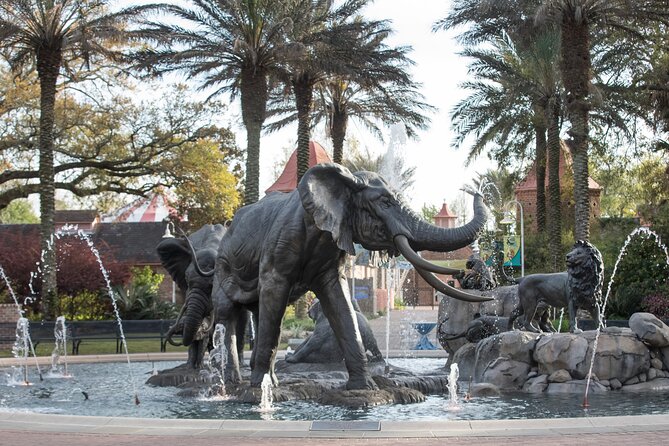
- Award-winning habitats across 50+ acres with 1,700+ animals and 350+ species
- Big-cat and primate highlights including close-up African lions and outdoor Sumatran orangutans
- Themed stops that actually change the vibe from Monkey Hill treehouses to the Jaguar Jungle
- Louisiana Swamp Exhibit in the middle of the city with species like black bears and a white alligator
- Optional add-ons exist (like Train and Virtual Reality), but your basic ticket covers the zoo
Audubon Zoo ticket value: what you’re really buying
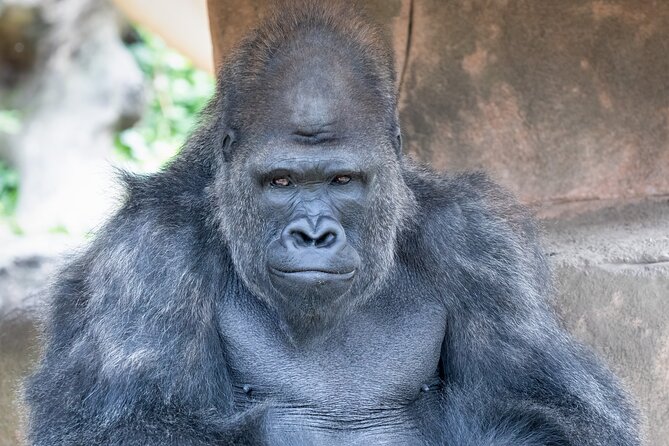
For $37.60, you’re paying for more than zoo admission. You’re buying time. A well-run zoo can save you hours of wandering, and Audubon is set up so you can hit a lot of must-sees in a 3 to 4 hour window.
This ticket is also designed to reduce uncertainty. Popular attractions can be tough when you wait. With a mobile ticket and guaranteed access language, you’re basically saying: I’m doing this, and I’m not waiting to see what happens at the gate.
One more value point: this place is big in subject matter, not just in square footage. You can spend your time on lions and primates, then shift gears into bats, swamp animals, and farm-style learning without feeling like you’re repeating the same thing over and over.
You can also read our reviews of more tours and experiences in New Orleans



Planning your 3–4 hour visit without rushing
A 3 to 4 hour visit works best if you think in zones. Don’t try to see every single animal. Instead, pick a handful of signature stops, then let the rest fill in around them.
Audubon covers 50+ acres, so even though it’s a half-day on paper, your legs will notice it. Reviews highlight that the zoo layout is signposted well and that the grounds are clean and spaced out, which helps your pace feel easier. Still, wear shoes you’d happily wear for a long walk in humid New Orleans.
If you’re coming during hotter parts of the day, plan your rhythm: take the shaded exhibits first, then do the more open areas when you’re ready to sweat. Reviews specifically mention lots of shade and fans at seating areas, which is a real quality-of-life detail.
Stop 1: African lion habitat and close-up viewing
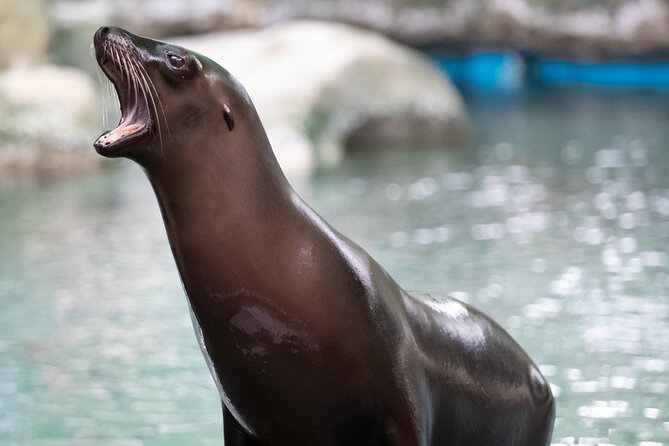
If you only have time for one “wow moment,” make it the African lion habitat. This is one of the big draws because it’s set up for very close viewing—three females and one male are part of what you’ll look for.
What I like about this setup for your visit is that you don’t have to crane your neck and hope. Close habitats reduce the frustration factor. You get better photo opportunities, and you can actually watch behavior instead of staring at distance.
A quick practical thought: when animals are active, you’ll want to linger. When they’re resting, you’ll still get value from just slowing down and watching subtle movement. Lions are great that way.
Stop 2: Outdoor Sumatran orangutans and baby energy
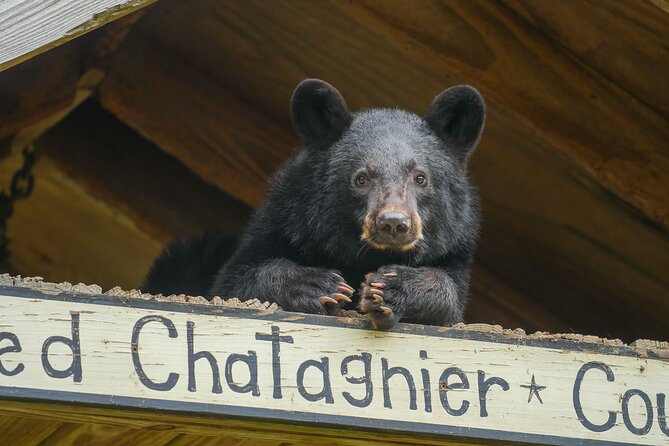
Next up, aim for the outdoor Sumatran orangutan habitat. This one is especially compelling because it includes orangutan babies born at the zoo, so your “prime time” watching isn’t just adult behavior—it’s baby development, play, and curious climbing.
The outdoor setting matters. Indoors, exhibits can feel like a screen you watch through glass. Outdoor habitats tend to feel more natural, and the energy can be higher. Even if you’re not a primate super-fan, orangutans have a slow, thoughtful style that’s hard to look away from.
If you’re traveling with kids, primates are often the quickest path to delight. Reviews and the overall reputation of the zoo point in that direction.
Monkey Hill: the 5-level treehouse you’ll want to photograph
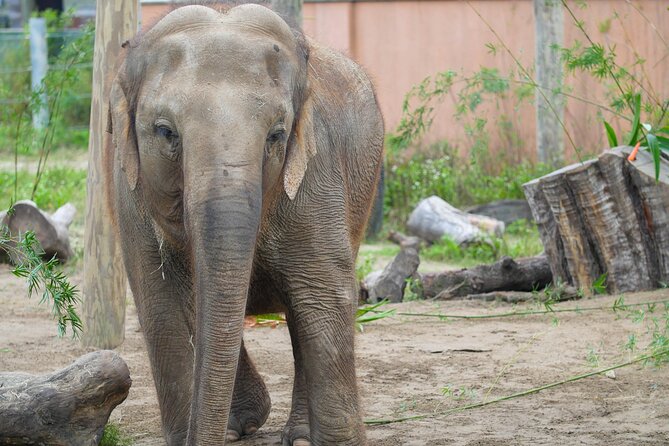
Monkey Hill is a standout because it’s not just an animal exhibit. It’s built like a mini-world for primate observation, with a five-level treehouse structure.
Here’s why that matters for you: multi-level viewing gives you different angles as animals move. It also keeps things interesting if you arrive when animals are active in one area but not another. You can shift platforms and keep engagement without leaving the area.
This is also one of those locations where the zoo feels like it’s competing with itself for your attention—primates above you, paths around you, and plenty of chances to frame a good shot without going full tourist tripod.
You can also read our reviews of more tours and experiences in New Orleans

Jaguar Jungle: Central America vibes in one living exhibit
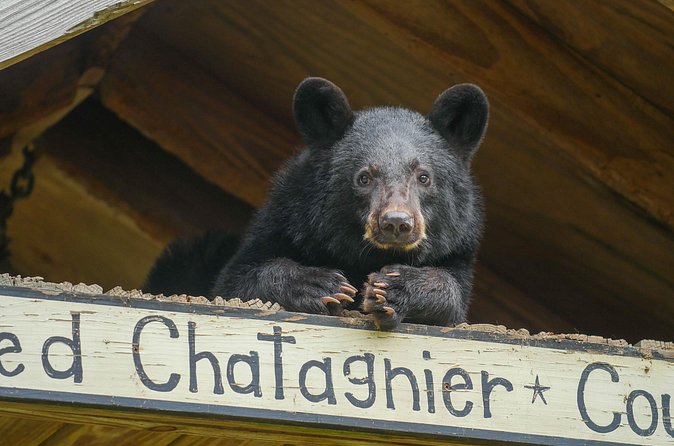
Now the mood changes. The Jaguar Jungle is designed to transport you to Central America, and it does that through themed details, not just naming.
You’ll find elements like an archaeological dig area, plus animals including spider monkeys, ocelots, and a jaguar. There’s also the Criaturas de la Noche bat house, which adds a night-creature angle to the overall experience.
For planning, think of Jaguar Jungle as your “make it official” section of the day. Get here when you’re awake and ready to look closely. If you’re the type who loves animal behavior, you’ll enjoy the way these species occupy different spaces and activity rhythms.
And the bat house is a big deal. Bats can be easy to miss in many zoos, but having a dedicated feature makes it more likely you’ll actually spend time there.
Louisiana Swamp Exhibit: a real city swamp experience
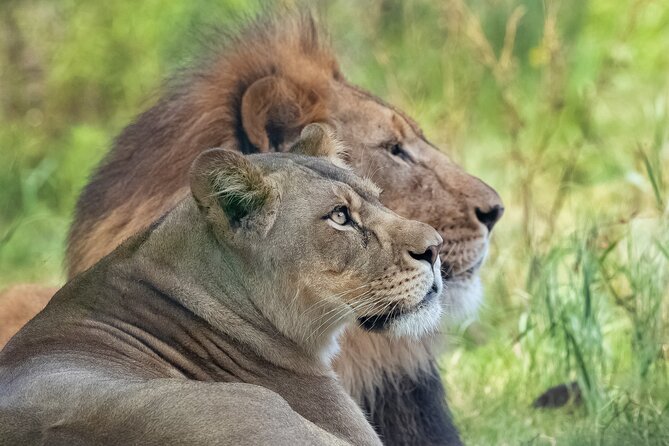
If you want something that feels specific to Louisiana, put the Louisiana Swamp Exhibit high on your list. It’s described as the world’s only urban swamp, so you’re not just seeing animals—you’re seeing a habitat concept built into New Orleans itself.
This exhibit highlights animals from South Louisiana such as black bears, bobcats, foxes, and a white alligator. Reviews also reinforce that people feel the zoo is clean and well organized, which helps when you’re moving through a habitat with lots of different species to spot.
Why this stop is valuable: it’s a change from the typical zoo circuit. Instead of just “jungle animals” or “farm animals,” you get a local ecosystem focus. Even if you’re not from the region, it’s a strong way to feel grounded in where you are.
Watoto Farm: learning plus domestic animals
After the swamp, shift to a more hands-on learning vibe at Watoto Farm. This part of the zoo focuses on sustainable agricultural practices, and it also includes domestic species like sheep and goats.
This is a good choice if you want the experience to feel more than viewing. Farm-style areas often offer a calmer pace, and the learning angle helps break up the “animal sprint” feeling you can get in big zoos.
For families, domestic animals are usually a win because kids often want to watch behavior up close and react to smaller movements. For adults, it’s a refreshing reset before you head back into the zoo’s more dramatic themed zones.
The train and other optional add-ons: when to splurge
A train ride is mentioned as a favorite in reviews, but your ticket doesn’t include train or virtual reality. That means you have a choice.
If you’re feeling strong and steady on your feet, you may not need it. But if you want to reduce walking fatigue while still seeing more of the zoo, the train can be a smart way to extend your day without forcing a sprint.
My practical advice: decide based on your energy when you get there. In a heat-heavy city, a short “comfort investment” can make the whole day more enjoyable.
What the layout gets right: shade, spacing, and easy navigation
One of the most convincing parts of this zoo experience is the day-to-day comfort. Reviews mention lots of shade, clean and well spaced out exhibits, and even fans at seating areas.
Signposting also matters. When a zoo is easy to navigate, you spend less time lost and more time watching. That’s how you get value out of a half-day ticket.
Also, this is a place where photo opportunities are naturally built in. From lion viewing to treehouse angles to themed jungle areas, you don’t need to hunt for a “perfect moment” with luck.
Who this Audubon Zoo ticket is best for
This is a great fit for animal lovers who want a lot in 3 to 4 hours. It’s also a strong pick for families, because you can move from big cats to primates to swamp animals to farm life without the day going stale.
You’ll also enjoy it if you like themed exhibits that do more than name species. Jaguar Jungle and Monkey Hill are exactly the kind of attractions that make zoos feel like places to explore, not just pass through.
The main caution is physical. The zoo is extensive and you’ll be doing a lot of walking over varied ground. If you don’t have much flexibility in your mobility, plan carefully and keep your itinerary realistic.
Price and timing: getting the most for $37.60
At $37.60 per person, the pricing makes sense for a major attraction with 1,700+ animals and multiple signature habitats. You’re not just paying for entry; you’re paying for a well-designed way to experience different ecosystems and animal collections in one day.
Timing is another quiet advantage. This kind of ticket is commonly booked around 16 days in advance on average. If you wait until the last minute, you might waste time figuring out entry options. Booking ahead helps you protect your schedule in a city where plans shift fast.
For best results, go early enough to enjoy the zoo before the day gets too hot. Then work through your priorities: lions and orangutans first, then Monkey Hill, then themed zones like Jaguar Jungle and the swamp.
Should you book this Audubon Zoo ticket?
Book it if you want a reliable, half-day plan with big animal highlights and themed exhibits that change the mood every few stops. For the price, you get strong value from the variety alone—lions, orangutans, jaguars, swamp animals, and a farm learning section in one outing.
Skip it only if you know you won’t enjoy walking. With the zoo spread across 50+ acres, your enjoyment depends on comfort and stamina. If that’s you, consider ways to reduce walking with optional services like the train, but remember those aren’t included in the base ticket.
If you’re looking for a confident “we’re going to see the good stuff” day in New Orleans, this ticket is a very solid bet.
FAQ
How long does the Audubon Zoo ticket visit take?
Plan on about 3 to 4 hours for your zoo time. That works well for hitting the main highlights without rushing through everything.
What’s included with the Audubon Zoo ticket?
The ticket includes admission to Audubon Zoo. That’s the main item you’re paying for.
Are food and drinks included in the ticket price?
No. Food and beverage are not included, so you’ll want to budget for snacks and meals separately.
Is this ticket a mobile ticket?
Yes, the ticket is delivered as a mobile ticket.
Can I get a refund if my plans change?
Yes. Free cancellation is available if you cancel at least 24 hours before the experience starts for a full refund. Canceling within 24 hours does not receive a refund.
Are service animals allowed?
Yes, service animals are allowed.