REVIEW · NEW ORLEANS
Creole Louisiana: A French Quarter Walking Tour (English)
Book on Viator →Operated by Tours By Marguerite · Bookable on Viator
New Orleans can feel like a maze. This Creole Louisiana walking tour turns it into a story you can actually follow. You’ll cover major stops in the Vieux Carré while a guide connects what you see to Creole culture, music, and food origins.
I especially like the guide-led pacing and the way the route builds your bearings fast. The tour also includes an entrance that most self-guided wandering skips: the Hermann-Grima House courtyard, which gives you a real look at 19th-century domestic life.
One thing to consider: the experience depends heavily on the guide’s explanations. If you’re picky about exact distinctions between Creole and Cajun, bring questions and expect some variation in how that gets framed.
In This Review
- Key highlights worth planning for
- Jackson Square to the Hermann-Grima House: a smart French Quarter starter
- Price and value: what $35 buys you in 2 hours
- Stop 1: Jackson Square and the Vieux Carré center
- Stop 2: St. Louis Cathedral and New Orleans oldest church
- Stop 3: Louis Armstrong Park and the clues of Congo Square
- Stop 4: Hermann-Grima House courtyard, with the included entrance
- Passing the bigger landmarks: Jackson Square and St. Louis Cemetery No. 1
- Creole vs Cajun, plus the origins of jazz, gumbo, and jambalaya
- Guides and group size: small enough to hear, big enough to meet people
- Getting the most out of a 2-hour walk (without turning it into a sprint)
- Practical logistics that affect your day (brief but important)
- Should you book? My take on who this tour fits best
- FAQ
- How long is the Creole Louisiana French Quarter walking tour?
- How much does the tour cost?
- What’s included for the Hermann-Grima House stop?
- Where do I meet the tour, and where does it end?
- Is this tour in English, and how big is the group?
- What happens if the weather is bad or I need to cancel?
Key highlights worth planning for
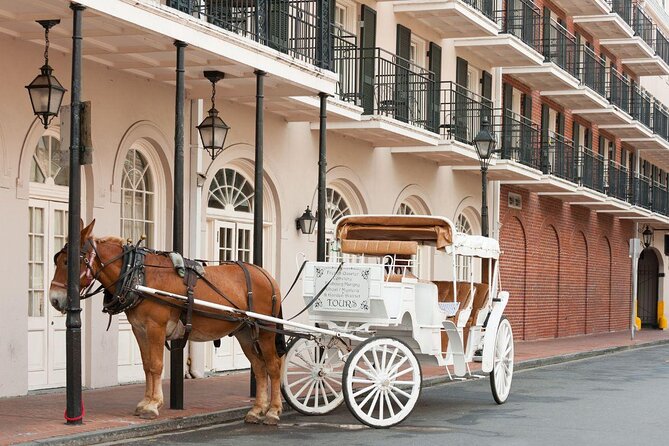
- Creole-focused route that helps you connect streets and sights to real people and traditions
- Jackson Square and St. Louis Cathedral explained in a quick, easy stop-and-go format
- Louis Armstrong Park and Congo Square background that puts the music and community context on the map
- Hermann-Grima House courtyard with an included fee and an exclusive-feeling walkthrough
- Small-group feel with a maximum of 28 people, making it easier to hear and ask questions
Jackson Square to the Hermann-Grima House: a smart French Quarter starter
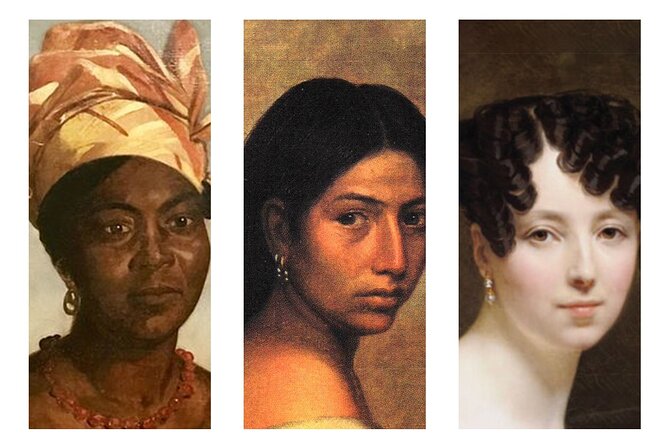
If this is your first day in New Orleans, a guided walking tour is one of the best ways to get your footing without wasting time. The French Quarter is full of “great view” moments, but the hard part is knowing what you’re looking at and why it matters. This tour solves that by pairing famous landmarks with cultural context.
The overall idea is simple: you walk a tight loop through classic sights, then you hit one interior-style payoff—the Hermann-Grima House courtyard. That mix makes the trip feel like more than sightseeing. You’re not just collecting photos; you’re learning what shaped the neighborhood and the Creole identity tied to it.
You can also read our reviews of more walking tours in New Orleans



Price and value: what $35 buys you in 2 hours
At $35 per person for about 2 hours, this is priced like a solid “one-and-done” history-and-orientation tour. The big value lever here is the included fee for the Hermann-Grima House courtyard. Many walking tours show you great exteriors; fewer give you access to a specific courtyard experience that matches the 19th-century story you’re being told.
Also, the format is practical. You get a guide to handle navigation, so you aren’t piecing together your own route under time pressure. That matters in the French Quarter, where it’s easy to wander for 30 minutes and realize you’ve gone nowhere useful.
Stop 1: Jackson Square and the Vieux Carré center
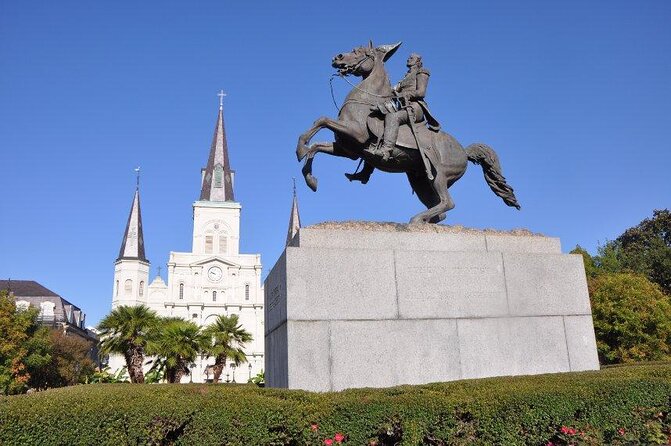
Jackson Square is the emotional center of the Vieux Carré. Even if you’ve seen it in photos, it’s worth hearing a clear explanation of how it functioned as a focal point for the city. The tour keeps this stop tight—about 5 minutes—which is good for two reasons: you stay moving, and you don’t end up bored while the group stacks up.
If you like architecture and old-world city planning, you’ll enjoy the way the guide frames the square as more than a postcard. Think of it as a “where things gathered” kind of landmark, a place that helps explain the city’s public life.
Stop 2: St. Louis Cathedral and New Orleans oldest church
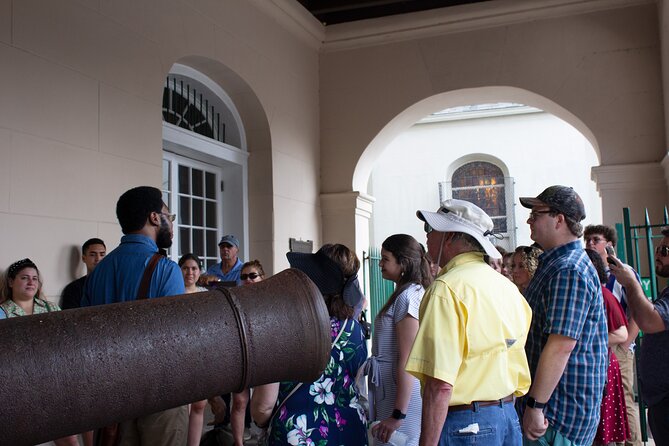
St. Louis Cathedral is one of those places where you can stare up at details for a long time. This tour doesn’t ask you to. It gives you the core history quickly—again, about 5 minutes—so you can move on with context instead of just guessing.
This stop is especially valuable because the cathedral is tied to how New Orleans formed its identity over time. It’s not only a building; it’s a cultural anchor. If you want your trip to feel grounded in place, this is one of the stops that helps everything else click.
Stop 3: Louis Armstrong Park and the clues of Congo Square
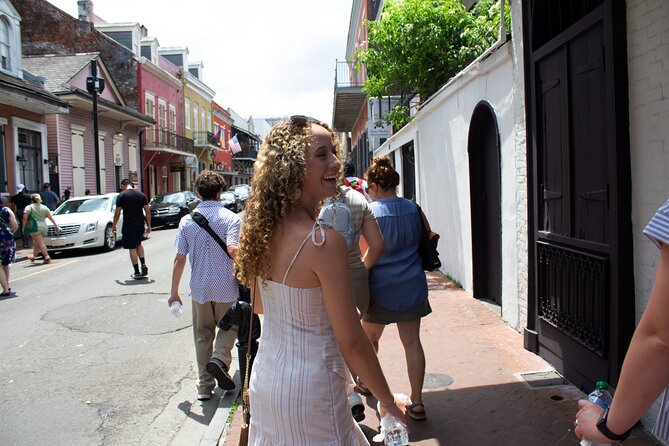
Louis Armstrong Park is where the tour starts to feel more “Creole culture” than “museum tour.” The guide focuses on the cultural significance of Congo Square, which is key to understanding why New Orleans music and community traditions are so tied to the city’s roots.
This stop is about 10 minutes, so you get a little more time to absorb the story. You’re also getting a chance to connect what you hear (jazz, community traditions) with where it connects on the ground. If you care about how music and identity evolve, this is one of the more satisfying segments.



Stop 4: Hermann-Grima House courtyard, with the included entrance
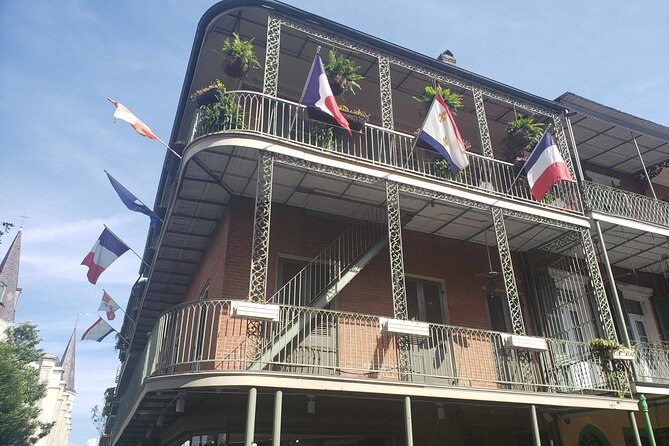
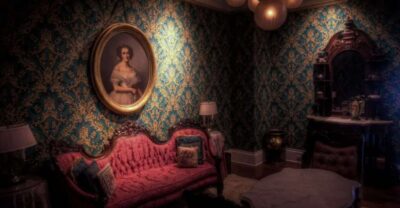
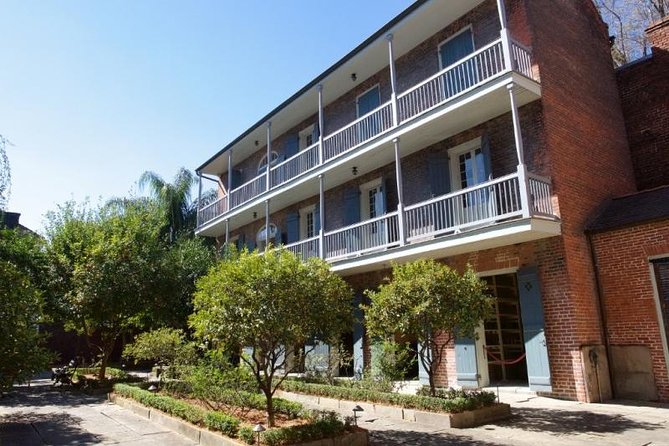
The courtyard of the Hermann-Grima House is the tour’s standout access point, and it’s the one place where you’re paying for a specific experience. You get an exclusive-feeling look at the space—typical of the 19th century—without having to figure out how to get there or what to look for once you arrive.
This is the moment when the tour’s storytelling turns visual. Courtyards like this help you understand how everyday life worked: light, movement, and the way households functioned inside a tightly built neighborhood. If you’ve ever wondered what people meant when they described old New Orleans as both intimate and structured, a courtyard is a great teacher.
Passing the bigger landmarks: Jackson Square and St. Louis Cemetery No. 1
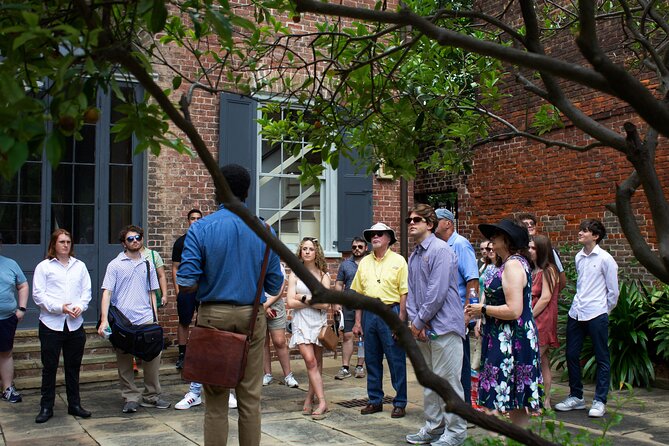
Even though the tour has set stops, you’ll also see other top sights along the way—one of the big ones named is St. Louis Cemetery No. 1. That’s a major French Quarter landmark, and having a guide with you keeps the cemetery from becoming just spooky décor.
This is a good approach for first-timers. Cemeteries in New Orleans can be intense, and you don’t want your first encounter to be purely visual. A little context helps you stay respectful and also makes the experience make sense.
Creole vs Cajun, plus the origins of jazz, gumbo, and jambalaya
The tour’s big promise is connecting Creole Louisiana to things you already associate with New Orleans. It’s not just that you’ll hear about jazz, gumbo, and jambalaya; you’ll hear how these ideas connect back to people, languages, and cultural mixing.
One of the most praised parts of the experience is how some guides explain the terms Creole and Cajun in a way that’s understandable. If you’ve struggled to sort those labels out on your own, this is exactly the kind of guided explanation that can save you hours of reading.
It’s also worth knowing that at least some guides include specific, memorable details—like stories tying New Orleans to early professionals (including mention of the first pharmacist in the United States). Those kinds of facts make the tour feel alive, not just chronological.
A quick consideration: explanations can vary by guide. One review noted a problem with Cajun accuracy and the feeling that the guide wasn’t running their usual format. If you’re already deeply connected to Cajun history or you’re sensitive to how those identities are described, come ready to ask follow-up questions and to compare notes later from other sources too.
Guides and group size: small enough to hear, big enough to meet people
With a maximum of 28 travelers, this doesn’t feel like a huge bus-and-strap-hat situation. That size hits a sweet spot: you still get the group energy of a guided walk, but you’re not constantly blocked from hearing the guide.
The guides’ names show up in the reviews—Lawson, Laurent, and Lawton are highlighted. If you can request a guide, it’s worth aiming for Lawson, since people explicitly recommend him for friendly, informative, funny explanations and lots of interesting terms and tidbits. Even if you don’t get your top pick, this is a guided format, so you should still get a clear, route-based narrative.
Getting the most out of a 2-hour walk (without turning it into a sprint)
Two hours in the French Quarter sounds manageable, and it can be—if you plan your own expectations. This tour moves with short stop times (often around 5 minutes) and one longer access stop at Hermann-Grima House (around 20 minutes). That schedule is designed to keep energy up and avoid slow drift.
My practical advice: wear shoes you can handle on uneven sidewalks. You’ll spend most of the time standing, looking, and walking between points, not sitting. And because the tour depends on good weather, it’s smart to bring a light layer and something for sun or rain just in case.
If you’re the type who loves facts, take advantage of the guided format. Ask questions when the guide brings up terms like Creole and Cajun, or when the conversation shifts to food origins. Those are the moments when a good guide can connect language, culture, and everyday life in a way you won’t get from signs.
Practical logistics that affect your day (brief but important)
This is an English guided walking tour run by Tours By Marguerite, and you’ll receive confirmation at booking. You’ll use a mobile ticket, which is handy if you’re already juggling reservations and maps on your phone.
You’ll start at 2951502 Royal St, New Orleans, LA 70116, and the tour ends at Hermann-Grima House, 820 St Louis St, New Orleans, LA 70112. Ending at the Hermann-Grima House area is useful because it leaves you near more French Quarter exploring—so you can keep going after your guided story wraps.
Service animals are allowed, and most travelers can participate. The tour is near public transportation, so you’re not locked into taxis if you’re staying nearby.
Should you book? My take on who this tour fits best
Book this tour if you want an efficient first pass through the French Quarter with Creole-centered context. It’s ideal for people who feel overwhelmed by New Orleans history and want a guide to explain the big picture while you walk. The Hermann-Grima House courtyard access adds meaningful value beyond a typical street-only walk.
Skip it only if you already know the French Quarter deeply and you’re mostly looking for a long, detailed, museum-style explanation at every stop. The stop times are short and the focus is on connecting themes, not lingering.
If you do book, do one thing to make it better: ask your guide to clarify Creole vs Cajun in the way they’re explaining it. That’s where the tour’s best learning payoff tends to live, and it helps you leave with a clearer mental map of New Orleans identity.
FAQ
How long is the Creole Louisiana French Quarter walking tour?
It lasts about 2 hours.
How much does the tour cost?
The price is $35.00 per person.
What’s included for the Hermann-Grima House stop?
The courtyard entrance fee for the Hermann-Grima House is included.
Where do I meet the tour, and where does it end?
You start at 2951502 Royal St, New Orleans, LA 70116, USA, and the tour ends at Hermann-Grima House, 820 St Louis St, New Orleans, LA 70112.
Is this tour in English, and how big is the group?
The tour is in English, and it has a maximum of 28 travelers.
What happens if the weather is bad or I need to cancel?
The tour requires good weather. If it’s canceled due to poor weather, you’ll be offered a different date or a full refund. You can cancel for a full refund up to 24 hours in advance; within 24 hours, the amount paid is not refunded.