REVIEW · NEW ORLEANS
New Orleans Night Sightseeing Flight
Book on Viator →Operated by New Orleans Aerial Tours & Flight Training · Bookable on Viator
Night flying over New Orleans feels different. It’s the same city, but the lights make it look brand new. You’ll get a small, private plane with live pilot commentary, plus the chance to ask for specific sights as you go.
I especially love two things: the way the pilot connects the dots from above (not just names landmarks), and the fact that you fly over the city’s key spots after dark, when the French Quarter and downtown shine. One thing to think about first: the experience is in a small aircraft with no restroom on board, and it’s not a great fit if you’re prone to motion sickness.
In This Review
- Key highlights to know before you book
- Why a night sightseeing flight makes sense over New Orleans
- Lakefront Airport check-in: where you start and what to bring
- The private plane experience: what it feels like in practice
- French Quarter after dark: Jackson Square and the river edge
- Downtown lights: Superdome and Smoothie King Center from above
- The Mississippi bend: how the Crescent City shape clicks
- Beyond the city: bayou views and the wetlands contrast
- Port of New Orleans wharf fly-by: a working city view
- How the pilot commentary changes everything
- Choosing 30 or 45 minutes: which one fits your plans
- The real-world value: price, group size, and what you get
- Who should book this and who should skip it
- Should you book the New Orleans night sightseeing flight?
- FAQ
- How long is the New Orleans night sightseeing flight?
- Is this a private tour?
- How many people can be in a booking?
- Where do you meet for the flight?
- Do you get live commentary from the pilot?
- Do I need to call to confirm the flight time?
- Are food and drinks allowed on board?
- Is there a restroom on the plane?
- What are the rules for motion sickness or pregnancy?
- What about luggage and car seats?
Key highlights to know before you book
- Private, small-plane format with a tight group size, so you’re not fighting for a view
- Live commentary from your FAA-certified pilot, including facts on what you’re seeing
- Two classic route options by time: 30 minutes for highlights, 45 minutes for more switching scenery
- Superdome and Smoothie King Center from the air, with Central Business District fly-bys
- Mississippi River views and the Crescent City story from a high vantage point
- Bayou scenery at night, a contrast you just can’t get from the ground
Why a night sightseeing flight makes sense over New Orleans
New Orleans at night has a mood. On the ground, you’re stuck with streets, traffic, and whatever blocks your line of sight. From the air, the city’s shape becomes the story. The Mississippi River curve shows up fast, and suddenly the name Crescent City stops being a slogan and starts being a fact you can see.
The big win here is the combination of time and perspective. A 30- or 45-minute flight sounds short, but it’s enough to cover the French Quarter glow, downtown’s stadium lights, the river’s bend, and then push outward toward the region’s bayou system. If you only have one or two evenings in town, this is a smart way to get a “New Orleans overview” without spending hours bouncing between stops.
Two other practical reasons I like this style of tour:
- The pilot commentary gives context as you fly, so landmarks feel connected instead of random.
- You can request sights. That flexibility matters if you’re a Saints fan, a river person, or you want more time focused on one area.
One note before you commit: it’s a small plane, and the air is not conditioned during summer months. You’ll want to dress for the weather and expect it to feel more like a short outdoorsy outing than a comfy indoor tour.
You can also read our reviews of more evening experiences in New Orleans


Lakefront Airport check-in: where you start and what to bring
Your flight starts and ends at Lakefront Airport at 6575 Stars and Stripes Blvd, New Orleans, LA 70126. This is helpful because you don’t have to plan a complicated pickup and drop-off routine. You meet at the airport, you fly, and you’re back where you began.
Here’s what you should plan for ahead of time:
- Call the supplier 12 hours before your flight to confirm the time. This isn’t optional fluff. Flights can shift with operations, and you don’t want to show up guessing.
- Bring photo ID for check-in.
- Your ticket is mobile, which is convenient, but still bring your ID.
- You’ll sign a safety waiver before takeoff.
On board rules are straightforward:
- No food or drinks on the aircraft.
- There are no restrooms on board.
- No large bags are allowed; bring only small purses and bags.
Also check the comfort basics before you book:
- There’s no air conditioning in summer months, and dress is weather dependent.
- If you’re prone to motion sickness, this tour isn’t recommended, and refunds aren’t provided for that situation.
- Pregnant travelers are advised to talk with a physician first.
Finally, the airplane has strict limits:
- You must provide passenger weights at booking.
- Combined weight can’t exceed 450 lbs, and no individual can be over 300 lbs.
It’s very “fly-safe, fly-tight,” and that’s part of the value: small-group tours work because they follow these constraints carefully.
The private plane experience: what it feels like in practice
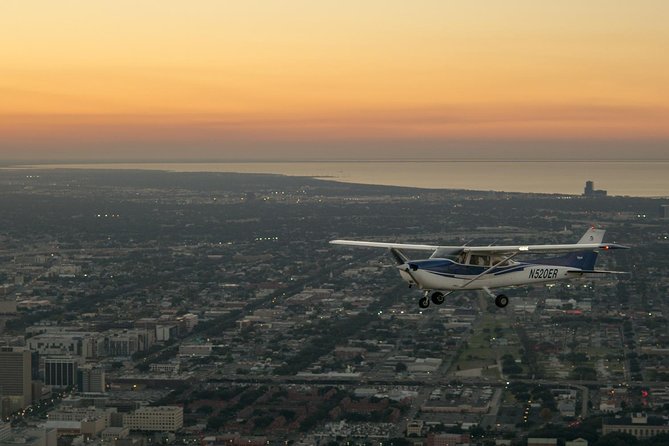
This is marketed as a private tour, and the structure matches that. The plane seats are small, and the experience is designed around a small party. The operator lists a maximum of 3 people per booking, which means you’ll likely fly as a small group with your pilot rather than as a crowd.
That setup affects what you’ll enjoy:
- You’ll have an easier time choosing seats and angles for views.
- The pilot can talk directly to your group while pointing out landmarks.
- You’re not listening to a recorded spiel through headphones.
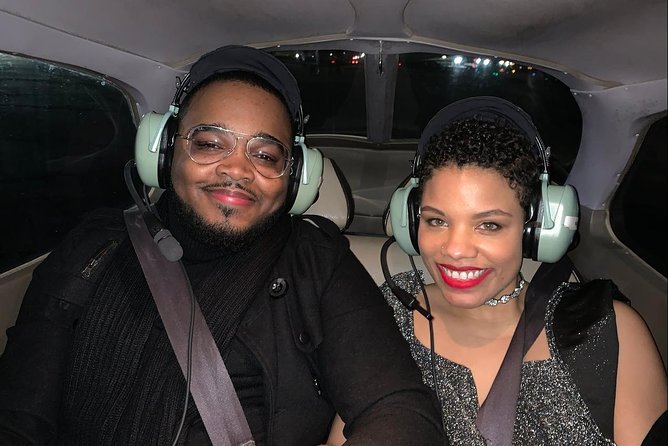
You’ll get aviation headsets, including one new microphone cover per passenger. This is a nice touch because it means your audio should be clearer than older, shared equipment. You’ll hear the live guide over engine noise, which is half the point of a flight like this.
One more practical detail: flight time is measured from engine start to engine shutdown, including taxi time before takeoff and after landing. That matters because it explains why the tour is labeled 30 to 45 minutes overall rather than just “30 minutes in the air.”
French Quarter after dark: Jackson Square and the river edge
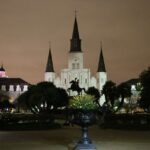
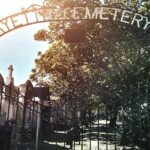
If you love the French Quarter, this is where the tour starts paying off. As you fly in, you’ll get a view of the area’s key icons, including Jackson Square and the cemeteries that mark the city’s unusual mix of postcard beauty and deep history.
From the air, the French Quarter is less about “walking to one corner” and more about pattern. You can see how the neighborhood hugs the river curve, and how the streets and blocks form a tight grid around the brighter focal points. At night, you’ll notice contrast: darker interior blocks vs. illuminated areas that look almost architectural in their glow.
A drawback, just so you can plan: a small plane means you’ll be sharing the same viewing window. If you’re the type who needs a perfectly framed photograph for one specific angle, pick your seat early at the airport if that’s possible. Even without a perfect photo, the aerial view gives you a useful sense of where everything sits relative to the river.
Also, this tour is flexible in what you request. If you have one “must-see” spot in the Quarter, this is a good stage to ask for it since you’re already in the neighborhood area during the fly-over.
Downtown lights: Superdome and Smoothie King Center from above
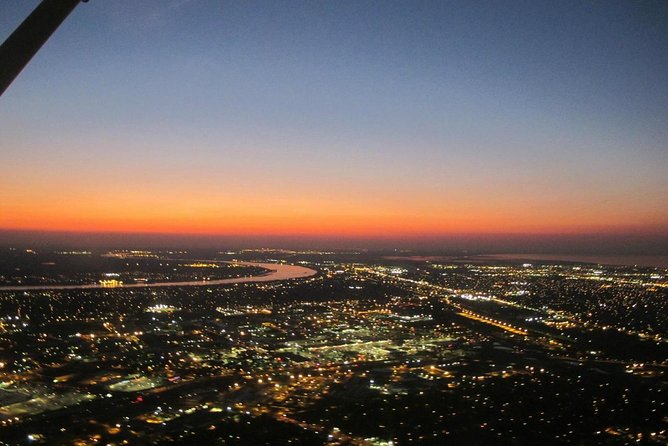
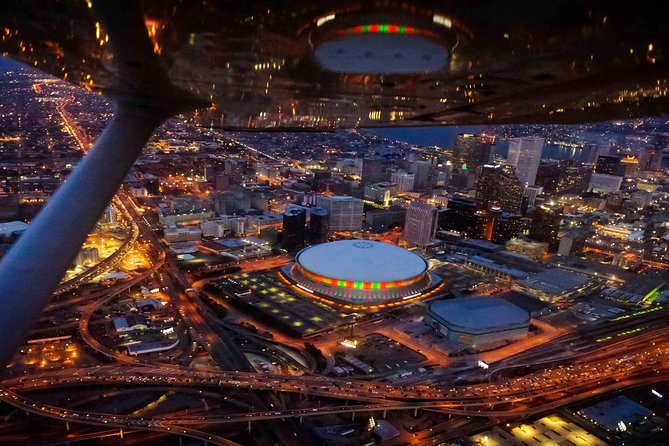
Next comes the downtown energy: the Mercedes-Benz Superdome and the neighboring Smoothie King Center. Seeing these stadiums from the air changes their scale. Up there, you get a more honest sense of how big the complex is and how it sits within the Central Business District.
Even if you’re not a football fanatic, stadium lights at night create a strong visual moment. They’re bright reference points in an otherwise varied city grid, so they help you orient quickly. The pilot’s live commentary also matters here: you’re not just watching lights; you’re hearing what those buildings represent and how they fit into the city’s life.
If you’re a Saints fan, this is the stop that tends to feel most personal. The stadium isn’t just a landmark; it’s a symbol of a local rhythm. From the air, you understand the whole setting faster than you would on foot.





The Mississippi bend: how the Crescent City shape clicks
One of the best “aha” moments on this flight is following the Mississippi as it winds through New Orleans. From ground level, the river can feel like scenery you pass by. From the air, you see the actual curve, and why the nickname Crescent City fits in a way that’s hard to explain without experiencing it.
This is also where the contrast ramps up. You’ll get an illuminated urban ribbon of lights, then the darker water and wetlands edges in the distance. The pilot’s commentary helps connect the city’s geography to the way New Orleans developed where it did.
If you’re a photographer, this portion is often where people try to catch the river “line” through the dark. Even if your photos aren’t perfect, your brain will get a clearer map of the city’s structure.
Beyond the city: bayou views and the wetlands contrast
After downtown and the river bend, you’ll cut away from the city to see the region’s huge integrated bayou system. This is an important part of why this tour feels more than a basic highlights loop.
New Orleans is famous for culture, but it’s also defined by water. The bayou view gives you a different kind of storytelling: marshy edges, darker terrain, and a sense that the city is part of a larger watery network rather than a standalone island of lights.
Night helps here too. Daytime bayou areas can feel flat or generic from the air. At night, you often get stronger contrast between lit city areas and the darker, quieter surrounding landscape.
Port of New Orleans wharf fly-by: a working city view
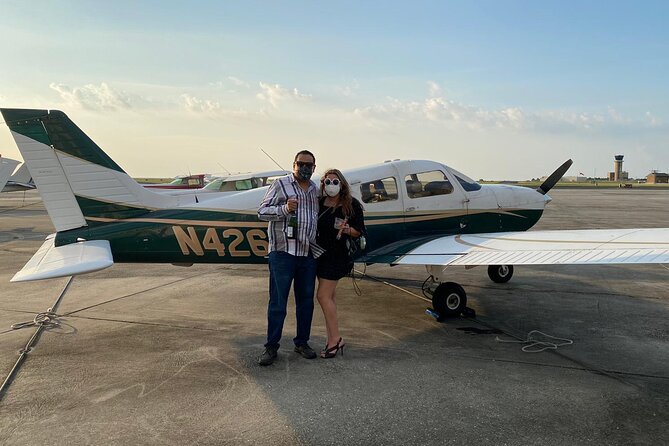
You’ll also glide over the Port of New Orleans and its wharves. This part of the flight adds realism. It reminds you that New Orleans isn’t only music, museums, and architecture. It’s a working riverfront city with movement and industry.
From the air, port areas can look like geometric patterns. That can be a little “less romantic” than the French Quarter, but it’s also interesting because it rounds out the picture. You get both the famous and the functional.
How the pilot commentary changes everything
The pilot isn’t just driving the plane. The live narration is a core reason this tour scores so high.
The operator’s pilots include people like Ashley and Ryan, and the feedback around them is consistent: they’re polite, they communicate clearly, and they make sure you’re comfortable. Even when the plane is small, that kind of calm, attentive tone matters. It helps you focus on the views instead of worrying about the experience.
As you fly, the pilot points out iconic landmarks and explains facts and histories tied to what you see. That turns the flight from a “look out the window” activity into a guided aerial tour where you learn something in real time.
Choosing 30 or 45 minutes: which one fits your plans
Both options work, but they suit different moods.
30-minute flight is for quick highlights. You’ll likely cover the big hitters: the French Quarter area, the Superdome area, river views, and other key moments. If you’re trying to fit a night flight into an already full evening, this is the safer bet.
45-minute flight is for more breathing room. With extra time, you get more room for the city-to-water-to-bayou sequence to feel like a full story rather than a fast checklist.
If you’re on the fence, think about your goal:
- If you want the best quick overview, choose 30.
- If you want the city plus the surrounding nature contrast, choose 45.
The real-world value: price, group size, and what you get
The price is $189.34 per person, with a private setup. That number can sound steep if you compare it to a bus tour. But compare it to what you’re actually buying:
- A small aircraft charter feel
- Live pilot commentary
- A 30- to 45-minute aerial route over multiple landmark zones
Group limits matter, too. The minimum is 2 people per booking, so it’s best if you’re traveling with a partner or planning a small date-night or friends’ outing. The maximum is 3 people per booking, which keeps the experience intimate and helps keep the pilot’s attention on you.
Also, there’s a potential fuel surcharge. That can change the final total, so check what you’re billed at booking.
Is it the cheapest way to see New Orleans at night? No. Is it a memorable, efficient, high-impact way to see the city’s geography that you can’t replicate on foot or by bus? Yes.
Who should book this and who should skip it
This flight fits well if you:
- want a memorable night experience in a short time window
- care about skyline and geography, not just streets and museums
- like guided explanations while you look out the window
- are traveling with someone and can meet the minimum group size
You might want to skip (or think hard) if you:
- have motion sickness sensitivity
- need onboard restrooms
- travel with large bags or expect to snack and settle in
- exceed weight limits or need special seating arrangements (car seats aren’t provided)
If you’re bringing kids, the policy is clear: minors must be with an adult, and children 2 and younger are lap children. Children under 5 must sit in a DOT approved car seat that you provide (no car seat is available). That makes this a “check the details first” type of outing for families.
Should you book the New Orleans night sightseeing flight?
If you want the French Quarter glow, the Superdome lights, the river curve, and the bayou contrast in one tidy plan, I think this is a strong pick. The aircraft is small, the pilot guidance is live, and the time block is short enough that it won’t wreck your schedule.
I’d book it if you’re the kind of traveler who likes seeing how a place is put together. New Orleans is a city of water and shape, and a night flight shows that fast. Skip it if you hate tight spaces, get sick easily in moving vehicles, or need restroom access.
If you’re celebrating a date or a special milestone, this format also makes sense. It’s private, short, and guided, with a built-in sense of occasion.
FAQ
How long is the New Orleans night sightseeing flight?
It runs about 30 to 45 minutes, depending on which flight option you choose.
Is this a private tour?
Yes. It’s described as a private tour/activity, with only your group participating.
How many people can be in a booking?
A minimum of 2 people per booking is required, and the maximum is 3 people per booking.
Where do you meet for the flight?
You meet at 6575 Stars and Stripes Blvd, New Orleans, LA 70126, at Lakefront Airport. The tour ends back at the same meeting point.
Do you get live commentary from the pilot?
Yes. You’ll have live commentary from an FAA-certified pilot.
Do I need to call to confirm the flight time?
Yes. You must call the supplier 12 hours in advance to confirm the flight time.
Are food and drinks allowed on board?
No. Food and drinks are not allowed on the aircraft.
Is there a restroom on the plane?
No. There are no restrooms on board.
What are the rules for motion sickness or pregnancy?
This tour isn’t recommended for those prone to motion sickness. Refunds are not provided for motion-sickness situations. Pregnant women are recommended to speak with their physician before flying.
What about luggage and car seats?
No large bags are allowed; only small purses and bags are permitted. For children under 5, a DOT approved car seat is required and you must provide it (the operator does not provide a car seat).