REVIEW · NEW ORLEANS
Swamp Boat Ride and Oak Alley Plantation Tour from New Orleans
Book on Viator →Operated by Gray Line New Orleans · Bookable on Viator
Oaks, alligators, and a long Louisiana day. This full-day outing pairs Oak Alley Plantation (morning) or Destrehan Plantation (afternoon) with a guided swamp boat ride around Manchac Swamp, where you can spot local wildlife and learn why the wetlands matter.
I especially like the way the day is structured: an air-conditioned coach gets you out of the French Quarter, then you slow down for two very different experiences—plantation life up close, and marsh wildlife on the water.
One thing to watch: the plantation house has photo limits (and wildlife can be quieter in some seasons), so your best shots often come from the grounds and from the water’s edges rather than inside the mansion.
In This Review
- Key takeaways
- The big picture: what this day actually combines
- Price and value for a full day out of New Orleans
- Getting out of the French Quarter: coach time that’s not wasted
- Oak Alley vs. Destrehan: which plantation slot fits your interests
- Oak Alley Plantation (morning departures)
- Destrehan Plantation (afternoon departure)
- Inside the plantation experience: photos, pacing, and the slave quarters topic
- The Mississippi-to-marsh transition: Manchac Swamp and why the ride matters
- Cajun Pride Swamp Tours: pontoon cruise, narration, and what you can photograph
- Not a fan boat: know the boat type before you go
- Wildlife expectations: alligators are only part of the show
- The human factor: guides, humor, and keeping the day moving
- Group size and comfort: what to pack mentally for a long day
- Who this tour fits best (and who should be choosier)
- Should you book the Oak Alley Plantation and swamp boat ride?
- FAQ
- Where does the tour start?
- Which plantation will I visit based on the time I book?
- How long is the swamp boat ride?
- What type of boat is used on the swamp ride?
- Can I take photos during the plantation house tour?
- Is food available during the tour?
- Are service animals allowed?
- How many people are in the group?
- What is the cancellation policy?
Key takeaways
- Small-group feel (up to 28 travelers) keeps things from getting too chaotic on the coach and at stops.
- Oak Alley or Destrehan choice based on your departure time lets you match your interests and schedule.
- Private swamp refuge means you’re not weaving around other boats while you look for critters.
- Custom-built pontoon boat with open-sided, covered comfort works year-round and stays good for photography.
- Frequent wildlife names get explained out loud (alligators, nutria, raccoons, snakes, native birds), which makes spotting easier.
- You’ll learn the region’s flood-control story on the drive past Lake Pontchartrain and the Mississippi spillway.
The big picture: what this day actually combines
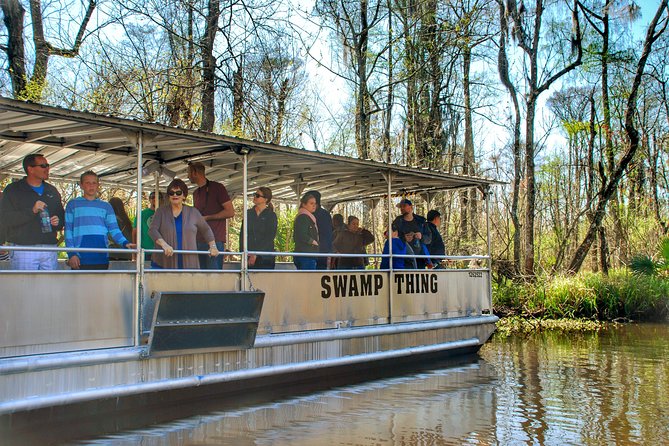
This is a “two-Louisianna-different-places” tour. You’ll start in the French Quarter, ride out through wetlands scenery, then spend your day switching between plantation history and swamp nature. It’s a good match if you want more than one style of Louisiana, without having to plan two separate trips.
The value is in the flow. You’re not just sitting in a bus and then rushing. There’s a guided plantation home visit, time to wander the grounds, and then a guided swamp ride designed for wildlife spotting. Add the fact that the swamp operation is privately owned (and aims to keep the ride peaceful), and you get a day that feels more focused than a grab-bag outing.
You can also read our reviews of more boat tours in New Orleans

Price and value for a full day out of New Orleans
At $131 per person for roughly 7 hours 45 minutes, you’re paying for three big chunks bundled together: round-trip coach transport, admission/tours at the plantation, and the swamp boat ride. Most of the time cost on tours like this is transportation plus multiple entry fees, so combining them usually makes sense.
It also helps that the tour includes guided narration and commentary in both settings. You’re not left alone with a map at the swamp or with audio-only history at the plantation. You’ll have people on board who can answer questions and point out what to look for, which matters when your goal is both photos and understanding.
The main “value check” is realistic expectations. If your top goal is nonstop animal action, you might feel a bit disappointed in slower seasons. If your goal is a well-run day with strong context—history on land and ecology on water—this price is easier to justify.
Getting out of the French Quarter: coach time that’s not wasted
You meet at Gray Line New Orleans at 400 Toulouse Street by the Steamboat Natchez Dock area. The tour asks you to walk to the departure point if you can, since the French Quarter is sensitive to extra traffic. In practice, this is helpful: you avoid circling and searching for the right pickup curb.
Once you’re on the coach, the drive gives you Louisiana context fast. You’ll head along the Lake Pontchartrain shoreline region, then move toward the wetlands area. If you pay attention, the tour’s narration connects the scenery to why the region behaves the way it does.
There are two details worth keeping in mind during the ride:
- Lake Pontchartrain is a large lagoon and brackish estuary, not a simple freshwater lake.
- You may also hear about the Mississippi River spillway, a flood-control system that channels river water into Lake Pontchartrain and then out toward the Gulf.
Those facts aren’t trivia. They help you understand why the marsh is so important—and why “swamp” is really an ecosystem doing real work.
Oak Alley vs. Destrehan: which plantation slot fits your interests
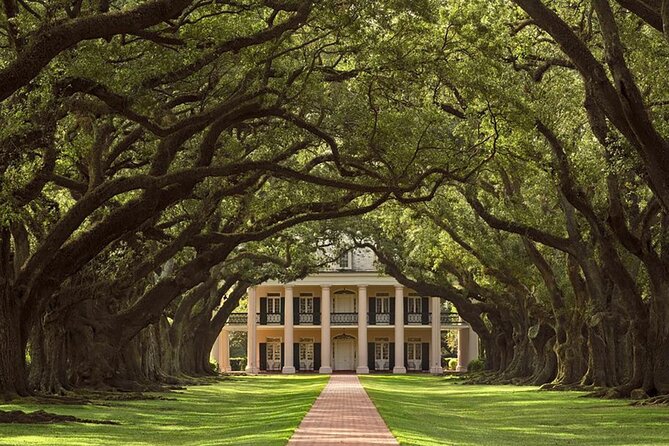
This is one of the best parts: your departure time determines which plantation you see. The morning departures visit Oak Alley, while the afternoon departure visits Destrehan.
Oak Alley Plantation (morning departures)
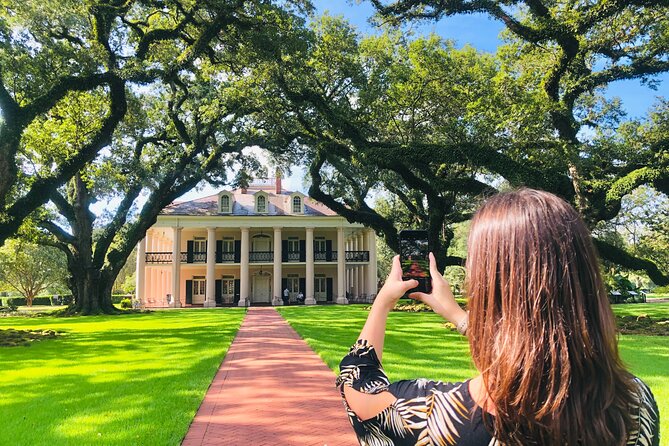
Oak Alley is famous for its long, dramatic approach and the alley of 28 magnificent oak trees. On your time here, you’ll get a docent-guided tour of the plantation home, plus self-guided wandering of the grounds with plenty of photo opportunities outside. There’s usually time to grab a refreshment too, and you’ll see options like a Mint Julep from the snack bar.
Important practical note: photography inside the house is restricted. This can be frustrating if you love indoor details, but it also means your best interior moments will be about what your guide points out and what you remember visually.
Oak Alley is also listed as a smoke-free facility, which is a nice comfort detail if you’re sensitive to smoke.


Destrehan Plantation (afternoon departure)
If you’re scheduled for the 1pm departure, you’ll visit Destrehan, which the tour frames through its role as a producer of indigo and sugarcane. You’ll still get a guided plantation experience designed to explain how people lived and worked in that era, but the emphasis is more on the plantation’s production story.
If you’re the kind of person who wants the tour to feel slightly different each time you come to New Orleans, this choice matters. You can also use the time-of-day difference: morning light can be great for outdoor photos at Oak Alley; afternoon can work well if you prefer a later start.
Inside the plantation experience: photos, pacing, and the slave quarters topic
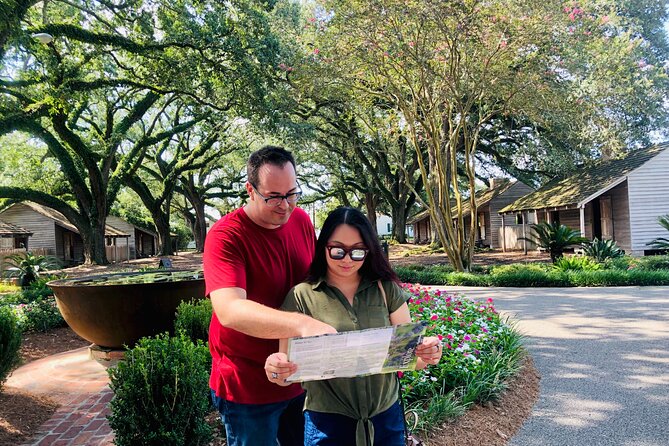
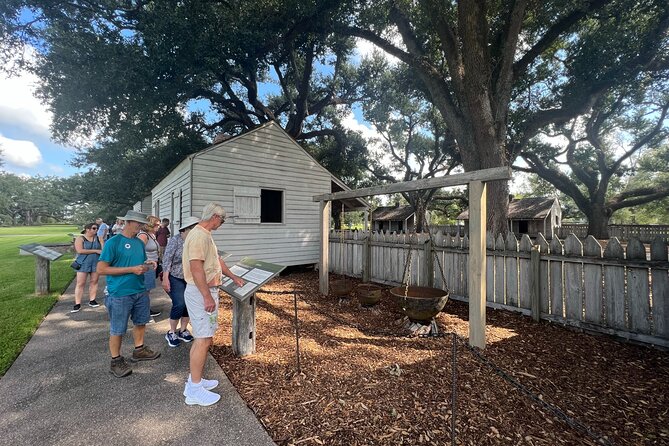
Your plantation time is built around a mix of guidance and freedom. You’ll start with a docent-guided home portion, then you’ll have a chance to slow down on your own in the grounds. That self-guided time is where you’ll really make the experience yours—standing in the oak alley, moving to angles you like, and taking in details without having to keep pace with a group.
A key theme you should go in expecting is the plantation’s daily life and work. That includes discussion of both life on the estate and the reality of slavery. One recurring note from guide-led experiences here is that the tours can be emotionally heavy, especially around areas connected to the enslaved community. If you’re traveling with kids, keep in mind they may need breaks or simple prompts to stay engaged.
One other practical detail: the house tour is time-limited. Some people wish they could stay longer in the interior spaces, but you’re getting a structured day that aims to protect the swamp portion afterward. If you want the house to be the main event, plan to bring patience for a brisker interior window.
The Mississippi-to-marsh transition: Manchac Swamp and why the ride matters
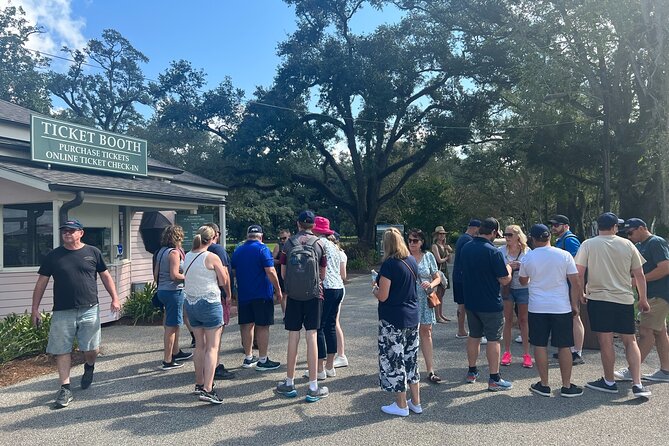
After the plantation, you return north by coach and head to Manchac Swamp. This is where the day changes tone. The swamp portion is not about grand architecture or curated rooms. It’s about moving quietly through water and vegetation, listening for what’s around you, and catching glimpses at the right moment.
You board an open-sided, covered boat. That design is practical: you’re protected from some weather while still having a good view. It also helps you hold your camera more comfortably than you would on a fully exposed deck.
The swamp operator also emphasizes calm conditions. The ride is conducted in a privately owned wildlife refuge that aims to keep you from dealing with other boats during the cruise. That matters. When wildlife spotting is the goal, extra engine noise and overlapping boats can reduce both your focus and your photo chances.
Cajun Pride Swamp Tours: pontoon cruise, narration, and what you can photograph
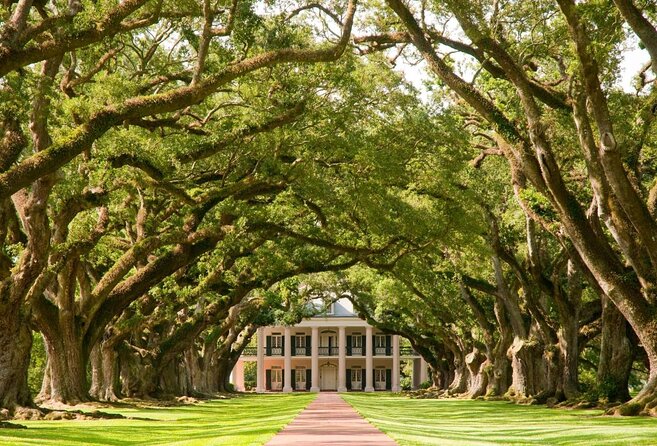
The swamp ride runs about 2 hours (and your total swamp stop is scheduled as roughly 1.5 hours in the overall day plan). Either way, you’ll feel like you spent real time on the water, not just a quick loop.
The boat itself is described as a comfortable, custom-built pontoon boat designed for the local ecosystem. You’ll hear narration from your guide/captain throughout, and the commentary is geared toward spotting. That means the tour doesn’t just say you might see wildlife; it helps you figure out where and how those animals show up.
Wildlife spotting is also one of the most praised parts of the day. People often talk about seeing animals close enough to feel exciting without getting reckless. The boat’s positioning and the captain’s callouts make a difference here.
A small but important detail: the tour includes a drink and snack stop at an open-air pavilion. It’s not a full meal, but it helps break up the day before you head back toward New Orleans.
Not a fan boat: know the boat type before you go
One caution I’ll put plainly: this tour uses a pontoon boat, not a fan boat/airboat. If you’ve got a fan-boat image in your head, adjust that expectation now. The pontoon style is part of why you can concentrate on quiet observation and fragile wetland conditions.
Wildlife expectations: alligators are only part of the show
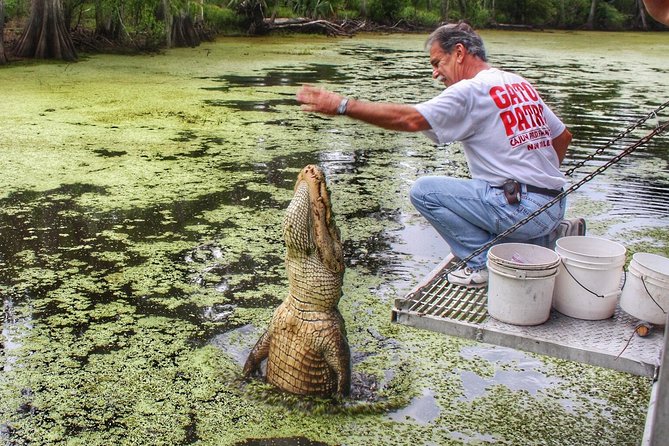
Alligators get the headline, but this swamp ride is about variety. The tour’s wildlife list includes alligators, raccoons, snakes, native birds, and also mentions giant nutria. You may also see egrets and other marsh birds, depending on the day.
From real-world experiences on this kind of outing, animal sightings can swing based on season and weather. Winter can mean fewer gators cruising openly, while other animals may stay active in the shallows or along the edges. That’s normal ecology, not a tour failure.
If you want the best odds for photos:
- Keep your camera ready during narration moments, since the guide often calls out where to look.
- Think “edges and movement,” not just open water. Many animals show themselves near shoreline vegetation.
The human factor: guides, humor, and keeping the day moving
This tour works when the guides keep energy up and explanations clear. The coach guide and swamp captain roles matter more than you might expect, because you’re with the same people for hours.
You’ll sometimes see guide names like Dionne, Robert, Jane, Kimberly, and John tied to strong history narration and a friendly tone. On the water side, captains such as Justin, Dustin, and Tom are specifically praised for entertaining, non-stop commentary.
Even if you don’t get those exact names, the pattern is consistent: you’ll want to listen. The better the narration, the faster you start spotting wildlife and connecting plantation details to the region’s wetlands and agriculture.
And yes, there are jokes. Not silly-for-silly’s-sake, but dad-joke humor can help keep a long day from feeling heavy. That’s useful when the plantation sections touch serious topics.
Group size and comfort: what to pack mentally for a long day
With a maximum group size of 28 travelers, you should be able to move around without feeling like you’re swallowed by a crowd. The coach is air-conditioned, which helps a lot when New Orleans weather decides to be dramatic.
Comfort matters on plantation grounds and around a boat boarding area. Wear comfortable shoes, because you’ll stand, walk, and reposition for views. The tour also advises casual clothing and specifically suggests avoiding tank tops and very short shorts. Think practical and respectful.
Bring a plan for breaks. The day is long enough that you’ll want energy between the plantation and swamp. You’ll be able to purchase refreshments at the plantation snack bar and there’s a drink/snack on the swamp stop, but it’s still wise to treat this as a day where you eat lightly and often rather than one big restaurant meal.
Who this tour fits best (and who should be choosier)
This is a good fit for:
- History buffs who want antebellum context without building a complicated itinerary.
- Nature lovers who like wildlife spotting and guided ecology.
- People who want a break from the city but don’t want to rent a car.
Families can do it too, especially because the swamp boat ride is designed for good visibility and the boat is open-sided but covered. Just note that the plantation house portion may not work for very young kids who lose patience quickly with indoor rules and slower pacing.
If you’re the type of traveler who wants total independence and maximum time in one place, you may feel constrained by the schedule. But if you want a strong combo day with clear structure, this tour style usually delivers.
Should you book the Oak Alley Plantation and swamp boat ride?
Book it if you want an efficient day that pairs plantation history with a Manchac Swamp wildlife cruise, and you’re happy to trade a little independence for smoother logistics. The included narration, the private swamp setting, and the chance to see a range of animals make it a strong value for a first-time or one-time-in-town trip.
Consider another option if you’re extremely photo-focused on mansion interiors (because indoor photography is restricted) or if you’re traveling during a season when wildlife sightings may be less dramatic. Also, if you hate long travel days, this is still a full day away from the city.
If your goal is to come away with both stories and sightings, this is a smart booking.
FAQ
Where does the tour start?
The tour starts at the Gray Line New Orleans Lighthouse Ticket Office at 400 Toulouse St at the Steamboat Natchez Dock.
Which plantation will I visit based on the time I book?
The 9am and 11am departures visit Oak Alley Plantation. The 1pm departure visits Destrehan Plantation.
How long is the swamp boat ride?
The cruise is approximately 2 hours.
What type of boat is used on the swamp ride?
The tour uses a comfortable, custom-built pontoon boat designed for a safe, ecosystem-friendly ride.
Can I take photos during the plantation house tour?
For the most part, yes. Flash photography and/or video is not allowed inside the house.
Is food available during the tour?
Yes. Food and drink can be purchased, including snacks at the plantation café and a snack/drink stop during the swamp portion.
Are service animals allowed?
Yes. Service animals are most welcome and are allowed on this activity.
How many people are in the group?
The tour has a maximum of 28 travelers.
What is the cancellation policy?
You can cancel for a full refund if you cancel at least 24 hours before the experience start time. If you cancel less than 24 hours before, the amount paid is not refunded.